Laboratory Centrifuges for Serum, Plasma, and PCV Separation
Laboratory centrifuges separate blood and biological samples by density using relative centrifugal force (RCF, ×g)—always specify protocols in RCF rather than RPM to standardize across rotor types. Clinical centrifuges (3,000–3,500 ×g) prepare serum and plasma from blood collection tubes; hematocrit centrifuges (10,000–15,000 RPM) measure packed cell volume from sealed capillary tubes in 3–5 minutes. MBP is a registered vendor to Howard Hughes Medical Institute, MD Anderson Cancer Center, and Vanderbilt University.
Contact customerservice@mbpinc.net to compare centrifuge models and request pricing, availability, or institutional quotes.
Centrifuges
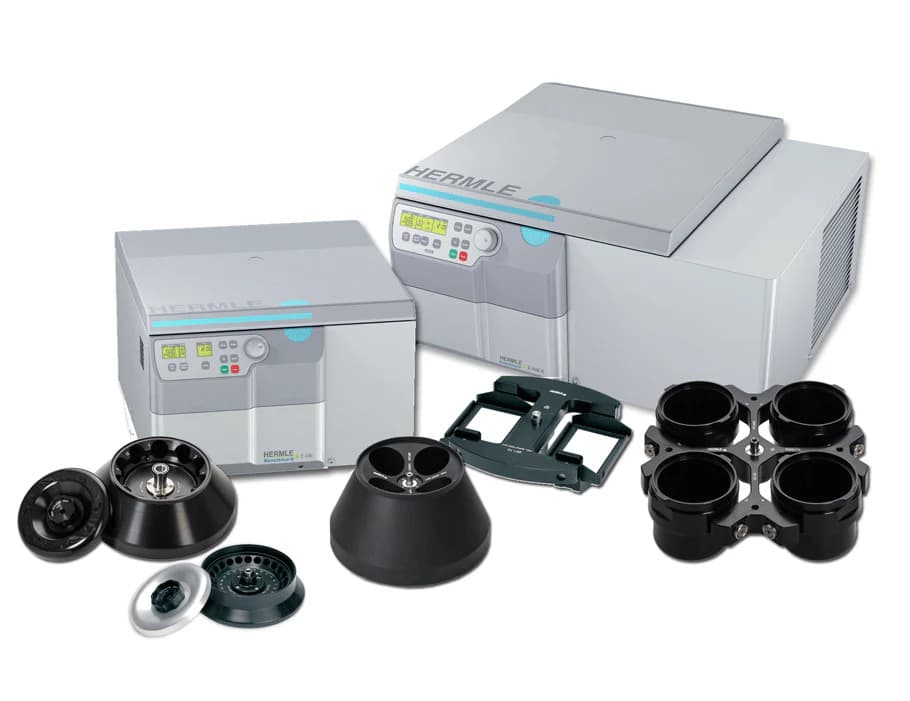

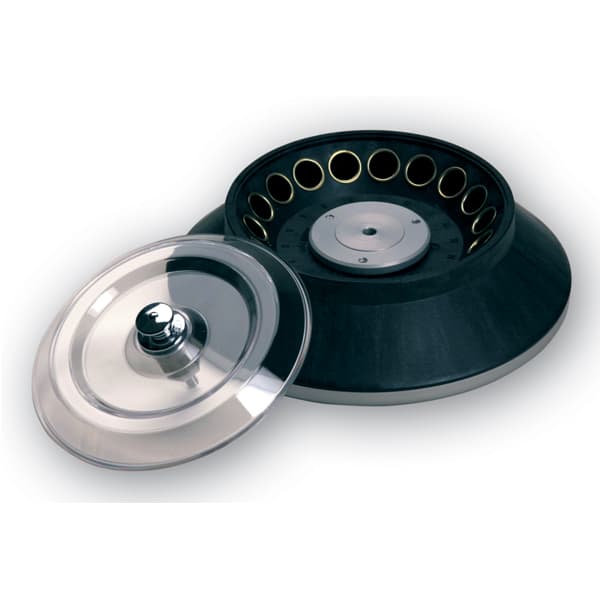

Showing 37 to 48 of 276 results
What Are Laboratory Centrifuges?
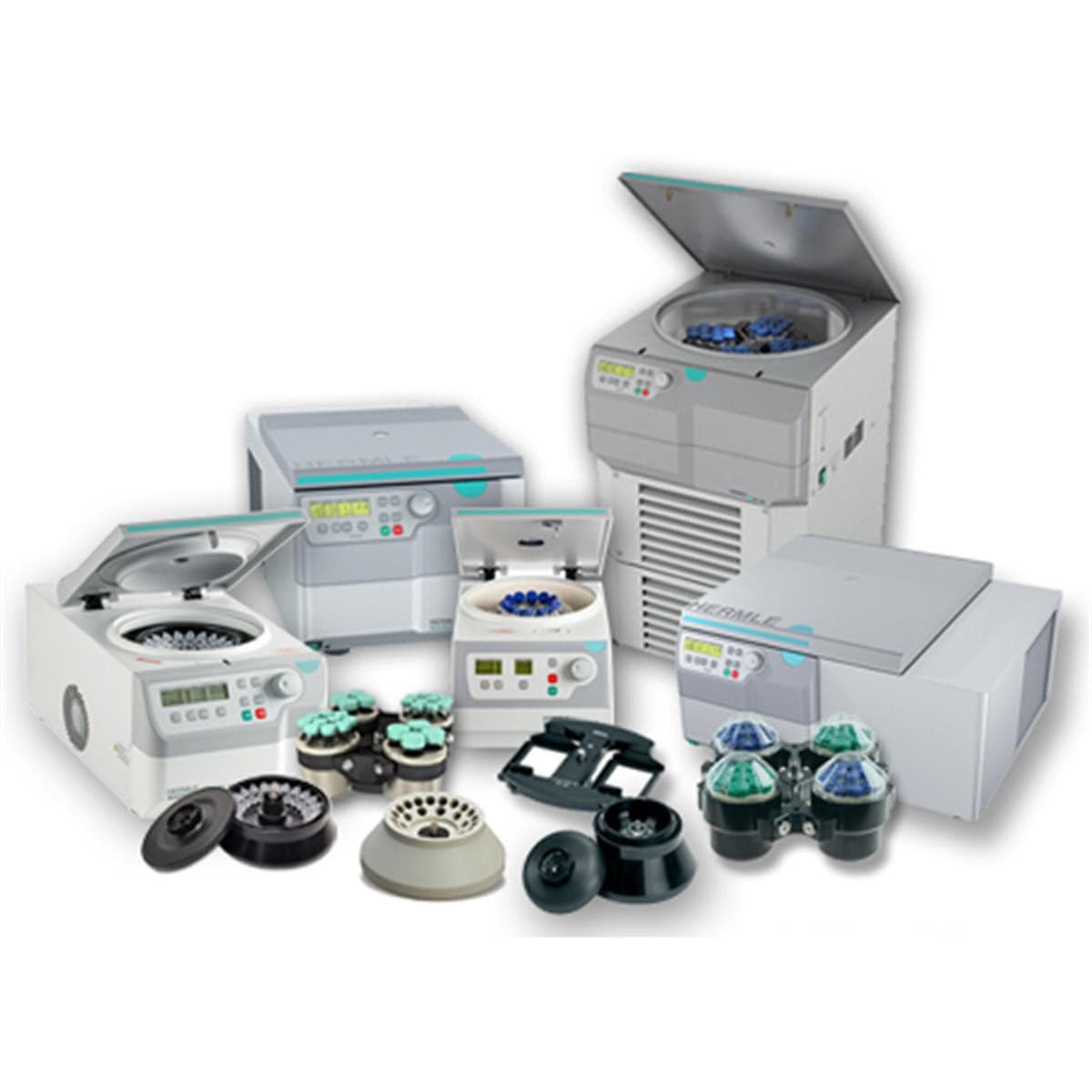
Laboratory centrifuges use centrifugal force—expressed as relative centrifugal force (RCF, ×g)—to separate mixtures by density difference, pelleting denser particles at the bottom of the tube while leaving lighter components in suspension or as a supernatant. Clinical centrifuges commonly process 5–50 mL blood collection tubes at approximately 1,000–3,500 ×g, depending on the specimen type, tube manufacturer recommendations, and laboratory protocol, to prepare serum and plasma for diagnostic testing. Hematocrit centrifuges spin sealed capillary tubes at 10,000–15,000 RPM to measure packed cell volume (PCV) in 3–5 minutes; microcentrifuges reach 15,000–21,000 ×g for rapid pelleting of microtubes; and high-speed centrifuges reach up to 30,000 RPM for bacterial pelleting and organelle isolation. Two rotor types serve different separation goals: fixed-angle rotors create a shorter sediment path and are commonly preferred for rapid pelleting applications, while swing-out rotors produce cleaner horizontal layer separation for density-gradient work and plasma preparation.
What You Will Find
- Compact Centrifuge: Space-saving solutions for routine lab applications
- Microcentrifuges: Designed for small-volume sample processing
- Laboratory Centrifuges: General-purpose systems for research and testing
- Universal Centrifuges: Versatile units for multiple lab applications
- Filtration Centrifuges: Ideal for sample filtration and separation workflows
- Oil-Testing Centrifuges: Specialized centrifuges for petroleum and oil analysis
- Hematocrit Centrifuges: Designed for blood sample separation and diagnostics
- Minicentrifuges: Compact units for quick spins and small sample volumes
How to Choose a Laboratory Centrifuge
RPM vs. RCF — Use RCF for Protocols
Always specify centrifuge protocols in RCF (×g) rather than RPM. Two centrifuges operating at the same RPM generate different forces if their rotor radii differ. Serum separation protocols commonly range from approximately 1,300–3,000 ×g for 10 minutes, depending on the tube manufacturer and laboratory procedure. Hematocrit measurements typically require 10,000–12,000 ×g (approximately 11,000–12,000 RPM in most microhematocrit rotors) for 4–5 minutes.
Rotor Type: Fixed-Angle vs. Swing-Out
Fixed-angle rotors position tubes at 25–45° to the rotation axis, creating a shorter sediment path and supporting efficient pelleting of red blood cells, bacteria, and precipitates. Swing-out rotors allow tubes to reach a horizontal position during centrifugation, producing distinct sediment layers that are easier to aspirate cleanly. They are commonly used for density gradients, platelet-poor plasma, buffy coat isolation, and other applications where layer definition is important.
Tube Capacity and Format Compatibility
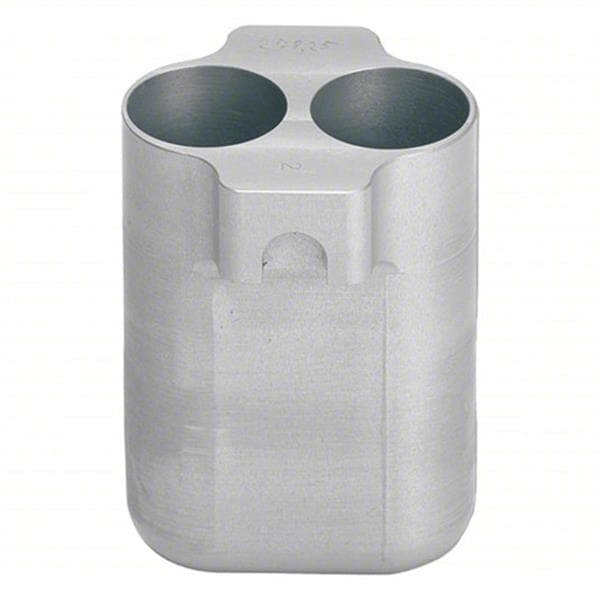
Clinical centrifuges accommodate standard vacutainer formats, including 13×75 mm (5 mL), 13×100 mm (7 mL), and 16×100 mm (10 mL) blood collection tubes, as well as 15 mL and 50 mL conical tubes. Confirm the rotor configuration and any required adapters before ordering. Gel separator tube manufacturers may specify maximum RCF values to prevent gel displacement, so laboratory protocols should align with the tube manufacturer's recommendations.
Refrigerated vs. Ambient Temperature
Refrigerated centrifuges, typically operated around 4°C, are commonly recommended for coagulation studies, enzyme assays, and temperature-sensitive molecular biology specimens. Room-temperature clinical centrifuges are suitable for routine serum separation workflows, while hematocrit centrifuges are generally designed for ambient-temperature operation.
Safety and Compliance
Clinical centrifuges used in regulated laboratories should meet applicable performance and quality requirements. Samples with infectious risk are commonly processed using sealed rotors or aerosol-tight safety cups, with loading and unloading procedures performed according to institutional biosafety protocols. Appropriate balancing, rotor inspection, and maintenance are essential for safe operation.
Specifications Context
RCF (×g) is the preferred specification unit for centrifuge protocols and is calculated as RCF = 1.118 × 10⁻⁵ × r × N², where r is the rotational radius in centimeters and N is RPM. Serum separation protocols commonly range from approximately 1,300–3,000 ×g for 10 minutes, depending on specimen requirements and tube manufacturer recommendations. Platelet-poor plasma preparation often involves a two-step centrifugation process, with laboratory procedures varying according to analytical requirements.
For hematocrit measurements, EDTA- or heparinized capillary tubes sealed with clay sealant are typically centrifuged at 10,000–12,000 RPM for 4–5 minutes and read using a microhematocrit card reader. Modern clinical centrifuges frequently incorporate brushless DC motors for quiet operation, reduced maintenance, and longer service life, along with programmable acceleration and deceleration profiles that help preserve gel barriers in separator tubes.
Get a premium quality centrifuge for your lab today. Contact today with the expert team at Molecular Biology Products Inc. to find the perfect match.
FAQ