Universal Centrifuges: Multi-Rotor Benchtop Instruments for Clinical, Research, and Cytology
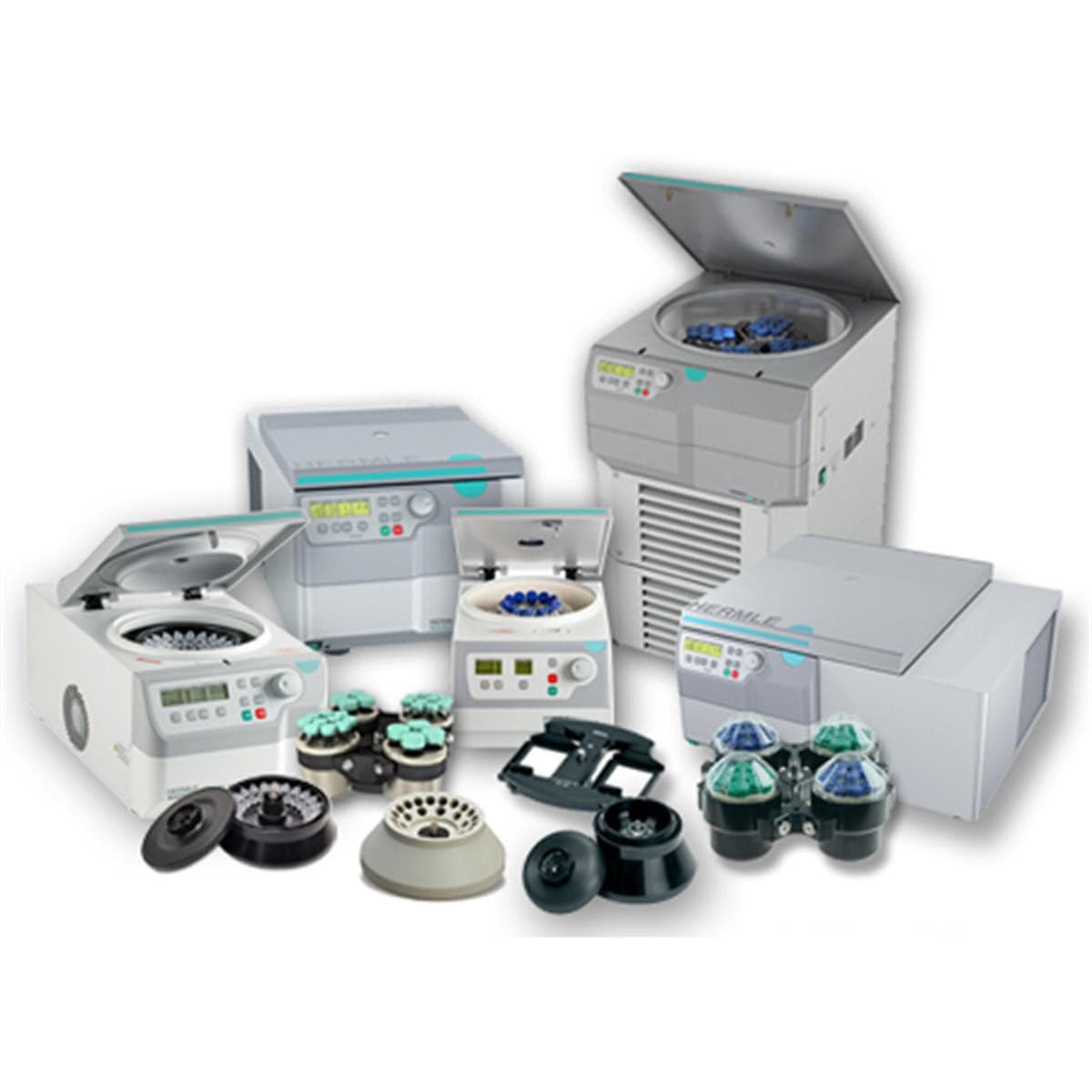
Universal centrifuges are multi-purpose benchtop instruments with interchangeable rotor portfolios—fixed-angle, swing-out, hematocrit, cytospin, and microplate rotors—that process hematocrit capillary tubes through 750 mL culture bottles in a single unit. Operating at 4,000–18,000 RPM (up to ~23,000 ×g), they eliminate the need for separate dedicated clinical, cell culture, and molecular biology centrifuges. MBP is a registered vendor to Howard Hughes Medical Institute, MD Anderson Cancer Center, and Vanderbilt University.
Contact customerservice@mbpinc.net to find the right universal centrifuge setup and request pricing or model availability.
Universal Centrifuge


.jpg&w=3840&q=75)


Showing 1 to 12 of 174 results
What Are Universal Centrifuges?
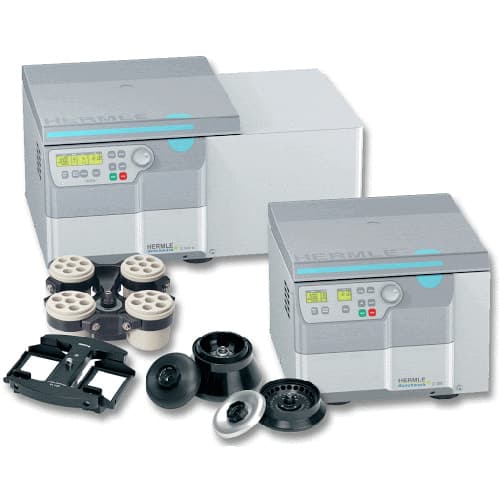
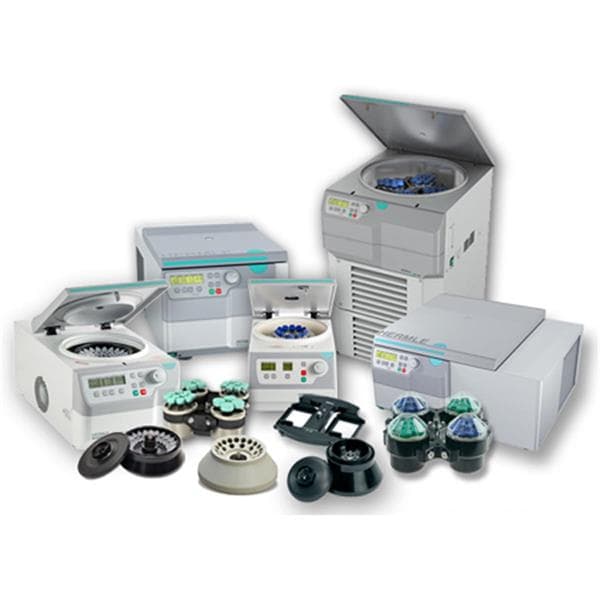
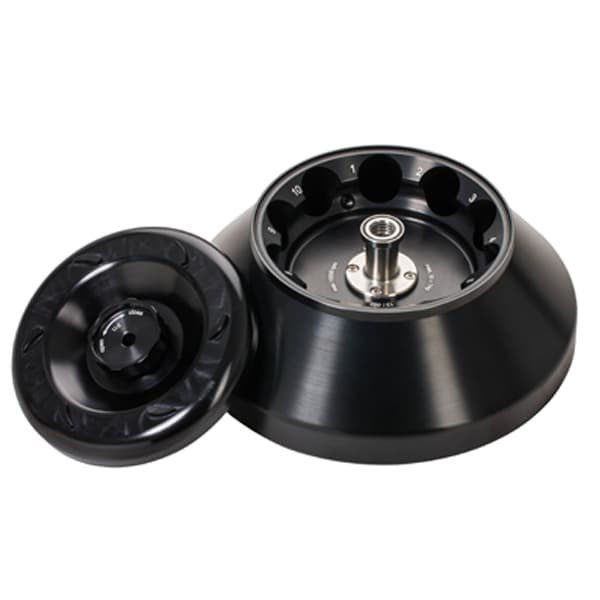
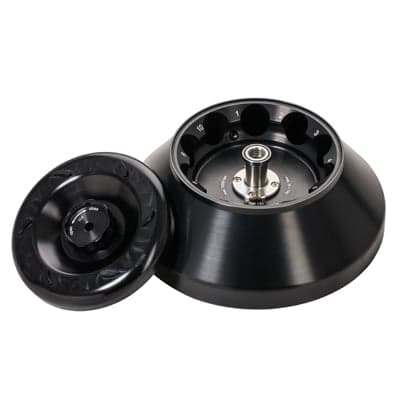
Universal centrifuges are multi-purpose benchtop instruments designed with interchangeable rotor systems that support a wide range of laboratory applications. Fixed-angle rotors handle high-speed pelleting, while swing-out rotors accommodate blood tubes, conical tubes, microplates, and bottles. Additional options such as hematocrit and cytocentrifuge rotors allow a single instrument to process capillary tubes, blood collection tubes, microtubes, 15 mL and 50 mL conicals, SBS-format microplates, and large bottles up to 750 mL. Operating at 4,000–18,000 RPM and generating forces up to approximately 23,000 ×g, universal centrifuges are widely used in research laboratories, clinical facilities, educational institutions, and other environments that require multiple workflows within a single platform.
What You Will Find:
- Universal Centrifuges: including models like Z287-A, used for efficient space routine processing, Z327/Z327-K, for varied lab applications; and Z446/Z446-K, for large-volume requirements.
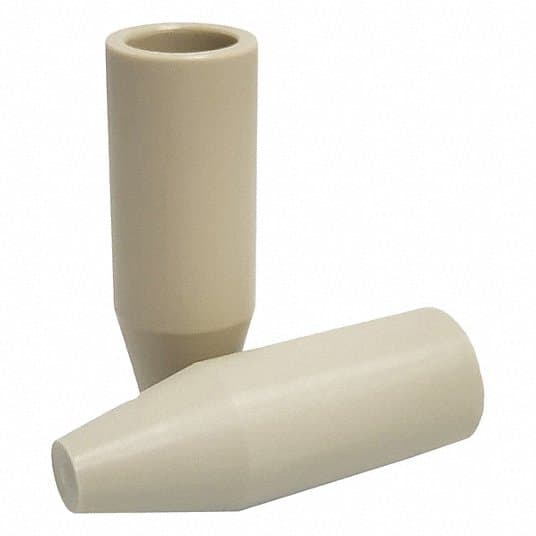
- Universal Centrifuge Accessories: enhances functionality, improves compatibility, and easier handling across different types of samples
How to Choose a Universal Centrifuge
Define the Required Rotor Portfolio
Begin by identifying all tube and vessel formats used in your laboratory. Universal centrifuges can replace multiple dedicated instruments when the required rotor options support applications involving blood tubes, microtubes, conical tubes, microplates, and larger containers. Confirm which rotors are included with the instrument and which must be purchased separately.
Maximum RCF Range
Universal centrifuges are available in configurations ranging from low-speed models for clinical work to high-performance systems reaching approximately 23,000 ×g. Laboratories requiring forces beyond this range for organelle isolation or virus pelleting should consider supplementing with a dedicated super-speed centrifuge.
Refrigerated vs. Non-Refrigerated
Non-refrigerated models are suitable for routine clinical applications, serum separation, and basic cell culture work. Refrigerated systems are recommended for temperature-sensitive procedures such as RNA extraction, enzyme studies, and protocols requiring operation at 4°C.
Cytology (Cytospin) Capability
Laboratories performing cytology procedures may benefit from centrifuges equipped with cytocentrifuge clip rotors. These configurations support low-volume samples and eliminate the need for a separate dedicated cytology centrifuge.
Microplate Processing
Swing-out microplate carriers allow universal centrifuges to process standard and deep-well plates for applications such as ELISA, cell collection, and filtration workflows. Verify compatibility with the required plate dimensions and operating speeds before selection.
Specifications Context
Universal centrifuges achieve their versatility through interchangeable buckets, adapters, and rotor systems that support a wide variety of sample formats. High-performance models provide centrifugal forces suitable for nucleic acid preparation, protein precipitation, and many routine molecular biology applications while maintaining the flexibility required for clinical and educational use.
Modern refrigerated systems offer improved temperature control, bio-containment features, and expanded rotor portfolios that allow laboratories to consolidate multiple workflows into a single instrument. These capabilities continue to make universal centrifuges a practical solution for multidisciplinary research and diagnostic environments.
Invest in a high-quality universal centrifuge. Contact the expert team at Molecular Biology Products Inc. (MBP) to book yours.
FAQ