Oil Testing Centrifuges for ASTM D1796, D4007, and D96 BS&W Determination
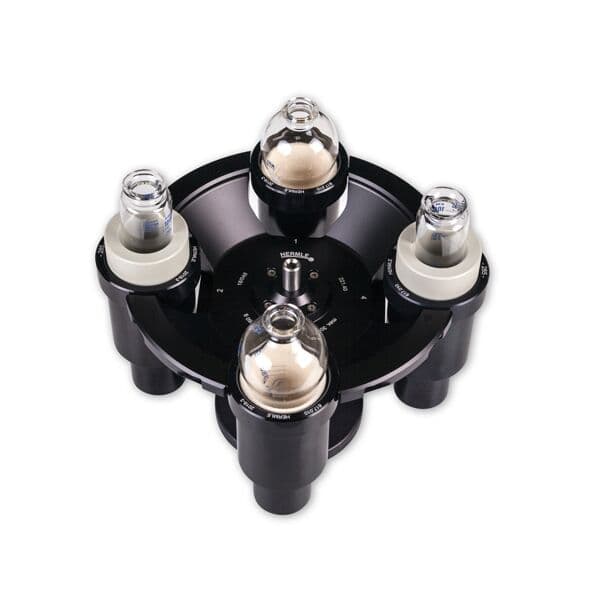
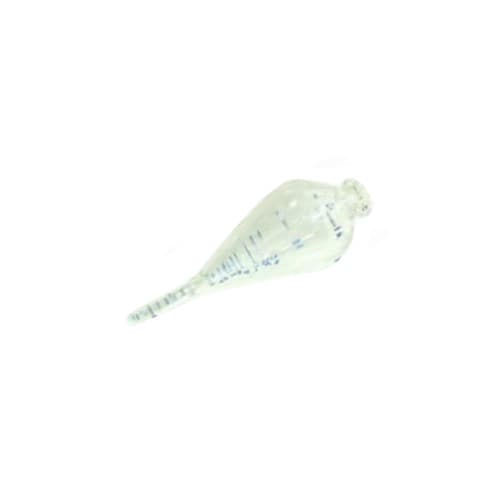
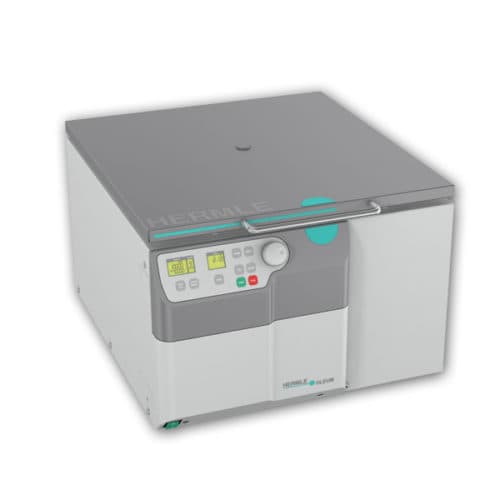
Oil testing centrifuges are heated-chamber petroleum instruments that determine basic sediment and water (BS&W) content in crude oil, fuel oils, and lubricating oils per ASTM D1796, D4007, D96, D2273, D2709, and related API MPMS, IP, ISO, and DIN methods. Calibrated borosilicate glass tubes (pear-shaped, long-cone, short-cone, or finger format as method-specified) are spun at 500–2,200 RPM (500–1,327 ×g) for 10 minutes in a 4-place heated swing-out rotor.
Contact customerservice@mbpinc.net to compare oil testing centrifuge models and request pricing or availability information.
Oil Testing Centrifuge

Showing 1 to 7 of 7 results
What Are Oil Testing Centrifuges?
Oil testing centrifuges (petroleum centrifuges) are specialized heated-chamber instruments used to determine the basic sediment and water (BS&W) content of crude oils, fuel oils, and lubricating oils by spinning calibrated ASTM-compliant borosilicate glass tubes at 500–2,200 RPM (500–1,327 ×g) for 10 minutes. The separated water and sediment volume is read directly from the graduated glass tube at the bottom of the tube. These instruments comply with ASTM D1796 (fuel oils), ASTM D4007 (crude oil), ASTM D2273 and D2709 (trace sediment in lubricating oils and middle distillates), ASTM D893 (insolubles in used oils), and related API, ISO, and DIN methods. Heated chambers reduce viscosity in heavy fuel oils and waxy crude samples, enabling accurate separation within standard testing cycles.
What You Will Find
- Oil Testing Centrifuge Accessories: Including oil pear-shaped and conical test tubes, tube adapters, and additional buckets with inserts for stable and secure centrifuge operation.
How to Choose an Oil Testing Centrifuge
ASTM Method Compliance
Identify the ASTM methods required by your laboratory before selecting a centrifuge. Methods such as D1796 and D4007 are commonly used for fuel oils and crude oils, while D2273 and D2709 require higher precision and specialized tube formats. Ensure the selected model supports all applicable testing standards and corresponding accessories.
Tube Type Compatibility
Different ASTM methods require specific tube formats, including pear-shaped, long-cone, short-cone, and finger tubes. Laboratories running multiple methods benefit from centrifuges that allow quick rotor changes and support several tube configurations within a single instrument.
Heated Chamber Temperature Range
Most petroleum testing methods require operation at 60°C, although some heavy crude applications demand temperatures approaching 93°C. Digital temperature control with accurate monitoring helps maintain compliance and ensures consistent test results across sample types.
Throughput Requirements
Four-place models typically process two samples per run, while six-place units increase throughput for high-volume laboratories. Selecting the appropriate capacity helps optimize turnaround times and improve workflow efficiency.
Digital Programmable Controls
Modern oil testing centrifuges feature programmable settings that allow operators to store method-specific parameters, including speed, temperature, and run duration. Automated acceleration and deceleration functions help protect delicate glass tubes and minimize operator error.
Specifications Context
Standard BS&W testing methods typically require operation within defined centrifugal force ranges and fixed run times using approved solvents. Long-cone tubes provide greater measurement resolution, while pear-shaped tubes remain common for routine fuel oil testing applications. Proper tube cushions and adapters are essential to protect glassware during acceleration and deceleration cycles.
Modern heated petroleum centrifuges incorporate digital temperature regulation, programmable controls, and improved safety features to support refinery, terminal, and pipeline laboratory operations. These advancements help maintain compliance with evolving ASTM and industry standards.
The right oil testing centrifuge can be yours today. Contact the expert team at Molecular Biology Products Inc. to find the ideal solution for your laboratory needs.
FAQ