Laboratory Centrifuges for Molecular Biology, Cell Culture, and Specimen Prep
Laboratory centrifuges separate biological samples by density using relative centrifugal force (RCF, ×g)—always specify protocols in RCF, not RPM, to transfer methods reliably between instruments. Benchtop models range from low-speed units suited to cell culture and serum preparation to high-speed models reaching 20,000 ×g for nucleic acid kits, bacterial pelleting, and protein work. MBP is a registered vendor to Howard Hughes Medical Institute, MD Anderson Cancer Center, and Vanderbilt University.
Contact customerservice@mbpinc.net to compare laboratory centrifuge models and request pricing, availability, or institutional quotes.
Laboratory Centrifuge

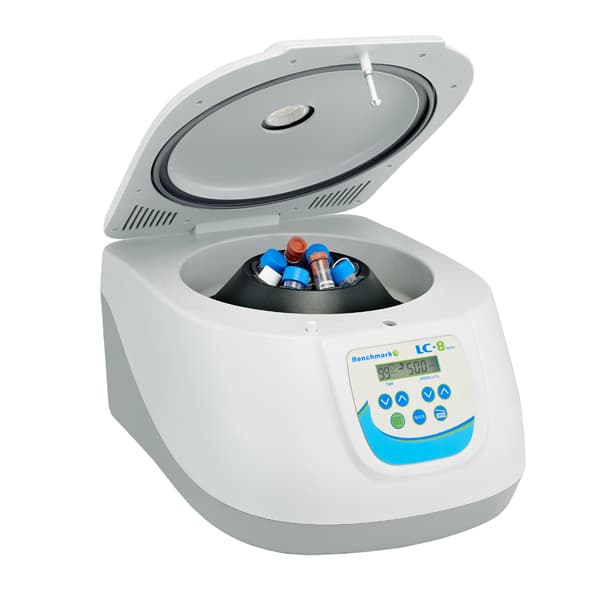
Showing 1 to 3 of 3 results
What Are Laboratory Centrifuges?
Laboratory centrifuges separate biological and chemical samples by exploiting density differences under centrifugal force, measured as relative centrifugal force (RCF, ×g). Benchtop models are the workhorse of the research lab, handling tube formats from 0.2 mL PCR tubes to 50 mL conicals across a speed range from a few hundred to ~20,000 ×g. Low-speed benchtop centrifuges (up to ~6,000 ×g) suit cell culture pelleting, serum separation, and density-gradient collections; high-speed benchtop models (up to ~20,000 ×g) handle bacterial harvesting, protein precipitate recovery, and nucleic acid column spins. Two rotor types cover most applications: fixed-angle rotors for fast pelleting at maximum RCF per RPM, and swing-out rotors for clean layer separation in gradients and blood processing.
What You Will Find
- Laboratory Centrifuge Accessories – Includes tube adapters and rotor shields for secure handling, better tube support, and efficient sample processing.
How to Choose a Laboratory Centrifuge
Define Required RCF Range
Match the centrifuge to the highest RCF your protocols require. Mammalian cell pelleting needs 200–600 ×g; nucleic acid kit spin-columns typically specify 10,000–16,000 ×g; bacterial harvesting 3,000–10,000 ×g. A mid-range benchtop centrifuge reaching 15,000–21,000 ×g covers most molecular biology and microbiology protocols without requiring a separate high-speed unit.
Tube Format and Rotor Versatility
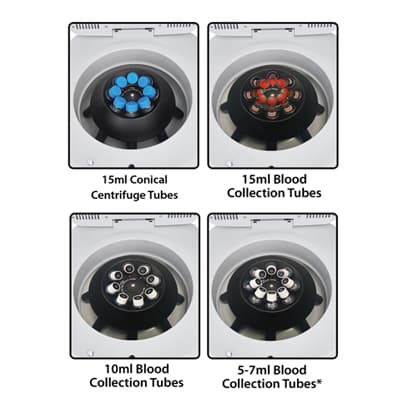
A single benchtop centrifuge can serve multiple workflows if the rotor accepts adapters for different tube formats: 1.5/2.0 mL microtubes, 15 mL and 50 mL conicals, PCR strips, microplates, and blood collection tubes. Confirm which adapters are available for the base rotor before purchasing; the cost and availability of adapters significantly affects the centrifuge's practical versatility.
Fixed-Angle vs. Swing-Out Rotor
Fixed-angle rotors are the default for molecular biology (spin-column kits, pelleting, precipitation recovery). Swing-out rotors are specified for density gradient separations, cell washing in gentle conditions (low-speed mammalian cells), and serum/plasma preparation where layer-interface clarity is important. Some benchtop centrifuges offer interchangeable rotors of both types; confirm rotor compatibility before specifying.
Refrigerated vs. Ambient Temperature
Refrigerated benchtop centrifuges (0–4°C) are required for coagulation panels, enzyme assays, and cell viability-critical applications. Most general molecular biology pelleting and plasmid prep protocols run at ambient temperature without sample degradation in standard spin times.
Footprint and Noise Level
Modern benchtop centrifuges with brushless DC motors are significantly quieter (some rated ≤45 dB) than legacy brush-motor models, an important consideration for shared or open-plan lab spaces. Confirm the footprint fits the available bench space with the lid fully open in the upright position.
Specifications Context
RCF is calculated as 1.118 × 10⁻⁵ × r × N2, where r = rotor radius in mm and N = RPM; this is the only reliable basis for transferring centrifuge protocols across instruments with different rotor sizes. Most nucleic acid purification kit protocols specify 10,000–16,000 ×g for spin-column steps; check the kit insert for the exact RCF and confirm the rotor reaches it without exceeding the tube's rated RCF limit.
Aerosol-tight sealed rotors or safety buckets are required for all BSL-2 or higher samples—never centrifuge infectious specimens in an open rotor without a sealed lid. As of 2026, brushless DC motor benchtop centrifuges operate at ≤45 dB and offer longer service intervals than legacy brush-motor designs, reducing noise in shared lab spaces and lowering long-term maintenance costs.
Find your perfect laboratory centrifuge. Contact now with the expert team at Molecular Biology Products Inc. and get matched to the right system for your lab's needs.
FAQ