Product Filters

Compact Centrifuges for Space-Limited Labs: Personal Workstation to Multi-Purpose


Compact centrifuges deliver full benchtop centrifuge performance—3,500 to 30,279 ×g—in housings as small as 12 × 15 inches, designed for labs where bench space is limited, for individual workstation placement, cold-room operation, or biosafety cabinet integration. Models range from basic compact clinical units (6-tube serum prep) to advanced multi-purpose instruments with 14 interchangeable rotor options. MBP is a registered vendor to Howard Hughes Medical Institute, MD Anderson Cancer Center, and Vanderbilt University.

Contact customerservice@mbpinc.net to compare compact centrifuge models and find the best fit for your laboratory workflow.

Compact Centrifuge

Per Page:
Sort By:
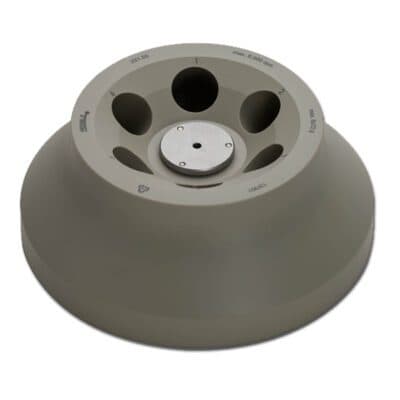
12 x 15ml rotor (for Z206-A only)
List Price:
USD1,164.06
Online Price:
USD831.47
Your Price:
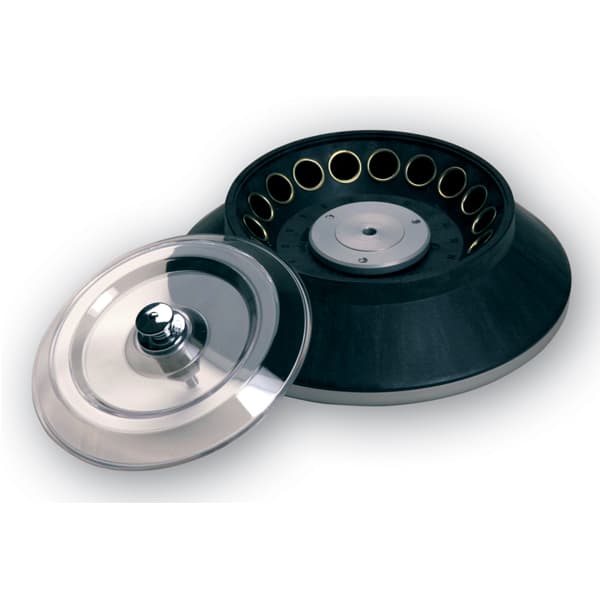
18 x 1.5/2.0ml rotor (for Z206-A only)
List Price:
USD858.41
Online Price:
USD613.15
Your Price:
6 x 50ml rotor (for Z206-A only)
List Price:
USD1,572.53
Online Price:
USD1,123.24
Your Price:
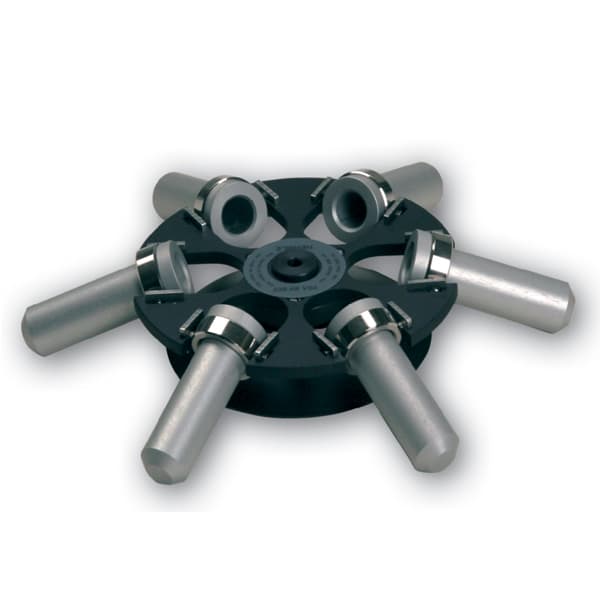
6 x 5ml swing out rotor (for Z206-A only)
List Price:
USD1,224.09
Online Price:
USD874.35
Your Price:
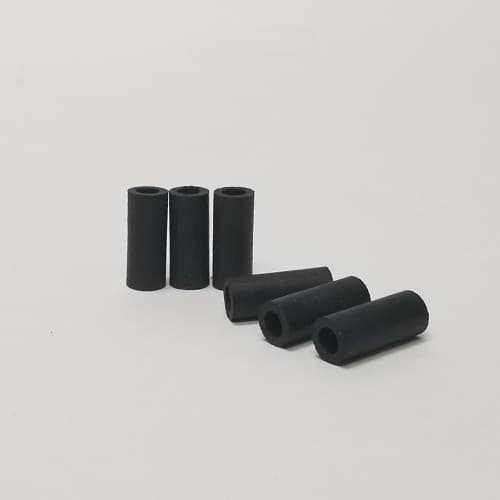
Cushion for 5ml tube in Z206-50-A57 adapter, 6/pk
List Price:
USD94.86
Online Price:
USD67.75
Your Price:
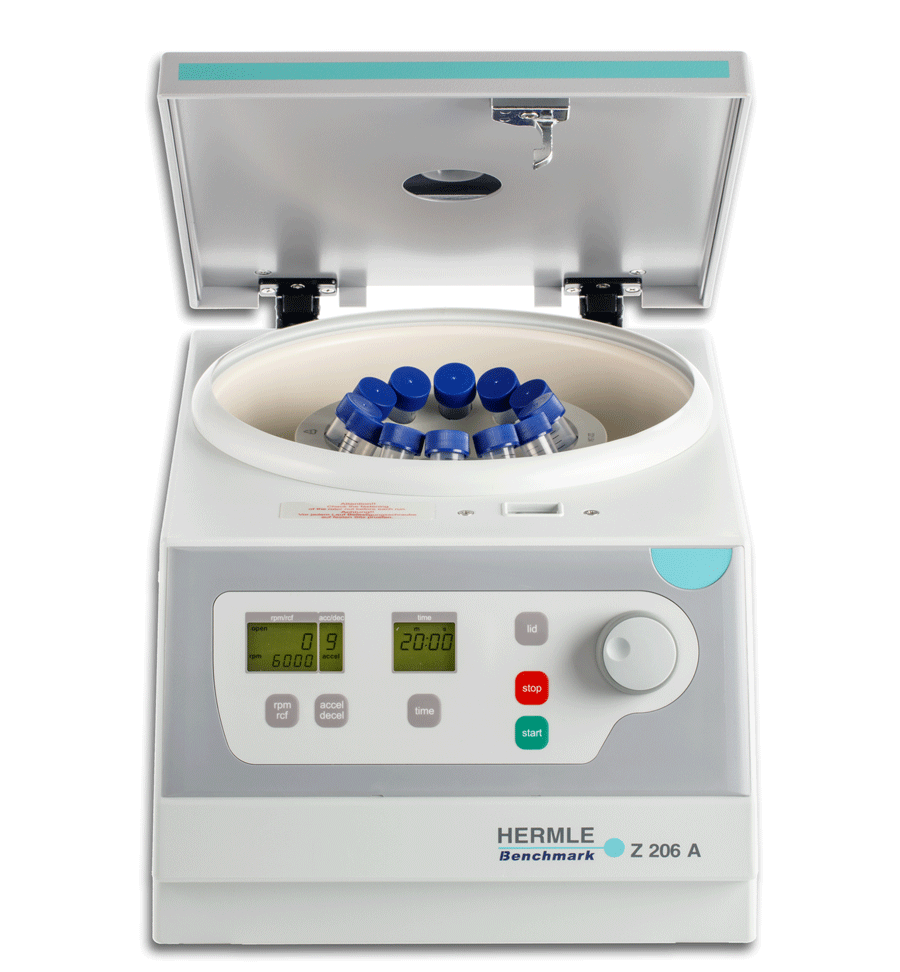
Z206A Compact Centrifuge
List Price:
USD3,671.67 - USD3,671.67
Online Price:
USD2,622.62 - USD2,622.62
Your Price:
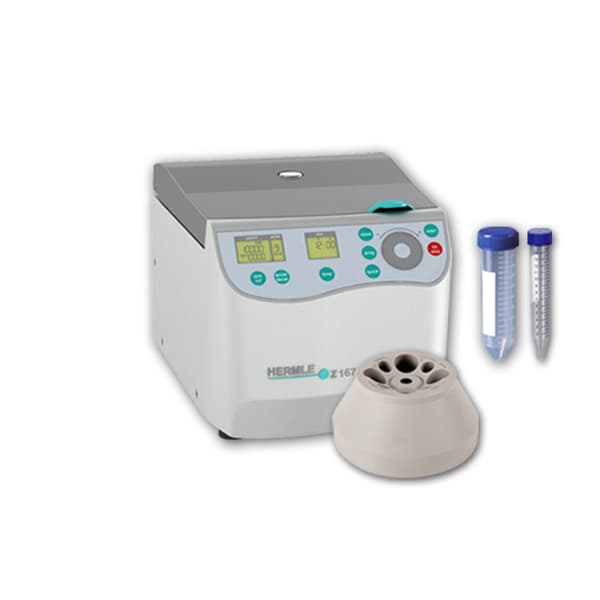
Z207-A-CMB Compact Centrifuge with Combination Rotor
List Price:
USD3,384.30 - USD3,384.30
Online Price:
USD2,417.35 - USD2,417.35
Your Price:
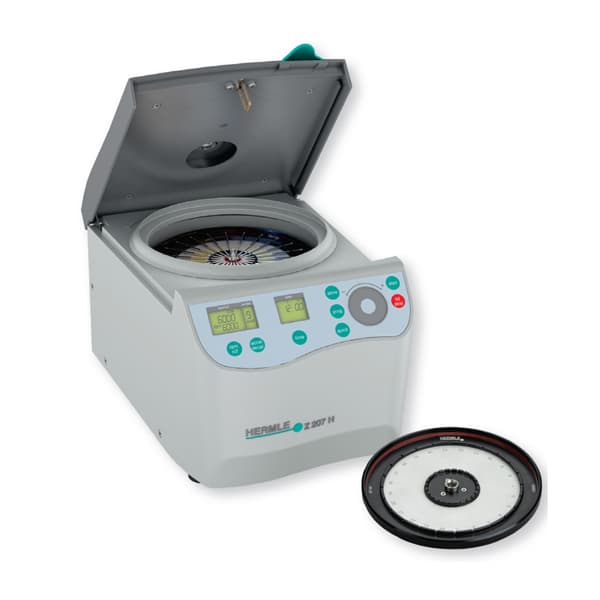
Z207-H Compact Hematocrit Centrifuge
List Price:
USD4,679.11 - USD4,679.11
Online Price:
USD3,342.22 - USD3,342.22
Your Price:

Showing 1 to 8 of 8 results

What Are Compact Centrifuges?


Compact centrifuges are benchtop instruments designed to deliver efficient centrifugation performance while occupying minimal laboratory space. Typically measuring between 12 and 18 inches wide, they are ideal for laboratories with limited bench space, individual workstations, portable applications, and biosafety cabinet integration. Compact centrifuges are available in a wide range of configurations, from clinical models for serum and plasma separation to high-performance microcentrifuges capable of molecular biology applications requiring forces above 20,000 ×g. Their versatility allows laboratories to maintain full centrifugation functionality without sacrificing valuable workspace.


What you will find:


  • Z206A Compact Centrifuge: ideal for urine and blood separation
  • Z207-A-CMB Compact Centrifuge: includes a combination rotor allowing simultaneous processing.
  • Z207-H Compact Hematocrit Centrifuge: used for blood analysis
  • Compact Centrifuge Accessories: including rotors and adapters


How to Choose a Compact Centrifuge


Performance and Footprint Requirements

Select a model that balances laboratory space limitations with the centrifugal force required for your applications. Clinical workflows may only require a few thousand ×g, while molecular biology procedures often demand much higher speeds and greater rotor versatility.

Overhead Clearance Considerations

Although compact in footprint, these centrifuges require adequate vertical clearance for safe lid operation. Verify available space beneath cabinets, shelves, or biosafety enclosures before installation to ensure unrestricted access to rotors and samples.

Cold-Room and Biosafety Cabinet Compatibility

Some compact centrifuges are specifically designed for operation in cold rooms or within biosafety cabinets. Confirm environmental compatibility when working with temperature-sensitive samples or biological materials requiring containment.

Rotor Flexibility

Multi-purpose models support interchangeable rotors for microtubes, blood tubes, conical tubes, and microplates, allowing one instrument to handle a variety of laboratory tasks. Dedicated single-rotor models may be more economical for specialized applications.

Noise Levels

Compact centrifuges are often used near workstations and shared laboratory spaces. Selecting quieter models can improve operator comfort and reduce disruption during extended experimental procedures.


Specifications Context


Compact centrifuges cover a broad performance range, from low-speed clinical applications to advanced molecular biology workflows requiring forces above 20,000 ×g. Modern designs incorporate quick rotor exchange systems, improved noise reduction, and optional refrigeration while maintaining a minimal bench footprint.

Many current models support multiple tube formats and interchangeable accessories, providing laboratories with flexible solutions that maximize productivity in space-constrained environments. These capabilities continue to make compact centrifuges valuable tools across clinical, research, educational, and biotechnology laboratories.

Don't miss out on the chance of getting the most suitable compact centrifuge for your lab today. Contact the expert team of Molecular Biology Products Inc. and book yours today.

FAQ

A compact centrifuge is a benchtop centrifuge specifically engineered for a small footprint—typically 12–18 inches wide—and is designed for labs where bench space is limited, for individual workstation placement, or for portable and field use. Compared to a standard benchtop centrifuge, compact centrifuges have lower maximum capacity per run (typically 6–24 tubes versus 36+ in full-size models) but deliver equivalent or near-equivalent speed and RCF performance in a unit that weighs 3–8 kg and requires minimal clearance.
Compact centrifuges span a wide performance range: basic compact clinical models reach 3,000–6,000 RPM (up to ~3,500 ×g) for serum and plasma preparation; compact microcentrifuge models reach 12,500–16,000 RPM (up to ~21,100 ×g) for molecular biology; and compact multi-purpose models reach up to 30,279 ×g (e.g., Thermo Scientific ST8 series) with multiple rotor options. Most compact centrifuge models above 10,000 RPM are sufficient for all routine molecular biology spin-column steps, which require 10,000–16,000 ×g.
Compact centrifuges accommodate a wide range of tube formats depending on rotor configuration: 0.2 mL PCR tubes and strips, 0.5 mL, 1.5 mL, and 2.0 mL microtubes, standard blood collection tubes (5–10 mL vacutainers), 15 mL and 50 mL conical tubes (with appropriate adapters), and in larger compact models, microplates in SBS format. The most versatile compact models (e.g., Thermo Scientific ST8/SL8) accommodate up to 14 different rotor configurations within the same compact housing.
Many compact centrifuges are specifically designed for cold-room operation and biosafety cabinet placement. Cold-room-safe compact centrifuges are built with motors and electronics rated for sustained operation at 4°C without condensation damage. Models small enough to fit inside a standard biosafety cabinet (width <400 mm, height <250 mm with lid closed) allow centrifugation of infectious specimens within the BSC work zone. Confirm the model's rated temperature range and footprint dimensions against the BSC's internal work area before ordering.
A minicentrifuge (personal or pulse centrifuge) runs at a fixed 6,000 RPM (~2,000 ×g) and accepts only microtubes and PCR strips for quick condensate spin-downs. A compact centrifuge typically features variable speed control, reaches 10,000–16,000 RPM (16,000–30,000 ×g) or more, and accepts multiple tube formats with interchangeable rotors—making it suitable for full molecular biology protocols, spin-column kits, and serum preparation. A compact centrifuge replaces or supplements a full-size centrifuge; a minicentrifuge does not.
Most compact benchtop centrifuges have backward-hinged lids that open to a height of 14–24 inches above the bench surface, depending on the model and rotor size. Measure the clearance from the bench surface to any overhead cabinets, shelving, or fixed installations before placing a centrifuge—a lid that cannot open fully either prevents rotor access or creates a safety risk if forced. Allow a minimum of 6 inches (15 cm) clearance on all sides for ventilation in addition to the required lid-open clearance.
Refrigerated compact centrifuge models are available in several product lines, maintaining operating temperatures from −20°C to +40°C with ±1°C accuracy during high-speed operation. Refrigerated compact centrifuges are specified for RNA extraction, enzyme assays, cell viability work, and protocols explicitly requiring 4°C centrifugation. Non-refrigerated compact models with an integrated cooling fan reduce heat build-up from motor friction but do not provide active temperature control—they maintain approximately ambient temperature during typical cycle durations.
Key safety features in compact centrifuges include an automatic lid lock that prevents the lid from opening while the rotor is spinning, rotor imbalance detection with automatic shutdown, over-speed protection, and a lid interlock that prevents starting with the lid open. For compact centrifuges used in clinical or BSC environments, aerosol-tight rotor lids or sealed safety covers for infectious specimen processing should be confirmed as available accessories before purchasing the base unit.
We provide the highest quality of products and anytime customer service.
Featured Categories
    online payment
    online payment
    fast delivery
    fast delivery
    technical support
    technical support
    24/7 support
    24/7 support
    copy right
    2026 All Right Reserved