RNA Extraction Kits for Total RNA and mRNA Isolation
RNA extraction kits are reagent systems that isolate and purify RNA molecules from biological samples, including cultured cells, animal and plant tissue, blood, bacteria, and FFPE sections. Formats include silica membrane spin columns, magnetic bead systems, and phenol-free lysis chemistries, with kits yielding up to 100 µg of DNA-free total RNA per preparation.
MBP supplies Zymo Research Quick-RNA kits and MagBio Genomics RNA purification kits to research labs across the USA and Canada, backed by specialist application support. Request a quote today by contacting customerservice@mbpinc.net
RNA Extraction Kits
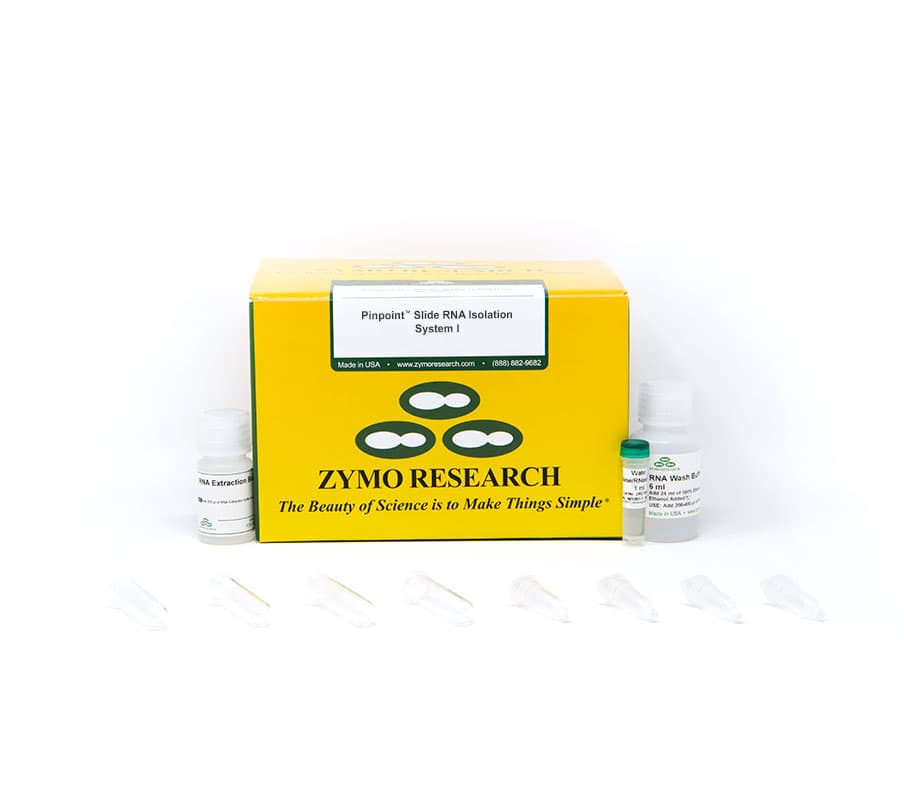
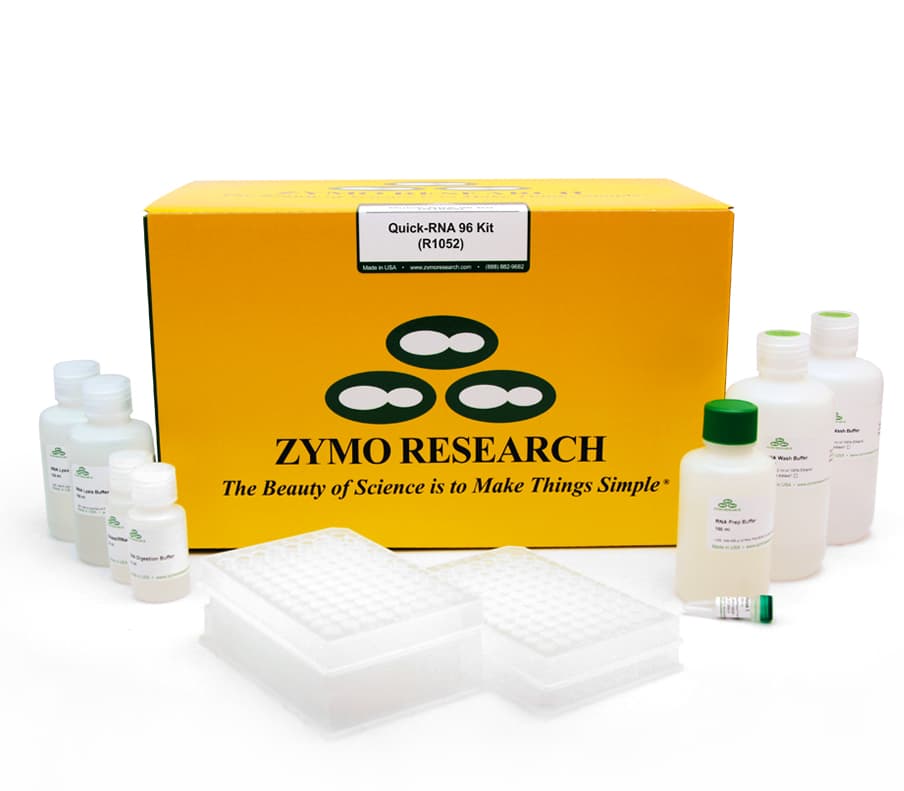
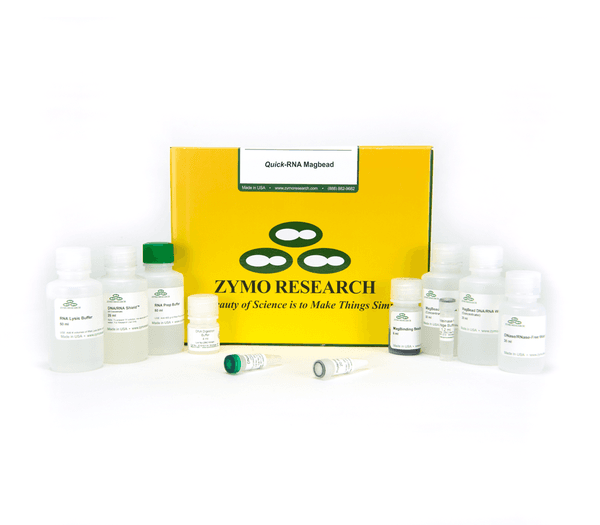
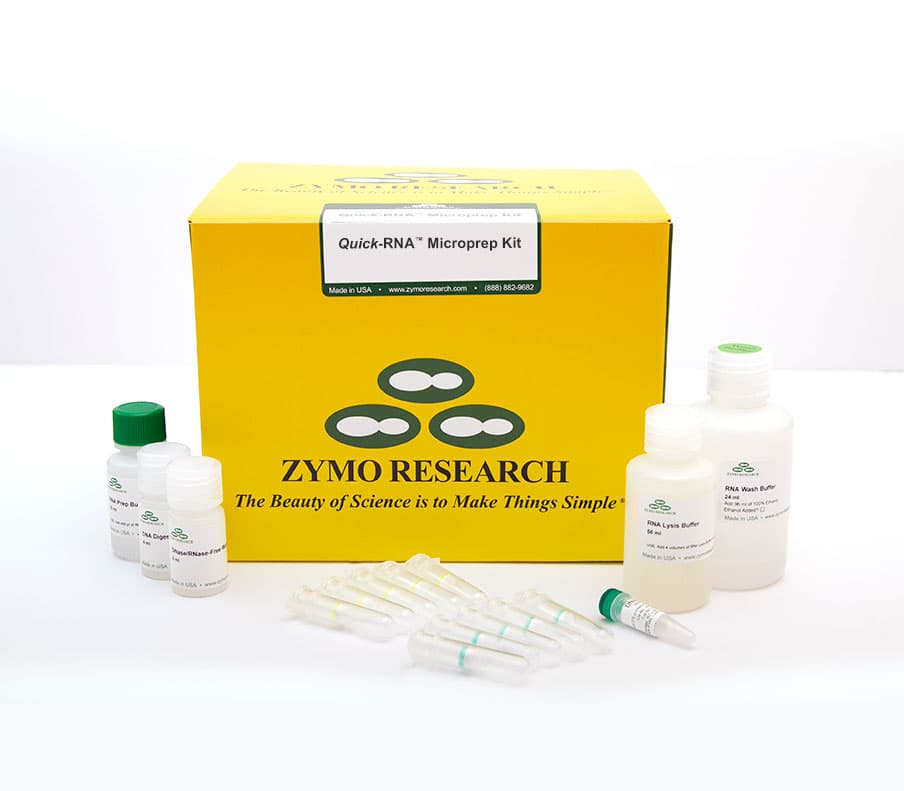

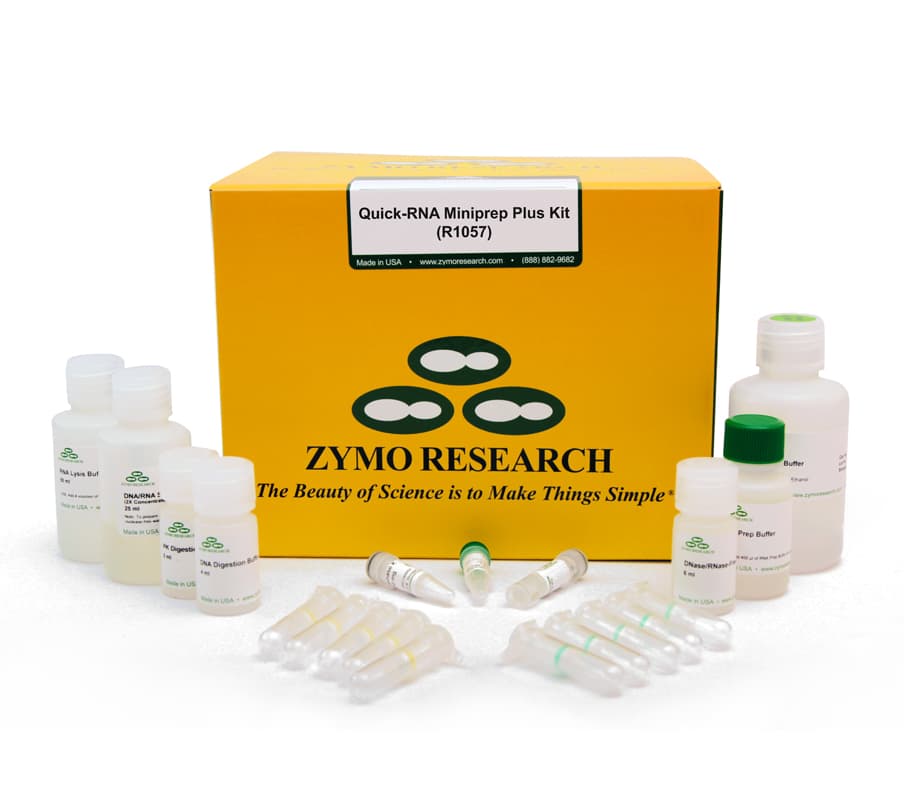
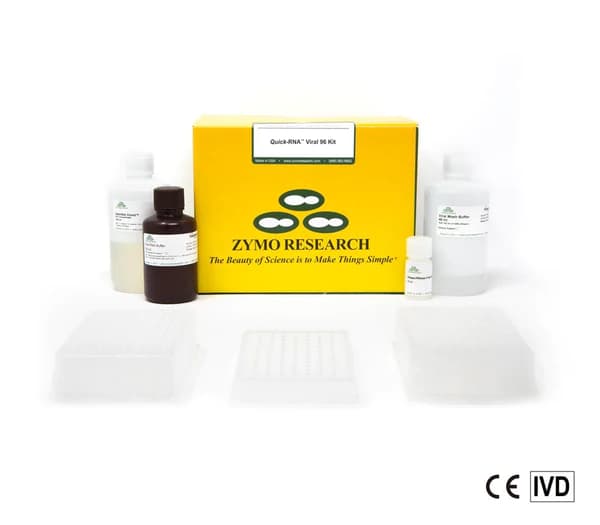
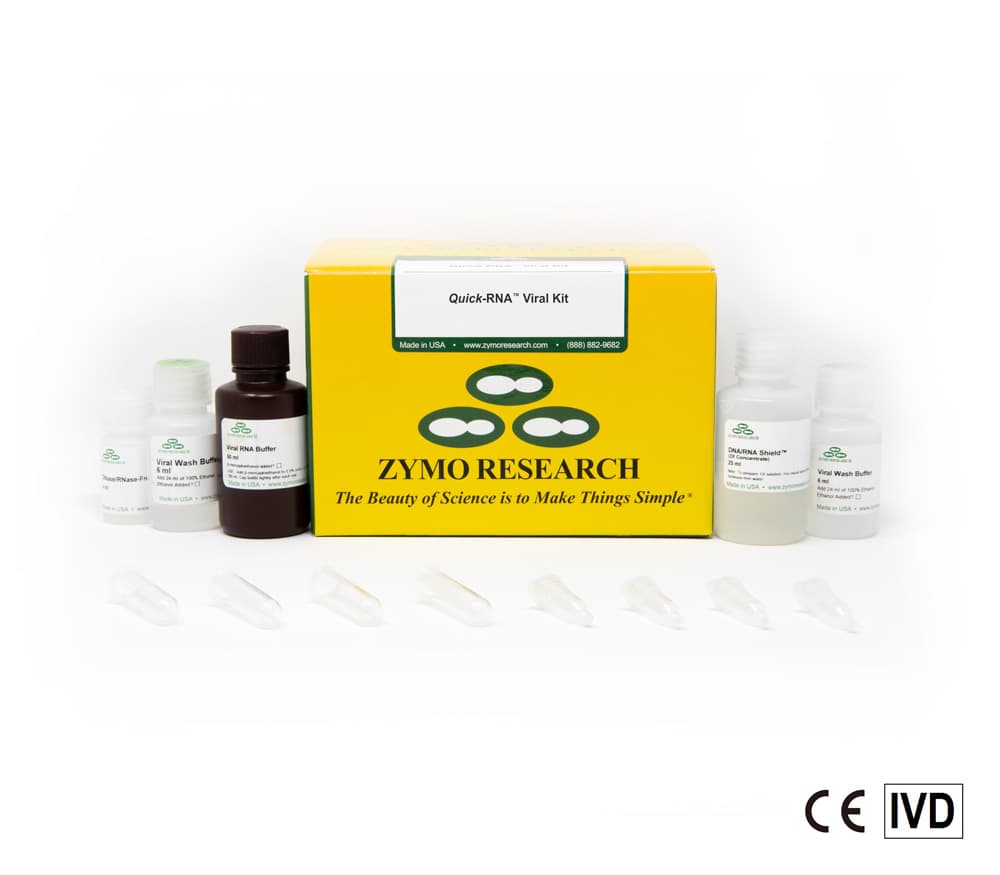
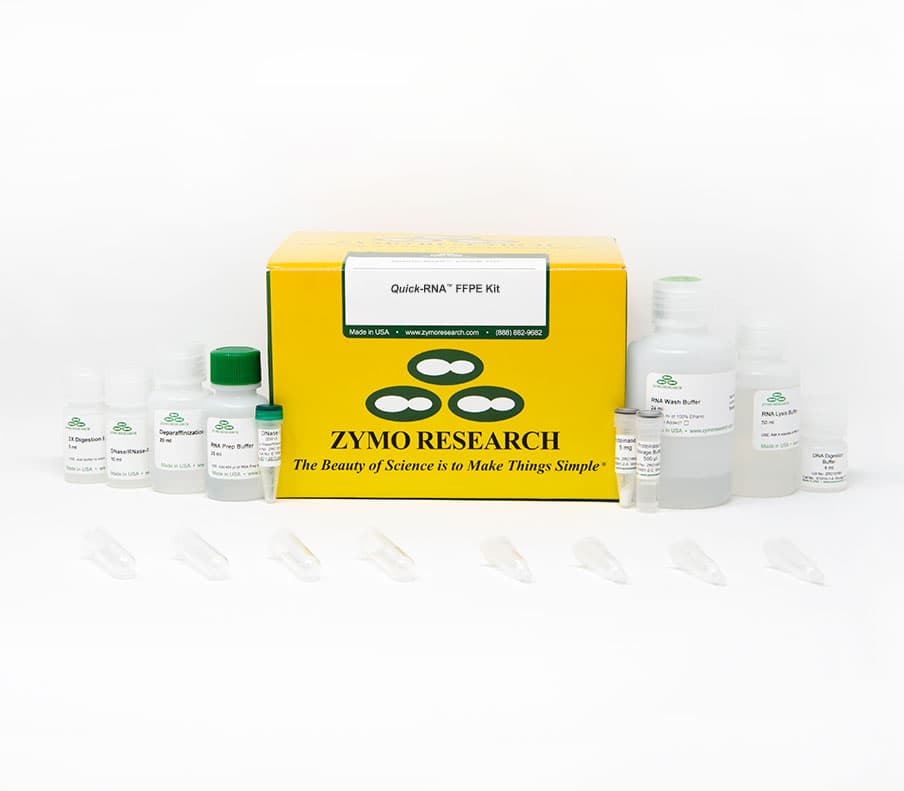
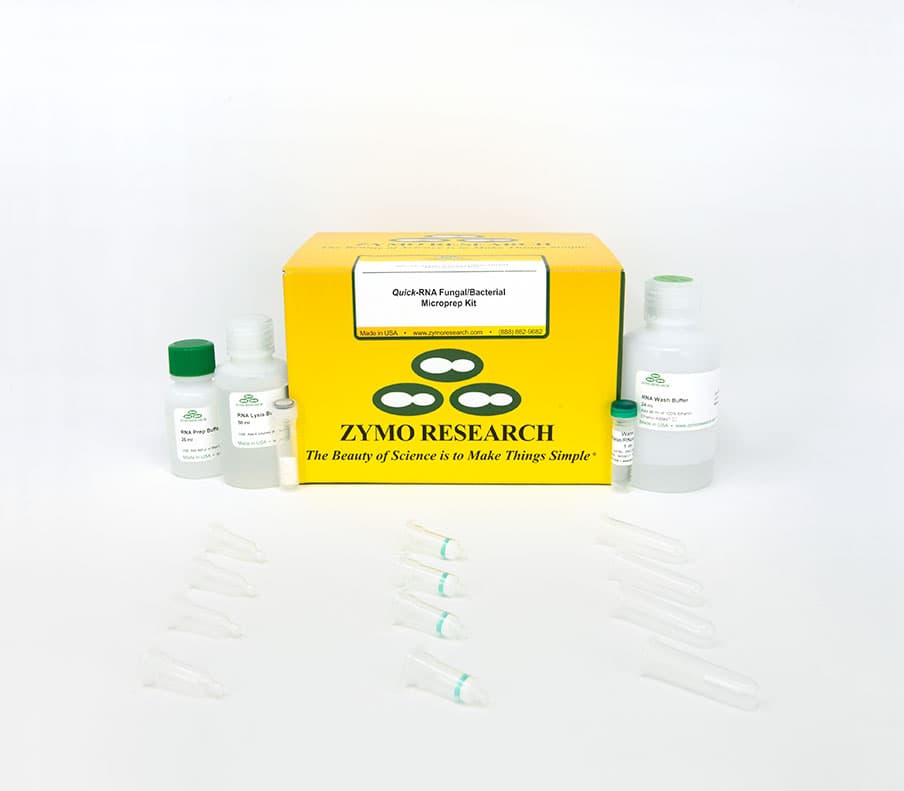

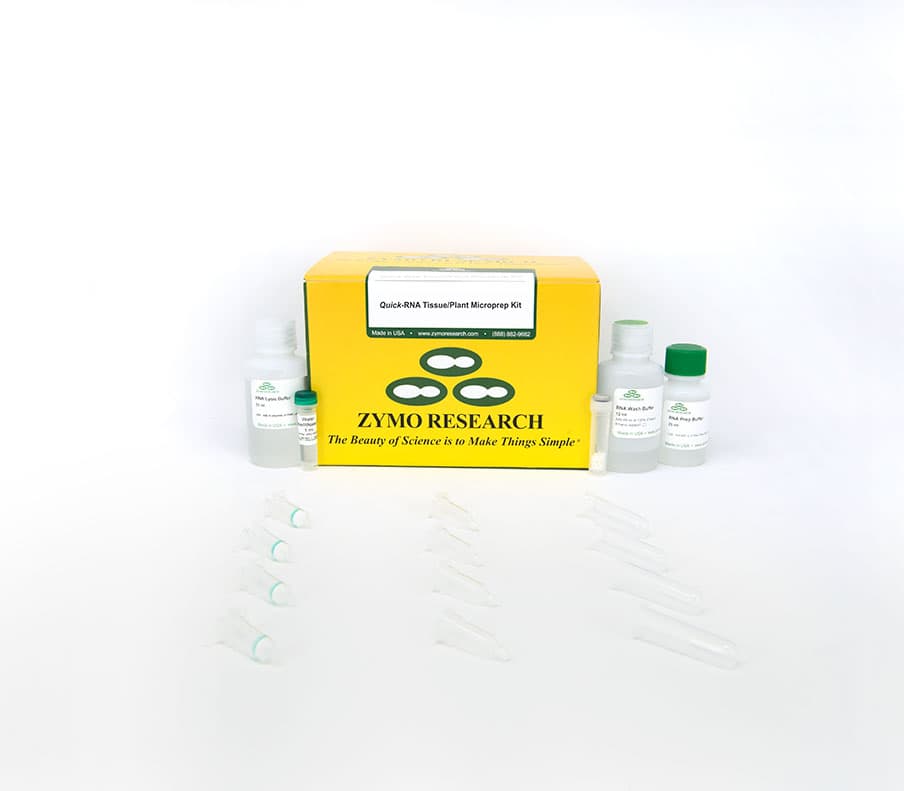
Showing 13 to 24 of 36 results
What Are RNA Extraction Kits?
RNA extraction kits are complete reagent systems for lysing biological samples, protecting RNA from RNase degradation, and purifying total RNA or specific RNA fractions (mRNA, miRNA, small RNA) to a purity suitable for RT-PCR, qRT-PCR, RNA sequencing (NGS), Northern blot, and microarray analysis. Most modern kits use silica membrane spin-column chemistry with optimized chaotropic lysis buffers, eliminating the need for phenol-chloroform extraction and its associated hazardous waste. Key kit parameters include sample type compatibility, maximum binding capacity (typically 10-100 ug per column), DNase treatment (on-column or add-on), and whether small RNAs (miRNA, 17-200 nt) are co-purified with large RNA. Choose an RNA extraction kit based on your sample type first, then on whether you need small RNA co-purification - these two factors narrow the field more than brand alone.
What you will find out:
- Environmental: Kits developed to eliminate humic acids and polyphenols from intricate soil and water mixtures.
- Total RNA: Methods for the thorough extraction of high-yield total RNA from biological sources.
- Insect RNA: Tailored kits for effective cell lysis and superior RNA extraction from arthropod specimens.
- Plant: Enhanced isolation tools that remove challenging cell walls and obstructive plant polysaccharides.
- FFPE: Specific recovery methods to obtain amplifiable RNA from tissues preserved in formalin.
- Viral RNA: Highly sensitive purification kits for dependable recovery of viral RNA in diagnostic processes.
- Cell-free RNA: Highly selective instruments for extracting circulating RNA from serum and plasma specimens.
- Small RNA: Targeted enrichment methods for isolating microRNA and short RNA types.
- Bacterial/Fungal RNA: Robust lysis systems for efficient cell wall breakdown and microbial RNA retrieval.
How to Choose RNA Extraction Kits
Sample Type Compatibility
Different sample matrices require different lysis strategies. Easy-to-lyse samples - cultured cells and soft tissues - work with standard buffer/column kits. Fibrous or collagen-rich tissues (muscle, cartilage, heart) require mechanical disruption (bead beating or homogenization) before column loading. Blood, plasma, and serum require dedicated protocols to remove heme inhibitors. FFPE sections need deparaffinization and extended proteinase K digestion. Choose a kit specifically validated for your sample type; using a generic kit outside its validated matrix degrades RNA yield and integrity.
Total RNA vs Specific RNA Fractions
Total RNA kits co-purify all RNA species, including mRNA, rRNA, tRNA, and small non-coding RNAs (miRNA >=17 nt). If your assay targets only mRNA, an oligo-dT capture column or magnetic bead mRNA purification step follows total RNA isolation or replaces it. For miRNA-specific work, choose kits validated to retain small RNAs >=17 nt; standard spin-column kits with low-salt wash buffers may lose RNA species under 200 nt.
DNase Treatment
Genomic DNA contamination in RNA preparations interferes with RT-PCR at cycle thresholds below 30. On-column DNase digestion (RNase-free DNase I included in many kits) removes gDNA during the wash step without eluting and re-treating the sample. Kits with on-column DNase are recommended for gene expression studies; kits without it are acceptable for applications where the genomic signal is negligible (e.g., total RNA quantification by Bioanalyzer).
Throughput and Format
Manual spin-column kits process 1-12 samples per run; 96-well plate kits or magnetic bead formats scale to 96 samples per run on automated liquid handlers. For routine high-throughput gene expression labs, automation-compatible bead or plate formats reduce hands-on time significantly.
RIN Score Requirements
RNA integrity number (RIN) is measured on an Agilent Bioanalyzer or TapeStation. Applications like RNA sequencing and microarray typically require RIN >=7; RT-qPCR for abundant transcripts tolerates RIN 5-7. Kit protocols that minimize the time between sample homogenization and lysis buffer contact consistently produce higher RIN scores.
Specifications Context
RNA purity is assessed by the A260/A280 ratio (target 1.8-2.1; values below 1.8 indicate protein contamination) and the A260/A230 ratio (target >1.8; low values suggest chaotropic salt carryover from the kit's lysis buffer). RNA integrity is expressed as RIN (1-10 scale); high-quality kits from validated sample types routinely deliver RIN 8-10 from fresh cells or snap-frozen tissue. Zymo Research Quick-RNA kits are among the most widely cited kit brands in published RT-PCR and RNA-seq methods, and ABM (Applied Biological Materials) RNA kits offer extraction from specialized sample types, including bacteria and fungi.
MBP's specialist team can help match kit chemistry, format, and throughput to your sample type and downstream application. Contact the MBP team for personalized guidance.
FAQ