Environmental RNA Kits for Soil, Water, and Biofilm
Environmental RNA extraction kits isolate total RNA from soil, sediment, water concentrates, biofilm, feces, and plant material for metatranscriptomic profiling of active microbial communities. Specialized inhibitor-removal chemistry and bead-beating lysis address the humic acids, polyphenols, and polysaccharides that co-extract from environmental matrices and block downstream RT-PCR and sequencing.
MBP carries Zymo Research Quick-RNA Fecal/Soil Microbe kits and ZymoBIOMICS DNA/RNA formats for paired metatranscriptomic and metagenomic workflows, available to registered vendors including Howard Hughes Medical Institute, Vanderbilt University, and MD Anderson Cancer Center. Request a quote today by contacting customerservice@mbpinc.net.
Environmental
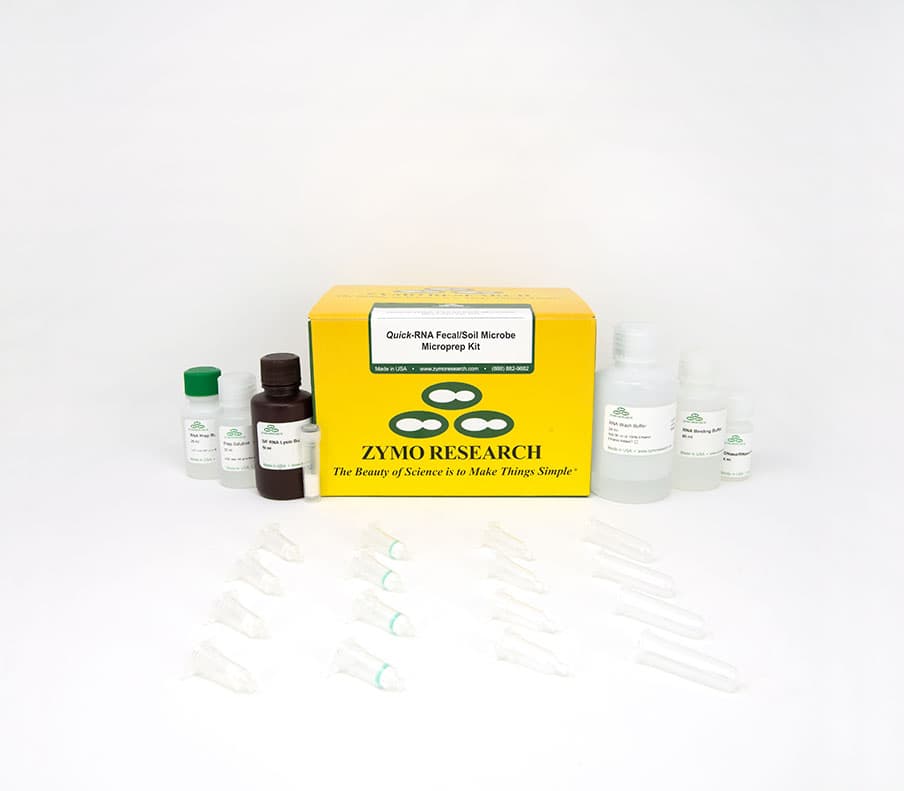
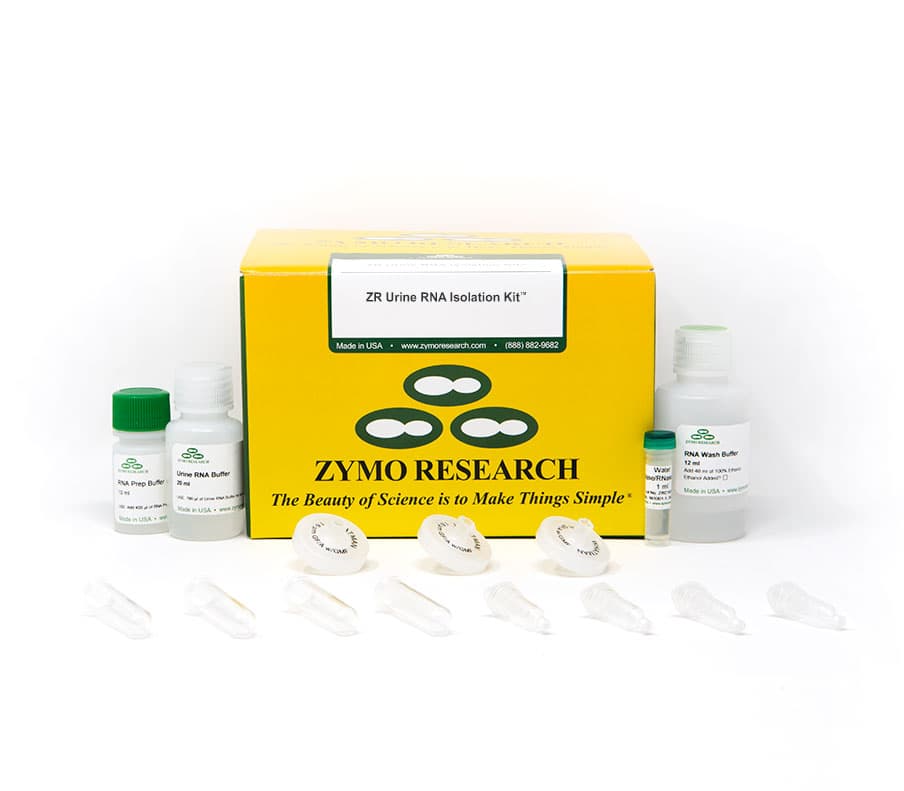
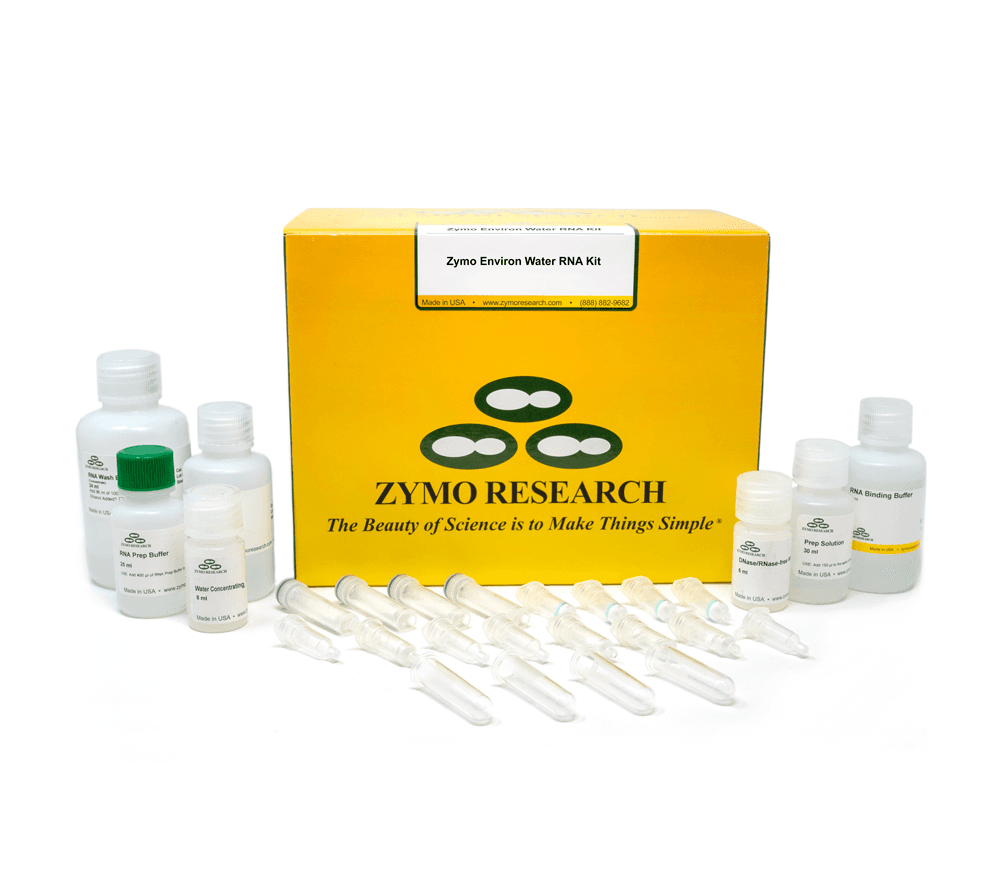
Showing 1 to 3 of 3 results
What are Environmental RNA Extraction Kits?
Environmental RNA (eRNA) extraction kits isolate total RNA from complex non-cellular matrices - soil, sediment, water, biofilm, fecal material, plant tissue, and air filter samples - for use in metatranscriptomic profiling of active microbial community gene expression. Unlike RNA kits designed for pure cultures or tissue, environmental RNA kits incorporate specialized bead-beating lysis, inhibitor co-precipitation, and sequential wash steps to remove the humic acids, polyphenols, and polysaccharides that co-extract from environmental matrices and inhibit downstream RT-PCR and RNA-seq workflows. Use an environmental RNA kit - not a standard total RNA or microbial RNA kit - whenever your sample is soil, sediment, water concentrate, biofilm, or feces, where co-purified inhibitors are the primary obstacle to usable RNA.
What you will find:
- Zymo Environ Water RNA and ZR Soil/Fecal RNA MicroPrep systems for purification of total RNA from environmental and microbiome samples.
- Spin-column extraction technologies designed to recover high-quality RNA from water, soil, sediment, and fecal specimens.
- Inhibitor-removal workflows that help eliminate humic acids and other contaminants common in environmental samples.
- RNA isolation solutions optimized for downstream RT-PCR, qPCR, sequencing, and microbial gene expression studies.
- Research-grade purification systems that support environmental monitoring, microbiome analysis, and metatranscriptomics applications.
How to Choose an Environmental RNA Extraction Kit
Soil Type and Inhibitor Load
High-organic-matter soils (peat, forest soils) carry more humic acid inhibitors than low-organic sandy soils. A 2024 peer-reviewed comparison published in Microbiology Society Journals found the QIAGEN RNeasy PowerSoil Total RNA Kit outperformed competing products across diverse soil types for long-read metatranscriptomics, delivering superior RNA integrity and yield. The Zymo Quick-RNA Fecal/Soil Microbe Microprep Kit is faster (approximately 2 hours) and provides a higher throughput option suited for lower-humic or fecal samples.
DNA Co-Extraction
For paired DNA/RNA metatranscriptomics from the same environmental sample, select a kit validated for co-extraction, such as the Zymo ZymoBIOMICS DNA/RNA Miniprep Kit. Processing both analytes from the same physical sample reduces extraction variability and sample volume requirements - important when sample mass is limiting, as in microdissected biofilms or filtered water aliquots.
Sample Input Amount
Standard environmental RNA kits accept 0.1-0.5 g of soil or feces per extraction; exceeding this limit overloads the inhibitor-removal chemistry and silica membrane. For samples with very low microbial biomass (e.g., subsoil, oligotrophic water), pool multiple extractions and concentrate using an RNA Clean & Concentrator kit before downstream assays.
rRNA Depletion Compatibility
Confirm that the extracted RNA is compatible with your rRNA depletion method. Residual inhibitors from soil RNA extractions can impair enzymatic depletion reactions; a cleanup or concentration step between extraction and depletion improves performance. The Zymo RNA Clean & Concentrator-5 kit is commonly used for this purpose.
Speed vs. RNA Quality Trade-off
The Zymo Fecal/Soil kit completes extraction in approximately 2 hours with mini-spin columns and provides higher throughput; the QIAGEN PowerSoil kit takes 5-7 hours, including optional incubation steps, but delivers superior RNA integrity for long-read sequencing applications requiring intact RNA molecules longer than 500 nt.
Specifications Context
RNA quality targets from environmental extractions: A260/A280 >= 1.8, A260/A230 >= 1.5 (lower ratios indicate inhibitor carryover), and RIN >= 5 for metatranscriptomics. Soil metatranscriptomics is an active area of environmental microbiology - with applications in carbon cycling research, agricultural soil health assessment, and bioremediation monitoring - and RNA extraction quality is a primary bottleneck cited in published workflows. For long-read sequencing (Oxford Nanopore direct RNA sequencing), RIN >= 7 and RNA concentration >= 20 ng/ul are required; this requirement makes kit selection and inhibitor removal more critical for long-read than for short-read workflows.
Contact the expert team at MBP Inc. today and get high-purity environmental RNA extraction purification systems for your lab.
FAQ