Product Filters

Enzymes and Inhibitors for Molecular Biology Research


Enzymes and inhibitors are the functional reagents of molecular biology, enabling researchers to cut, join, copy, degrade, and protect nucleic acids with precision in applications from cloning and sequencing to RNA therapeutics and gene editing.

MBP supplies DNA-modifying enzymes, RNA-modifying enzymes, restriction enzymes, and nucleases from validated manufacturers, including ABM (Applied Biological Materials), with worldwide shipping and a US office in Houston, Texas. Procurement teams at Howard Hughes Medical Institute, Vanderbilt University, and MD Anderson Cancer Center rely on MBP as a registered vendor for these reagent categories. Request a quote by contacting customerservice@mbpinc.net.

Enzymes and Inhibitors

Per Page:
Sort By:
2X DSN Stop Solution (50 ml)
List Price:
USD38.57
Online Price:
USD27.55
Your Price:
DNase I
List Price:
USD87.84
Online Price:
USD62.74
Your Price:
DNase I (RNAse-Free)
List Price:
USD97.39
Online Price:
USD69.56
Your Price:
DNase I Set (RNase-free)
List Price:
USD86.45 - USD816.62
Online Price:
USD61.75 - USD583.30
Your Price:
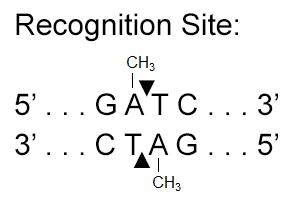
DpnI
E026
DpnI
List Price:
USD77.34
Online Price:
USD55.24
Your Price:
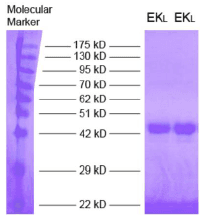
Enterokinase Cleavage Enzyme (Mammalian Produced)
List Price:
USD112.67
Online Price:
USD80.48
Your Price:
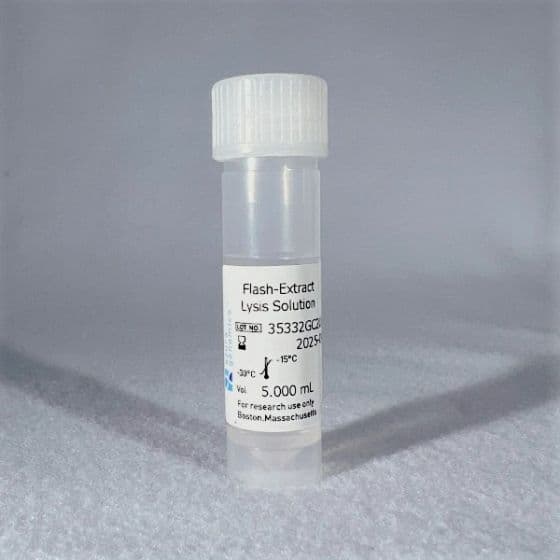
Flash-Extract Lysis Solution
List Price:
USD93.10 - USD259.35
Online Price:
USD66.50 - USD185.25
Your Price:
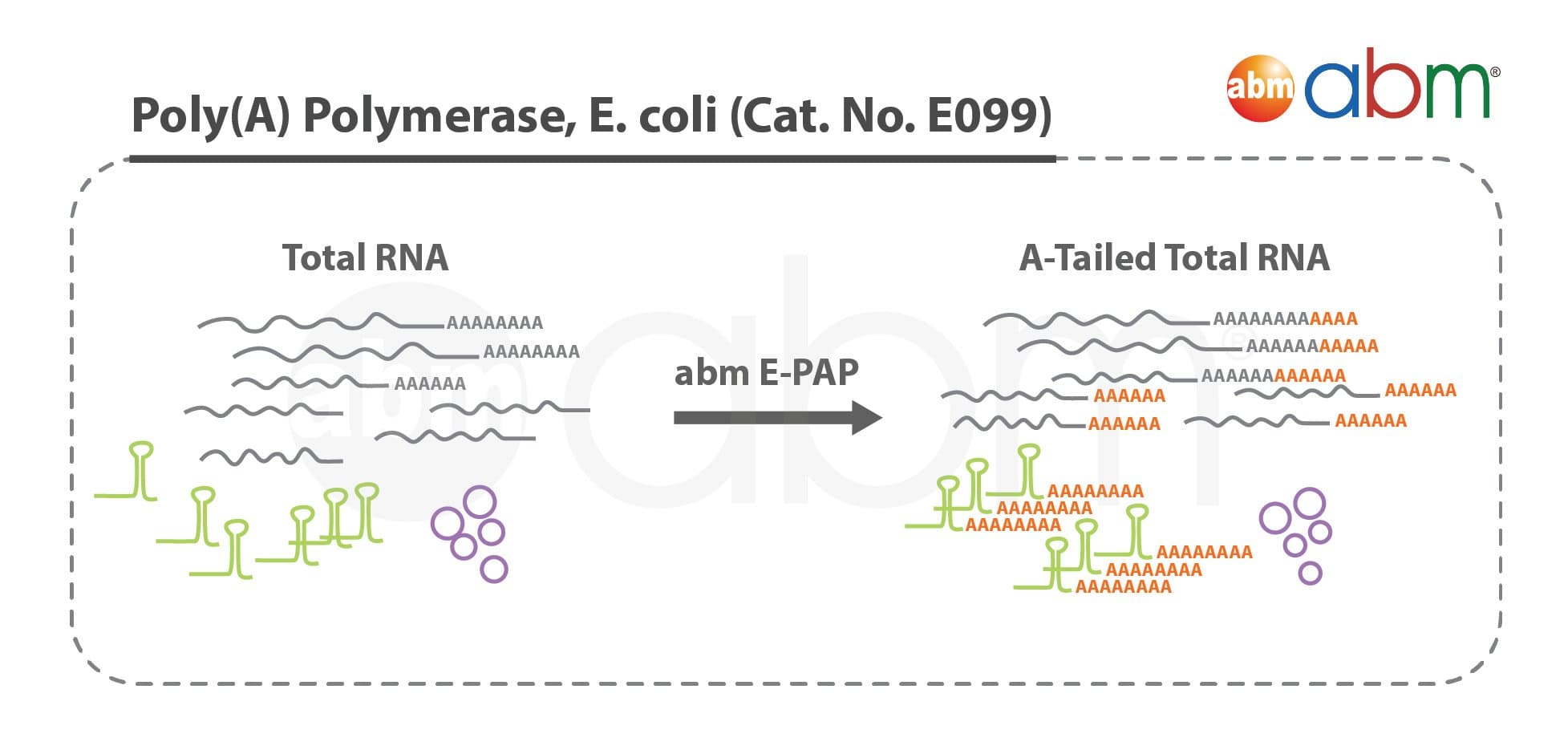
Poly(A) Polymerase, E. coli
List Price:
USD123.17
Online Price:
USD87.98
Your Price:
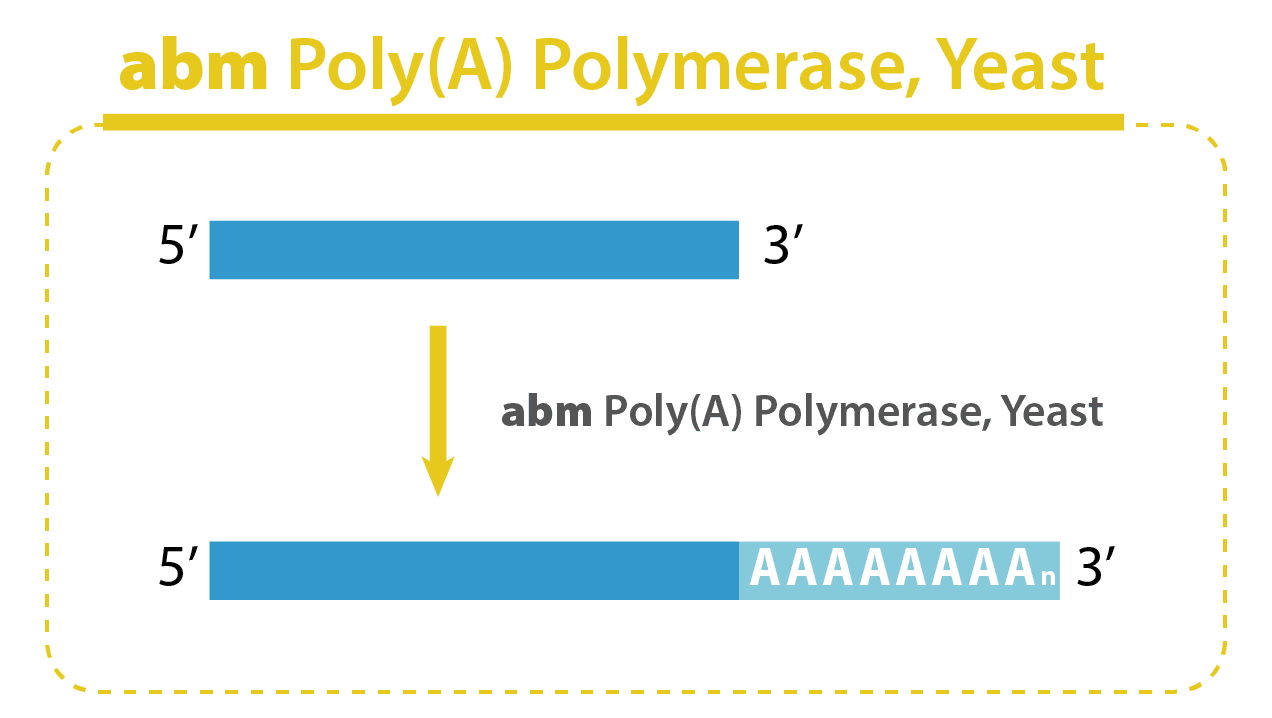
Poly(A) Polymerase, Yeast
List Price:
USD51.56
Online Price:
USD36.83
Your Price:
Protease Inhibitor Cocktail
List Price:
USD247.21 - USD247.21
Online Price:
USD176.58 - USD176.58
Your Price:
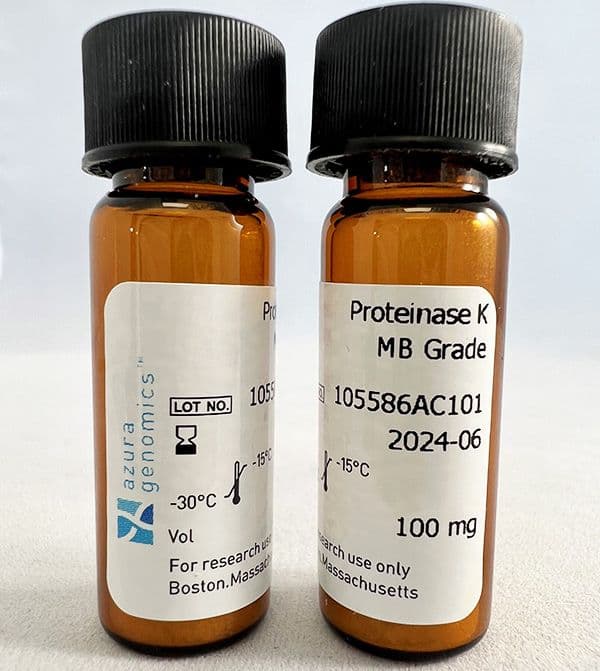
Proteinase K
List Price:
USD113.05 - USD751.45
Online Price:
USD80.75 - USD536.75
Your Price:
Proteinase K
List Price:
USD127.77
Online Price:
USD91.26
Your Price:

Showing 1 to 12 of 30 results

What are Enzymes and Inhibitors in Molecular Biology?


Molecular biology enzymes are proteins that catalyze defined biochemical reactions on nucleic acid substrates -- cutting, ligating, copying, modifying, or degrading DNA and RNA under controlled laboratory conditions. Inhibitors are companion reagents that protect nucleic acids from unwanted enzymatic degradation: RNase inhibitors in RNA workflows and protease inhibitors in cell lysis buffers. MBP's catalogue spans DNA-modifying enzymes (ligases, kinases, phosphatases), RNA-modifying enzymes (poly(A) polymerases, RNA ligases, capping enzymes), restriction endonucleases, nucleases (DNase I, RNase A, RNase H), and RNase and protease inhibitors from ABM (Applied Biological Materials) and other suppliers.


What you will find:


  • Lytic Enzymes: Specific agents such as Zymolyase Ultra and Flash-Extract, designed for quick cell wall breakdown and effective release of genetic material.

  • Nucleases: Efficient instruments such as DNase I (free of RNase) and PureRec RNase A, vital for the targeted elimination of unwanted nucleic acids.

  • Proteases: Strong Proteinase K compositions designed for the effective breakdown of natural nucleases during extraction.

  • RNA-modifying enzymes: Targeted catalysts engineered to enhance transcript stability, guaranteeing reduced sequence bias for transcriptome analysis.

  • Enzymes that modify DNA: Sophisticated agents such as PureRec Duplex-Specific Nuclease (DSN), employed for normalizing transcripts of high abundance.

  • Restriction Enzymes: Endonucleases that are site-specific, offering reliable cleavage patterns essential for precise genomic mapping.


How to Choose Enzymes and Inhibitors


Reaction type and enzyme class

Match the enzyme class to the intended reaction before comparing formats or suppliers. T4 DNA Ligase joins fragments with cohesive or blunt ends (requires ATP at 1 mM final, optimal at 16 degrees C for cohesive ends). T4 Polynucleotide Kinase phosphorylates 5' ends for ligation or labeling. Alkaline phosphatase dephosphorylates vector ends to prevent self-ligation. DNase I removes gDNA from RNA preparations (Mg2+/Ca2+-activated, inhibited by EDTA). RNase H degrades the RNA strand of an RNA:DNA hybrid (Mg2+-dependent) and is used in cDNA synthesis and antisense applications.

Cofactor compatibility in multi-step reactions

Verify cofactor requirements before combining enzymes in a single tube. DNase I is activated by Mg2+ or Ca2+ and inhibited by EDTA -- adding EDTA to stop a DNase I digestion also prevents downstream Mg2+-dependent reactions unless the EDTA is removed. RNase H requires Mg2+ and is incompatible with EDTA-containing buffers. When sequencing sequential enzyme steps, always check heat-inactivation temperatures: EcoRI inactivates at 65 degrees C for 20 minutes; T4 DNA Ligase inactivates at 65 degrees C for 10 minutes -- confirm the same conditions apply before combining steps.

Purity grade for the application

For RNA work, require RNase-free certification on all enzymes, buffers, and diluents -- even trace RNase contamination degrades template and inflates minus-RT controls. For DNA library preparation, confirm exonuclease-free and DNase-free grades. ABM molecular biology enzymes carry lot-specific certificates of analysis (CoAs) with activity, endotoxin, and contamination data -- request CoAs before ordering for GLP or publication-bound work.

Format and scale

FastDigest-format restriction enzymes complete digestion in 5-15 minutes at 37 degrees C versus 60 minutes for standard formats -- use FastDigest when throughput is the constraint. High-volume screening labs benefit from bulk unit packs; small-scale cloning labs typically use standard 500 U or 2,000 U formats. High-fidelity restriction enzymes with star activity below 1:1000 enzyme-to-DNA ratios are the current standard for sensitive cloning applications where partial-site cleavage would compromise downstream screening.


Specifications Context


Enzyme activity is expressed in units (U), where 1 U converts a defined amount of substrate in 1 hour at optimal temperature 37 degrees C for most restriction enzymes, 16 degrees C for T4 DNA Ligase in cohesive-end ligation. Most restriction enzymes and ligases are stored at -20 degrees C in glycerol-containing buffers and remain active for 12-24 months under proper conditions. High-fidelity restriction enzymes with star activity below 1:1000 are the standard for sensitive cloning; recombinant RNase inhibitor proteins have largely replaced murine RNase inhibitor in new protocol development due to improved lot-to-lot consistency and removal of animal-derived components.


Enhance your enzymatic processes—reach out to the MBP team now to obtain a quote for our high-quality enzymes.

FAQ

The four primary classes are DNA-modifying enzymes (ligases, kinases, phosphatases, methyltransferases), RNA-modifying enzymes (poly(A) polymerases, RNA ligases, capping enzymes), restriction endonucleases that cleave DNA at specific sequences, and nucleases (DNases and RNases) that degrade DNA or RNA. Inhibitors such as RNase inhibitor proteins protect nucleic acids from contaminating enzymes during sensitive workflows.
Restriction enzymes recognize specific 4-8 bp palindromic or asymmetric sequences and cleave DNA at or near those sites, producing defined sticky or blunt ends. Nucleases such as DNase I and RNase A are non-sequence-specific and degrade DNA or RNA broadly. Restriction enzymes are used for cloning and DNA mapping; nucleases are used for sample cleanup, nick translation, chromatin digestion, and removal of contaminating nucleic acids from protein or nucleic acid preparations.
RNase inhibitor proteins (such as RNasin or Murine RNase Inhibitor) block RNase A, B, and C activity and are added to lysis buffers, RT-PCR reaction mixes, and in vitro transcription reactions. RNase inhibitors are effective in the 4-37 degrees C range and should be added at 0.5-2 U per microliter of reaction volume. DEPC-treated water and RNase-free certified plastic and reagents are required alongside the inhibitor for RNA-sensitive workflows.
Type II restriction enzymes require Mg2+ ions and are typically supplied with a manufacturer-optimized buffer containing 50-100 mM MgCl2 equivalent. Type I enzymes additionally require ATP and S-adenosylmethionine (SAM). EDTA inhibits restriction enzyme activity by chelating Mg2+, so nucleic acid samples should be diluted in EDTA-free buffer before digestion. Most restriction enzyme reactions are run at 37 degrees C for 1-4 hours in the supplied buffer.
T4 DNA Ligase catalyzes the formation of phosphodiester bonds between adjacent 5'-phosphate and 3'-hydroxyl termini in duplex DNA, joining fragments with either cohesive (sticky) or blunt ends. It requires ATP as a cofactor. Cohesive-end ligations are typically performed at 16 degrees C for 4-16 hours to maximize efficiency; blunt-end ligations run at 16 degrees C for longer periods or at room temperature with PEG 4000 as a molecular crowding agent. T4 DNA Ligase is the standard enzyme for cloning and adaptor ligation in NGS library preparation.
DNase I treatment is the standard method: add 1 U of RNase-free DNase I per microgram of RNA, incubate at 37 degrees C for 30 minutes in the presence of Mg2+ and Ca2+, then inactivate with EDTA (final concentration 2.5 mM) at 75 degrees C for 10 minutes or remove with a silica column cleanup. DNase I cleaves both single- and double-stranded DNA and should carry RNase-free and protease-free certification for reliable RNA workflows. Confirm inactivation before downstream RT-PCR to avoid carryover activity.
Type IIP enzymes recognize palindromic sequences of 4-8 bp and cut within or immediately adjacent to the recognition site, generating sticky or blunt ends (examples: EcoRI, HindIII, BamHI). Type IIS enzymes recognize an asymmetric sequence and cut at a fixed distance outside the recognition site, generating custom overhangs that are removed from the product. Type IIS enzymes such as BsaI and BsmBI are used in Golden Gate Assembly, enabling ordered, scarless multi-fragment cloning in a single tube reaction.
Alkaline phosphatase removes 5'-phosphate groups from linearized vector DNA, preventing self-ligation and increasing the ratio of recombinant (insert-containing) to background (re-ligated vector) colonies after transformation. Calf intestinal alkaline phosphatase (CIP) and shrimp alkaline phosphatase (SAP) are the most common forms; SAP is preferred when heat-inactivation at 65 degrees C for 20 minutes is required to preserve downstream enzymatic activities. Treated vector must be re-phosphorylated or paired with a 5'-phosphorylated insert for successful ligation.
MBP supports bulk and institutional orders for enzymes and inhibitors, including purchase order and quote-based procurement. MBP is a registered vendor for Howard Hughes Medical Institute, Vanderbilt University, and MD Anderson Cancer Center, and can be added to approved vendor lists at other research institutions across the USA and Canada. Submit bulk inquiries through the MBP Quick Order portal or contact the MBP team directly for pricing on high-volume enzyme needs.
RNase H is an endonuclease that specifically degrades the RNA strand of an RNA:DNA hybrid duplex without affecting single-stranded DNA, single-stranded RNA, or double-stranded DNA. It requires Mg2+ for activity. RNase H is used in cDNA synthesis to remove the mRNA template after first-strand synthesis in two-step RT-PCR, in primer removal steps in Sanger sequencing, and in antisense oligonucleotide research to validate target knockdown. Thermostable RNase H variants allow reactions at 45-65 degrees C for improved specificity with structured RNA targets.
We provide the highest quality of products and anytime customer service.
Featured Categories
    online payment
    online payment
    fast delivery
    fast delivery
    technical support
    technical support
    24/7 support
    24/7 support
    copy right
    2026 All Right Reserved