Product Filters

Proteases for Nucleic Acid Purification and Proteomics


Proteases are enzymes that hydrolyze peptide bonds in proteins and are used in molecular biology for digesting contaminating proteins during nucleic acid purification, preparing tryptic peptides for mass spectrometry, dissociating adherent cells in culture, removing affinity tags from recombinant proteins, and generating the Klenow fragment by proteolytic cleavage of DNA Polymerase I. 

MBP carries research-grade proteases, including Proteinase K, trypsin, and sequencing-grade protease variants from validated manufacturers, including ABM, with US order processing in Houston, Texas and shipping across North America and internationally. Request a quote by contacting customerservice@mbpinc.net.

Proteases

Per Page:
Sort By:
Protease Inhibitor Cocktail
List Price:
USD247.21 - USD247.21
Online Price:
USD176.58 - USD176.58
Your Price:
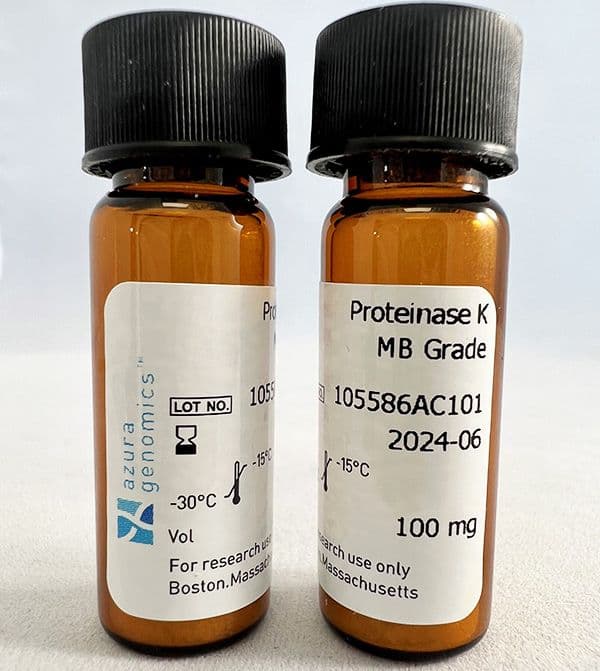
Proteinase K
List Price:
USD113.05 - USD751.45
Online Price:
USD80.75 - USD536.75
Your Price:
Proteinase K
List Price:
USD127.77
Online Price:
USD91.26
Your Price:
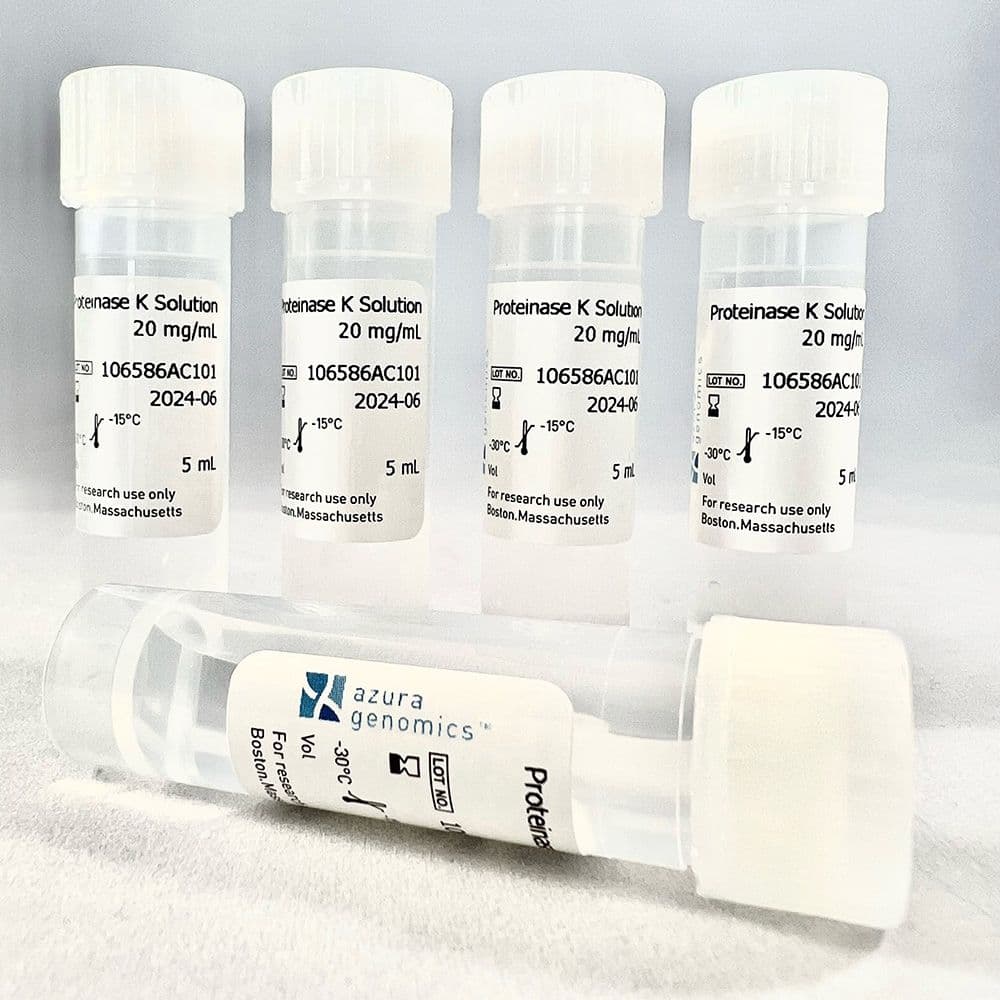
Proteinase K Solution
List Price:
USD166.25 - USD2,254.35
Online Price:
USD118.75 - USD1,610.25
Your Price:
TEV Protease
List Price:
USD46.79
Online Price:
USD33.42
Your Price:

Showing 1 to 5 of 5 results

What Are Proteases?


Proteases (also called proteinases or peptidases) catalyze the hydrolysis of peptide bonds in proteins and polypeptides. They are classified by their catalytic mechanism into serine proteases (Proteinase K, trypsin, chymotrypsin, subtilisin), cysteine proteases (papain, calpain), aspartic proteases (pepsin), metalloproteases (thermolysin, carboxypeptidase A), and threonine proteases. In research applications, proteases serve roles that span nucleic acid purification, proteomics sample preparation, cell culture maintenance, recombinant protein processing, and structural biology. Trypsin cleaves at the carboxyl side of lysine and arginine residues and generates peptides in the 500-3,000 Da mass range ideal for LC-MS/MS peptide identification. Select a protease based on substrate specificity (broad-spectrum vs. site-specific), compatibility with your lysis or reaction buffer, and the need for downstream inactivation.


What you will find:


  • Proteinase K: A robust serine protease (available in lyophilized or liquid formats) designed for rapid protein digestion and the inactivation of nucleases during sensitive nucleic acid isolation.

  • Aprotinin, A high-purity competitive inhibitor of serine proteases, is essential for preventing unwanted proteolytic activity during delicate protein purification and extraction steps.

  • Protease Inhibitor Cocktail, A pre-formulated, multi-component blend engineered to provide immediate, broad-range protection against a variety of endogenous proteases in cellular lysates.

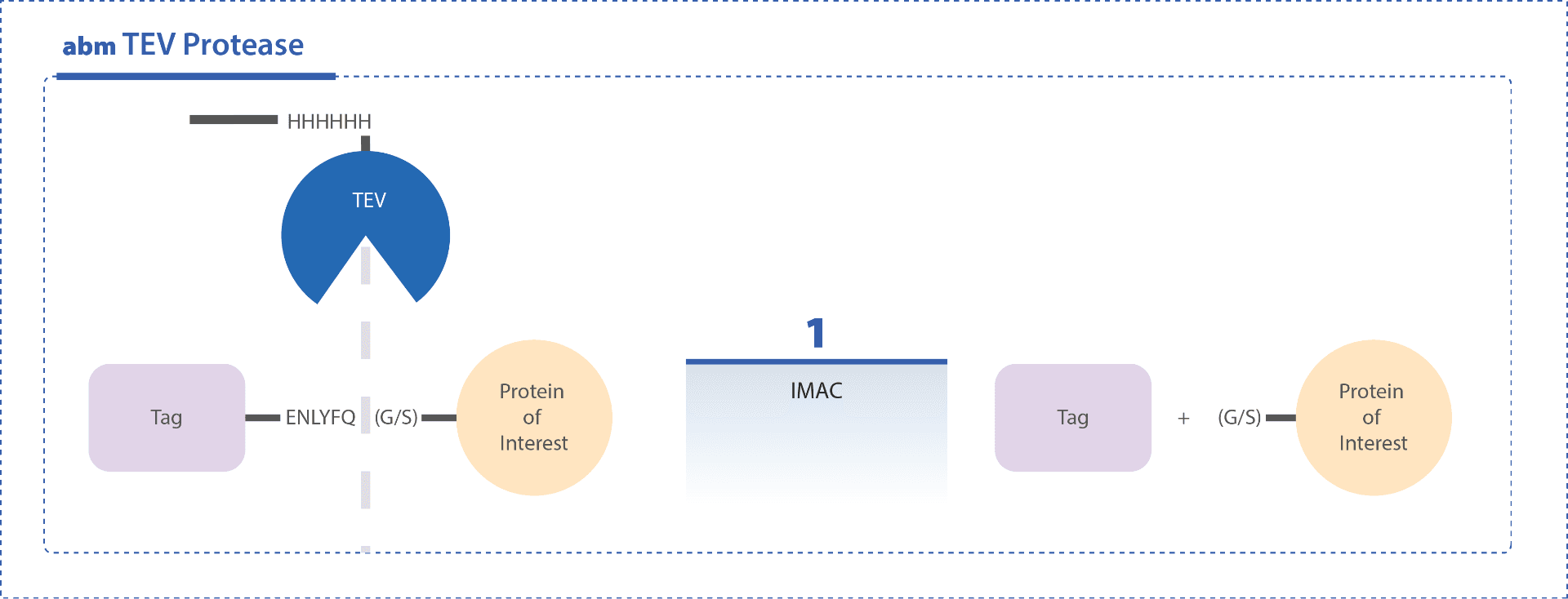
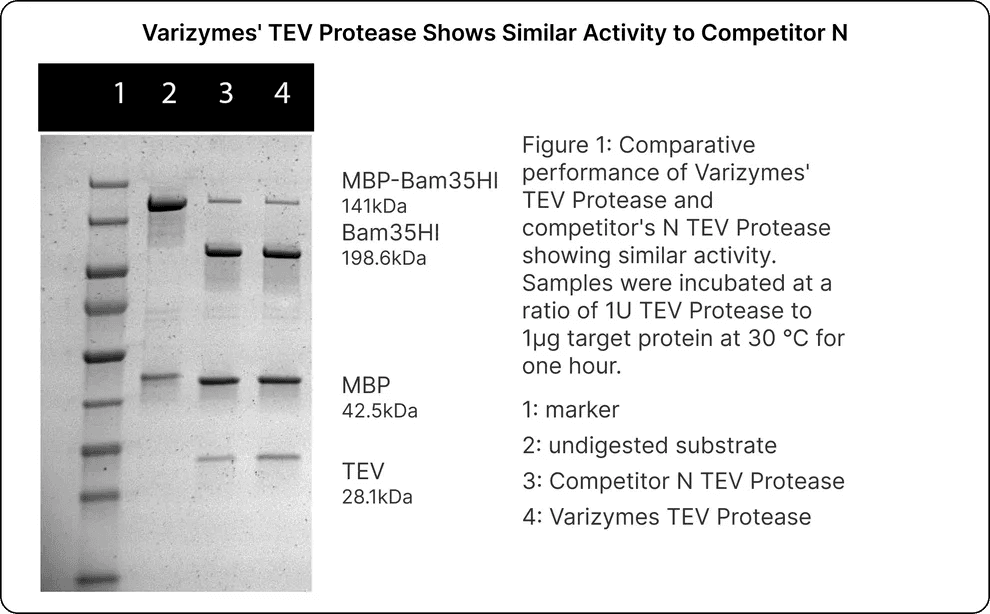
  • TEV Protease, A specialized endopeptidase with ultra-fine specificity, is utilized for the precise, site-directed cleavage of affinity tags from recombinant fusion proteins.


How to Choose Proteases


Nucleic acid purification

Proteinase K is the first choice for nucleic acid extraction because it is a broad-spectrum serine endopeptidase that digests nucleases (DNases, RNases), histones, and structural proteins in the presence of SDS, urea, EDTA, and most detergents. It is active from pH 4.0 to 12.5 with optimal activity at pH 8.0, and at temperatures from 20 to 60 degrees C. Inactivation at 95 degrees C for 5 minutes or by proteinase K inhibitors (PMSF) is required before downstream enzymatic steps.

Proteomics and mass spectrometry

Trypsin (sequencing grade) is the industry standard for bottom-up proteomics: it generates predictable lysine/arginine-terminated peptides of 6-25 amino acids, well-suited for LC-MS/MS analysis on Orbitrap and Q-TOF platforms. Chymotrypsin (cleaves after Phe, Tyr, Trp, Leu) and Glu-C/V8 protease (cleaves after Glu in phosphate buffer, or Glu+Asp in bicarbonate) are used for orthogonal digestions to improve protein sequence coverage. Lys-C protease (cleaves after Lys only) is stable in 8 M urea and is used for denatured or hard-to-digest proteins.

Cell culture dissociation

Trypsin at 0.25% (w/v) with 0.53 mM EDTA is the standard reagent for detaching adherent mammalian cells from culture surfaces. Recombinant trypsin formulations avoid the lot variability and animal-derived pathogen concerns of porcine pancreatic trypsin. Collagenase (types I, II, III, IV) is used for tissue dissociation, particularly for primary cell isolation from solid tissues, including liver, pancreas, breast, and adipose.

Recombinant protein processing

Site-specific proteases are used to remove N-terminal affinity tags (His6, GST, MBP) from purified recombinant proteins without leaving extra residues. Thrombin cleaves after Arg in the sequence LVPR/GS; Factor Xa cleaves after Arg in IE/DGR; TEV protease cleaves between Gln and Ser in ENLYFQ/S. TEV is the most commonly used because of its stringent 7-amino-acid recognition sequence, which minimizes off-target cleavage.

Buffer compatibility

Confirm protease compatibility with your lysis buffer before use. Proteinase K retains activity in 1% SDS, 4 M urea, 1% Triton X-100, and 10 mM EDTA. Trypsin is inhibited by EDTA (chelates the Ca2+ that stabilizes trypsin structure) and by soybean trypsin inhibitor (SBTI). Chymotrypsin is inhibited by PMSF (an irreversible serine protease inhibitor). Factor Xa is inhibited by benzamidine.


Specifications Context


Trypsin activity for proteomics is expressed in TAME units (N-alpha-p-tosyl-L-arginine methyl ester esterase units); 1 TAME unit hydrolyzes 1 micromol of TAME per minute at 25 degrees C, pH 8.1. Sequencing-grade trypsin is treated with TPCK (tosylphenylalanyl chloromethyl ketone) to irreversibly inactivate contaminating chymotrypsin activity, which would otherwise generate non-tryptic peptides that complicate database searches. Proteinase K activity is expressed as mAnson units per mL or mg, where 1 mAnson unit releases 1 micromol of tyrosine equivalents per minute from hemoglobin at pH 7.5 and 35.5 degrees C. Single-pot, solid-phase-enhanced sample preparation (SP3) using magnetic bead-bound proteases is increasingly adopted in proteomics to reduce sample loss and processing time for low-input samples. 


Secure your sample stability—contact the MBP team today to request a quote for our professional-grade proteases.

FAQ

The most commonly used research proteases are Proteinase K (broad-spectrum serine protease for nucleic acid extraction), trypsin (sequencing grade, for bottom-up proteomics LC-MS/MS), chymotrypsin (orthogonal proteomics digest), Lys-C (digestion in denaturing buffers), Glu-C/V8 protease (alternative cleavage specificity), TEV protease (site-specific affinity tag removal), and collagenase (tissue dissociation for primary cell isolation). Each is selected based on substrate specificity, buffer compatibility, and downstream application.
Proteinase K is a broad-spectrum serine endopeptidase from Tritirachium album that cleaves peptide bonds adjacent to aliphatic, aromatic, and basic amino acids, digesting nearly any protein under denaturing conditions (SDS, urea) or in lysis buffers. Trypsin is a highly specific serine protease that cleaves only at the carboxyl side of lysine and arginine residues, generating predictable peptides for mass spectrometry. Proteinase K is used in nucleic acid extraction to remove nucleases; trypsin is used in proteomics and cell culture.
Trypsin generates peptides with predictable cleavage after lysine and arginine residues, producing fragments in the 500-3,000 Da mass range that separate efficiently on reverse-phase LC columns and ionize well for MS/MS fragmentation. Lysine and arginine occur approximately every 10-15 amino acids on average in mammalian proteins, producing peptides of 8-20 residues -- ideal for sequence identification in UniProt/SwissProt databases. TPCK-treated sequencing-grade trypsin eliminates chymotrypsin contamination that would otherwise generate non-tryptic peptides complicating database search results.
Proteinase K is inactivated by heating to 95 degrees C for 5 minutes, by the serine protease inhibitor PMSF (phenylmethylsulfonyl fluoride) at 1-2 mM, or by removal using silica columns in standard nucleic acid extraction kits. In bead-based extraction workflows, the column wash and elution steps remove proteinase K before elution of nucleic acid. For applications requiring complete inactivation before downstream enzymatic steps (PCR, reverse transcription, restriction digestion), heat inactivation or column cleanup is preferred over PMSF, which requires fresh preparation and is moisture-sensitive.
TEV (Tobacco Etch Virus) protease is a site-specific cysteine protease that recognizes and cleaves the 7-amino-acid sequence ENLYFQ/S (between Gln and Ser/Gly), leaving no extra residues on the protein of interest when the TEV site is designed correctly. TEV is used to remove N-terminal affinity tags (His6, GST, MBP, SUMO) from purified recombinant proteins during downstream processing. Its stringent recognition sequence means off-target cleavage in mammalian proteins is extremely rare. TEV is active at 4-30 degrees C in the presence of DTT or TCEP as a reducing agent.
Collagenase is classified into Types I, II, III, and IV based on relative activities of the three component enzymes (collagenase, neutral protease/clostripain, and tryptic activity). Type I contains high collagenase and low tryptic activity, suitable for liver, lung, adipose, and adrenal tissue. Type II has high clostripain activity and is used for heart, bone, and muscle tissue dissociation. Type III has minimal tryptic activity, preferred for isolation of delicate cells such as hepatocytes and mammary epithelial cells. Type IV has low protease activity overall and is used for islet cells and pituitary tissue.
Sequencing-grade proteases are purified to remove contaminating protease activities that would generate non-specific cleavage products complicating mass spectrometry database searches. TPCK-treated trypsin eliminates chymotrypsin contamination; TLCK-treated chymotrypsin eliminates trypsin contamination. Sequencing-grade proteases are produced under strict QC conditions with defined specific activity, contaminating protease activity below a specified threshold (typically 1 mAnson unit per milligram for contaminating activities), and lot-to-lot consistency verified by peptide mapping.
Proteinase K and other proteases used in nucleic acid extraction workflows are available in DNase-free and RNase-free certified grades through MBP. Lot-specific certificates of analysis confirming absence of endonuclease, exonuclease, DNase, and RNase activities are available on request. This certification is essential when the protease will be used in the same reaction as RNA or DNA, or when downstream applications such as RT-PCR or NGS library preparation require uncompromised nucleic acid integrity. Contact MBP to request QC documentation for specific lots.
MBP supports bulk orders for Proteinase K, trypsin, and other research-grade proteases for high-throughput genomics cores, proteomics facilities, and institutional buyers. MBP is a registered vendor for Howard Hughes Medical Institute, Vanderbilt University, and MD Anderson Cancer Center, and accepts institutional purchase orders. Submit bulk inquiries via the Quick Order portal at mbpinc.net or contact MBP directly for volume pricing, shipping schedules, and custom packaging on high-use protease products.
We provide the highest quality of products and anytime customer service.
Featured Categories
    online payment
    online payment
    fast delivery
    fast delivery
    technical support
    technical support
    24/7 support
    24/7 support
    copy right
    2026 All Right Reserved