Nucleases for DNA and RNA Degradation in Research
Nucleases are enzymes that cleave phosphodiester bonds in nucleic acid molecules, degrading DNA (DNases) or RNA (RNases) in a sequence-specific, substrate-selective, or non-specific manner depending on the enzyme class - and are used for removing contaminating nucleic acids from protein and nucleic acid preparations, digesting DNA in RNA extraction, generating nicks in DNA for repair studies, and degrading the RNA template after cDNA synthesis.
MBP supplies DNases, RNases, exonucleases, and endonucleases from validated manufacturers, including ABM, with shipping across the United States, Canada, and internationally from a US base in Houston, Texas. Request a quote for nucleases for DNA and RNA degradation, cleanup, and molecular biology workflows by contacting customerservice@mbpinc.net.
Lytic Enzymes
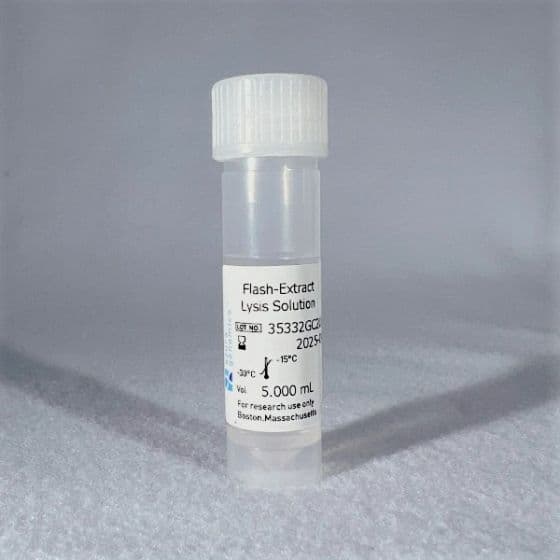
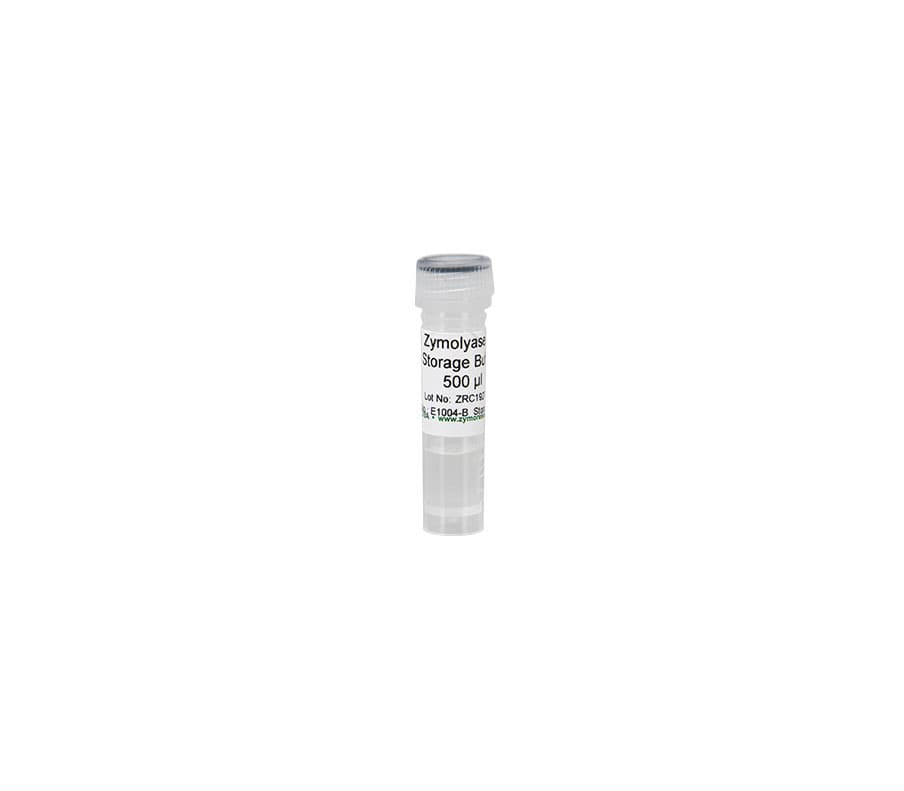
Showing 1 to 3 of 3 results
What Are Lytic Enzymes?
Lytic enzymes degrade the structural polysaccharide scaffolding of microbial cell walls, enabling cell disruption under mild conditions without mechanical force. Lysozyme (N-acetylmuramide glycanohydrolase) cleaves the beta-1,4 glycosidic bond between N-acetylmuramic acid and N-acetylglucosamine residues in bacterial peptidoglycan, lysing gram-positive bacteria efficiently and gram-negative bacteria when paired with EDTA to destabilize the outer membrane. Lyticase from Arthrobacter luteus hydrolyzes beta-1,3-glucan in yeast cell walls and is the standard reagent for generating spheroplasts from Saccharomyces cerevisiae and other yeast species. Lysostaphin is a glycyl-glycine endopeptidase that specifically cleaves the polyglycine cross-links in Staphylococcus aureus peptidoglycan. Mutanolysin cleaves beta-1,4 linkages in the alternating N-acetylmuramyl-N-acetylglucosamine backbone of gram-positive bacteria, complementing lysozyme for complete lysis of resistant species. Choose the lytic enzyme based on organism type (bacterial vs. yeast/fungal), Gram stain classification, and intended downstream workflow (DNA extraction, protein isolation, or transformation).
What you will find:
-
Zymolyase™ Ultra: An elite, high-activity enzyme optimized for rapid fungal cell wall digestion and maximum nucleic acid recovery.
-
Flash-Extract Lysis Solution: A streamlined reagent for immediate genomic DNA release from diverse samples, ideal for NGS integration.
-
Zymolyase™ w/ Storage Buffer: A stabilized formulation designed to maintain long-term enzymatic potency and consistent performance across all assays.
How to Choose Lytic Enzymes
Gram-positive vs. gram-negative bacteria
Lysozyme alone lyses most gram-positive bacteria efficiently at concentrations of 0.1-1 mg/mL in 10 mM Tris-HCl, pH 8.0, 1 mM EDTA at 37 degrees C for 30-60 minutes. Gram-negative bacteria require EDTA (typically 10-50 mM) to chelate divalent cations and disrupt the outer membrane before lysozyme can access the peptidoglycan. Species with thick, atypical cell walls, such as Micrococcus, Staphylococcus, and Streptococcus, may respond better to lysostaphin, mutanolysin, or mechanical disruption combined with enzymatic lysis.
Yeast and fungal lysis
Lyticase (minimum 2,000 U/mg protein) is the reagent of choice for yeast spheroplast generation and DNA/RNA extraction from Saccharomyces, Candida, Pichia, Kluyveromyces, and related species. A typical protocol uses 10-100 U of lyticase per OD600 unit of yeast cells in 1 M sorbitol buffer at 30 degrees C for 30-60 minutes. Kitalase (from Rhizoctonia solani) combines beta-1,3-glucanase with protease, pectinase, and amylase activity, providing broader lytic activity for resistant fungal species.
DNA purity requirements
For microbiome research and 16S/18S rDNA amplification, lytic enzymes must be certified free of contaminating DNA. Lyticase lots used in microbiome studies are QC-tested by 35-cycle PCR amplification of 16S and 18S rDNA using universal primer sets; confirm this certification with each lot before use in amplicon sequencing workflows.
Downstream compatibility
Most lytic enzymes are inactivated by subsequent SDS treatment or heating to 95 degrees C for 5 minutes, making them compatible with standard nucleic acid extraction kits. Lyticase requires removal before silica column binding; heat inactivation at 70 degrees C for 10 minutes or proteinase K digestion at 55 degrees C for 30 minutes accomplishes this. Confirm inactivation conditions in the manufacturer's protocol before proceeding.
Specifications Context
Lysozyme activity is measured in units per milligram of protein, where 1 unit is defined as the decrease in absorbance of 0.001 per minute at 450 nm when Micrococcus lysodeikticus cells are used as substrate at pH 6.24 and 25 degrees C. Lyticase activity is expressed as units per milligram protein; 1 unit releases 1 nmol of glucose from yeast cell walls per minute at 30 degrees C. Lysozyme is stable for 12 months at 4 degrees C as a lyophilized powder and should be dissolved in 10 mM sodium acetate, pH 4.5-5.0, for storage in solution. Lytic enzyme combinations with mechanical disruption (bead beating) are standard for complete lysis of difficult samples, including Mycobacterium, spore-forming bacteria, and thick-walled fungi in clinical and microbiome research workflows. For downstream removal of protein from lysates, see proteases, including Proteinase K, for nucleic acid cleanup.
Streamline your path to discovery—contact the MBP team today to secure a quote for our advanced lytic reagents.
FAQ