Nucleases for DNA and RNA Degradation in Research
Nucleases are enzymes that cleave phosphodiester bonds in nucleic acid molecules, degrading DNA (DNases) or RNA (RNases) in a sequence-specific, substrate-selective, or non-specific manner depending on the enzyme class - and are used for removing contaminating nucleic acids from protein and nucleic acid preparations, digesting DNA in RNA extraction, generating nicks in DNA for repair studies, and degrading the RNA template after cDNA synthesis.
MBP supplies DNases, RNases, exonucleases, and endonucleases from validated manufacturers, including ABM, with shipping across the United States, Canada, and internationally from a US base in Houston, Texas. Request a quote for nucleases for DNA and RNA degradation, cleanup, and molecular biology workflows by contacting customerservice@mbpinc.net.
Nucleases

Showing 1 to 12 of 13 results
What Are Nucleases?
Nucleases are enzymes that cleave phosphodiester bonds between nucleotide subunits in nucleic acids. Deoxyribonucleases (DNases) act on DNA; ribonucleases (RNases) act on RNA; and some nucleases (S1 Nuclease, Mung Bean Nuclease) act on both single-stranded DNA and RNA. Nucleases are further divided into endonucleases, which cleave internal phosphodiester bonds, and exonucleases, which progressively remove nucleotides from the 5' or 3' terminus of a strand. Major research nucleases include DNase I (non-specific endonuclease for both ss- and ds-DNA), RNase A (cleaves single-stranded RNA at pyrimidine residues), RNase H (degrades the RNA strand of RNA: DNA hybrids), Exonuclease III (removes nucleotides from 3'-recessed or blunt ends of duplex DNA), S1 Nuclease (degrades single-stranded DNA or RNA), and RNase R (degrades linear RNA but not circular RNA). Match the nuclease to the substrate type (single-stranded vs. double-stranded, DNA vs. RNA), the directionality required (endo vs. exo), and cofactor compatibility with your reaction buffer.
What you will find:
-
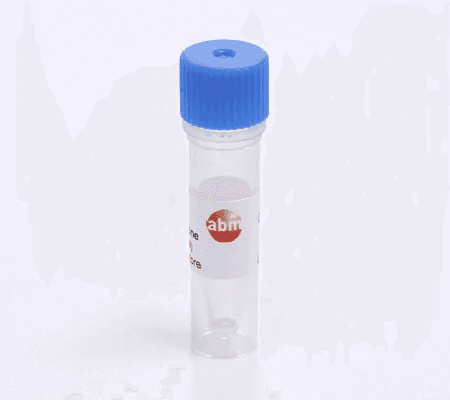
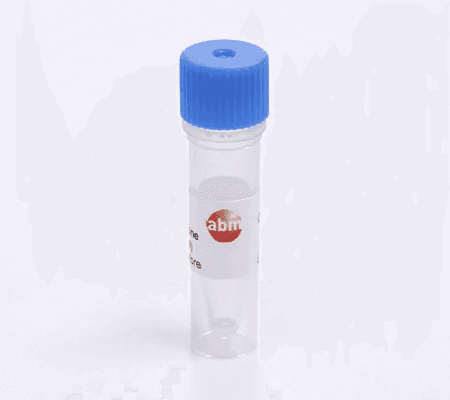
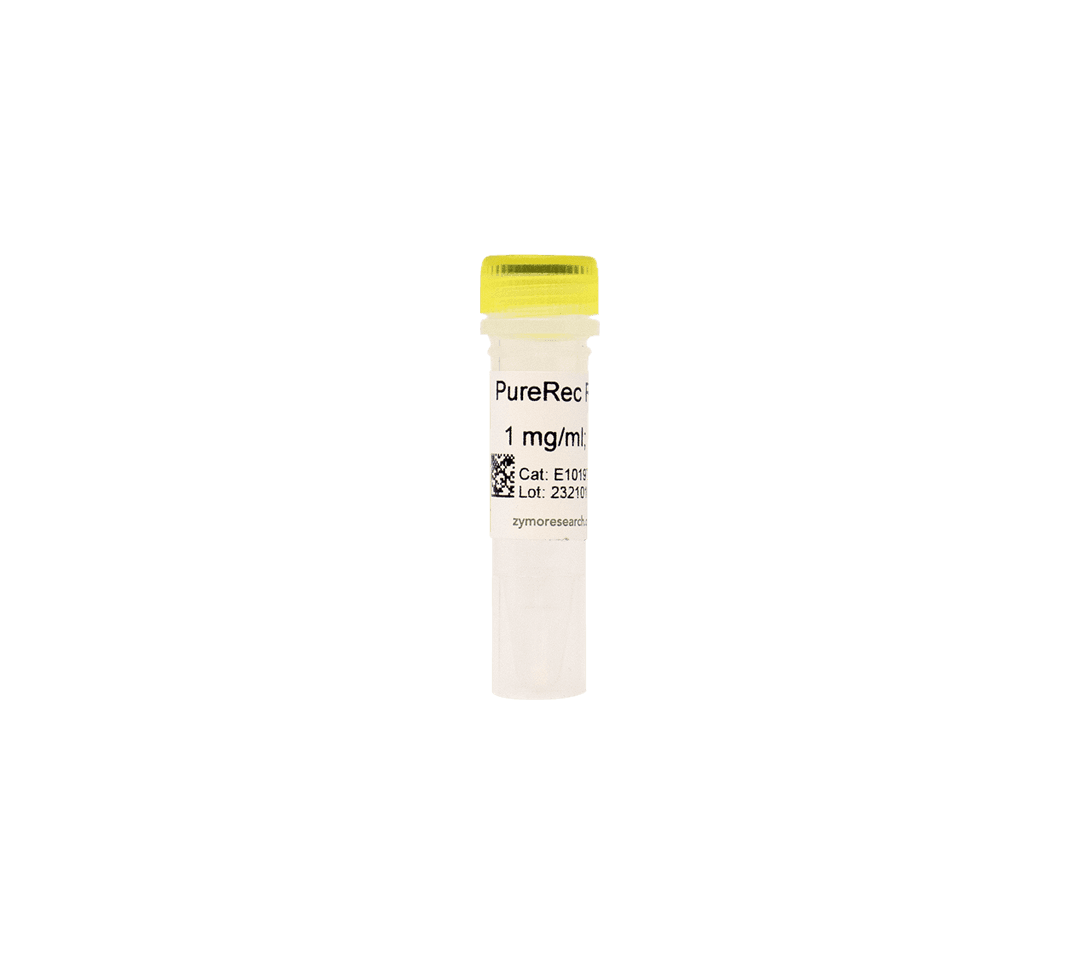
PureRec RNase A (Recombinant): A ribonuclease free of animal-derived components, designed for the swift elimination of RNA from DNA samples, ensuring no threat of viral contamination.
-
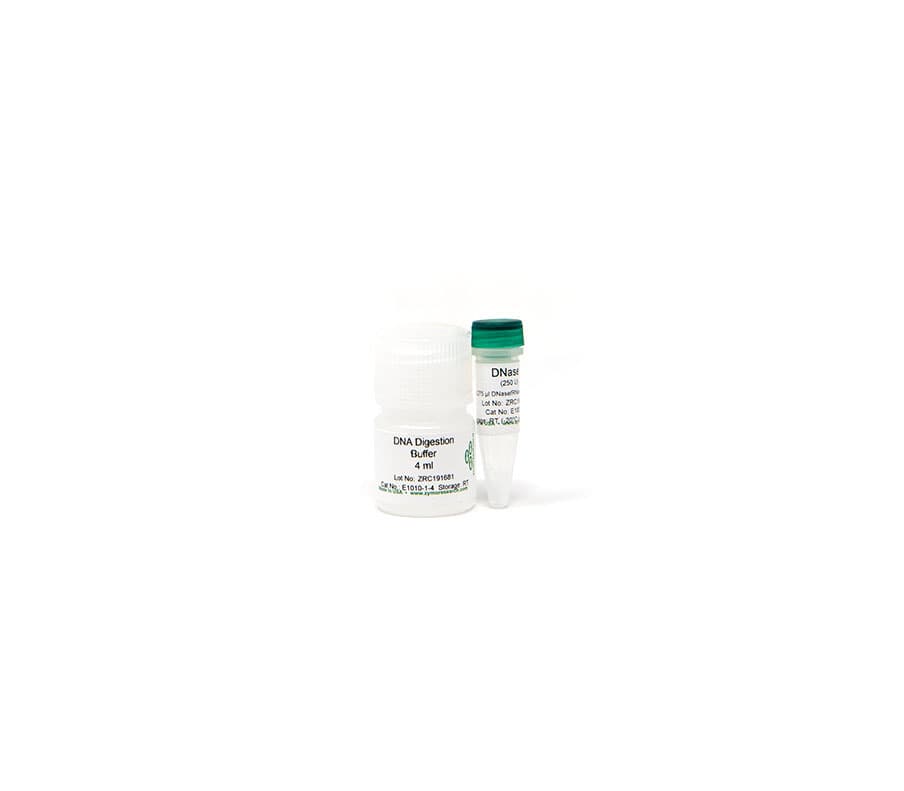
DNase I Set (RNase-free): A highly effective endonuclease formulated for complete DNA digestion in delicate RNA applications while preserving the integrity of the transcript.
-
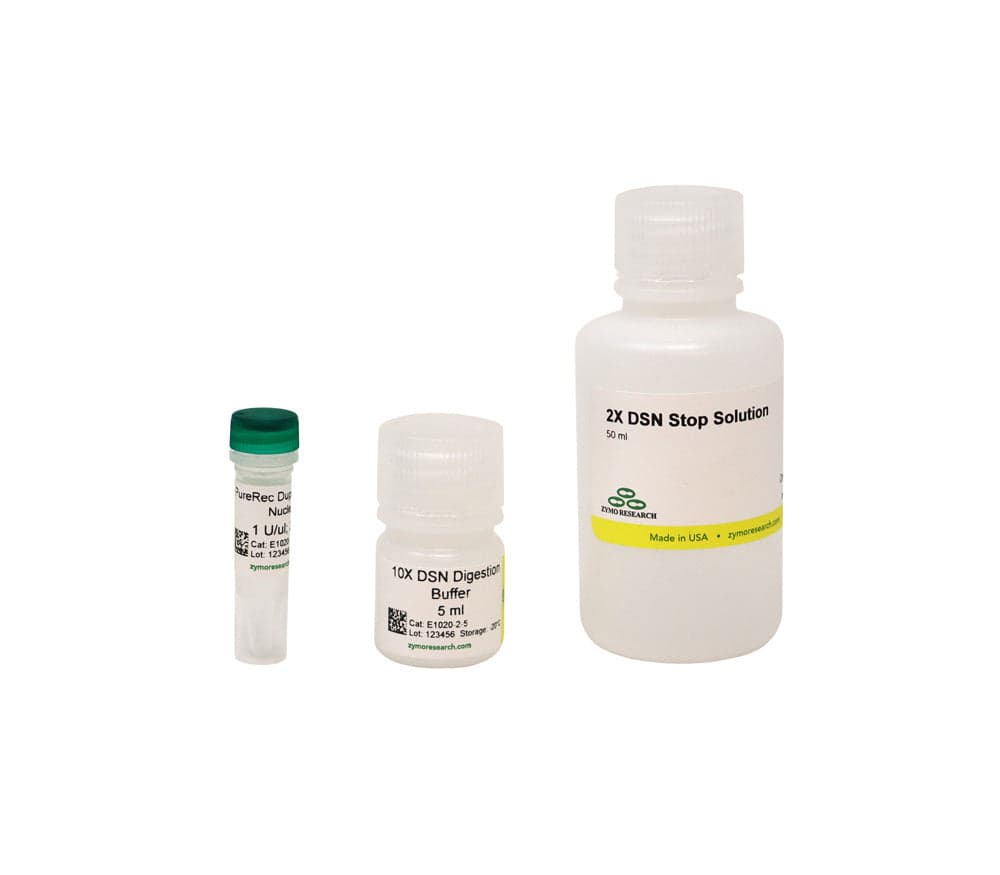
PureRec Duplex-Specific Nuclease (DSN): A unique enzyme designed to equalize high-abundance transcripts, greatly enhancing the identification of rare variants in cDNA libraries.
-
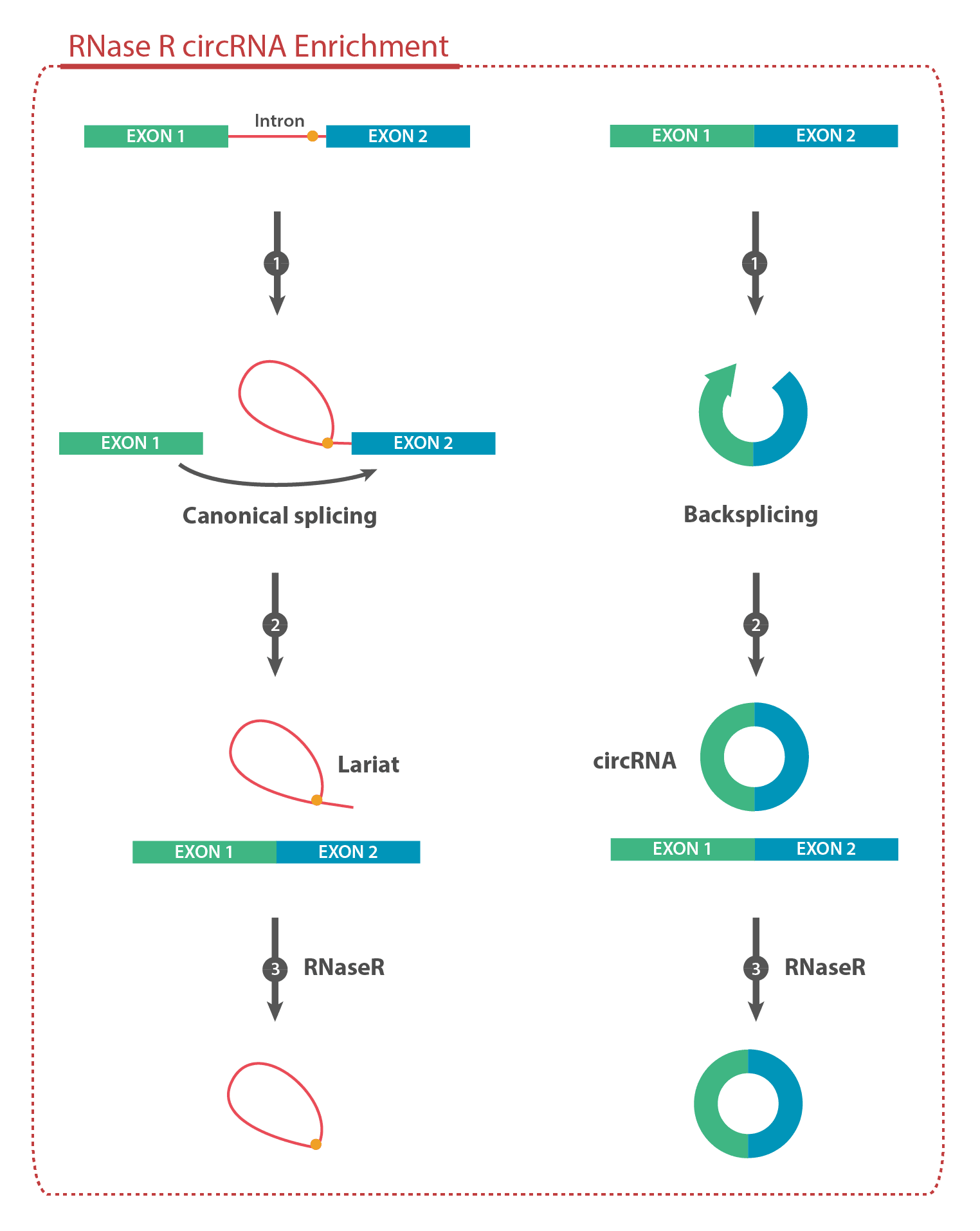
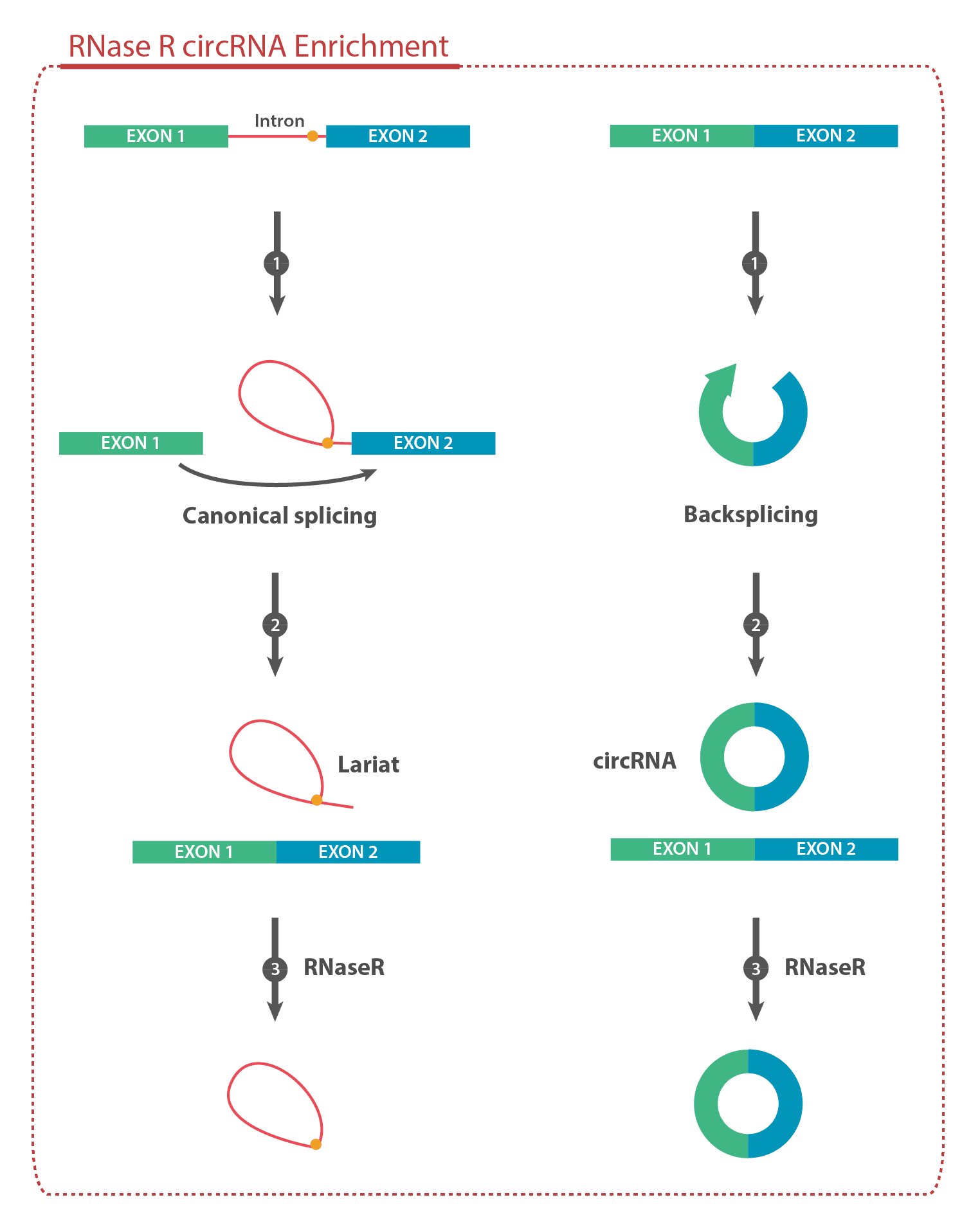
RNase R: A distinctive 3'-to-5' exoribonuclease that breaks down linear RNA but preserves circular RNA forms, crucial for the identification of circRNA.
-
RNaseOFF Inhibitor: A strong protein-based barrier that counteracts a wide range of RNases, maintaining the delicate transcriptional environment of your samples.
How to Choose Nucleases
DNase selection
DNase I (bovine pancreatic, recombinant) non-specifically cleaves both single- and double-stranded DNA in the presence of Mg2+ (random cleavage) or Mn2+ (double-strand cuts at approximately the same position on both strands). Use RNase-free DNase I for RNA preparations to remove genomic DNA contamination. Use Plasmid-Safe ATP-Dependent DNase to selectively degrade linear double-stranded DNA while preserving supercoiled and relaxed circular plasmid DNA. Baseline-ZERO DNase is optimized for the complete removal of trace DNA without damaging RNA.
RNase selection
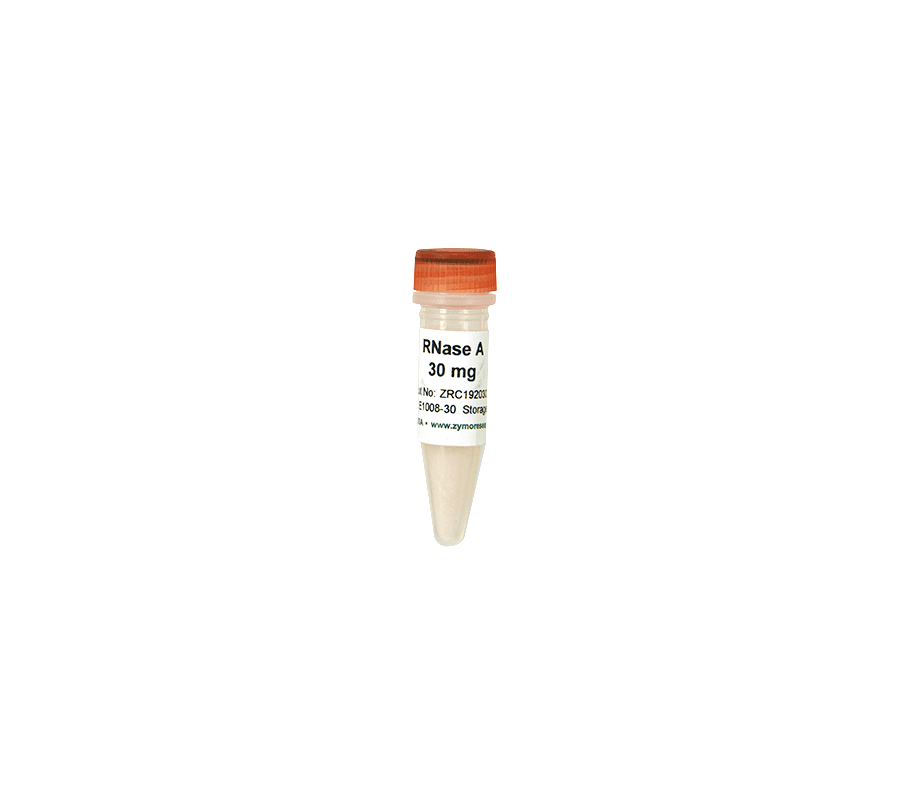
RNase A cleaves single-stranded RNA at pyrimidine (C and U) residues to produce 3'-pyrimidine nucleotides; it is used to remove RNA from DNA preps, to perform RNase protection assays, and to analyze RNA secondary structure. RNase H degrades the RNA strand of RNA: DNA duplexes and is used after first-strand cDNA synthesis to remove the mRNA template. RNase R (3'->5' exoribonuclease) degrades all linear RNA without affecting circular RNA, and is used in circular RNA enrichment workflows and to characterize circular RNA splice junctions. Terminator 5'-Phosphate-Dependent Exonuclease (Terminator) digests linear RNA with a 5'-monophosphate, enriching for capped mRNA or circular RNA.
Exonuclease selection
Exonuclease III (Exo III) removes nucleotides from the 3' terminus of duplex DNA and generates single-stranded regions used in unidirectional nested deletions, mapping regulatory elements, and generating single-stranded templates for sequencing. Exonuclease I (Exo I) digests single-stranded DNA in the 3'->5' direction and is used after PCR to remove unincorporated primers before Sanger sequencing. Lambda Exonuclease removes nucleotides from 5'-phosphorylated duplex DNA in the 5'->3' direction and is used in isothermal amplification and strand displacement workflows.
Cofactor and inhibitor sensitivity
DNase I requires Mg2+ or Ca2+ for activity and is completely inhibited by EDTA at a 5 mM concentration. RNase A is active across a wide pH range (optimum 7.0-7.5) and is exceptionally stable; inactivation requires proteinase K digestion, phenol-chloroform extraction, or RNase inhibitor protein. RNase H requires Mg2+; RNase R requires Mg2+ and is most active between 37-50 degrees C.
Purity and application grade
For RNA-focused applications, all nucleases used on DNA substrates must be certified RNase-free. For DNA-focused work, DNase-free grades of RNases are required. Confirm lot-specific QC contamination data from the manufacturer before use in sensitive workflows.
Specifications Context
DNase I activity is expressed in Kunitz units: 1 unit increases A260 by 0.001 per minute per mL during DNA hydrolysis at pH 5.0. RNase A activity is expressed as the amount of enzyme hydrolyzing 50% of an RNA substrate under defined conditions; it remains active at a wide range of temperatures and is notoriously difficult to inactivate (requires boiling in SDS, proteinase K digestion, or phenol-chloroform extraction). RNase R from E. coli degrades linear RNA processively in the 3'->5' direction and is used at 2-10 U per microgram of total RNA to enrich for circular RNA species. RNase R treatment before library construction is the standard method for circular RNA sequencing (circRNA-seq) workflows on both short-read and long-read platforms. For protecting RNA from RNase contamination during nuclease-adjacent workflows, see RNase inhibitors in the parent Enzymes and Inhibitors category.
Safeguard your molecular images—reach out to the MBP team now to obtain a quote for our sophisticated nucleases and inhibitors.
FAQ