RNA-Modifying Enzymes for mRNA Synthesis and Analysis
RNA-modifying enzymes are proteins that alter the structure, termini, or modification status of RNA molecules without amplifying them, including poly(A) polymerases that add 3' adenosine tails, RNA ligases that join RNA fragments, capping enzymes that protect 5' termini, and RNA methyltransferases used in epitranscriptomics research and are used in in vitro transcription (IVT), mRNA vaccine manufacturing, sequencing library preparation, and m6A modification studies.
MBP supplies RNA-modifying enzymes from validated manufacturers, including ABM, with US order processing from Houston, Texas, and shipping across North America and internationally. Request a quote by contacting customerservice@mbpinc.net.
RNA-modifying enzymes
Showing 1 to 3 of 3 results
What Are RNA-Modifying Enzymes?
RNA-modifying enzymes act on RNA substrates to add, remove, or chemically alter nucleotides and terminal structures. Key enzymes in this category include poly(A) polymerase (PAP), which adds untemplated adenosine residues to RNA 3' ends; T4 RNA Ligase 1, which joins single-stranded RNA; T4 RNA Ligase 2, which joins nicked duplex RNA; vaccinia virus capping enzyme (VCE), which adds a 7-methylguanosine cap to the 5' end of mRNA; 2'-O-methyltransferase, which modifies the cap to generate a Cap 1 structure; and RNA methyltransferases such as METTL3/METTL14 complex used in m6A epitranscriptomics research. These enzymes are foundational tools in the fast-growing field of mRNA-based therapeutics and diagnostics, as well as long-read sequencing library construction. Select RNA-modifying enzymes based on RNA substrate type (single-stranded, duplex, capped), required end structure, and downstream application (therapeutic vs. research grade).
What you will find:
-
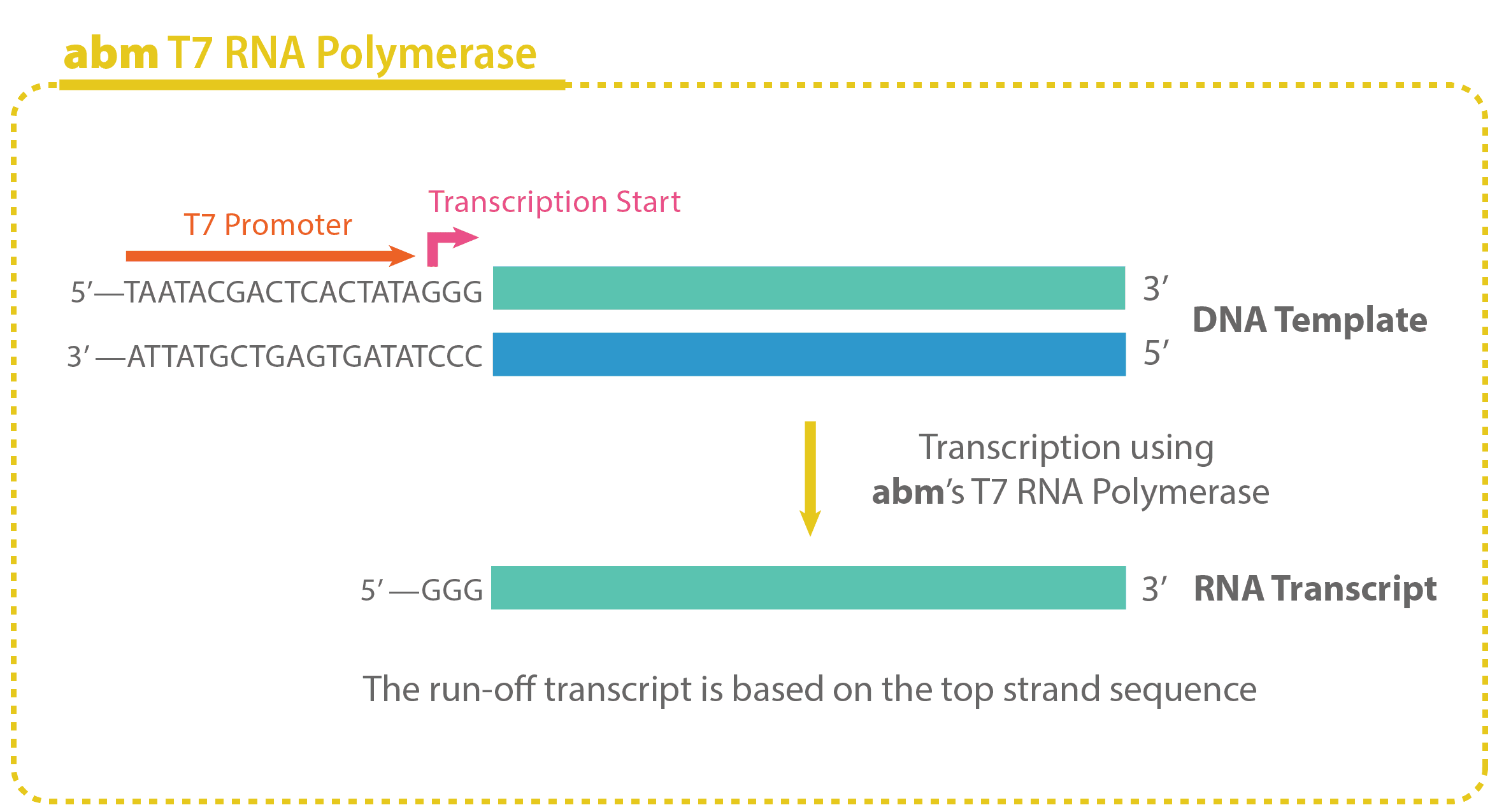
T7 RNA Polymerase: The rapid powerhouse of in vitro transcription, ideal for producing large quantities of RNA from DNA templates for probes or functional mRNA research.
-
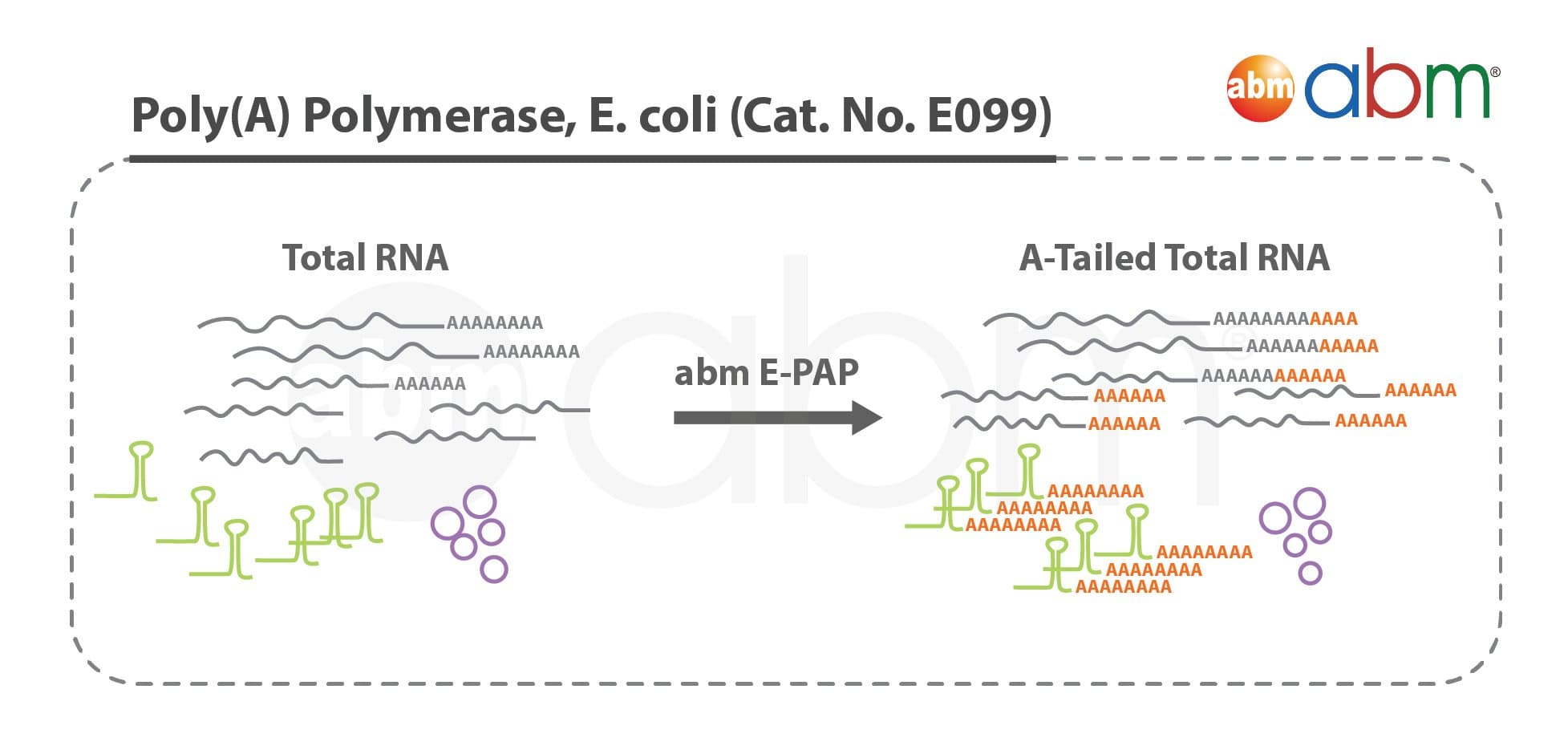
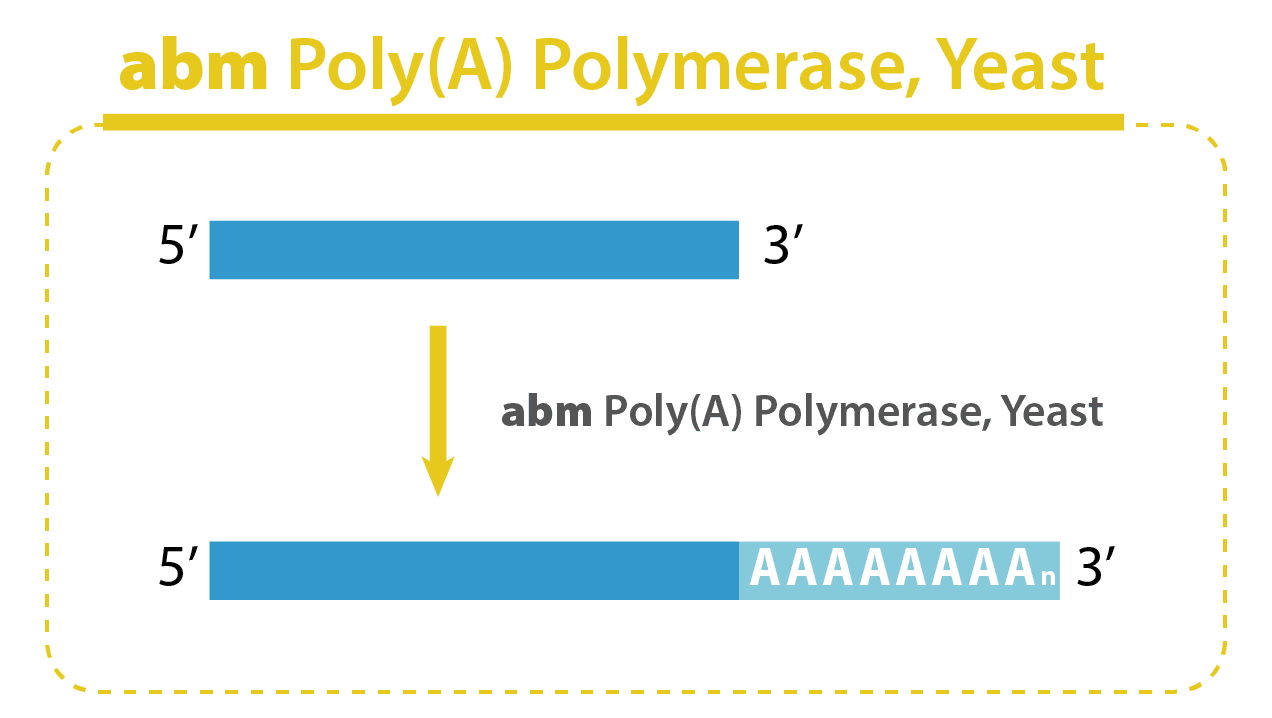
Poly(A) Polymerase (Yeast & E. coli): The definitive stabilizing agent, attaching adenosine tails to the 3' terminus of transcripts to enhance their longevity and translation efficacy—a crucial element for precise library preparation.
How to Choose RNA-Modifying Enzymes
Poly(A) tailing vs. RNA ligation.
Poly(A) polymerase is used when a 3'-poly(A) tail is needed for mRNA stabilization, translation enhancement, or as a primer binding site for oligo(dT)-based cDNA synthesis. T4 RNA Ligase 1 (single-strand-specific) is used for adaptor ligation to RNA 3' ends in small RNA sequencing library preparation. T4 RNA Ligase 2 truncated version (paired with a splint oligonucleotide) gives higher efficiency adaptor ligation with less secondary structure bias.
mRNA capping
5'-cap structures protect mRNA from exonucleolytic degradation and are recognized by eIF4E for ribosome recruitment. Vaccinia Capping Enzyme adds a Cap 0 structure; co-treatment with 2'-O-methyltransferase (mRNA Cap 2'-O-Methyltransferase) converts Cap 0 to Cap 1, which reduces innate immune recognition -- critical for therapeutic mRNA applications. Co-transcriptional capping with CleanCap analogs avoids the separate capping step.
Epitranscriptomics
m6A RNA methyltransferases (METTL3, METTL14, WTAP complex) and demethylases (FTO, ALKBH5) are used to add or remove N6-methyladenosine modifications in cellular RNA for functional studies. These enzymes require S-adenosylmethionine (SAM) as a methyl donor and are supplied at a microgram scale for biochemical assays.
RNase inhibitor pairing
All RNA-modifying enzyme reactions require an RNase-free environment. Include RNase inhibitor protein at 0.5-2 U per microliter in reactions without heat-inactivation capability. Use DEPC-treated water and certified RNase-free tubes and tips for all RNA work.
Application scale
Research-grade RNA-modifying enzymes are available in standard unit sizes for individual experiments. For manufacturing-adjacent workflows (large-scale IVT for mRNA vaccines or CAR-T cell therapy applications), contact MBP for volume pricing and GMP-compatible sourcing options.
Specifications Context
Poly(A) polymerase activity is measured as the amount of enzyme incorporating 1 nmol of AMP into acid-precipitable RNA in 30 minutes at 37 degrees C. Typical poly(A) tail lengths of 100-250 nucleotides are generated in 10-20 minute reactions at 37 degrees C with 1 mM ATP and 2-5 U of enzyme per microgram of RNA. Vaccinia Capping Enzyme reaction efficiency exceeds 95% for IVT transcripts of 500-5000 nt when used at recommended ratios; verify by LC-MS or HPLC analysis for therapeutic applications. Co-transcriptional Cap 1 capping using modified trinucleotide cap analogs is increasingly adopted in mRNA manufacturing to eliminate separate enzymatic capping steps.
Prepared to customize your transcripts? Contact the MBP team today for a personalized quote on our RNA-modifying tools.
FAQ