Total RNA Isolation Kits for Cells, Tissue, and Bacteria
Total RNA isolation kits purify the complete RNA pool from biological samples—including mRNA, rRNA, tRNA, and small non-coding RNAs ≥17 nt—from inputs as small as 5 mg tissue or 1×10⁵ cells. Most kits deliver up to 100 µg of DNA-free, RNase-inhibitor-free total RNA per preparation using phenol-free silica column chemistry.
MBP supplies Zymo Research and MagBio Genomics total RNA kits to labs across America and Canada, with direct specialist support for sample-type protocol selection. Request a quote today by contacting customerservice@mbpinc.net
Total RNA
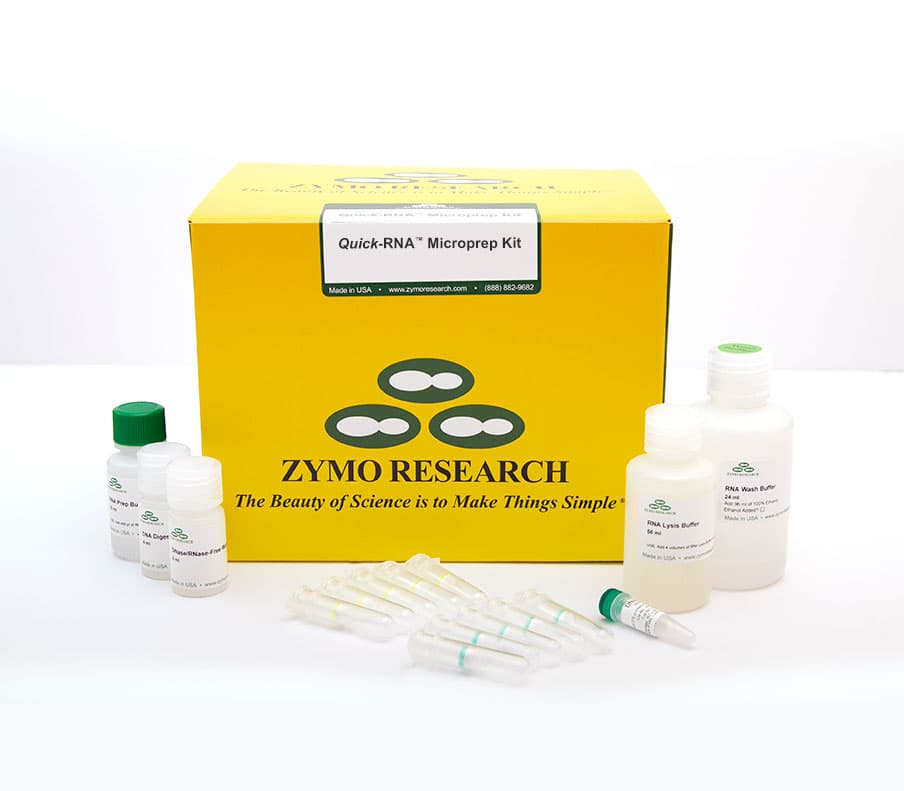

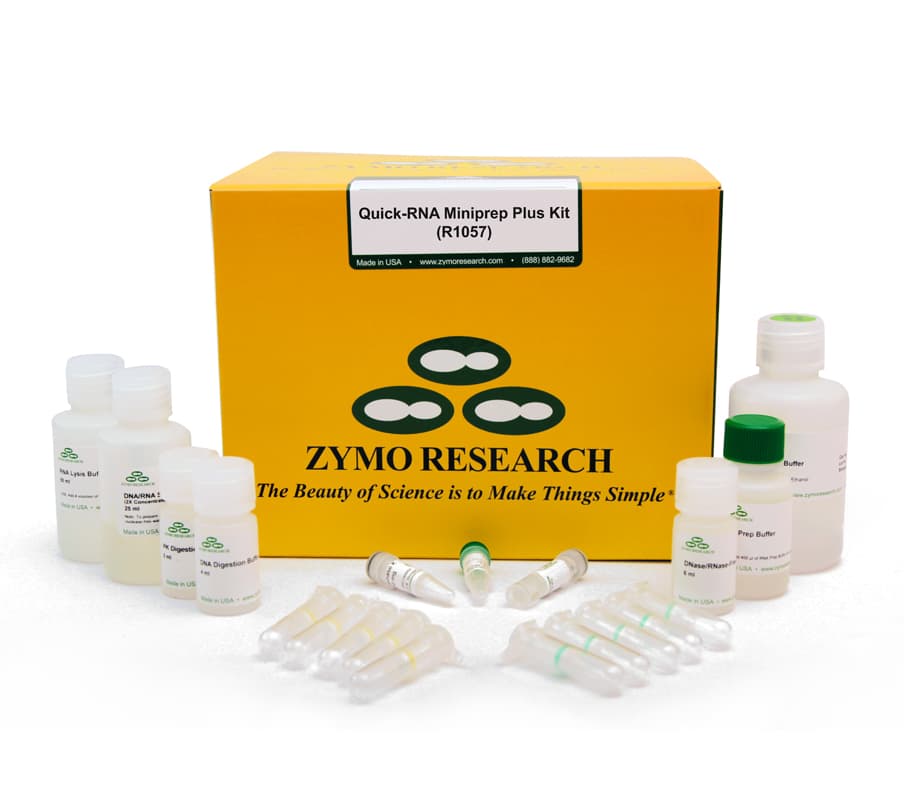

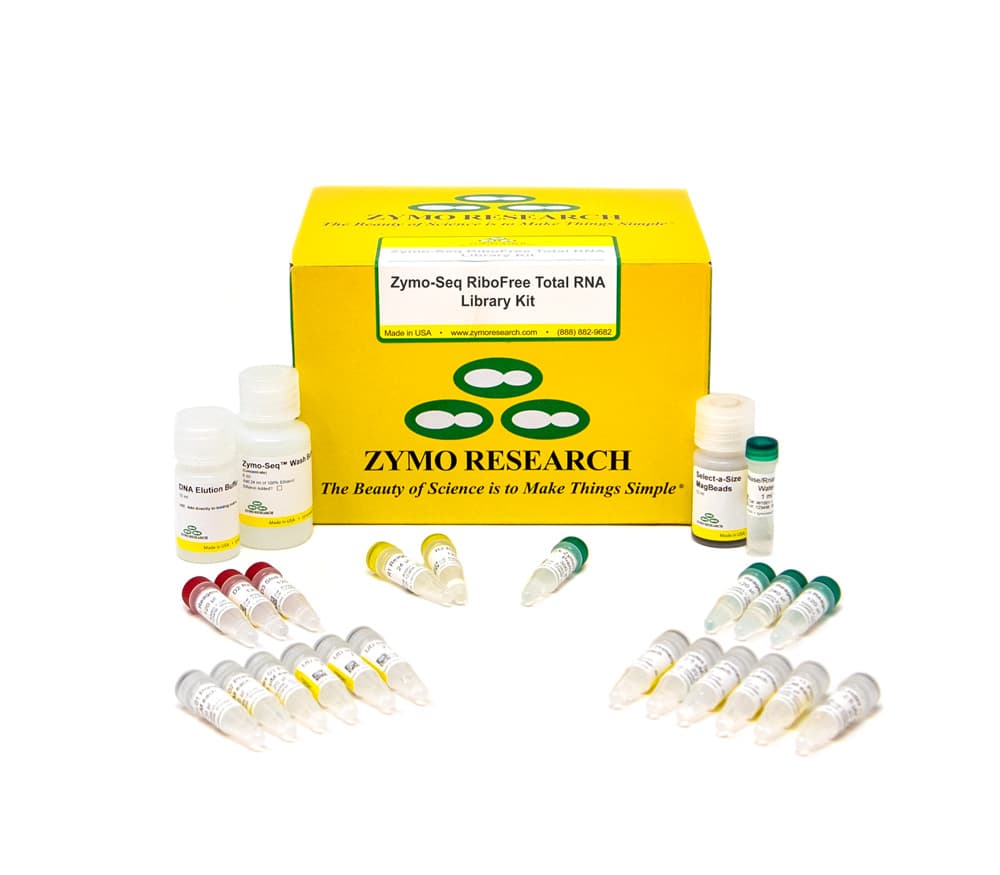
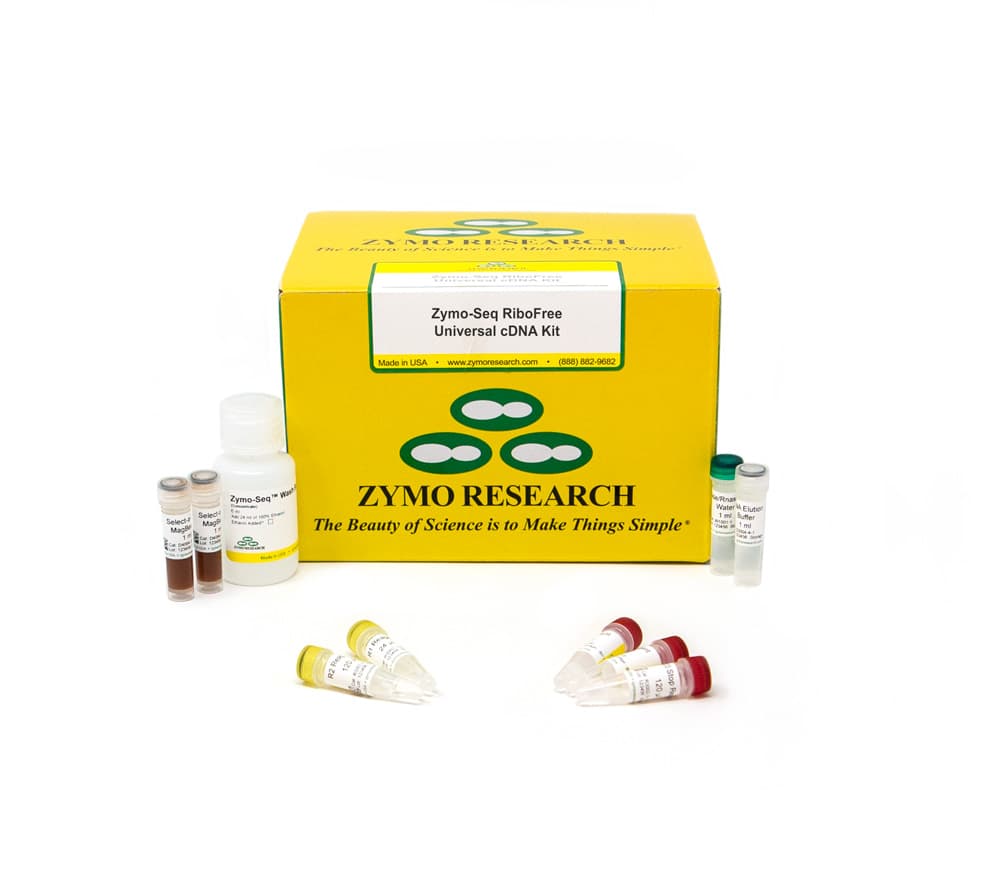
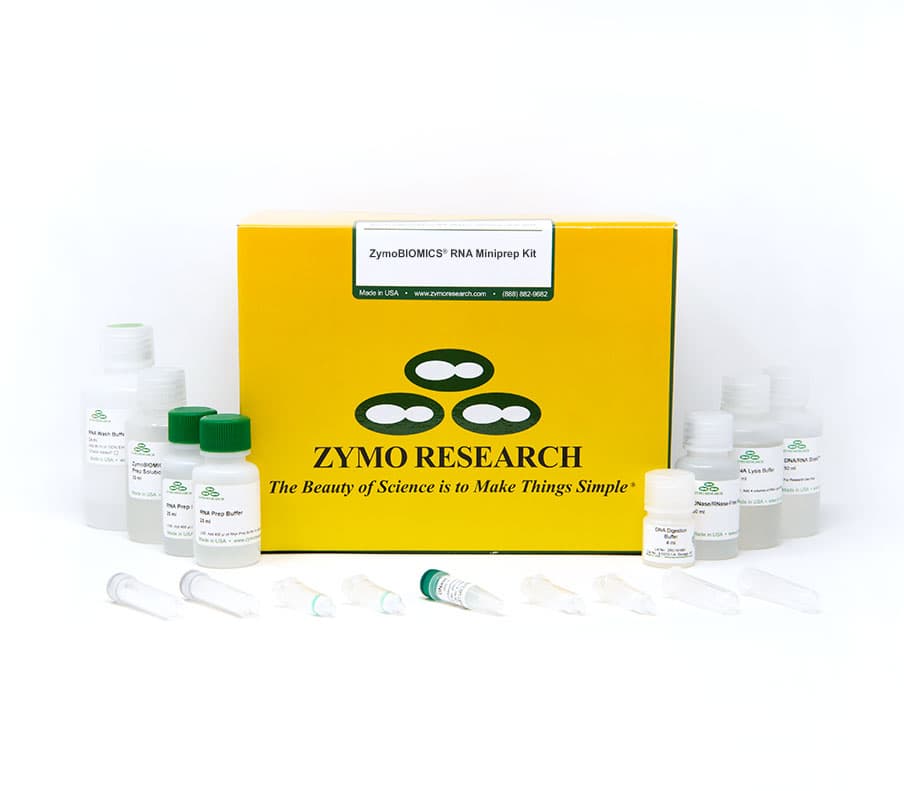
Showing 13 to 19 of 19 results
What Are Total RNA Isolation Kits?
Total RNA isolation kits are complete reagent systems that capture all RNA species present in a biological sample - including messenger RNA (mRNA), ribosomal RNA (rRNA), transfer RNA (tRNA), long non-coding RNA (lncRNA), and small non-coding RNAs including microRNA (miRNA >=17 nt) - in a single purification pass. This distinguishes them from mRNA-only kits (which use oligo-dT capture to select polyadenylated transcripts) and from small RNA kits (which use size fractionation to enrich miRNA and siRNA). Standard mini-format kits process samples of 5-100 mg tissue or 1x10^4-1x10^7 cells and yield 1-100 ug of total RNA with A260/A280 ratios of 1.8-2.1 and RIN scores >=8 from fresh or properly snap-frozen material. Total RNA kits are the correct choice for any workflow where the complete transcriptome is needed - RNA-seq, whole-transcriptome microarray, or small RNA co-profiling - rather than a specific RNA fraction.
What you will find:
-
Spin-column: for rapid, centrifugal transcript purification utilizing advanced silica membranes
-
96-well plate: for parallel and high-throughput isolation of cellular RNA
-
Mag Beads: for flexible and automated transcript recovery using superparamagnetic particles
How to Choose Total RNA Isolation Kits
Sample Type and Lysis Method
Cultured cells and soft tissues (liver, brain, kidney) lyse efficiently in standard guanidinium isothiocyanate (GITC) or proprietary lysis buffers; no additional disruption is required. Fibrous tissues (skeletal muscle, heart, cartilage, plant material) require mechanical disruption via bead mill homogenizer (e.g., TissueLyser, BeadBug) or rotor-stator before the lysis buffer contacts the sample. Bacteria and yeast require specialized lysis conditions including enzymatic cell-wall digestion or bead beating at higher intensity. FFPE tissue sections need deparaffinization with xylene or substitute and extended proteinase K digestion; select kits explicitly validated for FFPE.
Small RNA Co-Purification
Total RNA kits differ in their ability to retain small RNA species (17-200 nt). Kits with a unique binding buffer chemistry - such as Zymo Research Quick-RNA kits - capture miRNA alongside large RNA in the same column pass. Conventional silica-column kits with high-ethanol wash steps often wash away RNA species under 200 nt. If your experiment requires miRNA detection (RT-qPCR for specific miRNAs, or small RNA sequencing), confirm the kit's small RNA retention profile before ordering.
DNase Digestion
On-column DNase I digestion is included with most total RNA kits and removes genomic DNA contamination during the wash stage. If the kit does not include DNase, a separate in-solution DNase I treatment (15-30 min at 37C) must follow elution for gene expression applications where gDNA amplification would interfere. Include on-column DNase kits for RT-qPCR and RNA-seq; the treatment adds fewer than 15 minutes to the protocol.
Binding Capacity and Sample Scale
Mini-format kits bind up to 100 ug total RNA and are adequate for most cell and tissue inputs. Midi or maxi kits are available for large tissue samples (>100 mg). For micro-scale inputs (single cells, laser-capture microdissection sections, needle biopsies), use micro-format kits with 10-30 uL elution volumes to maximize concentration.
Specifications Context
Total RNA integrity is expressed as RIN (RNA integrity number, 1-10 scale; measured on Agilent Bioanalyzer 2100 or 4150 TapeStation). RNA-seq and microarray applications typically require RIN >=7; single-cell or FFPE workflows often proceed with RIN 3-6 using short-amplicon RT-qPCR assays. Purity thresholds: A260/A280 1.8-2.1; A260/A230 >1.8. Zymo Research Quick-RNA kits are among the most frequently cited total RNA isolation kits in published molecular biology methods.
MBP's specialist team can help match kit chemistry, format, and throughput to your sample type and downstream application. Contact the MBP team for personalized guidance.
FAQ