DNA/RNA Co-Extraction Kits for Simultaneous Isolation
DNA/RNA co-extraction kits simultaneously isolate genomic DNA and total RNA from the same sample—cells, tissue, blood, FFPE sections, bacteria, insects, plant material, plasma, swabs, and environmental samples—in a single lysis workflow that delivers separate DNA and RNA fractions. Co-extraction conserves precious sample and ensures both analytes reflect the same cellular population, eliminating the heterogeneity introduced by tissue-splitting.
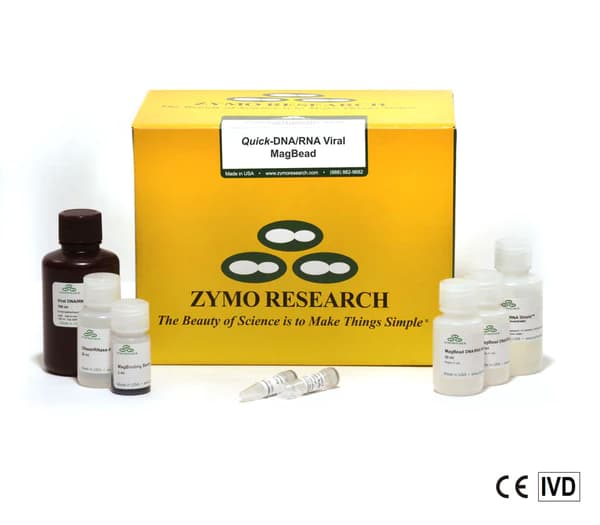
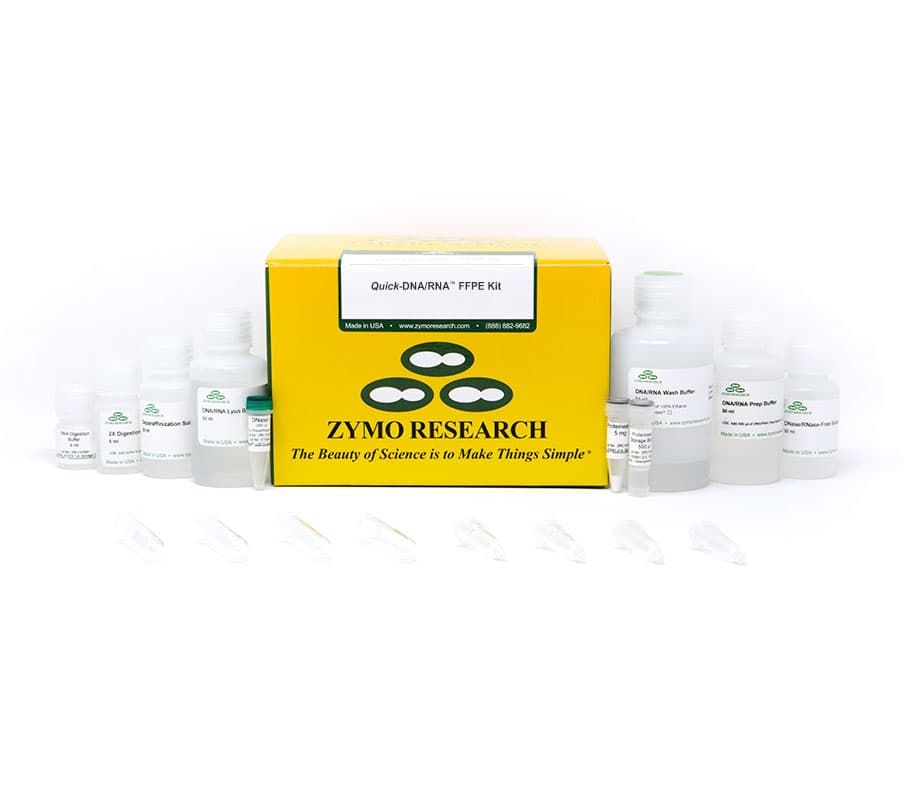
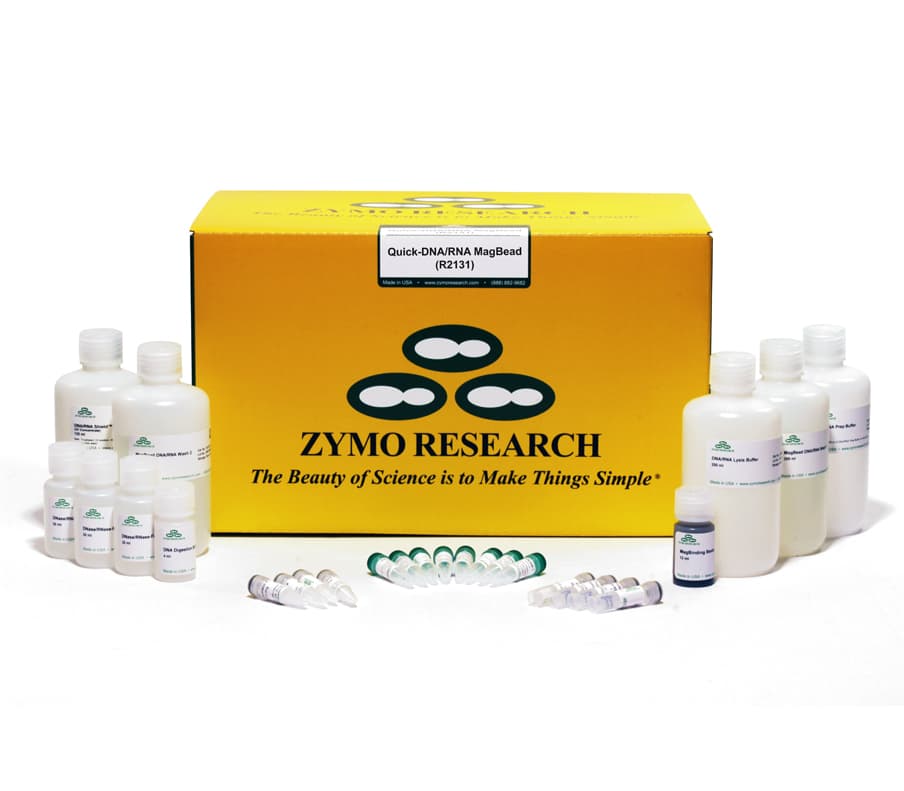
MBP carries Zymo Research Quick-DNA/RNA Miniprep Plus, Quick-DNA/RNA FFPE, Quick-DNA/RNA Viral 96, and ZymoBIOMICS MagBead formats, available to registered vendors at Howard Hughes Medical Institute, Vanderbilt University, and MD Anderson Cancer Center. Request a quote for DNA/RNA co-extraction kits by contacting customerservice@mbpinc.net.
DNA/RNA Co-Extraction Kits
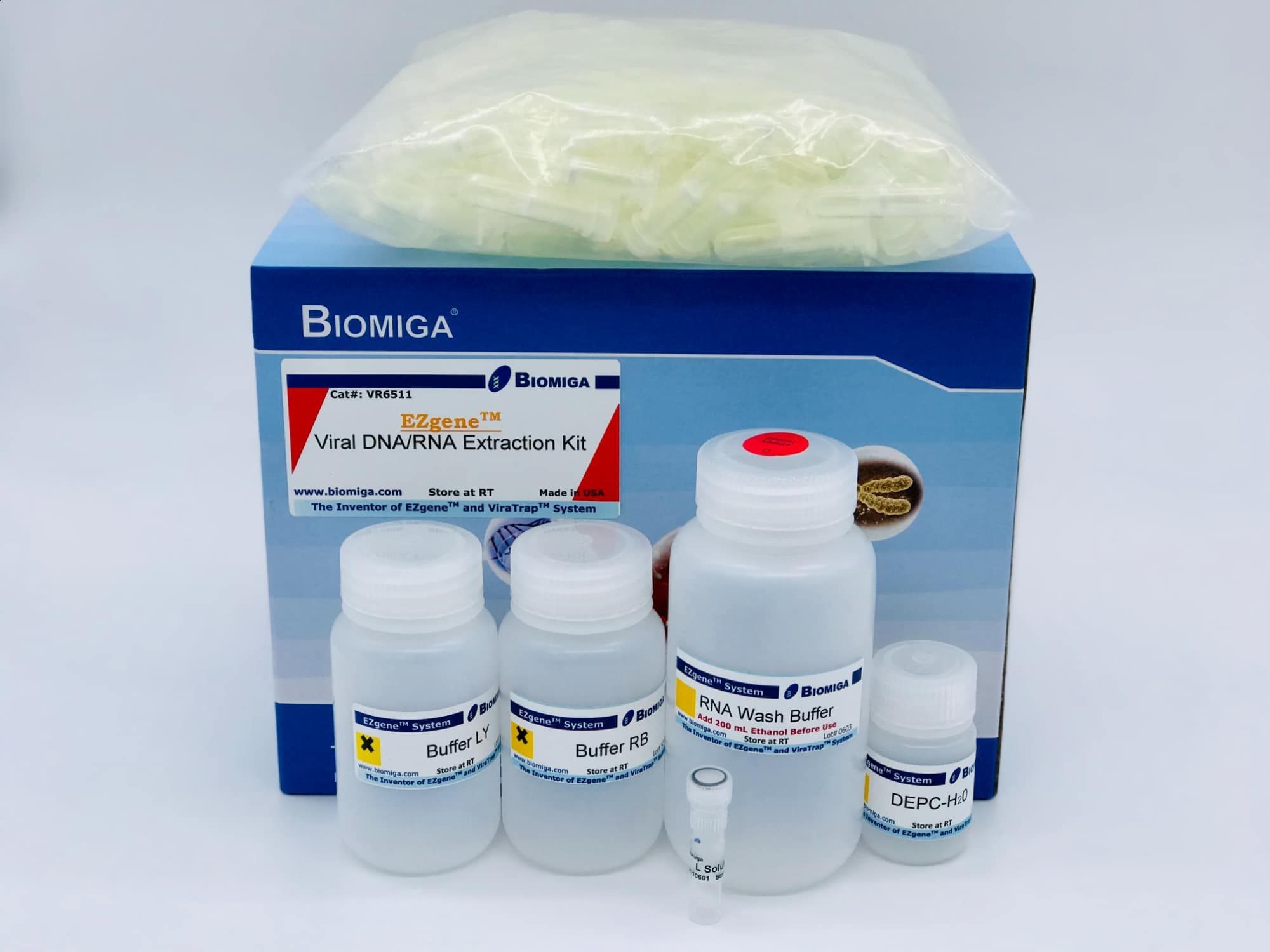
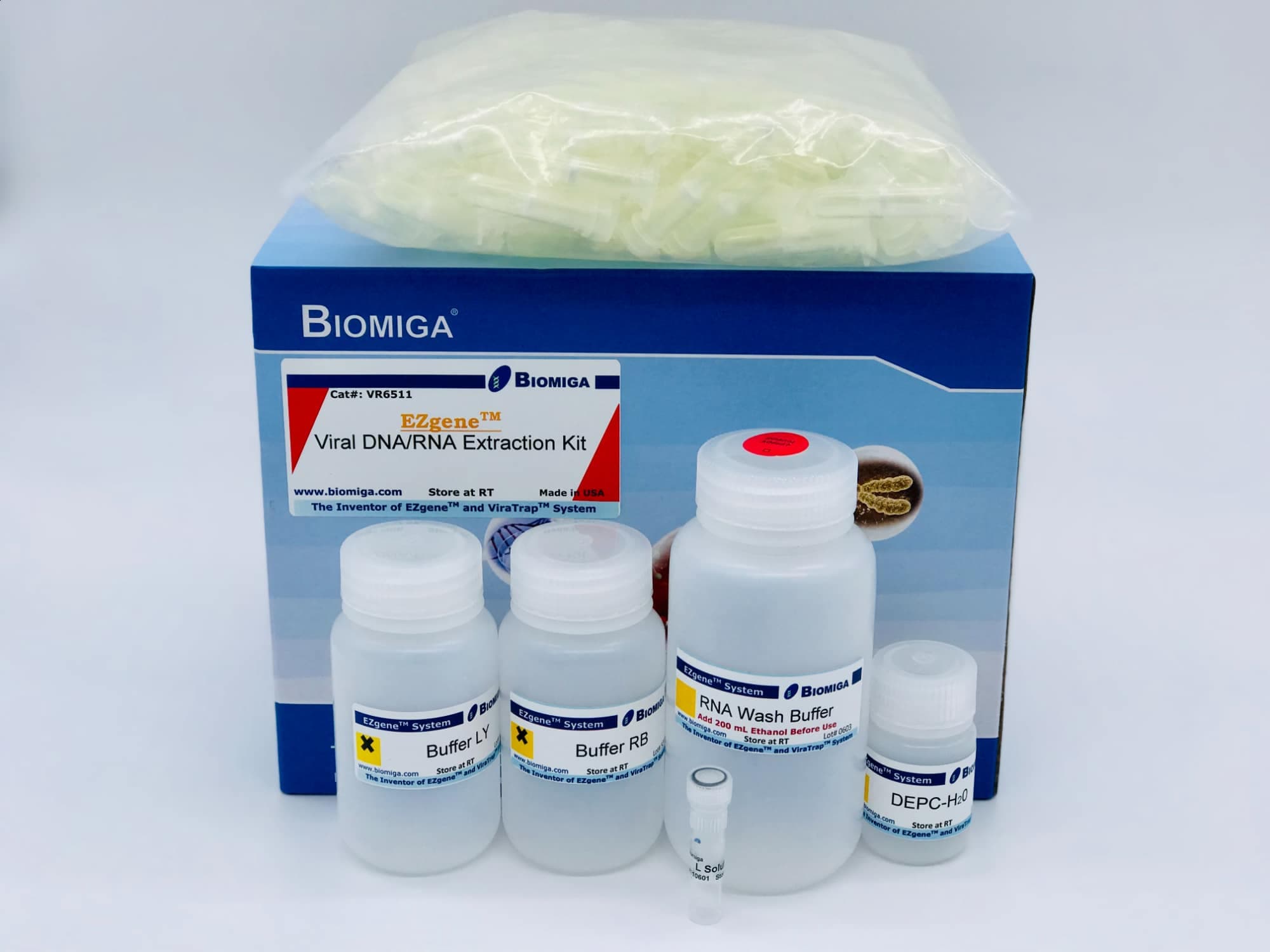
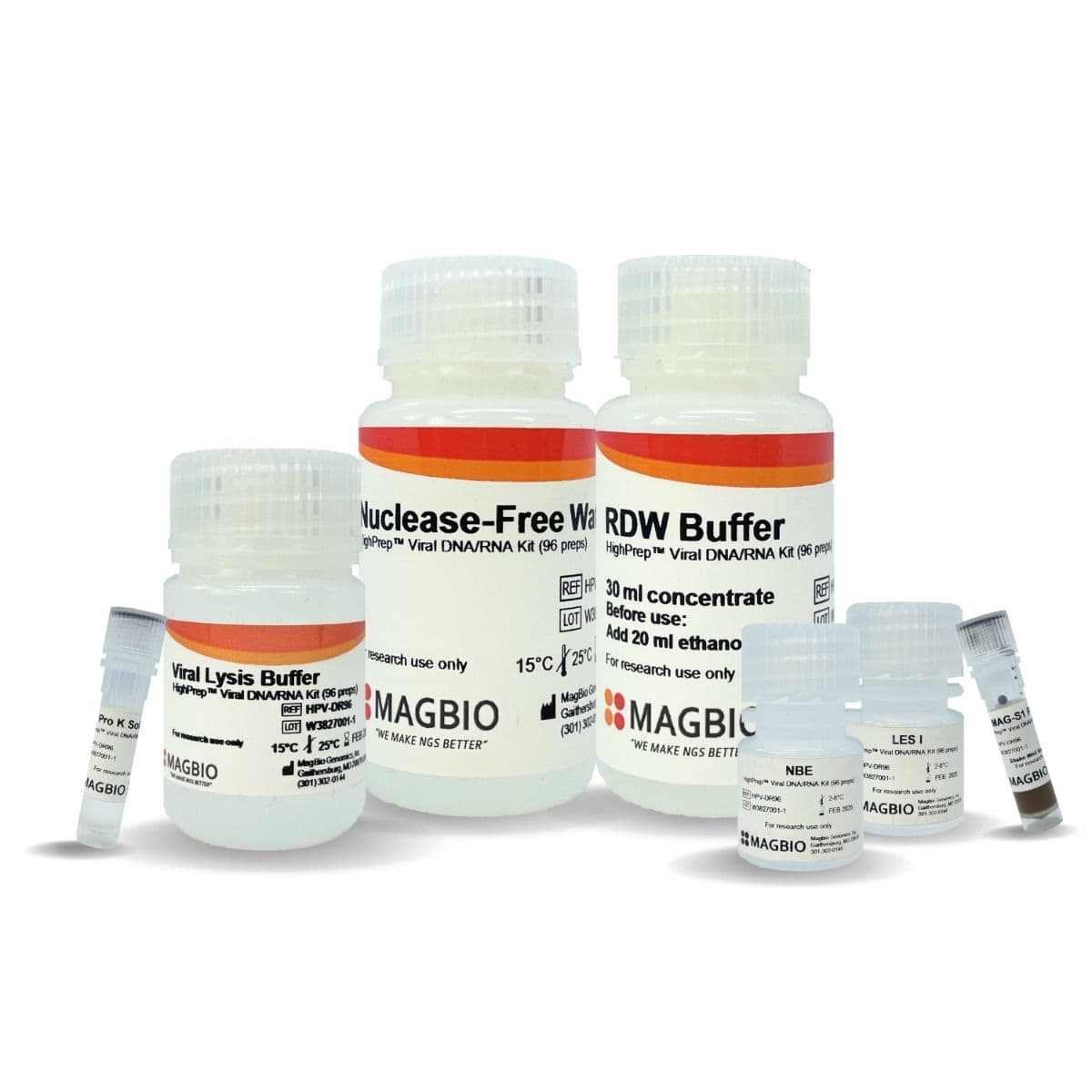
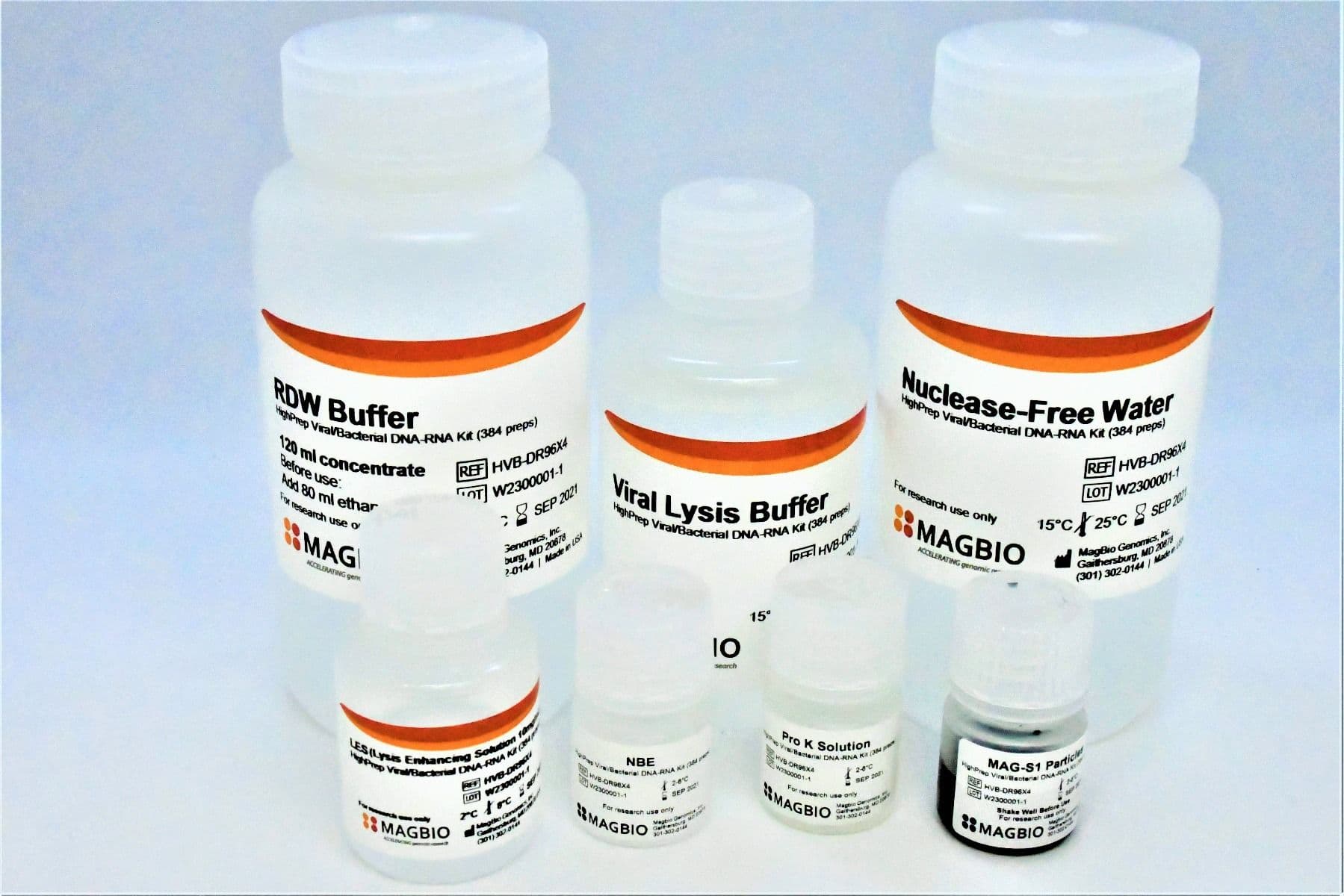
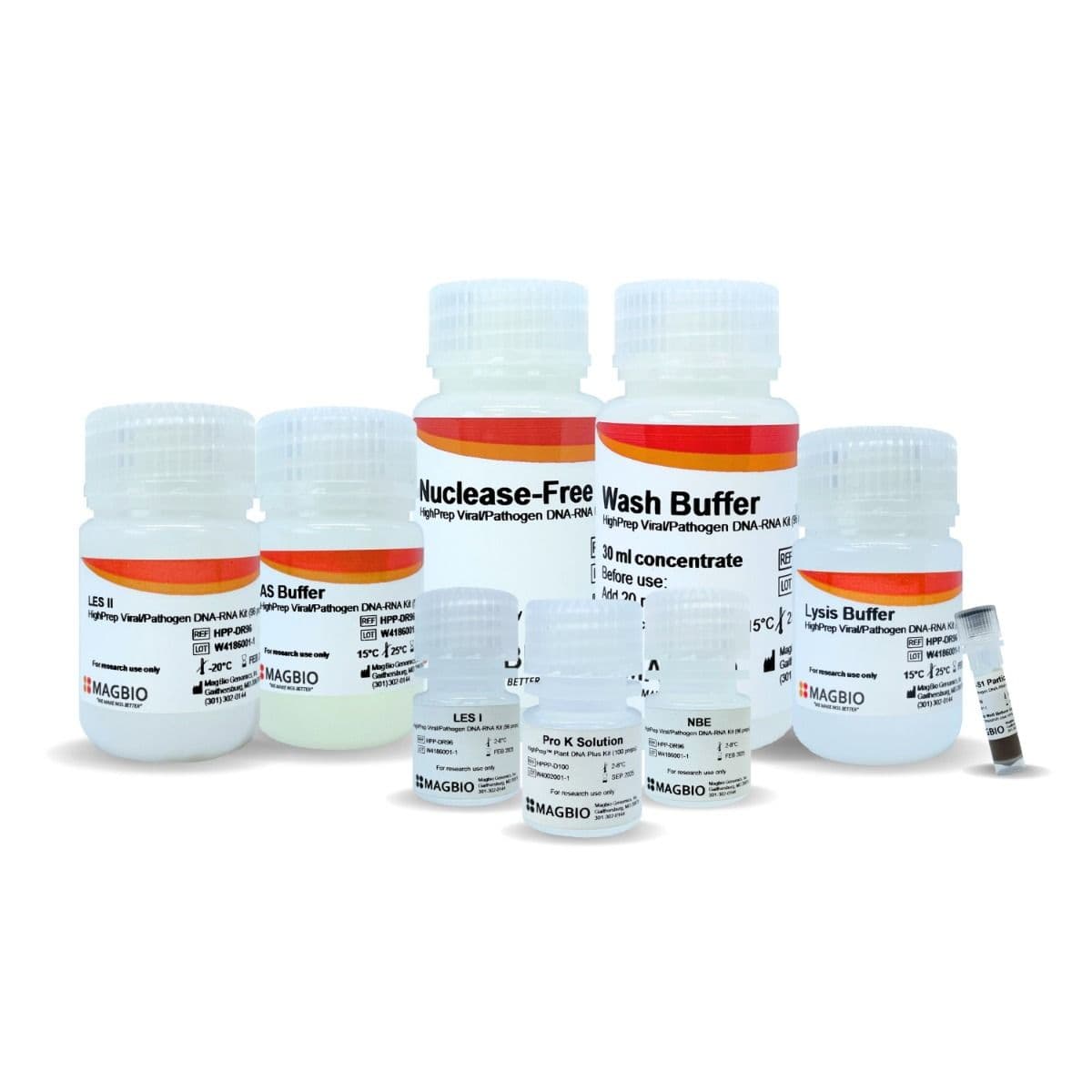
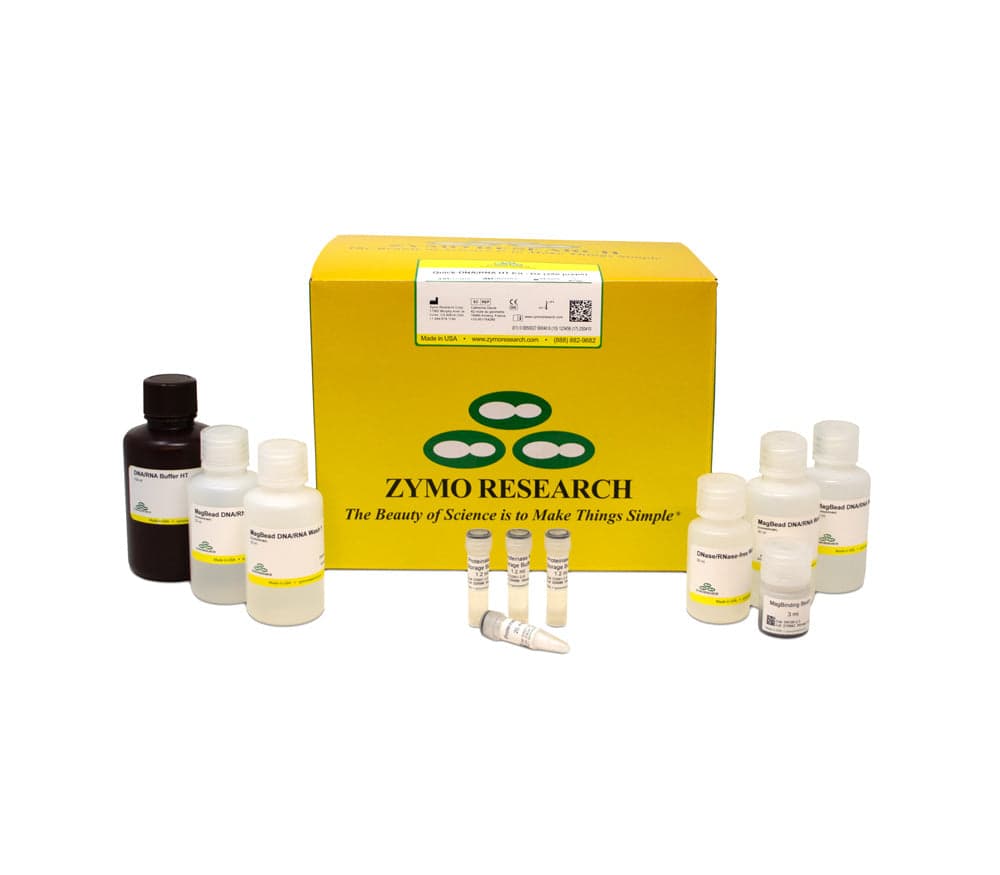
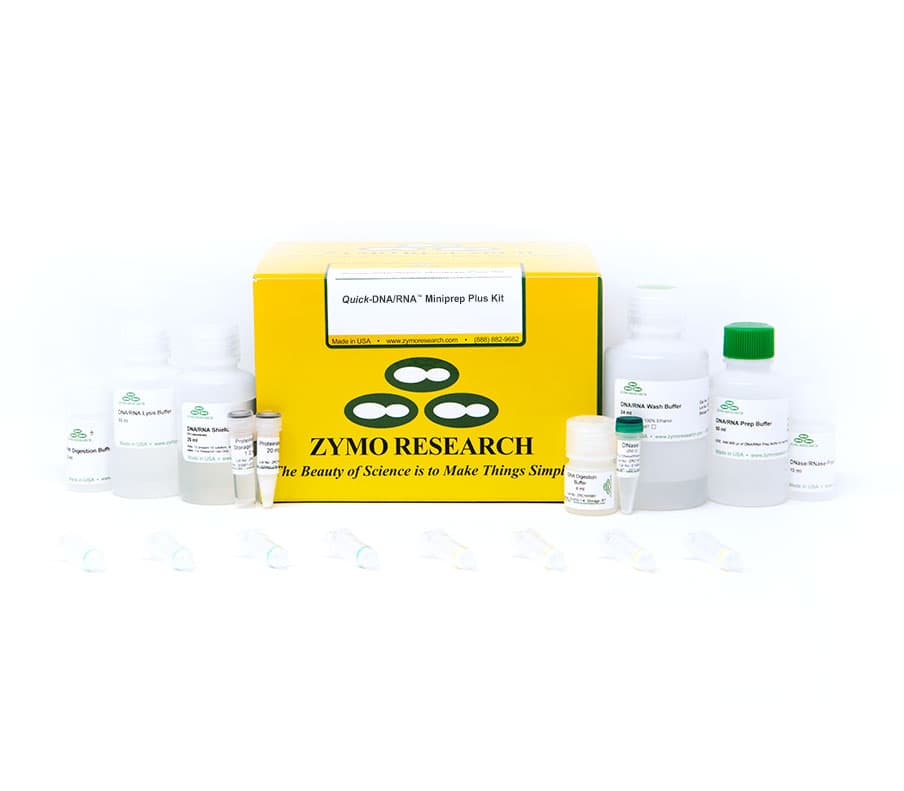

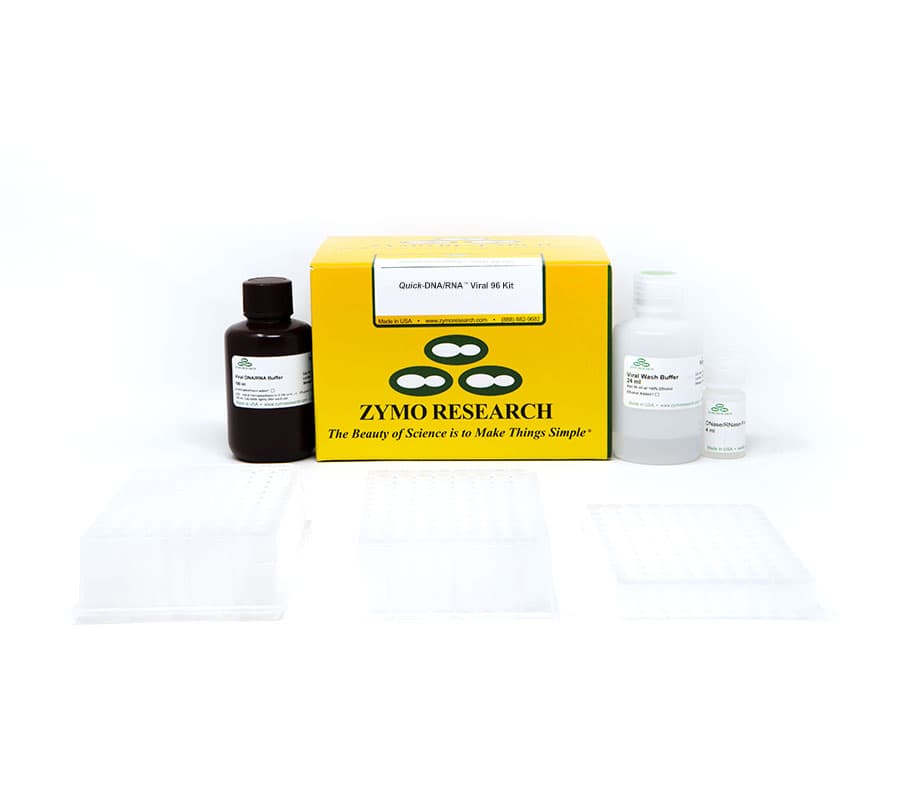
Showing 1 to 12 of 21 results
What are DNA/RNA Co-Extraction Kits?
DNA/RNA co-extraction kits simultaneously isolate genomic DNA and total RNA from the same biological sample -- cells, tissue, blood, bacteria, FFPE tissue, insects, plant material, plasma, serum, swabs, feces, and environmental samples in a single lysis and purification workflow that delivers both analytes in separate fractions from one undivided input. The fundamental advantage over sequential single-analyte extraction is sample conservation: rather than splitting a biopsy in half to process DNA and RNA separately, co-extraction uses the entire sample for both analytes, doubles the effective yield from each analyte, and ensures both fractions reflect the same cellular population. This is the defining advantage for precious or limited-volume clinical samples. Choose a DNA/RNA co-extraction kit when the sample is limited (biopsies, microdissection, single wells), when genetic and transcriptomic data must be paired from the same tissue section, or when the downstream analysis is multi-omic and requires both analytes from the same input.
What you will find:
-
Cells/Tissue/Blood: Cohesive processes for efficient purification of genomic DNA and total RNA from mammalian specimens with reduced sequence bias.
-
Viral DNA/RNA: Highly sensitive kits crafted for the swift extraction of viral markers from serum, plasma, and swabs with transfection-quality purity.
-
FFPE: Tailored methods for retrieving fragmented nucleic acids from paraffin-embedded specimens, guaranteeing effective prevention of spectral cross-talk.
-
Environmental/Microbial: Strong isolation tools for both water and soil samples, designed to remove inhibitors while maintaining microbial diversity.
-
Cell-free DNA/RNA: Innovative techniques for isolating low-abundance circulating nucleic acids for non-invasive screening of therapeutic candidates.
-
Microbial DNA/RNA: Solutions tested for reproducibility that are specifically designed for unbiased lysis and complete recovery of microbial and fungal signatures.
How to Choose a DNA/RNA Co-Extraction Kit
Sample Type
Zymo Research Quick-DNA/RNA Miniprep Plus Kit is the broadest-format co-extraction kit, covering fresh and frozen cells, tissue, whole blood, and any sample in DNA/RNA Shield -- including insects, bacteria, and difficult sample types. For FFPE archived tissue, use the Zymo Quick-DNA/RNA FFPE Miniprep Kit or QIAGEN AllPrep DNA/RNA FFPE Kit, which incorporate xylene-free deparaffinization and crosslink reversal steps. For environmental and microbial community samples, use ZymoBIOMICS MagBead DNA/RNA for 96-well automation with unbiased microbial lysis.
Separate vs. Combined Elution
Determine whether your downstream assays need DNA and RNA in separate tubes (most common) or combined (some rare multi-omic workflows). Sequential column kits (QIAGEN AllPrep, Zymo Quick-DNA/RNA column-switching) deliver separate fractions by design. Confirm which elution mode the selected kit uses.
Spin-Column vs. Magnetic Bead Format
Spin-column co-extraction kits handle 1-24 samples per run. For 96-well throughput -- gene therapy vector copy number (VCN) studies, AAV biodistribution across tissue panels, microbiome metatranscriptomics -- ZymoBIOMICS MagBead DNA/RNA provides automation-compatible co-extraction for all 96 samples simultaneously.
gDNA in the RNA Fraction
All co-extraction kits carry some risk of gDNA contamination in the RNA fraction. Include on-column DNase I treatment where available, and validate gDNA absence by RT-PCR minus-reverse-transcriptase controls before RNA-seq library prep. The QIAGEN AllPrep kit binds DNA on the first column before RNA contacts the purification matrix, minimizing gDNA carryover into the RNA eluate.
FFPE-Specific Considerations
Co-extraction from FFPE requires extra protocol steps (deparaffinization, Proteinase K digestion, heat decrosslinking) beyond those needed for fresh tissue. Both DNA and RNA yield from FFPE will be lower and more fragmented than from fresh material; design downstream assays for short amplicons (60-150 bp for RNA, 100-300 bp for DNA) from archival blocks.
Specifications Context
Performance targets for DNA/RNA co-extractions: DNA yield >= 1 ug from 5 mg tissue with A260/A280 >= 1.8; RNA yield >= 500 ng from 5 mg tissue with RIN >= 7 (fresh tissue) or RIN 2-4 (FFPE). A published 2024 study in PMC validated simultaneous DNA/RNA extraction from AAV gene therapy tissue panels across ten tissue types (adrenal gland, brain, heart, kidney, liver, lung, skeletal muscle, spinal cord, spleen, and gonads) using automated co-extraction, achieving 100% sample pass rate for both vector copy number and transgene expression analysis. DNA/RNA co-extraction is standard practice in gene therapy biodistribution studies, cancer multi-omics research, and environmental metatranscriptomics.
For ordering assistance, bulk pricing, or protocol guidance on selecting the right kit for your sample type, contact the MBP team.
FAQ