Microplate Sealing Films for PCR, ELISA & Storage
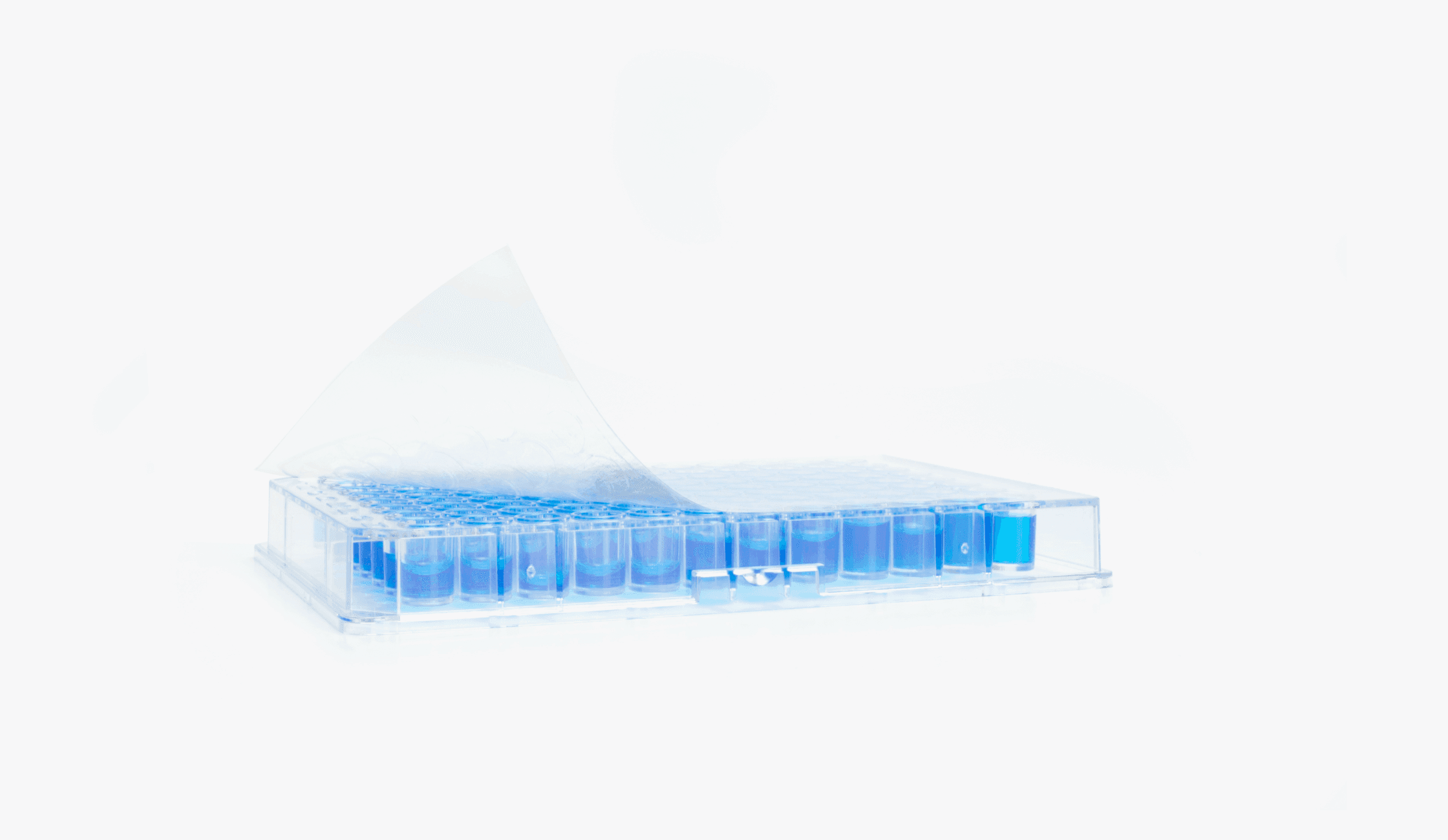
Sealing films are single-use adhesive covers that seal microplate and PCR plate wells to prevent evaporation, contamination, and cross-well transfer during assays, incubation, and storage. MBP stocks optical, foil, breathable, and polyester formats for qPCR, ELISA, cell culture, and −80 °C storage across 96- and 384-well plates.
For lab managers reordering consumables, MBP ships worldwide from its Houston, Texas office with Quick Order and direct specialist support, not the multi-day response of larger distributors. Request a quote by contacting customerservice@mbpinc.net
Sealing Films




Showing 1 to 12 of 16 results
What are sealing films?
Sealing films are thin polymer or aluminum-foil membranes, usually 25–100 µm thick, applied over the wells of a microplate or PCR plate to create an airtight or gas-permeable barrier. They replace loose lids to stop evaporation, well-to-well contamination, and the "edge effects" that distort sensitive ELISA and fluorescence readings. Films are made from polyester (PET), polypropylene (PP), polyethylene, or aluminum, with pressure-sensitive acrylic or heat-activated adhesives. Buy from this category when you need a per-well seal matched to a specific workflow — optical clarity, gas exchange, light protection, or freezer storage — rather than a generic plate lid.
What you will find:
-
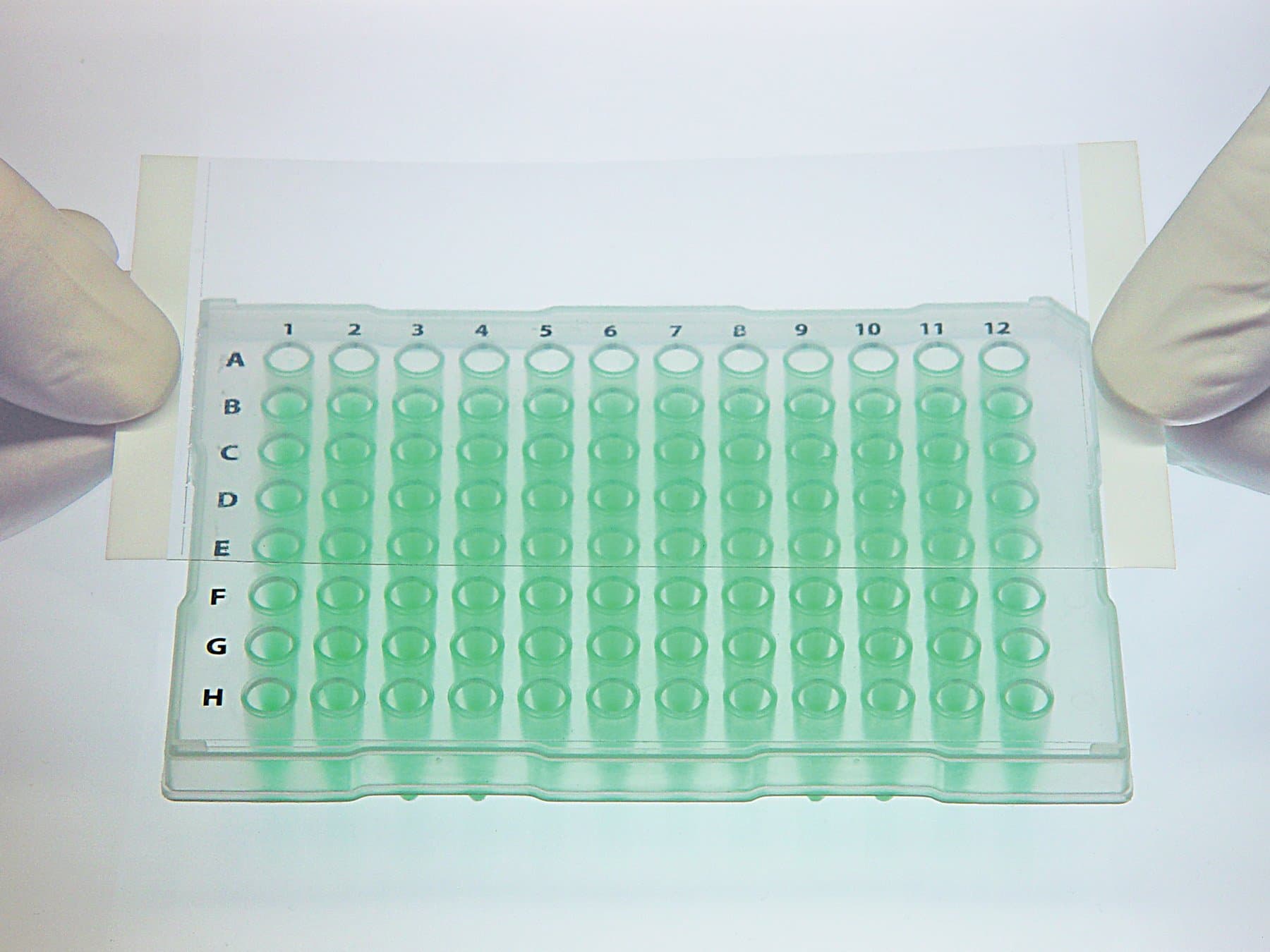
ELISA / Incubation / Storage Film: Prevents sample evaporation and cross-contamination during incubation
-
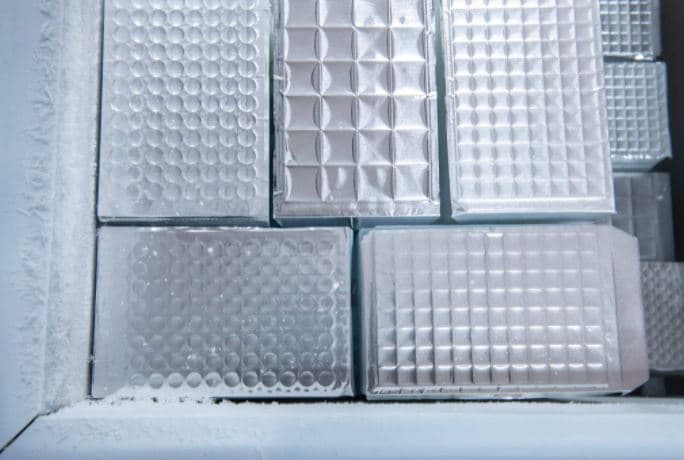
Cold Storage Film: Cryogenic adhesive resists structural embrittlement to prevent analyte sublimation
-
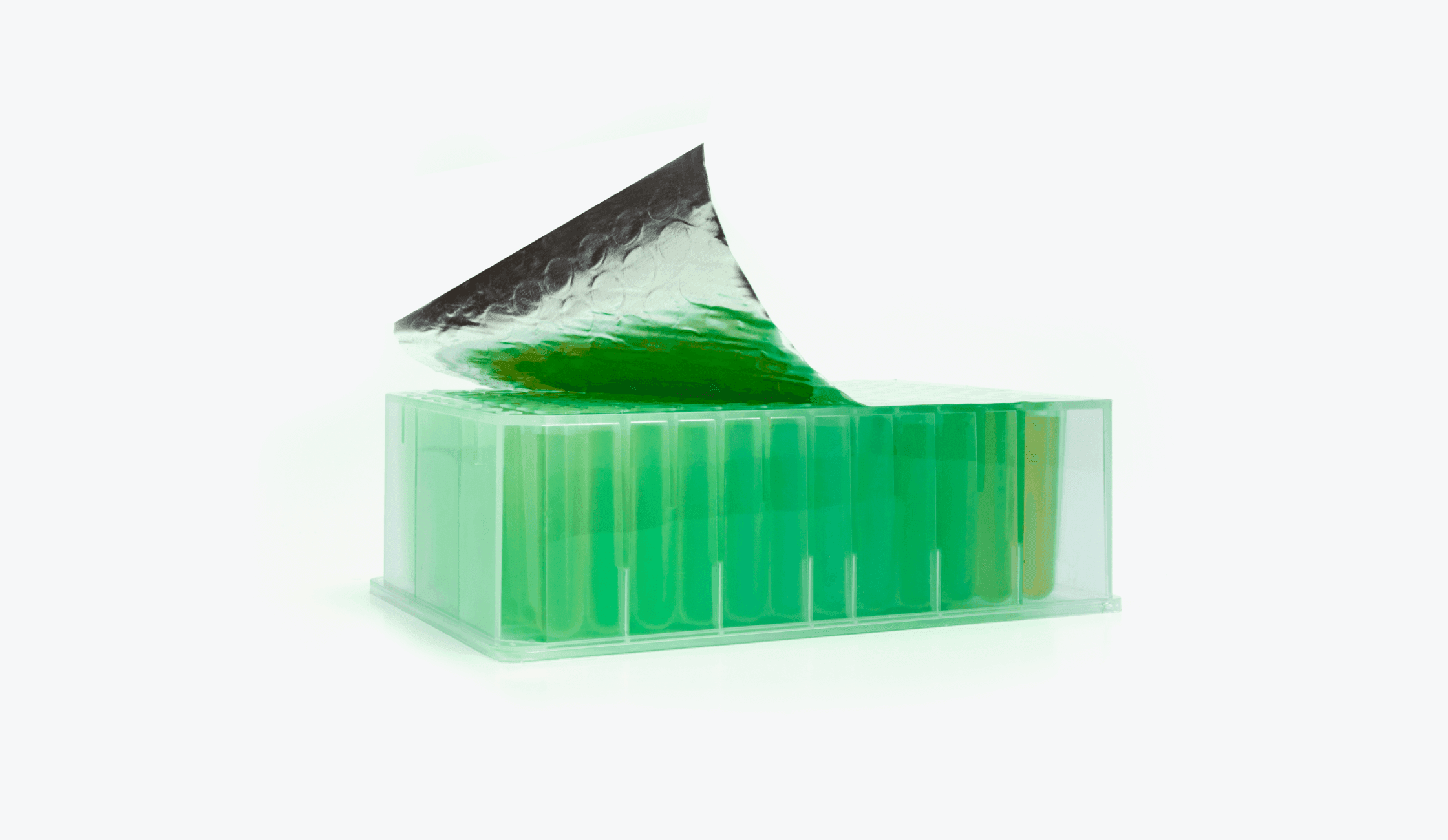
Light Sensitive Film: Opaque physical barrier blocks photon transmission to prevent photodegradation of fluorophores and luminescent assays.
-
Cell & Tissue Culture Film: Hydrophobic, semi-permeable membrane facilitates uniform gas exchange while blocking microbial ingress.
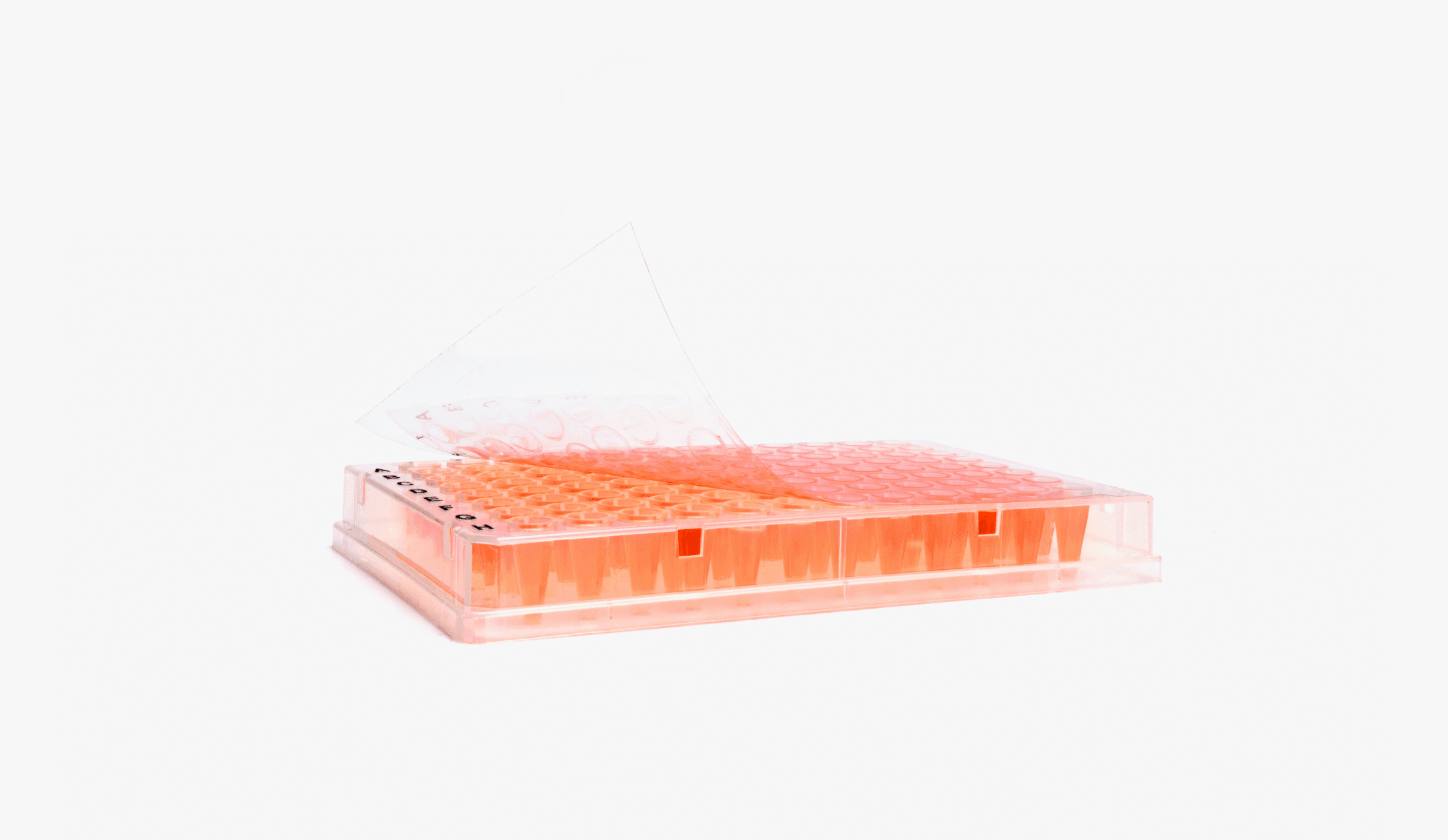
- PCR & qPCR Film: Thermally stable adhesive resists delamination at 100°C; non-fluorescing matrix maximizes signal-to-noise ratios during optical detection.
How to choose sealing films
Match the film to the detection method
Choose optically clear polyester film for qPCR, fluorescence, and colorimetric reads so the plate reader's light path passes through the seal with minimal interference; use opaque foil only where light must be blocked.
Confirm the temperature range
Adhesive polyester films typically hold a seal from −40 °C to +120 °C, while foil heat-seals rated to −80 °C suit long-term freezer storage; verify the film's stated range against your thermal cycling or storage protocol.
Decide pierceable vs non-pierceable
Pierceable foil and film let pipette tips or robotic probes access wells without removing the seal, which matters for automated liquid handlers; non-pierceable films give a more secure barrier for storage and ELISA.
Check plate material and gas exchange
Confirm the film bonds to your plate resin — polystyrene, polypropylene, or polycarbonate — and, for live cell and bacterial culture, choose a breathable membrane that allows O₂ and CO₂ exchange while keeping wells sterile.
Confirm nuclease certification
For PCR and molecular assays, select films certified DNase-, RNase-, and human-DNA-free to prevent background interference.
Compare sealing film variants
- Optical polyester film: For qPCR, fluorescence, and colorimetric assays; compatible with 96- and 384-well PCR and assay plates, plate readers, and thermocyclers.
- Foil heat seal: For −80 °C storage, DMSO compound libraries, and automated workflows; compatible with polypropylene storage plates, heat sealers, and robotic probes.
- Breathable membrane: For live cell, tissue, and bacterial culture applications; compatible with tissue culture plates, deep-well plates, and incubators.
- Polyester/PP adhesive: For ELISA, EIA, incubation, and short-term storage; compatible with polystyrene and polypropylene plates.
Specifications context
Common film specs describe thickness, adhesive type, temperature range, and certification. A 50 µm polyester film with a 25 µm acrylic adhesive layer balances clarity and seal strength for ELISA and storage, while thinner 25 µm films are clearer and marginally pierceable. Low evaporation rates (≤3%) keep reaction volumes stable through PCR cycling. Match the format — full sheets, pre-scored rolls, or 1×8/2×8 mini-strips — to whether you seal whole plates or selectively access rows.
For selection support or availability details, contact the MBP team to get the right sealing film for your application and workflow requirements.
FAQ