Light-Sensitive Sealing Films, Opaque Foil Seals
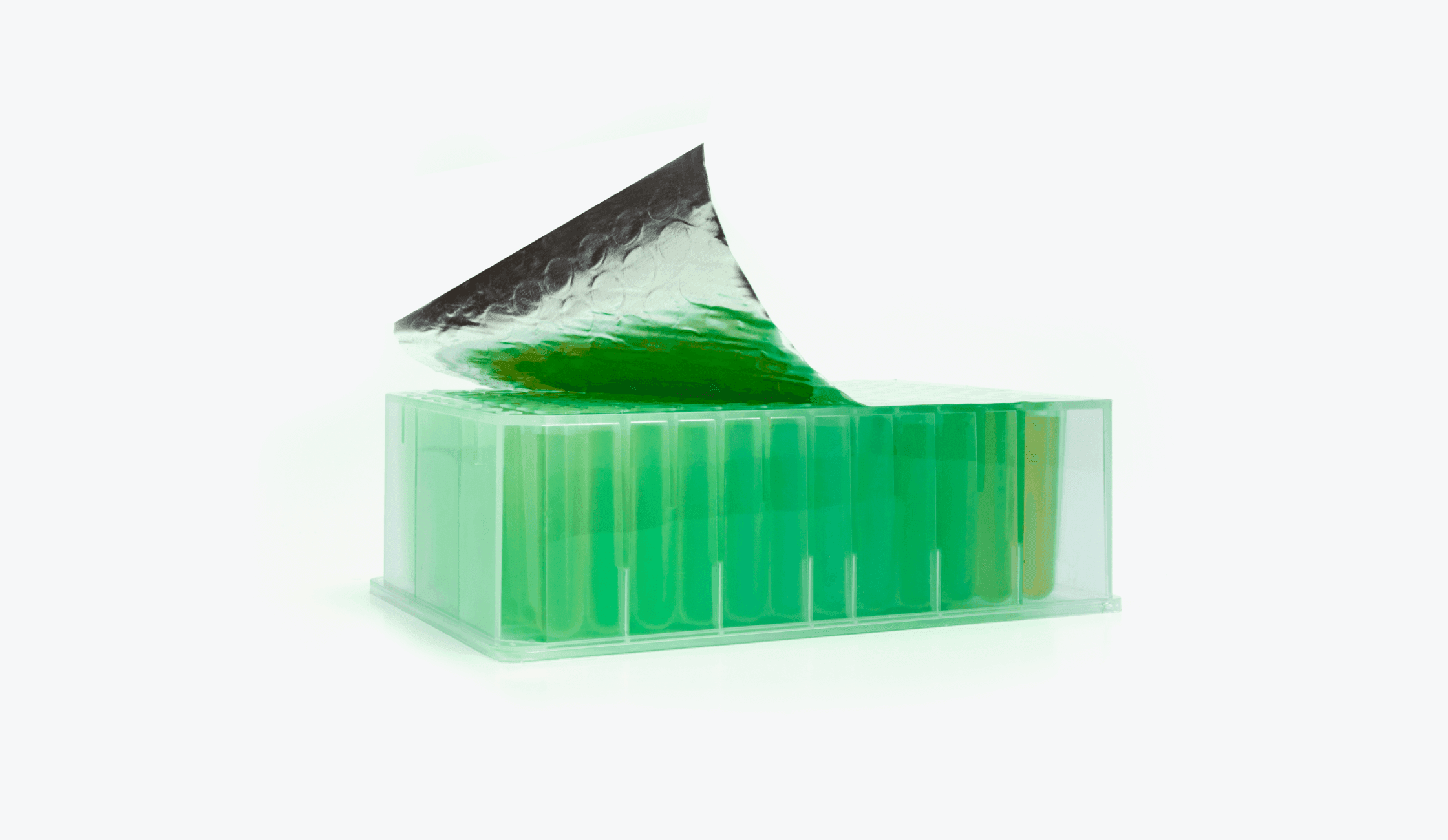
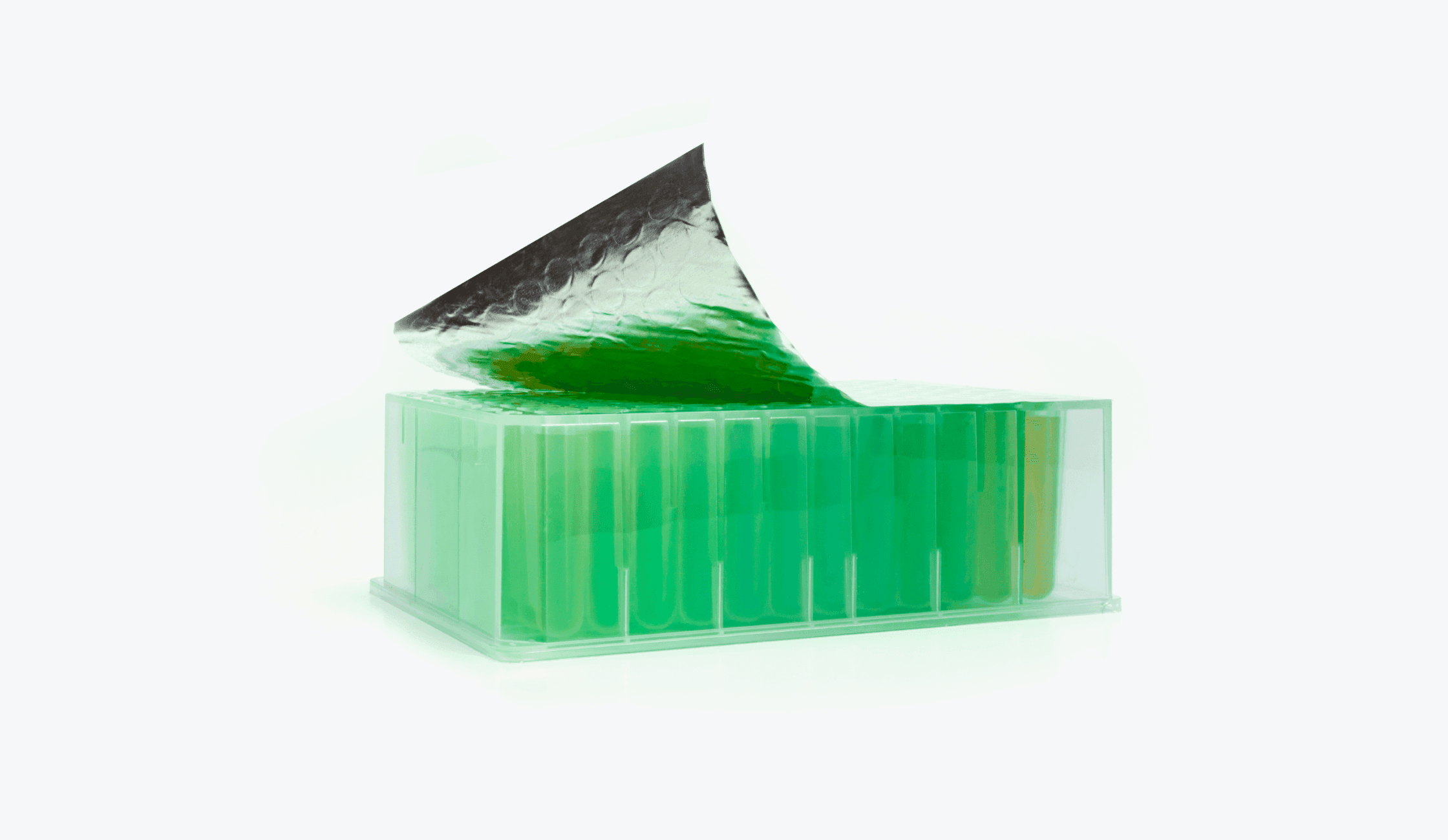
Light-sensitive sealing films are opaque foil or amber/black polymer covers that block light from reaching microplate wells, protecting photosensitive reagents, fluorophores, and light-degradable compounds during assays and storage. They give the same evaporation and contamination barrier as clear films but shield contents from photobleaching and photodegradation, and many are pierceable for automated handling and rated for freezer storage.
Researchers working with light-labile samples get application-matched films and direct specialist support from MBP. For institutional orders, volume requirements, and procurement inquiries, contact the customerservice@mbpinc.net
Light Sensitive Film


Showing 1 to 5 of 5 results
What are light-sensitive sealing films?
Light-sensitive sealing films are light-blocking microplate seals — typically aluminum foil or opaque pigmented polymer — used to protect photosensitive contents from light exposure during incubation, detection, and storage. They prevent the photobleaching of fluorophores and the photodegradation of light-labile reagents and drugs, while still stopping evaporation and well-to-well contamination. Foil versions also block gases and tolerate −80 °C storage, and several are pierceable for robotic access. Buy from this category whenever a sample's signal or stability depends on keeping light out of the wells.
What you will find:
-
Black opaque sealing films for full light protection
-
Semi-opaque light-reducing films for controlled exposure workflows
-
Standard formats for 96-well microplates (approx. 127 × 80 mm)
-
384-well compatible sealing films for high-throughput assays
-
Adhesive sealing films for secure microplate closure
-
Optical-compatible films for fluorescence-based assays
-
Pierceable and non-pierceable film options for workflow flexibility
-
High-barrier films for evaporation and contamination control
How to choose light-sensitive films
Confirm full light-blocking
Choose fully opaque foil or pigmented film, not tinted clear film, when contents are strongly photosensitive; foil blocks light completely, while pigmented polymer films balance light protection with easier handling.
Decide whether you still need optical access
Light-sensitive films are not for reading through; if a protocol requires both light protection and optical detection, seal for storage with an opaque film and switch to an optical film at the read step.
Check temperature and storage rating
Foil light-blocking films often double as cold storage seals rated to −80 °C, suiting light-sensitive compound libraries; confirm the stated range before archiving frozen samples.
Compare light-sensitive film variants.
- Opaque aluminum foil: Provides maximum light blocking and supports −80 °C storage; compatible with storage and polypropylene plates, as well as robotic probes.
- Pierceable foil: For photosensitive high-throughput screening (HTS) and automated sample access; compatible with polypropylene plates and liquid handling systems.
- Black/amber polymer film: For light-sensitive applications requiring easier benchtop handling; compatible with assay and culture plates.
Specifications context
Light-sensitive films are characterized by opacity, temperature range, and whether they are pierceable. Aluminum foil offers complete light blocking plus a gas and moisture barrier, and often carries a −80 °C to +110 °C rating for combined light protection and freezer storage. Pigmented polymer films are easier to handle for benchtop work. Because a conformable foil presses down into each well, it leaves a defined impression around every well that lets the user confirm a complete seal by eye, and the opaque, intact layer doubles as a tamper-evident and contamination barrier while plates move between the bench, incubator, and freezer. Because these films are not optically clear, they are removed before any fluorescence or absorbance read. As of 2026, they ship in packs of 100 or rolls in a low-to-mid price tier.
Instead of struggling with inconsistent results, choose a sealing solution designed specifically for light-sensitive work. Connect with the MBP team to find the right film format, compatibility, and bulk supply option for your application.
FAQ