Microbiomics Reagents for Microbial Community Profiling and Sequencing Workflows
Microbiomics brings together the reagents used to characterize a microbial community, from microbial DNA and RNA extraction with host DNA depletion through 16S rRNA and shotgun metagenomic library preparation for next-generation sequencing, plus the reference standards needed to validate a microbiome workflow's accuracy. As a top-level branch parallel to Cell Biology, Protein Analysis, and RNA Analysis Reagents, this category organizes microbiome-specific workflows separately from general nucleic acid or protein work. Academic and core laboratories profiling microbial communities can benefit from workflow-stage guidance when selecting extraction methods, library preparation strategies, and validation standards.
Explore available microbiomics reagents or request a quotation by contacting customerservice@mbpinc.net. Our team can help identify the appropriate extraction kits, library prep reagents, and reference standards for your microbiome sequencing workflow.
Microbiomics
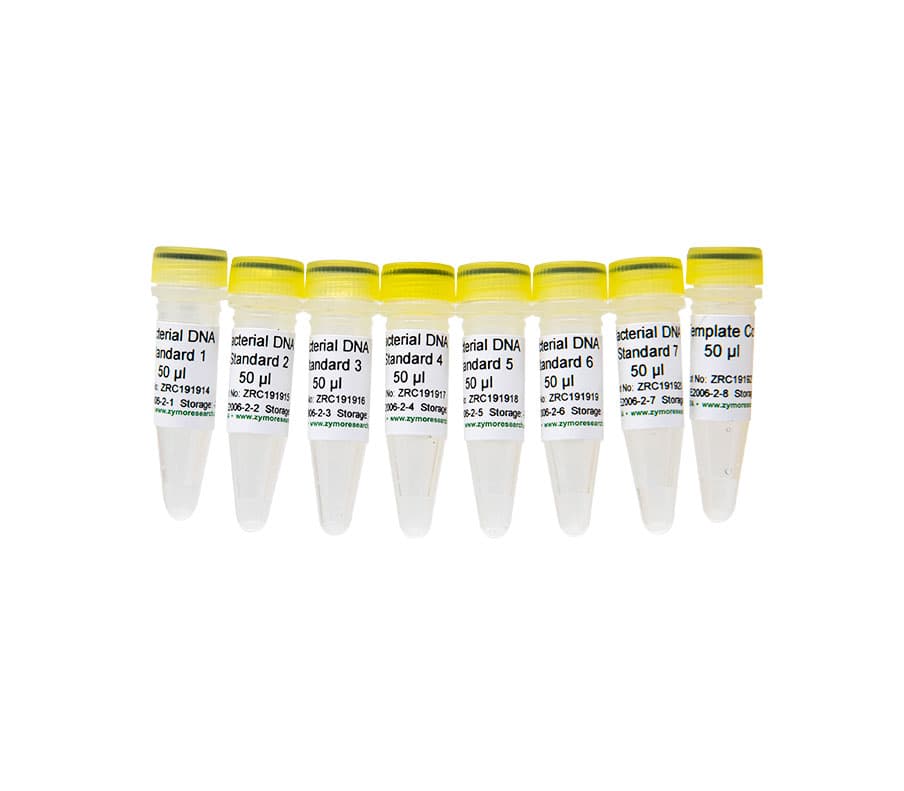


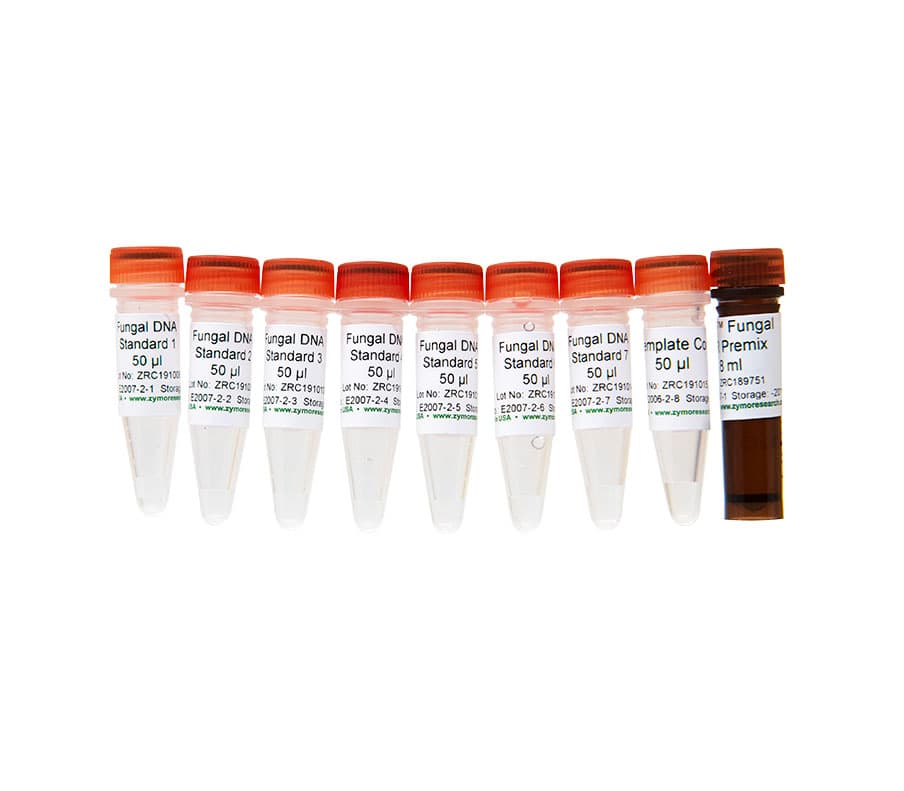

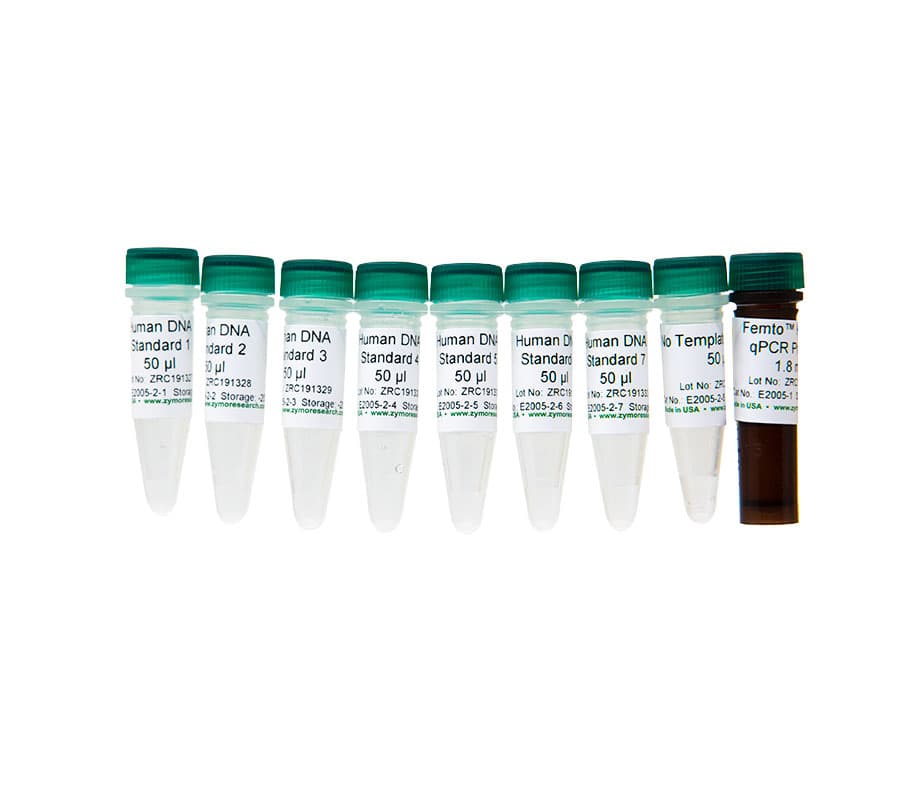

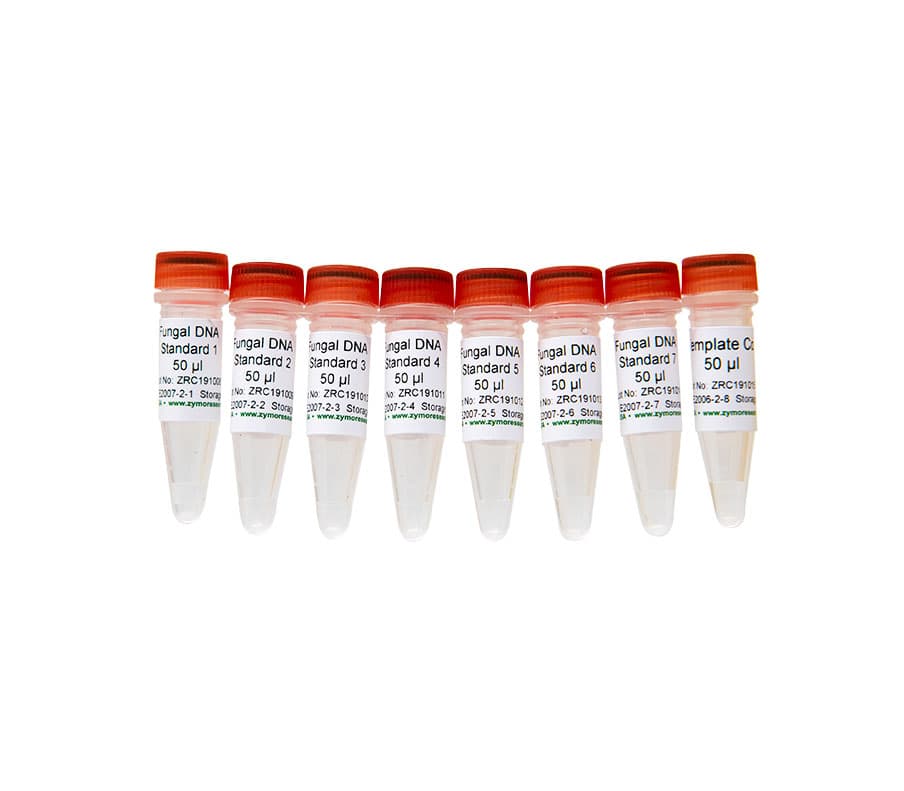
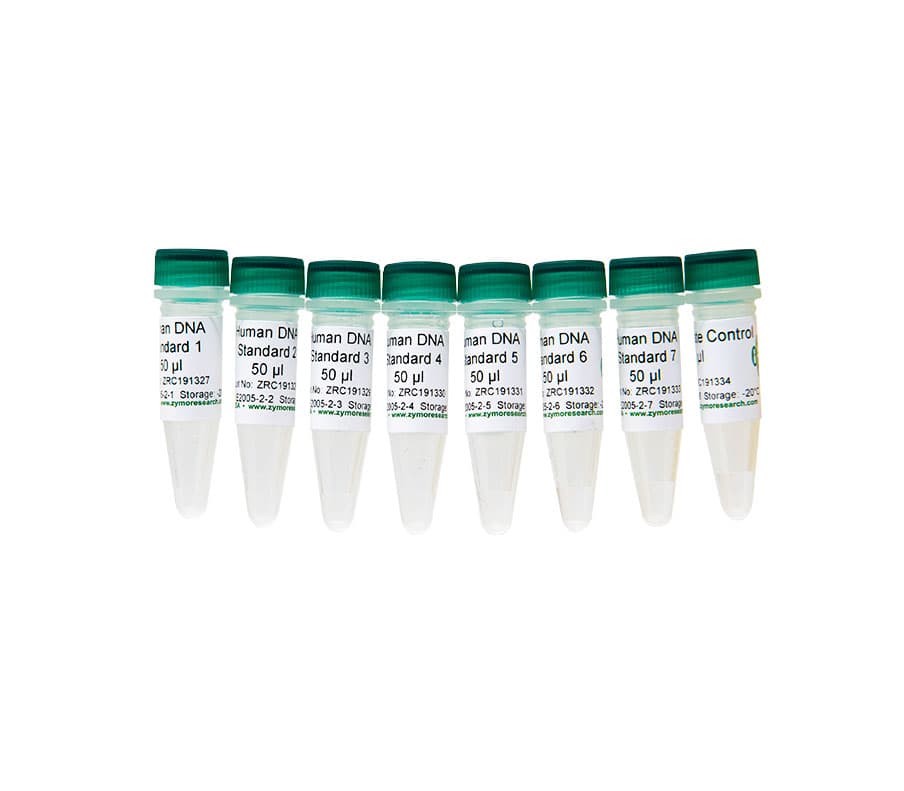
Showing 1 to 12 of 31 results
What is Microbiomics as a reagent category?
Microbiomics spans the reagents used to characterize a microbial community's composition and function: microbial DNA and RNA extraction kits, often including host DNA depletion for host-associated samples like swabs or stool; 16S rRNA gene amplicon library preparation for cost-effective taxonomic profiling; shotgun metagenomic library preparation for unbiased, deeper community characterization; and microbiome reference standards for validating a sequencing workflow's accuracy. As a top-level branch parallel to Cell Biology, Protein Analysis, and RNA Analysis Reagents, this category organizes microbiome-specific tools separately from general nucleic acid extraction or sequencing reagents.
What you will discover:
-
RNA Sequencing: Unique reagents designed for the isolation and enhancement of microbial mRNA, tailored to minimize ribosomal RNA interference and preserve transcript stability for precise gene expression assessment.
-
Microbial Regulations & Guidelines: Certified reference standards tested for reproducibility that include exact genomic ratios of bacteria and fungi to ensure sequencing precision and confirm minimal sequence bias.
-
PCR & Molecular Assays: Master mixes and buffers designed for high-sensitivity, facilitating the swift detection of specific pathogens and functional genes while ensuring minimal spectral cross-talk.
-
Kits for Preparing 16S/ITS NGS Libraries: Cohesive processes for the specific amplification of hypervariable regions, employing high-fidelity polymerases to guarantee varied library preparation for taxonomic classification.
How to navigate microbiomics reagents
Choose an extraction method with host DNA depletion for host-associated samples
In samples like swabs or body fluids, host DNA can vastly outweigh microbial DNA, with one analysis finding up to 99% of sequencing reads in some studies mapping to the host genome rather than microbes, so a dedicated extraction method including host DNA depletion meaningfully increases microbial read coverage.
Decide between 16S rRNA amplicon sequencing and shotgun metagenomic sequencing
16S rRNA sequencing is more cost-effective, requires less input DNA, and is less impacted by host DNA contamination, making it the more accessible choice for routine community composition profiling, while shotgun metagenomic sequencing provides deeper insight into functional content like virulence factors, antibiotic resistance genes, and metabolic networks at higher cost and complexity.
Confirm which 16S hypervariable region coverage matches your resolution needs
16S library prep kits commonly target specific hypervariable regions, such as V3-V4, and using primer sets re-designed against an updated 16S reference database can improve taxonomic coverage and resolution compared with older, less comprehensive primer designs.
Include a microbiome reference standard to validate your workflow
A defined microbial DNA or inactivated bacteria standard provides a specific, customized control for confirming your extraction, library prep, and sequencing workflow is performing as expected, supporting reproducibility and enabling comparison of results across different laboratories.
Plan for PCR chimera formation as a known challenge in amplicon sequencing
PCR chimeric sequences, artificial sequences formed from the recombination of two or more templates during amplification, are a recognized challenge in 16S library preparation, and kits using real-time PCR to control cycle number can help limit chimera formation below problematic levels.
Specifications context
In a comparison of whole metagenome shotgun sequencing approaches, samples prepared without host DNA removal showed over 90% of sequencing reads mapping to the human genome, while a dedicated host DNA depletion method reduced this to under 5% human reads, dramatically increasing the proportion of reads available for actual microbial analysis. As of 2026, full-length 16S rRNA sequencing using long-read platforms continues to expand alongside traditional short-read amplicon approaches, offering improved species- and strain-level resolution for microbiome community profiling.
Reach out to the specialized team at MBP Inc. now to ask for a quote for the appropriate microbiomics reagents for your laboratory.
FAQ