RNA Sequencing for Metatranscriptomic Analysis of Microbial Communities
RNA sequencing within Microbiomics covers metatranscriptomics: sequencing the RNA actively expressed by a microbial community to capture its real-time functional activity, rather than just its taxonomic composition from DNA-based 16S or shotgun sequencing. This is distinct from the general-purpose RNA sequencing reagents covered under the separate RNA Analysis Reagents branch, since metatranscriptomics works specifically with mixed, multi-organism community RNA rather than a single organism's transcriptome. Academic and core laboratories studying microbial community function can benefit from guidance on rRNA depletion strategies, library preparation methods, and workflow design for metatranscriptomic studies.
Explore available metatranscriptomic RNA sequencing reagents or request a quotation by contacting customerservice@mbpinc.net. Our team can help identify the appropriate rRNA depletion, library preparation, and sequencing workflow for your microbiome functional analysis projects.
RNA sequencing
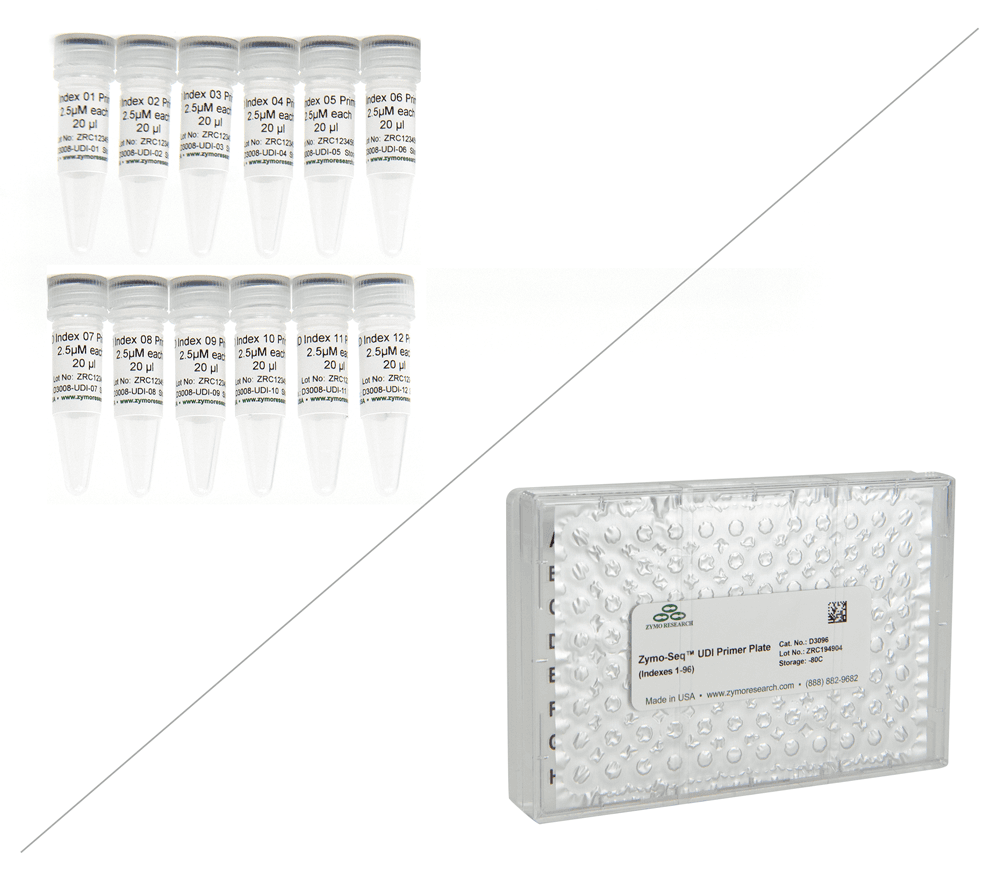
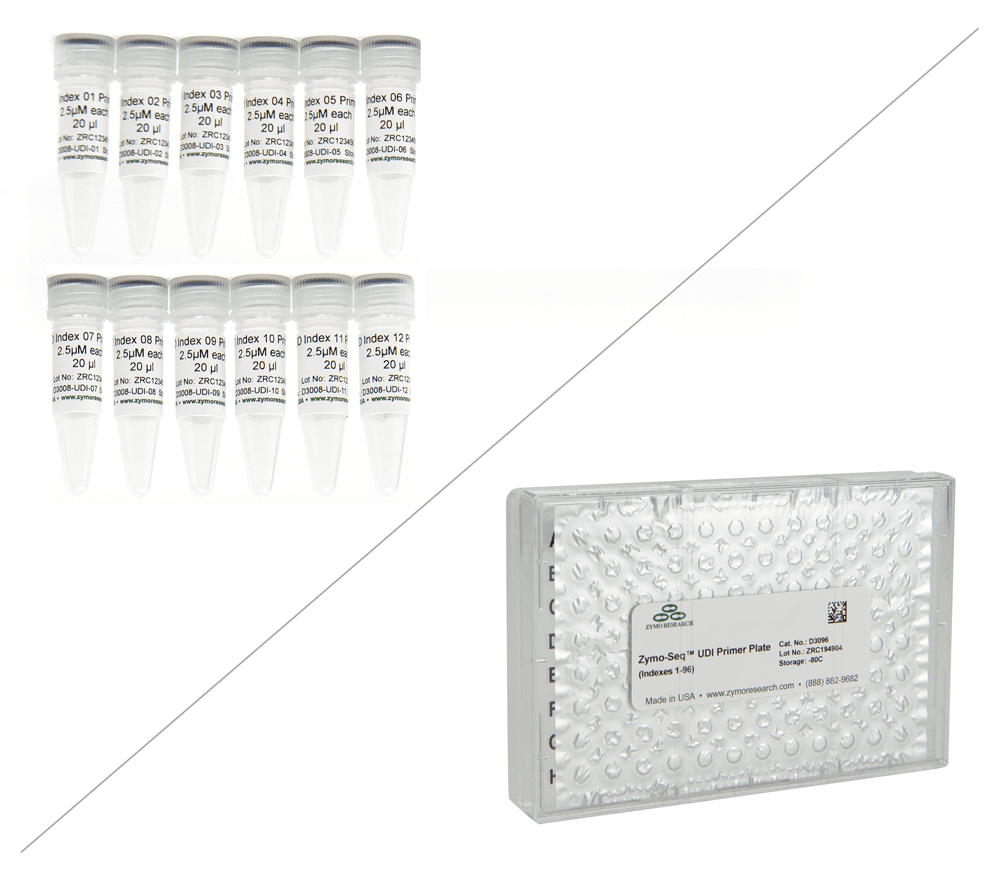
Showing 1 to 2 of 2 results
What is RNA sequencing in the microbiomics context?
RNA sequencing here refers to metatranscriptomics, the sequencing of RNA actively expressed within a microbial community, capturing a dynamic snapshot of which metabolic pathways and functions are being carried out at the time of sample collection rather than just which organisms are present. Since roughly 80% of total extracted RNA is typically ribosomal, rRNA depletion is commonly used to reduce this rRNA load and increase the relative proportion of messenger RNA, improving sequencing coverage of the functionally informative transcripts.
What you will find:
-
Microbial RNA-Seq Accessories: Nuclease-free reagents and high-diversity primer plates optimized for low-input samples, supporting the detection of rare transcripts with maximum spectral cross-talk prevention.
How to approach microbiome RNA sequencing
Confirm your RNA extraction protocol is optimized for low-biomass, RNase-prone samples
RNA extraction is the most critical step for obtaining high-quality RNA suitable for library preparation, requiring RNase-treated instruments and a controlled working environment given RNA's general susceptibility to degradation.
Choose an rRNA depletion approach matched to your sample's complexity
Standard rRNA depletion kits are validated for human and a defined set of bacterial species and may be most reliable for samples of moderate complexity, while complex environmental or mixed microbial samples can require a depletion kit specifically designed for mixed bacterial populations.
Decide whether RNA/DNA co-extraction fits your study design
Co-extracting RNA and DNA from the same sample enables paired metagenomics and metatranscriptomics sequencing, letting you directly relate functional activity data to the underlying taxonomic and genetic composition of the same community sample.
Confirm your library prep method preserves the RNA species you need
Some library preparation approaches preserve small nucleolar RNA (snoRNA) alongside ribosomal and messenger RNA, which is generally the preferred method for prokaryotic and bacterial-focused metatranscriptomic studies compared with methods that don't retain this RNA species.
Plan for DNase treatment to remove residual genomic DNA before sequencing
Following total RNA extraction and purification, removing residual contaminating genomic DNA via DNase treatment is a standard step before proceeding to rRNA depletion and library preparation, since residual DNA can otherwise be sequenced alongside the intended RNA-derived signal.
Specifications context
A streamlined rRNA depletion kit designed for metatranscriptome sequencing of complex microbial samples can effectively deplete multiple rRNA species (such as 5S, 16S, and 23S) in a single-tube reaction for both human and bacterial sequences, reducing unwanted reads and increasing coverage of expressed bacterial RNA. As of 2026, depletion kits specifically designed for complex, mixed bacterial populations, such as environmental communities or microbiome samples, continue to be distinguished from standard single-organism rRNA depletion kits, since unbiased performance across many species at once is a distinct technical challenge.
Contact the helpful team at MBP Inc. today to request a quote for your RNA sequencing accessory needs.
FAQ