Microbiome Standards & Controls for Workflow Validation and Reproducibility
Microbiome Standards & Controls covers defined microbial community standards, individual microbial DNA standards, and inactivated bacteria controls used to validate that an extraction, library preparation, and sequencing workflow is performing accurately and reproducibly. A mock community standard with known composition lets you confirm your pipeline recovers the expected taxa at roughly the expected abundance, catching method-introduced bias before it affects real samples. Academic and core laboratories validating a new microbiomics workflow or comparing results across labs can benefit from guidance when selecting appropriate standards for performance benchmarking and reproducibility assessment.
Explore available microbiome standards and controls or request a quotation by contacting customerservice@mbpinc.net. Our team can help identify the appropriate mock community, microbial DNA standard, or inactivated control system for your microbiome workflow validation.
Microbial Standards & Controls
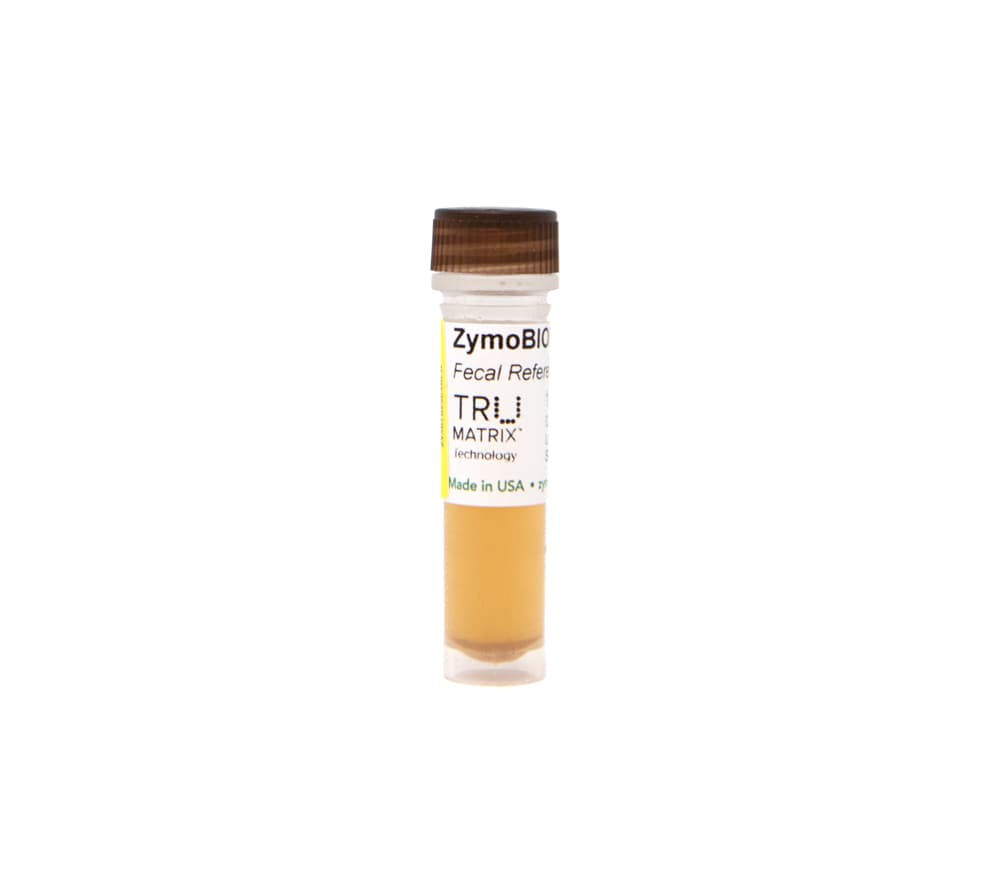
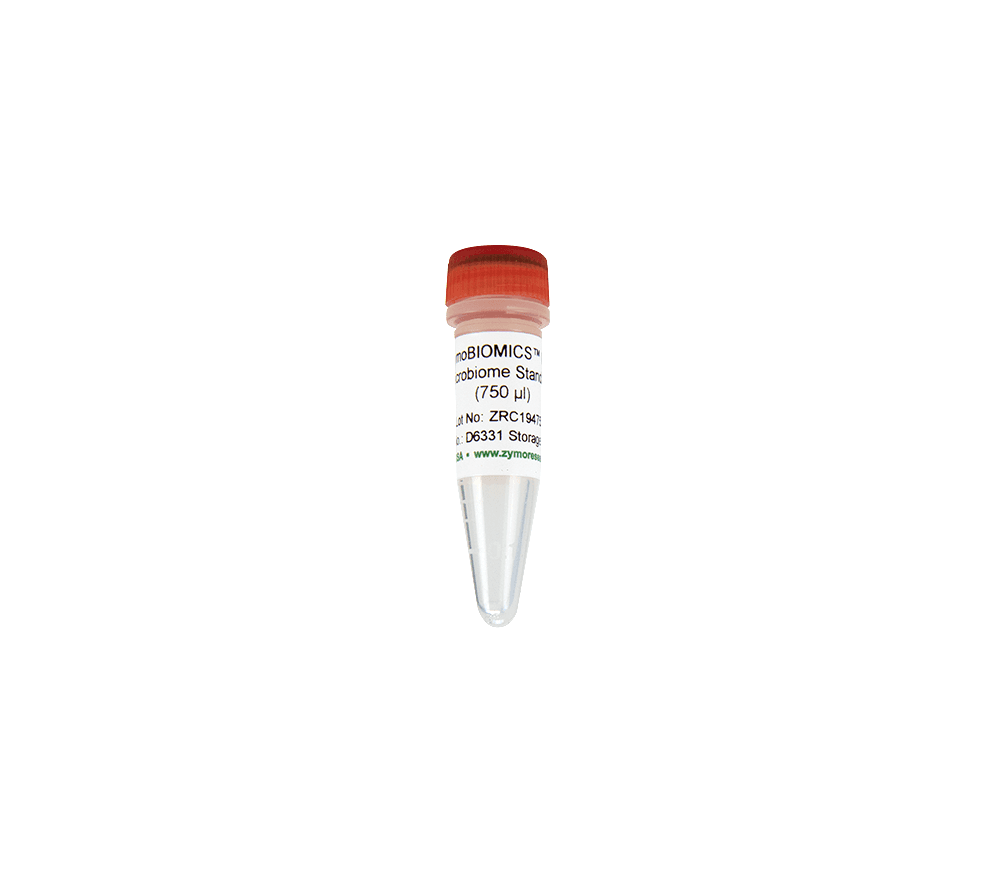
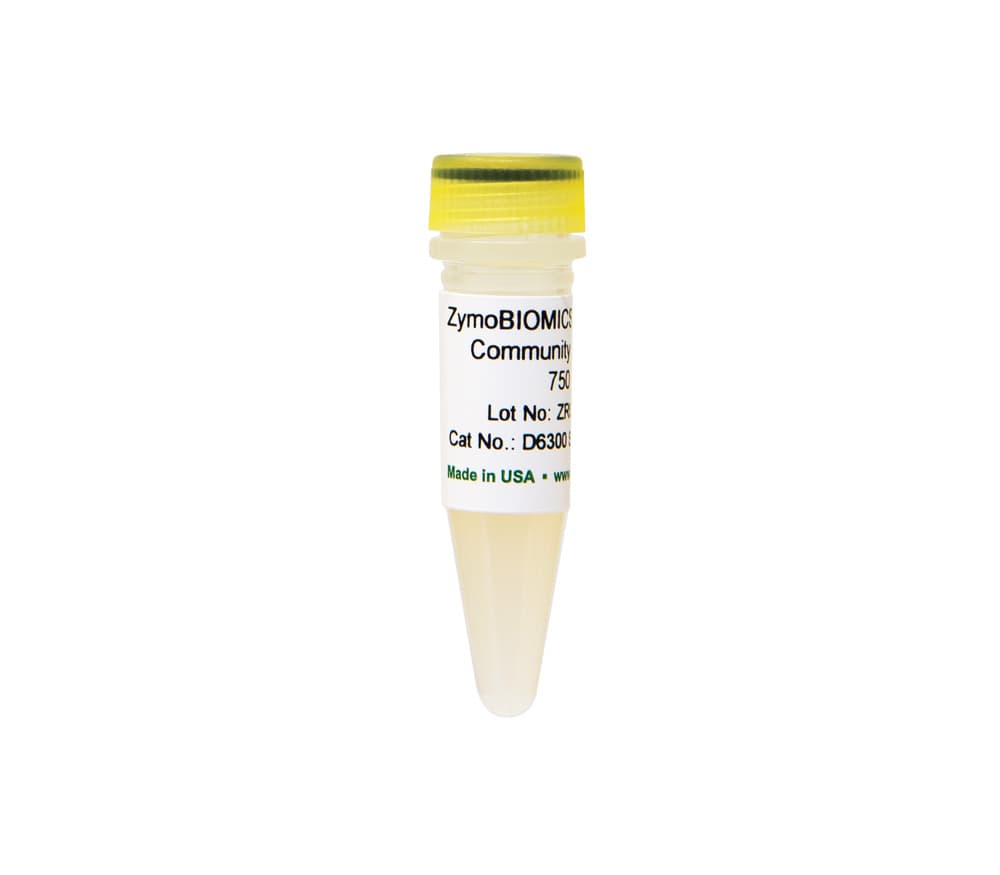

Showing 1 to 11 of 11 results
What are microbiome standards and controls?
Microbiome standards and controls are defined reference materials, ranging from a single microbial DNA standard to a complex mock community containing multiple known bacterial, fungal, or archaeal species at defined relative abundances, used to validate that an extraction, library preparation, and sequencing pipeline is performing as expected. Running a standard alongside real samples provides a specific, customized control for confirming reproducibility and enables meaningful comparison of results generated in different laboratories or at different times.
What you will discover:
-
ZymoBIOMICS™ Community Standards: Mock communities tested for reproducibility with specific microbial ratios to assess taxonomic profiling and ensure accuracy across sequencing platforms.
-
Log-Distributed DNA Standards: Customized genomic blends created to assess the limit of detection (LOD) and linear dynamic range for identifying rare taxa.
-
Microbial Spike-in Controls: Internal standards with high and low loads for precise cell quantification and normalization of data across various matrices in simultaneous processing.
-
Site-Targeted Reference Materials: Specialized standards for gut, oral, and fecal analysis, employing TruMatrix™ technology to replicate authentic spatial transcriptomics environments.
-
High Molecular Weight (HMW) DNA: Ultra-pure, elongated templates designed explicitly to standardize long-read sequencing systems and verify assembly efficacy.
How to choose microbiome standards and controls
Match standard complexity to your validation goal
A single-species microbial DNA or inactivated bacteria standard is sufficient for confirming basic assay sensitivity or specificity, while a multi-species mock community standard with defined relative abundances is needed to evaluate extraction and amplification bias across an entire workflow.
Use a standard to benchmark a new extraction or library prep protocol
Running a known mock community through a new or modified extraction and library preparation protocol, then comparing the resulting sequencing output against the standard's defined composition, reveals whether the new protocol introduces meaningful bias compared with an established method.
Confirm whether your standard supports both DNA-based and RNA-based workflows
Some standards are formulated specifically for DNA-based 16S or shotgun metagenomic workflows, while others, or specific lots, are validated for RNA extraction and metatranscriptomic workflows as well, a distinction worth checking against your specific application.
Include a standard when comparing results across different laboratories
Because microbiome sequencing results can be sensitive to differences in extraction method, primer choice, and sequencing platform between labs, including the same reference standard across collaborating sites supports more reliable comparison of results generated independently.
Confirm standard storage and stability before long-term use
Microbial community standards typically have documented stability windows and storage temperature requirements, and confirming these align with your intended use timeline helps avoid degraded standard material producing misleading validation results.
Specifications context
Individual microbial DNA and inactivated bacteria standards add value specifically by providing a specific, customized control, supporting both microbiomics and metagenomics workflows by increasing reproducibility and allowing reliable comparison of results from different laboratories. As of 2026, defined mock community standards remain a standard tool for benchmarking new extraction or library preparation protocols against established methods before adopting a new workflow for real sample processing.
Reach out to the expert team at MBP Inc. now to obtain a quote for the appropriate microbial standards for your lab.
FAQ