PCR & Molecular Assays for Microbial Quantification and Targeted Detection
PCR & Molecular Assays covers qPCR and digital PCR-based tools used to quantify total bacterial load, screen sample biomass before committing to sequencing, and detect specific pathogens or functional genes within a microbial community, complementing the taxonomic profiling done through 16S/ITS or shotgun sequencing. These molecular assays provide a faster, more targeted readout than sequencing when the question is quantity or presence/absence rather than full community composition. Academic and core laboratories quantifying microbial load or screening for specific targets can benefit from guidance when selecting assay formats and detection strategies.
Explore available PCR and molecular assay reagents or request a quotation by contacting customerservice@mbpinc.net. Our team can help identify the appropriate qPCR or digital PCR workflow for your microbial quantification and screening applications.
PCR & Molecular Assays




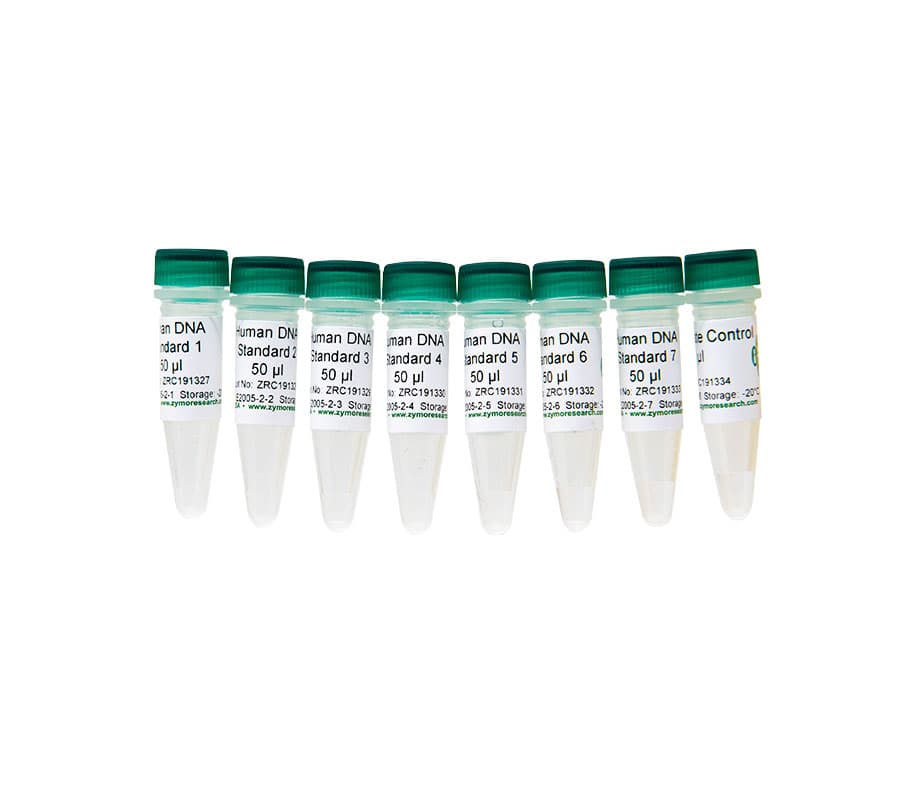
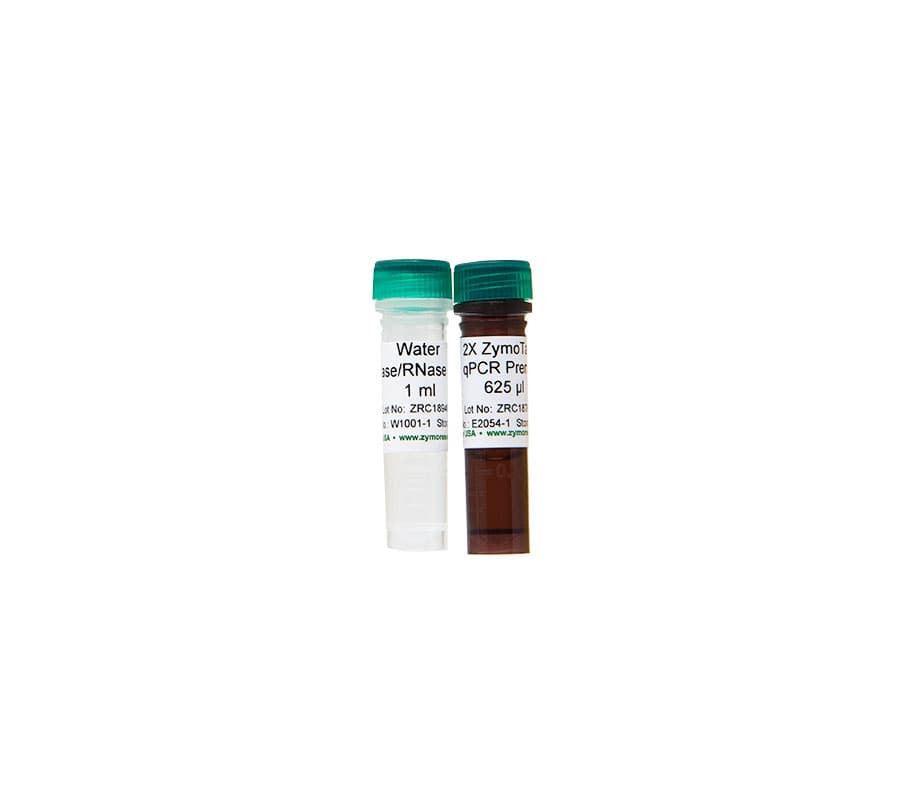
Showing 1 to 10 of 10 results
What are PCR and molecular assays for microbiomics?
PCR and molecular assays in this category use quantitative PCR (qPCR) or digital PCR to measure the copy number of a defined DNA target, most often the 16S rRNA gene, to determine total bacterial load in a sample, or a specific pathogen or functional gene target for detection purposes. Unlike 16S or shotgun sequencing, which characterize the full taxonomic or functional composition of a community, these molecular assays provide a faster, more targeted quantitative or presence/absence readout for a specific question.
What you will discover:
-
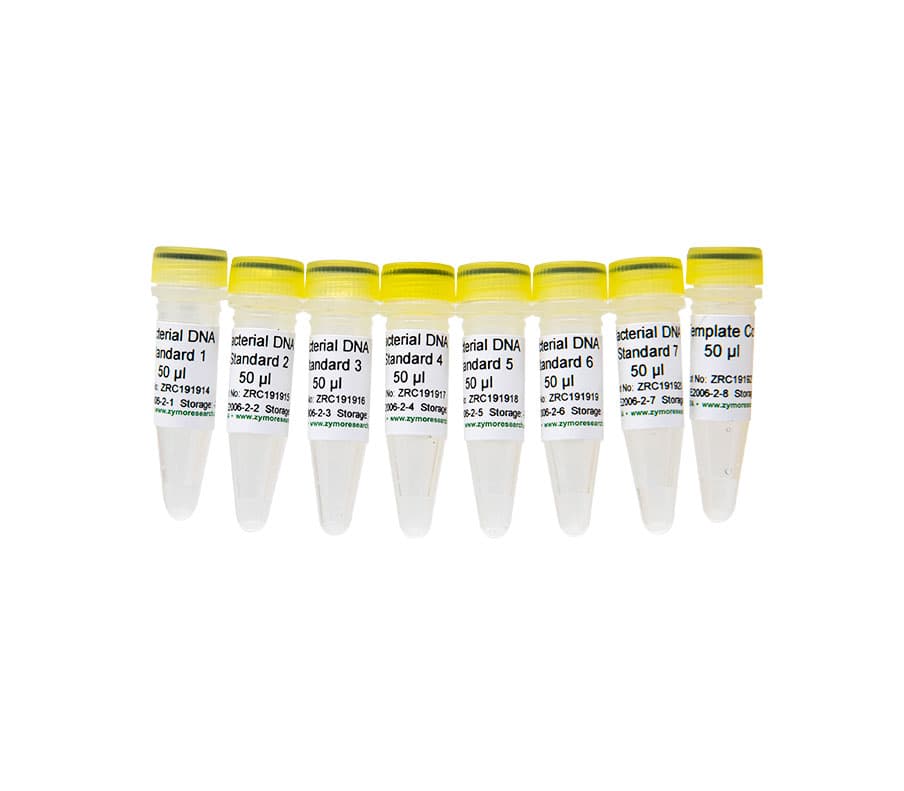
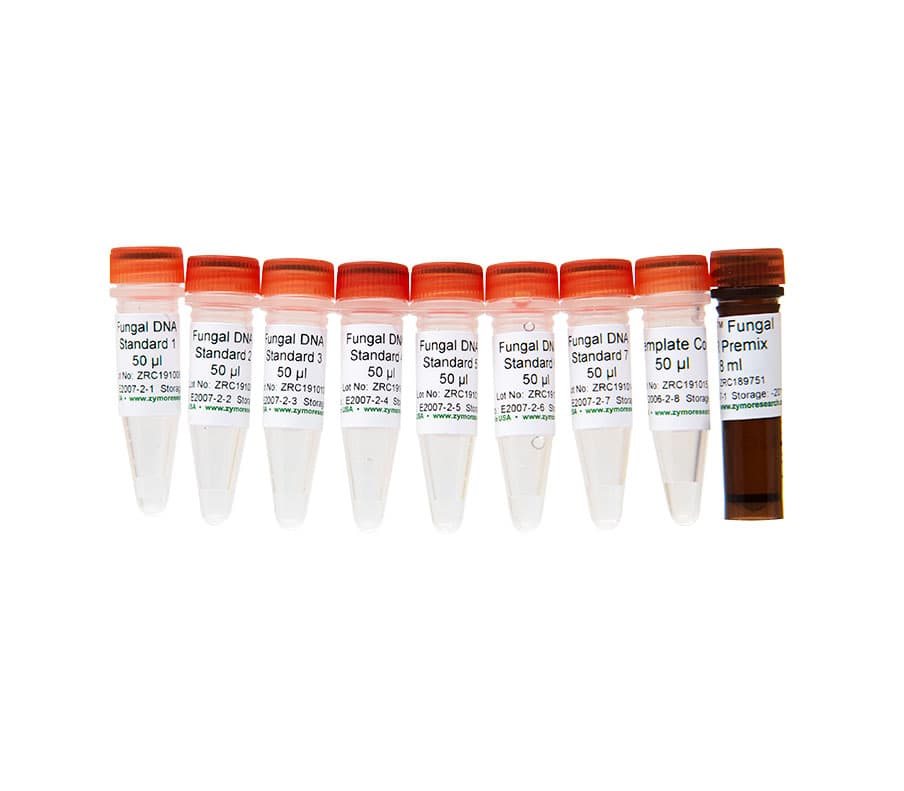
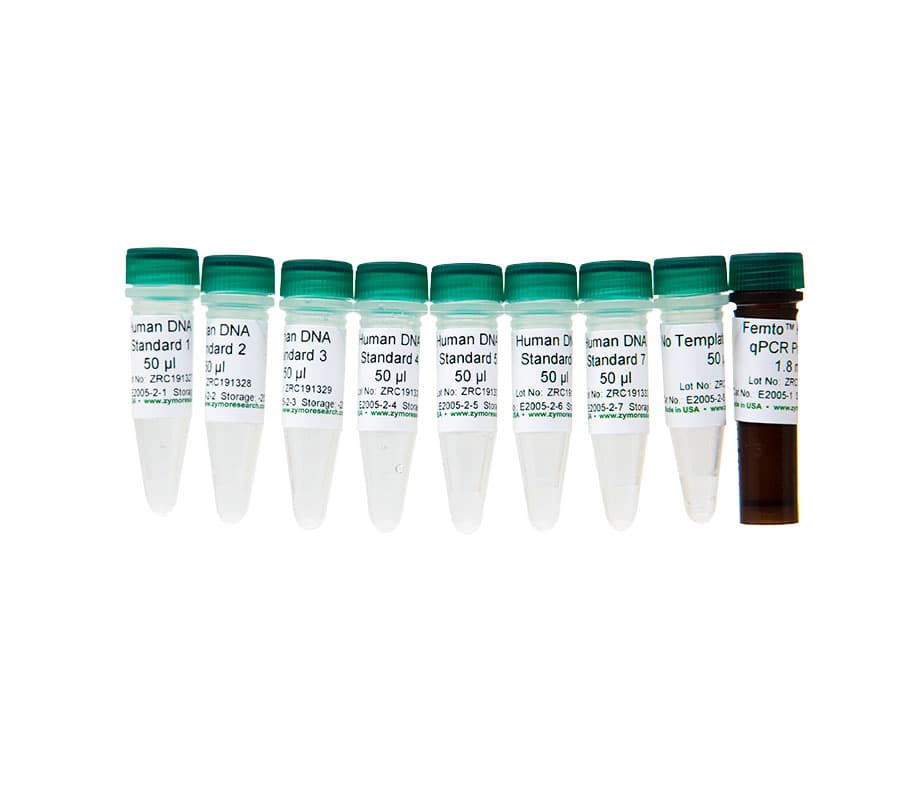
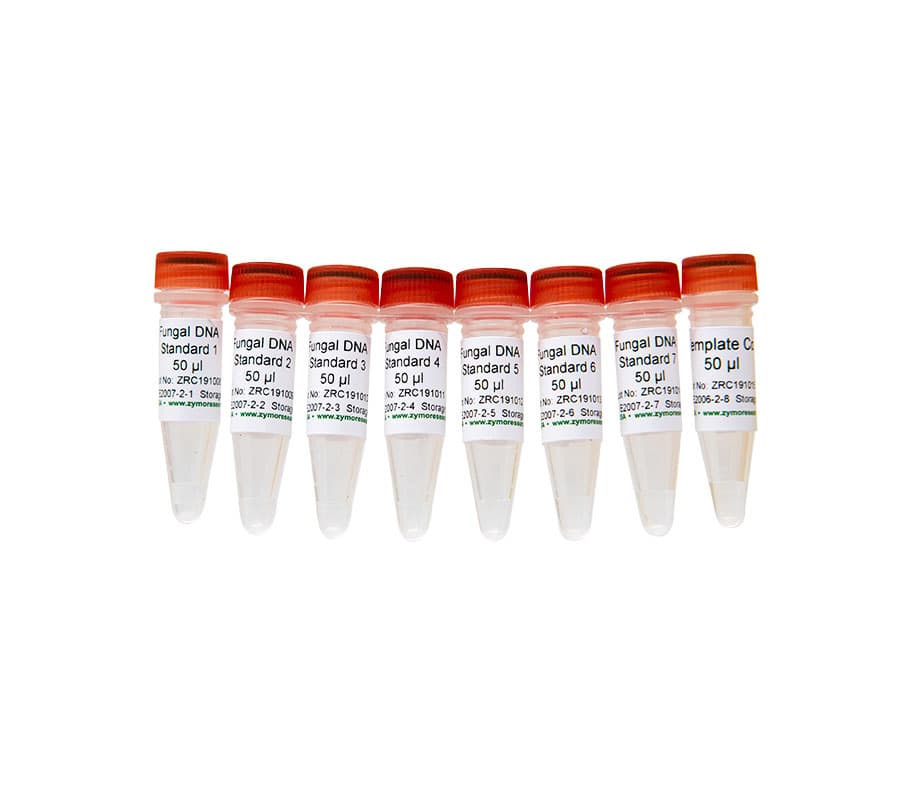
Femto™ Quantification Kits: Highly sensitive systems engineered for the detection of human, bacterial, or fungal DNA at the femtogram level with negligible sequence bias.
-
High-Fidelity qPCR Premixes: Tailored master mixes designed for effective amplification and enhanced nuclear signal localization in low-biomass samples.
-
Certified DNA Standards: Reference materials tested for reproducibility and No Template Controls (NTC) designed to calibrate the linear dynamic range and avert background contamination.
-
ZymoTaq™ Specialized Polymerases: Enzymes that are heat-activated and free of nucleases, crafted to minimize non-specific amplification and guarantee high specificity in workflows associated with CRISPR.
How to choose PCR and molecular assays
Use total bacterial load qPCR to screen samples before sequencing
A qPCR assay targeting the 16S rRNA gene quantifies total bacterial content in a sample, providing a useful pre-sequencing check for low-biomass samples likely to produce poor amplification or unreliable sequencing results if processed without this screening step.
Decide between qPCR and digital PCR based on sensitivity needs
Digital PCR can offer higher sensitivity and more accurate quantification than standard qPCR, particularly for low-biomass samples at the limit of detection, though at the cost of longer processing time, generally a meaningful tradeoff only when standard qPCR proves insufficient.
Confirm your qPCR assay design addresses known technical pitfalls
Well-designed 16S qPCR assays address known issues like self-priming or mispriming of unintended targets, amplification bias from non-optimal primer coverage, and amplicon size constraints for compatibility with clinical or high-throughput qPCR platforms.
Use pathogen-specific or functional gene qPCR for targeted detection
Beyond total bacterial load, qPCR can target a specific pathogen's single-copy gene or a functional gene of interest, such as an antibiotic resistance gene, providing a faster, more targeted answer than waiting for full sequencing and bioinformatic analysis.
Plan for known PCR limitations in environmental and clinical samples
Standard qPCR can be limited by reliance on standard reference materials for quantification and is prone to inhibition from substances naturally present in environmental or clinical samples, such as heavy metals or organic matter, which digital PCR can sometimes overcome with improved robustness.
Specifications context
A PCR-based total bacterial quantification assay can provide an exact calculation of bacterial abundance useful for assessing whether a sample is likely to yield positive amplification before committing it to full sequencing, helping avoid wasted sequencing runs on low-biomass samples. As of 2026, digital PCR continues to see increased adoption over standard qPCR specifically for low-biomass, environmental, or inhibitor-prone sample types, where its improved sensitivity and accuracy can outweigh its longer processing time.
Reach out to the expert team at MBP Inc. now to ask for a quote on the appropriate PCR and molecular assays for your laboratory.
FAQ