Gel Electrophoresis Reagents for Nucleic Acid Separation and Visualization
Gel Electrophoresis Reagents covers the consumable components of a nucleic acid gel electrophoresis workflow: agarose powder for gel casting, DNA and RNA size markers for band sizing, TAE and TBE running buffers for the electrophoresis tank, gel loading dyes for sample visualization and tracking, and fluorescent staining reagents for detecting separated nucleic acids. These are the routine consumables that every molecular biology laboratory working with gels replenishes regularly. Academic and core laboratories sourcing or replenishing electrophoresis supplies can benefit from guidance when selecting reagents matched to sample type, fragment size range, and detection requirements.
Explore available gel electrophoresis reagents or request a quotation by contacting customerservice@mbpinc.net. Our team can help identify the appropriate agarose, ladders, buffers, loading dyes, and nucleic acid stains for your electrophoresis workflow.
Electrophoresis Reagents


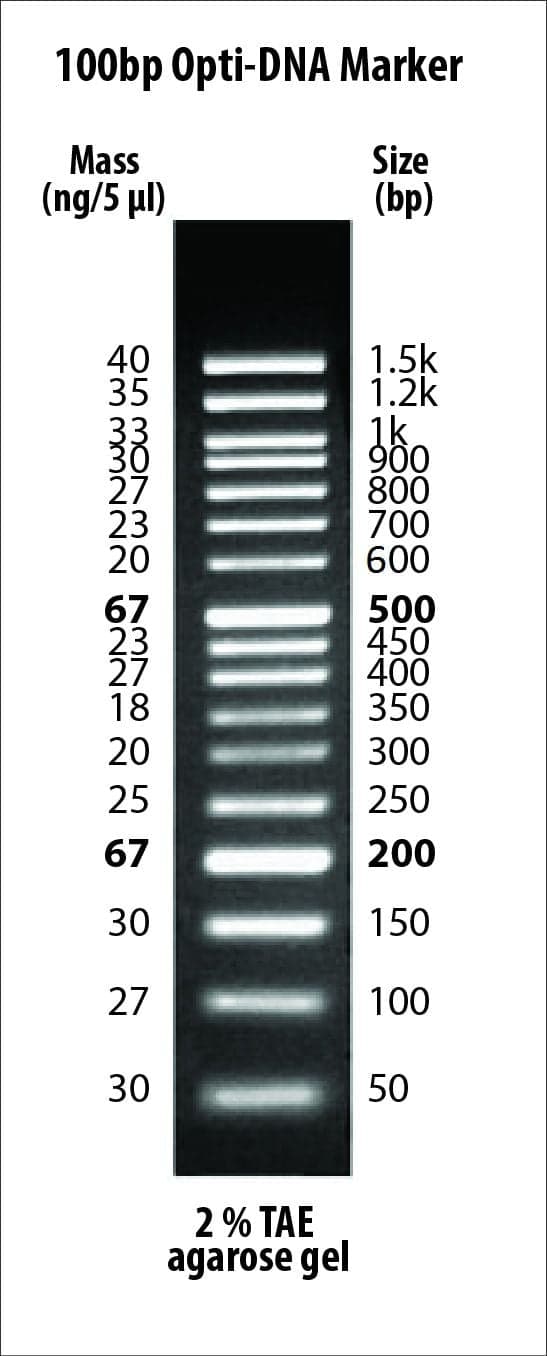
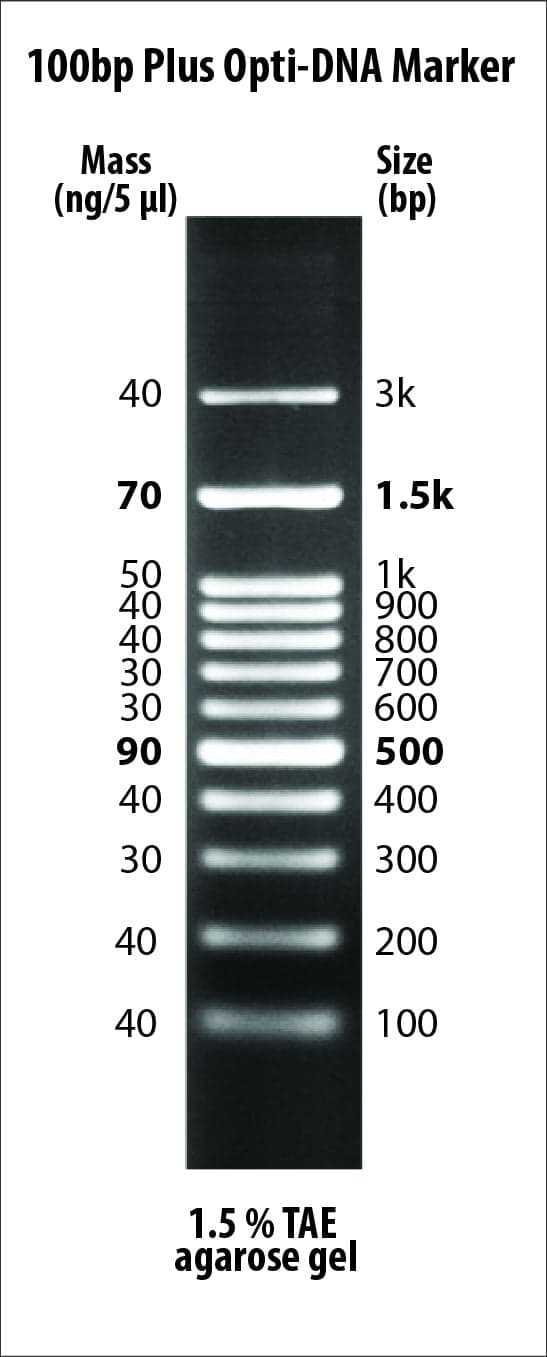
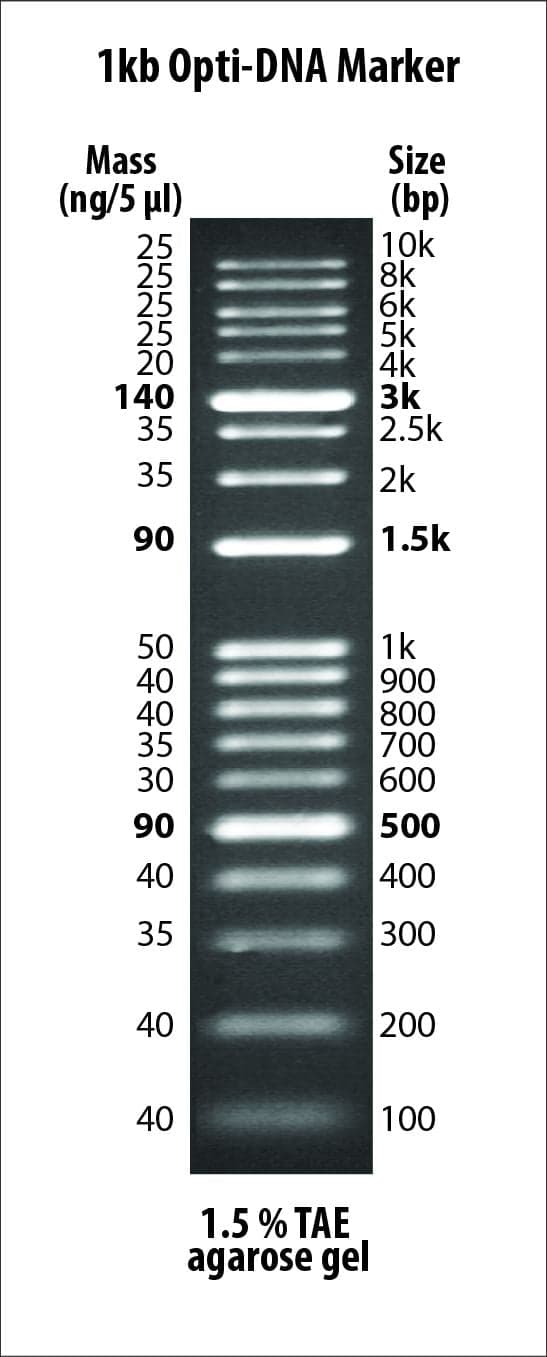

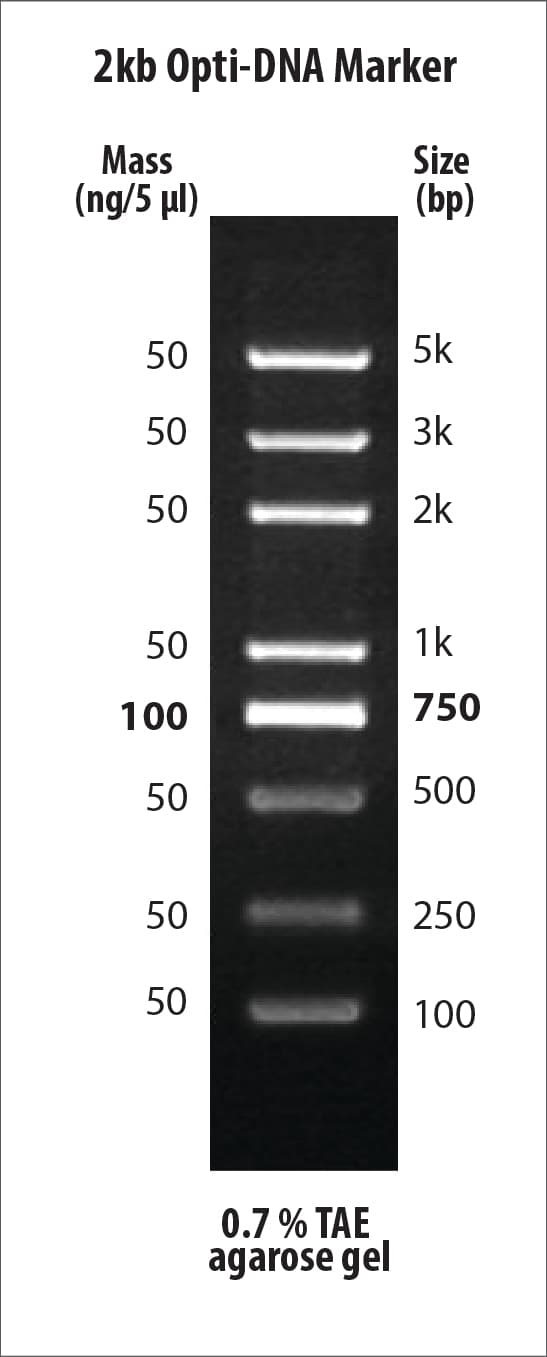
Showing 1 to 12 of 33 results
What are gel electrophoresis reagents?
Gel electrophoresis reagents are the consumable materials used to prepare, run, and visualize a nucleic acid gel: agarose powder, dissolved in a running buffer, casts the gel matrix; the same or a fresh buffer fills the electrophoresis tank; DNA or RNA size markers are loaded into a dedicated lane for fragment size reference; loading dyes are mixed with samples before loading to enable tracking of migration progress and to ensure samples sink into wells; and fluorescent staining reagents, either pre-cast into the gel or applied post-electrophoresis, allow visualization of separated nucleic acid bands under UV illumination.
What you will find:
- DNA ladders/Markers: for comparison of nucleic acid fragments and accurate sizing in gel electrophoresis
- Protein ladders/Markers: for precise size estimation in protein analysis and SDS-PAGE workflows
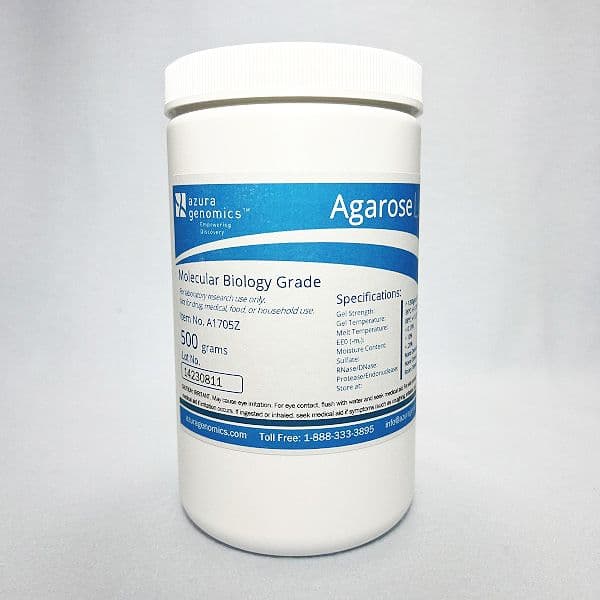
- Agarose: for high-resolution separation of DNA and RNA, and preparation of gel matrix
- Gel stain: for visualizing proteins and nucleic acids in electrophoresis gels
- RNA Ladders & Markers: for precise sizing of RNA fragments, electrophoretic analysis, and transcript integrity assessment.
- Electrophoresis Buffers: for enhanced gel performance, stable pH maintenance, and consistent nucleic acid migration
How to navigate gel electrophoresis reagents
Choose agarose concentration based on your expected fragment size range
Standard agarose at 0.7% resolves fragments from about 2 to 25 kb, while 1–1.5% is suitable for most routine PCR product verification and restriction digest analysis, and 2% or higher is used for resolving smaller fragments below 500 bp with greater separation between closely sized bands.
Select your running buffer based on resolution needs and run duration
TAE is commonly used for fragments larger than 1 kb and for gels where DNA recovery is planned, while TBE provides sharper resolution for smaller fragments and offers greater buffering capacity during longer electrophoresis runs.
Match your DNA ladder to your samples' expected size range
Choose a ladder whose reference fragments span and closely bracket the expected fragment sizes in your samples, and confirm whether the ladder is supplied in a standard or ready-to-load format to match your workflow.
Choose a staining reagent matched to your safety requirements and equipment
Ethidium bromide remains a widely used staining reagent, while alternatives such as GelRed and SYBR Safe offer improved safety profiles. GelGreen is commonly used with blue-light imaging systems rather than UV-based transilluminators.
Include a consistent loading volume per well to avoid overloading artifacts
Overloading wells can cause band smearing and distorted migration patterns, so maintaining consistent loading volumes across sample and ladder lanes helps improve band sharpness and sizing accuracy.
Specifications context
Agarose gel electrophoresis is the most widely used method for analyzing DNA fragments between approximately 0.1 and 25 kb, with gel concentration serving as the primary variable for adjusting resolution to suit different fragment size ranges.
Ready-to-load premixed DNA ladders are the standard format in many molecular biology laboratories, reducing preparation steps, while safer alternatives to ethidium bromide continue to see broader adoption despite EtBr remaining common in validated workflows.
Contact the expert team at MBP to select the right Electrophoresis Reagents for your lab.
FAQ