Protein Ladders/Markers for SDS-PAGE and Western Blot Molecular Weight Estimation
Protein Ladders/Markers covers the defined molecular weight standards used in SDS-PAGE and western blot to size proteins and verify transfer efficiency, in prestained (visible on gel during electrophoresis) and unstained (more accurate sizing after staining) formats. Protein ladders differ from DNA and RNA ladders: they are made from purified proteins of defined molecular weights measured in kilodaltons rather than nucleic acid fragments in base pairs, and run under SDS-PAGE conditions. Academic and core laboratories can benefit from guidance when selecting ladder formats, molecular weight ranges, and detection types for protein separation and western blot workflows.
Explore available protein ladders and markers or request a quotation by contacting customerservice@mbpinc.net. Our team can help identify the appropriate molecular weight standards for SDS-PAGE and western blot analysis.
Protein Ladders/Markers

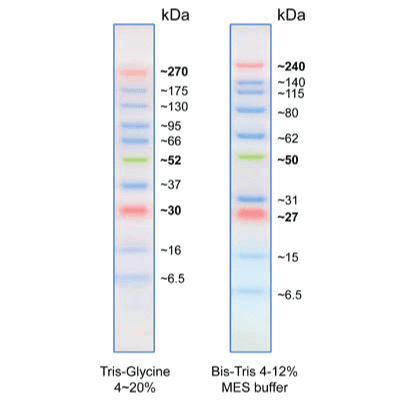

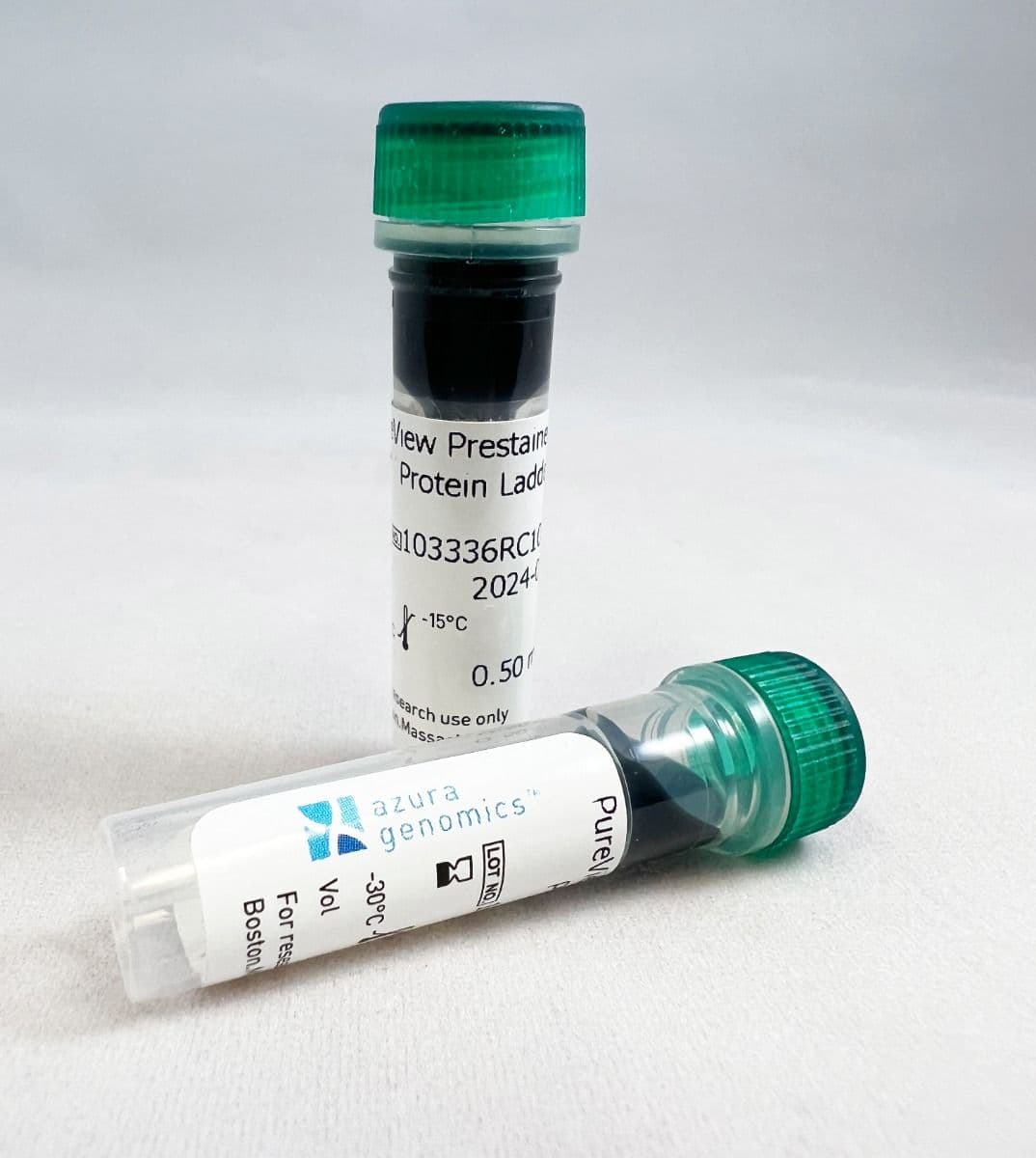
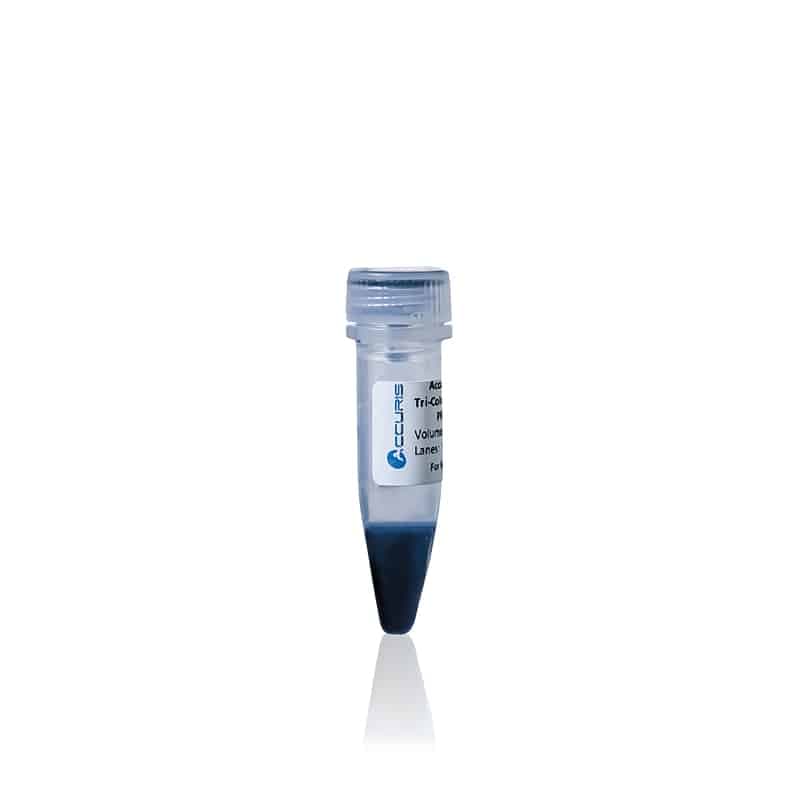
Showing 1 to 5 of 5 results
What are protein ladders and size markers?
Protein ladders and size markers are mixtures of purified proteins of precisely defined molecular weights, measured in kilodaltons (kDa), run in a dedicated gel lane during SDS-PAGE to provide a molecular weight scale for sizing proteins of interest in adjacent lanes. Prestained protein ladders carry colored dyes covalently coupled to each protein band, making them visible during electrophoresis to monitor protein separation progress in real time and to verify membrane transfer efficiency in western blotting. Unstained ladders provide more accurate molecular weight estimation after gel staining.
What you will find:
-
Prestained Protein Ladders: including PureView™ Prestained Protein Ladder, Opti-Protein Marker, and Opti-Protein Ultra Marker for accurate protein size estimation and clear band identification in western blot and SDS-PAGE workflows
How to choose protein ladders and markers
Choose a prestained ladder to monitor SDS-PAGE and verify western blot transfer
Prestained protein ladders are visible in real time on the gel during electrophoresis, allowing you to monitor band migration and stop the run at the right time, and continue to be visible on the transfer membrane to confirm that bands have transferred completely before antibody incubation.
Use an unstained ladder when precise molecular weight determination is the priority
Unstained protein ladders give more accurate apparent molecular weight estimation because the dye used to color prestained ladders slightly alters each protein's apparent molecular weight, and the dye-free unstained version migrates more closely to the theoretical molecular weight determined by calibration against known standards.
Match your ladder's kDa range to your target protein's expected size
Choose a ladder whose coverage spans and brackets your target protein's expected molecular weight, since a protein that migrates above the largest ladder band or below the smallest cannot be accurately sized against that ladder.
Confirm ladder compatibility with your gel system and buffer chemistry
Pre-stained protein ladders have apparent molecular weights that differ depending on the SDS-PAGE buffer system used, such as Tris-Glycine versus Bis-Tris, and the gel percentage, because buffer pH affects SDS binding and protein charge, altering migration.
Use a two-color or multi-color ladder for quick gel orientation
Many prestained protein ladders include differently colored reference bands, typically used for quick visual orientation of the gel and transfer membrane.
Specifications context
Prestained protein ladders typically cover a range of 10 to 245 kDa depending on format, with reference bands for orientation. Ready-to-use ladders supplied in loading buffer are commonly used for routine SDS-PAGE and western blot workflows.
No more faint bands. Contact the expert team at Molecular Biology Products Inc. (MBP) to get the right protein ladders/markers for your lab.
FAQ