Product Filters

DNA Ladders/Markers for Accurate DNA Fragment Sizing


DNA Ladders/Markers covers multi-fragment DNA size standards loaded alongside samples in gel electrophoresis to enable fragment sizing by migration comparison, including 100 bp, 1 kb, and extended-range ladders from 50 bp to 48 kb. Most modern ladders come ready-to-load, pre-mixed with loading dye and glycerol, eliminating the separate dye-addition step. Choosing the right ladder means matching its fragment range to your expected sample sizes and confirming its format and tracking dye are compatible with your visualization method. Academic and core laboratories can benefit from guidance when selecting DNA ladders appropriate for their fragment size range, gel conditions, and detection workflow.

Explore available DNA ladders and markers or request a quotation by contacting customerservice@mbpinc.net. Our team can help identify the appropriate size standard for your DNA electrophoresis applications.

DNA Ladders/Markers

Per Page:
Sort By:
1 KB DNA Marker
List Price:
USD10.42 - USD304.15
Online Price:
USD7.44 - USD217.25
Your Price:
100bp DNA Marker
List Price:
USD10.42 - USD304.15
Online Price:
USD7.44 - USD217.25
Your Price:
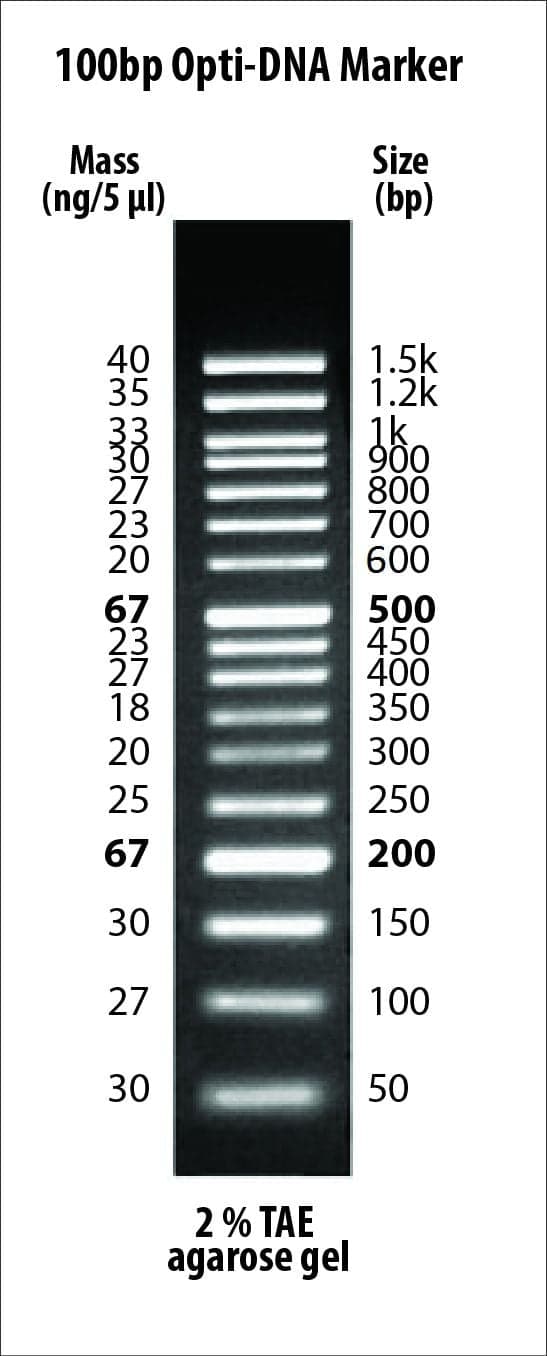
100bp Opti-DNA Marker
List Price:
USD68.05
Online Price:
USD48.61
Your Price:
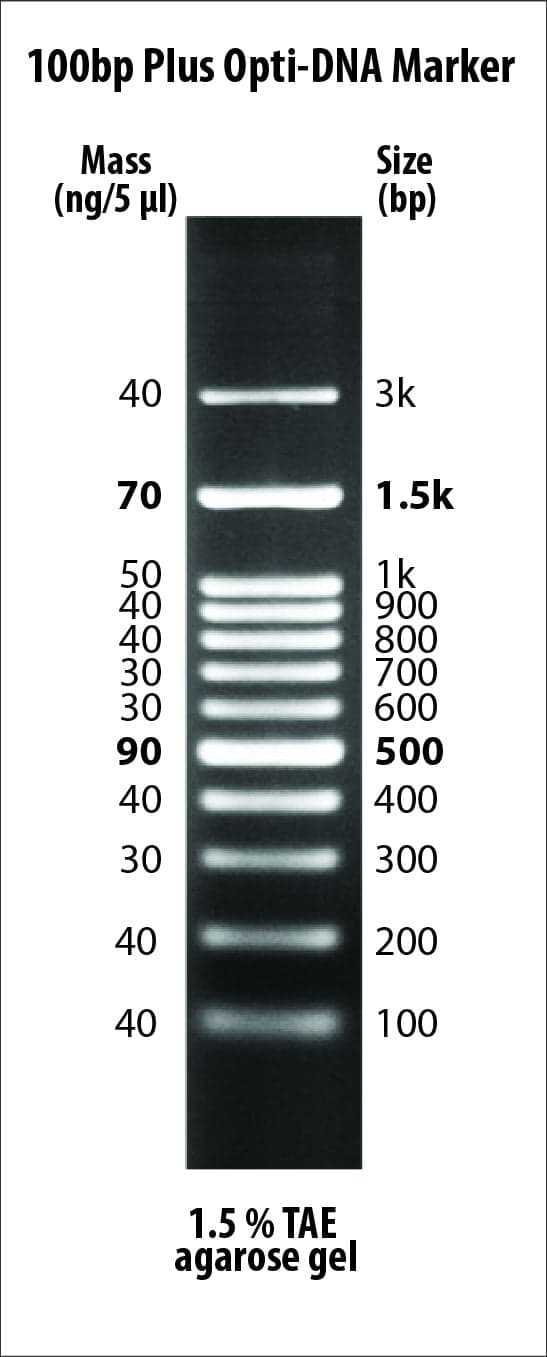
100bp Plus Opti-DNA Marker
List Price:
USD68.05
Online Price:
USD48.61
Your Price:
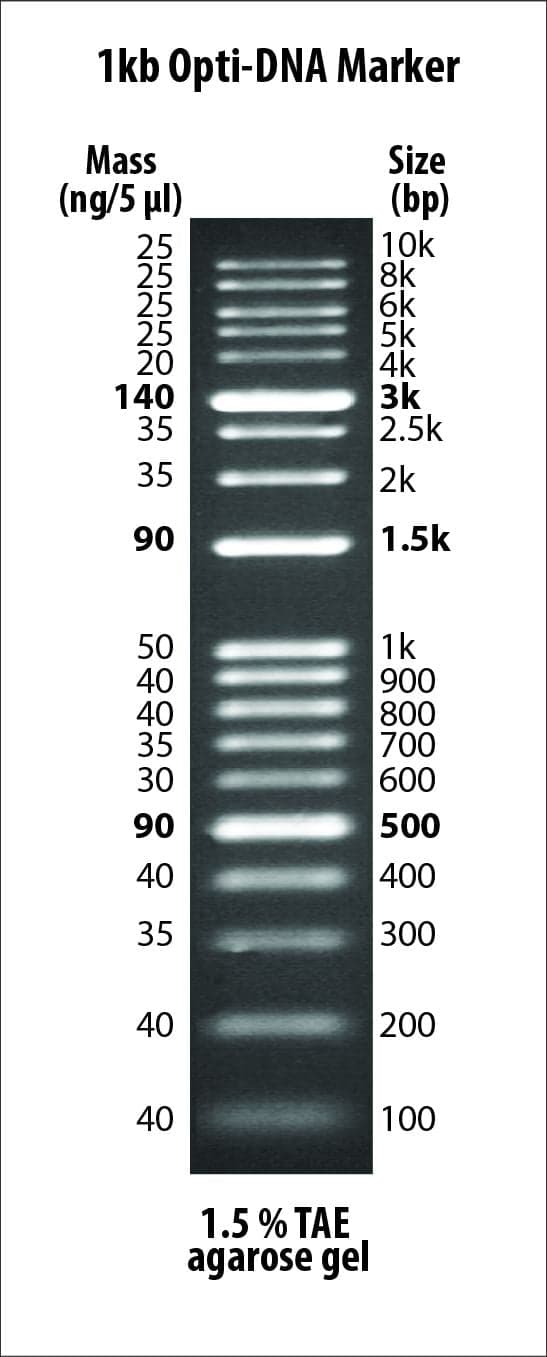
1kb Opti-DNA Marker
List Price:
USD68.05
Online Price:
USD48.61
Your Price:
1kb Plus Opti-DNA Marker
List Price:
USD68.05
Online Price:
USD48.61
Your Price:
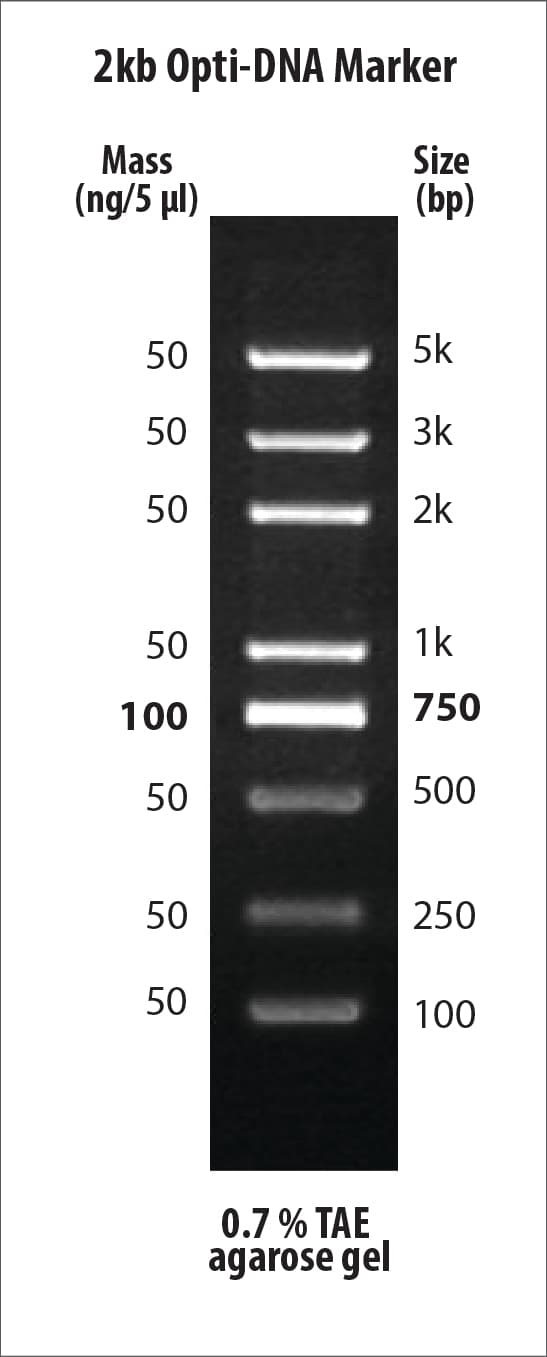
2kb Opti-DNA Marker
List Price:
USD83.33
Online Price:
USD59.52
Your Price:
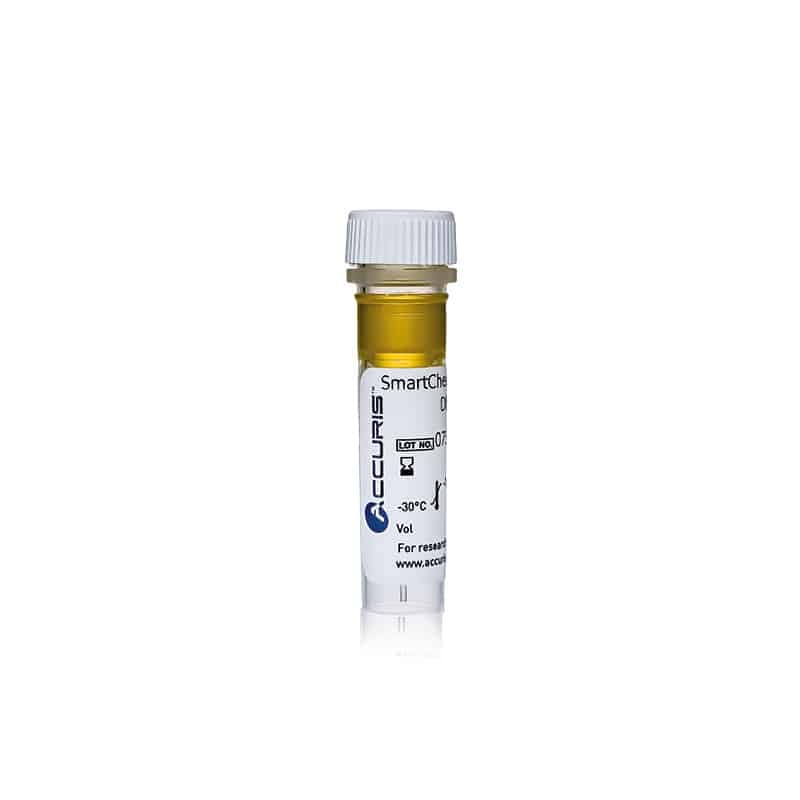
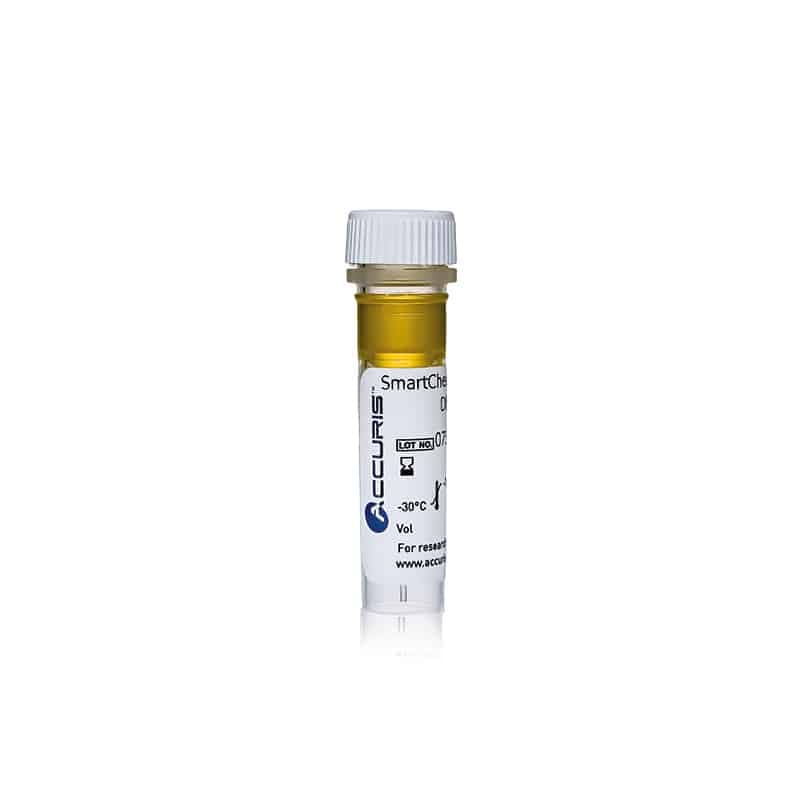
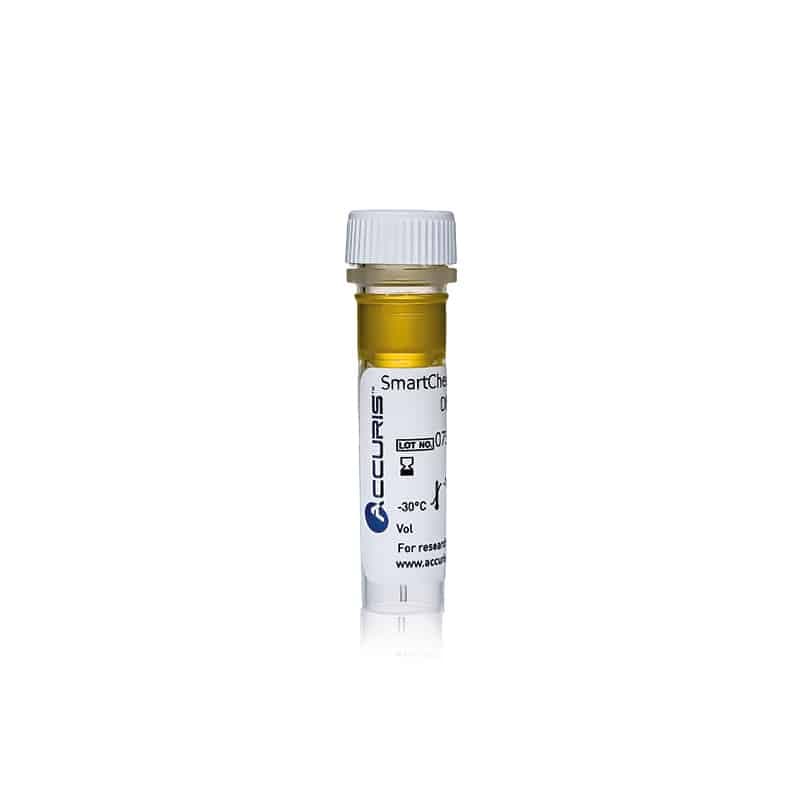
Accuris SmartCheck™ 100bp DNA Ladder
List Price:
USD57.72 - USD258.37
Online Price:
USD41.23 - USD184.55
Your Price:
Accuris SmartCheck™ 1kb DNA Ladder
List Price:
USD57.72 - USD258.37
Online Price:
USD41.23 - USD184.55
Your Price:
Accuris SmartCheck™ 50bp DNA Ladder
List Price:
USD57.72 - USD258.37
Online Price:
USD41.23 - USD184.55
Your Price:
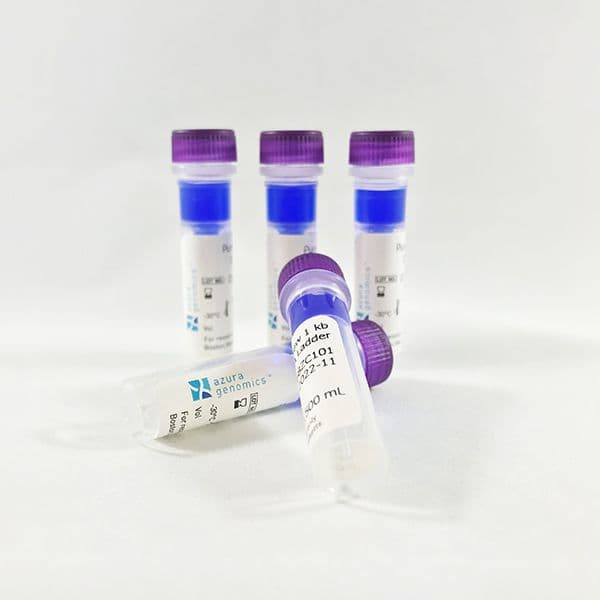
Azura PureView™ 1kb DNA Ladder
List Price:
USD73.15 - USD352.45
Online Price:
USD52.25 - USD251.75
Your Price:
Azura PureView™ 50 bp DNA Ladder
List Price:
USD86.45 - USD452.20
Online Price:
USD61.75 - USD323.00
Your Price:

Showing 1 to 12 of 17 results

What are DNA ladders and size markers?


DNA ladders and size markers are mixtures of double-stranded DNA fragments of precisely known lengths, run in a dedicated lane alongside experimental samples to provide a fragment size scale. Each band represents a DNA fragment of a specific, labeled size, and sample band migration distance is compared against the ladder's reference bands to estimate fragment length. Most ladders also provide approximate mass information per band based on total DNA loaded, allowing a rough estimate of sample mass by intensity comparison.


What you will find:


  • 1Kb DNA ladders: for medium to large-sized DNA fragments. Applications include plasmid analysis, cloning, and routine molecular biology applications

  • 2Kb DNA ladders: for wider-range analysis of DNA fragments and common electrophoresis uses

  • 100bp DNA ladders: for accurate sizing and high-resolution separation of small DNA fragments in sequencing and PCR workflows

  • 50bp DNA ladders: for superfine resolution of DNA fragments with low molecular weight in precise genetic analysis 


How to choose DNA ladders and markers


Match your ladder's size range to your expected sample fragment sizes

If your samples are expected to be in the 200 bp to 5 kb range, a 1 kb ladder covering approximately 0.5 to 10 kb is a suitable choice. For smaller PCR amplicons, a 100 bp ladder provides more useful reference points. Select a ladder whose defined fragments span the full expected sample size range.

Choose a ready-to-load format for convenience in routine work

Ready-to-load ladders are supplied pre-mixed with loading dye and density agents, allowing direct loading into gel wells without additional preparation and reducing handling steps during routine electrophoresis workflows.

Look for a reference band at a convenient size for quick orientation

Many ladders contain one or more enhanced-intensity reference bands at commonly used sizes such as 1 kb or 3 kb, making it easier to identify ladder positions and estimate sample fragment sizes at a glance.

Confirm your staining method is compatible with the ladder's tracking dye

Certain tracking dyes can interfere with visualization of nearby DNA bands under some staining conditions, while alternative dye formulations help reduce shadowing effects and improve band visibility near the migration front.

Check whether your ladder provides mass information for DNA quantification

Some ladders include estimated DNA mass values for individual bands, allowing approximate comparison of sample band intensity against a known reference. Precise quantification, however, generally requires dedicated fluorometric or spectrophotometric measurement.


Specifications context


DNA ladders are generated from defined DNA templates and designed to produce fragments of known sizes, often with one or more higher-intensity bands that serve as visual reference points for rapid orientation during gel analysis.

Ready-to-load premixed ladder formats remain the most widely used option for routine electrophoresis workflows, while extended-range ladders continue to gain popularity by covering both small and large fragment sizes within a single product.

Contact the expert team to get high-performance and ultra-resolution DNA ladders for your lab. 

FAQ

A 100 bp ladder is the right choice when your samples are small PCR amplicons, short restriction fragments, or other DNA in the 100 bp to 2 kb range, since its closely-spaced reference bands give you better size discrimination across this smaller size range. A 1 kb ladder covers a broader range from roughly 0.5 to 10 kb and is a better choice when your samples may include a wider range of fragment sizes including larger products above 2 kb.
Ready-to-load DNA ladders are pre-mixed with loading dye and a density reagent like glycerol, so they can be pipetted directly into a gel well without any additional preparation, while standard format ladders need loading dye added before each use. The convenience of not needing an extra dye-addition step makes ready-to-load formats the default choice for most routine gel electrophoresis work.
Many DNA ladders include one or more bands produced at higher concentration than the other bands, appearing brighter in the stained gel, at a convenient reference size like 1 kb or 3 kb, which gives you an easy visual anchor for orienting the ladder pattern. Counting bands up or down from this bright reference is the standard way to identify specific ladder bands without needing to count from the well each time.
Some 1 kb ladders include mass per band information for a specified total load, and if you load the same recommended amount of ladder, you can roughly estimate how much DNA is in a sample band by comparing the staining intensity of your band to a ladder band of similar size and known mass. This is a rough approximation rather than an accurate quantification, so for precise DNA quantification, a fluorometric method using a calibrated standard is more reliable.
Ladders containing conventional bromophenol blue tracking dye can cast a UV shadow over nearby DNA bands when using UV-excited intercalating stains, potentially obscuring bands that migrate near the dye front, while newer formulations using lighter dye colors, such as purple dyes, avoid this shadow effect. For gel electrophoresis using UV transillumination with ethidium bromide or similar stains, a ladder with a UV-shadow-free tracking dye avoids losing the smallest ladder bands to dye obscuration.
For very large DNA fragments such as BAC clone inserts, extended-range ladders like the 1 kb Extend, which covers 0.5 to 48.5 kb with fragments spanning the full range, are a better choice than standard 1 kb ladders that top out at 10 kb. Running these large fragments typically requires lower agarose concentrations around 0.5% or specialized pulse-field gel electrophoresis for fragments above 25 kb.
Faint or missing ladder bands most commonly result from loading too little total ladder per lane, not fully vortexing the ladder before use particularly after storage at -20°C where freeze-thaw can cause aggregation, or using an expired or degraded ladder product. Following the manufacturer's recommended loading amount and ensuring the ladder is well mixed before each use resolves most cases of faint or inconsistent ladder banding.
Yes, MBP offers academic and bulk pricing for 100 bp, 1 kb, extended-range, and ready-to-load DNA ladder formats, with specialist support for matching a ladder format to your expected sample size range. Orders ship from MBP's US office in Houston, Texas, with stock available in both USD and CAD.
We provide the highest quality of products and anytime customer service.
Featured Categories
    online payment
    online payment
    fast delivery
    fast delivery
    technical support
    technical support
    24/7 support
    24/7 support
    copy right
    2026 All Right Reserved