Product Filters

AAV Over-Expression Vectors & Pre-Packaged Particles


MBP Inc. supplies AAV vectors and pre-packaged AAV particles, including CMV-, EF1α-, hSyn-, and CAG-driven control vectors, GFP and luciferase reporter constructs, Cre-inducible DIO vectors, and CRISPR/siRNA control reagents across multiple serotypes. These products support gene delivery, reporter validation, and experimental control workflows in research laboratories across the USA and Canada.

Discover MBP's AAV over-expression products for gene expression studies. Contact customerservice@mbpinc.net today to request a quote.

Over-Expression Vectors
Per Page:
Sort By:
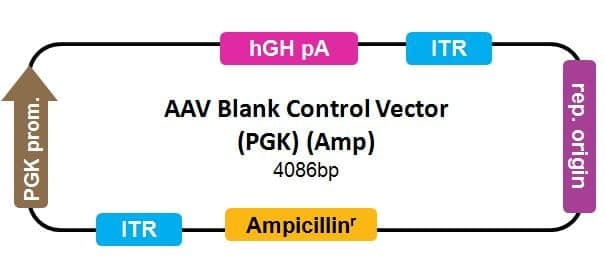
AAV-PGK-Blank Control Vector
List Price:
USD241.82
Online Price:
USD172.73
Your Price:
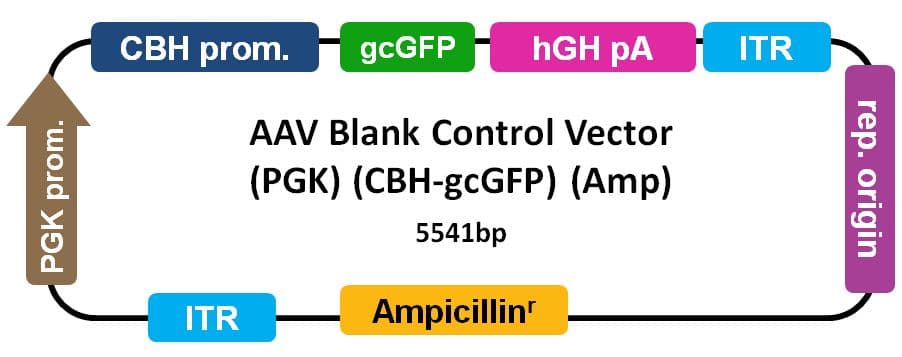
AAV-PGK-Blank-CBh-GFP Control Vector
List Price:
USD241.82
Online Price:
USD172.73
Your Price:
AAV-PGK-Blank-SV40-Luc Control Vector
List Price:
USD241.82
Online Price:
USD172.73
Your Price:
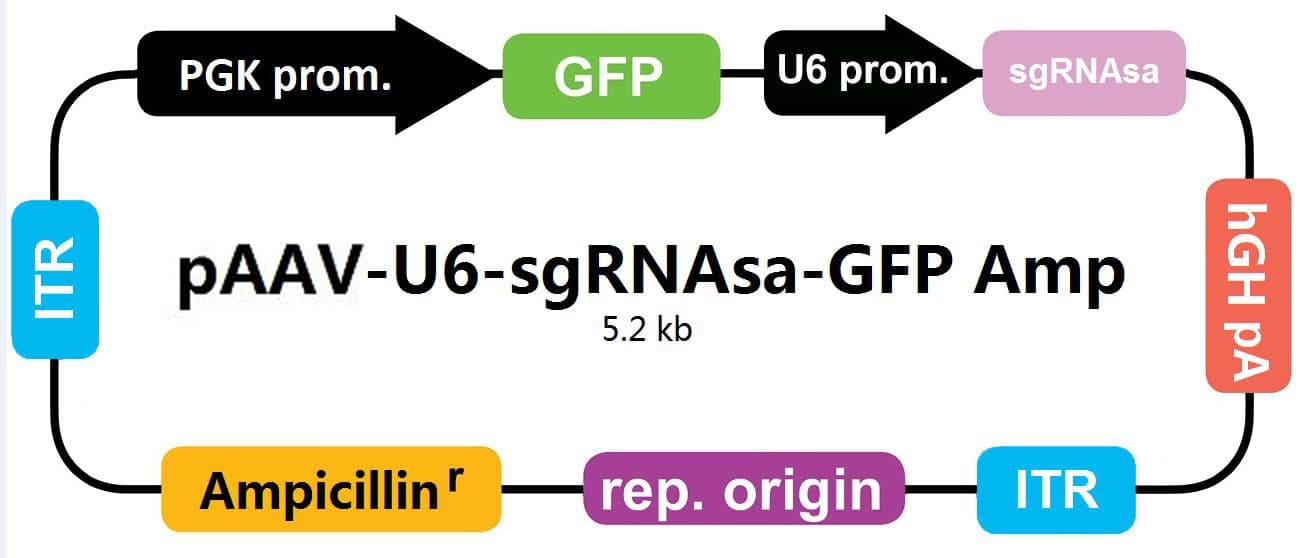
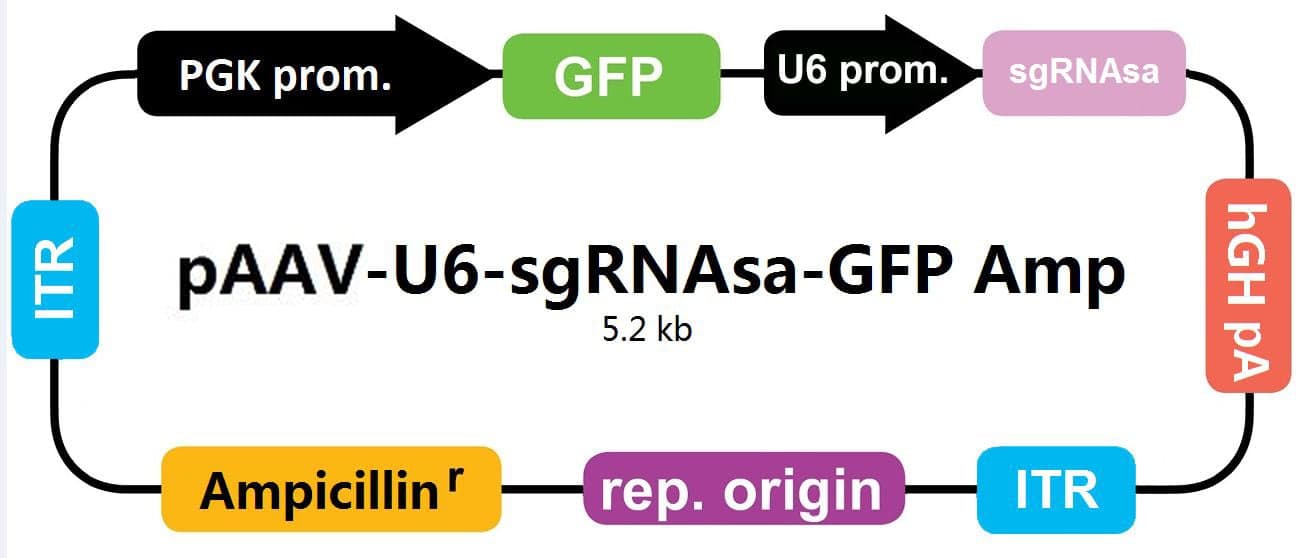
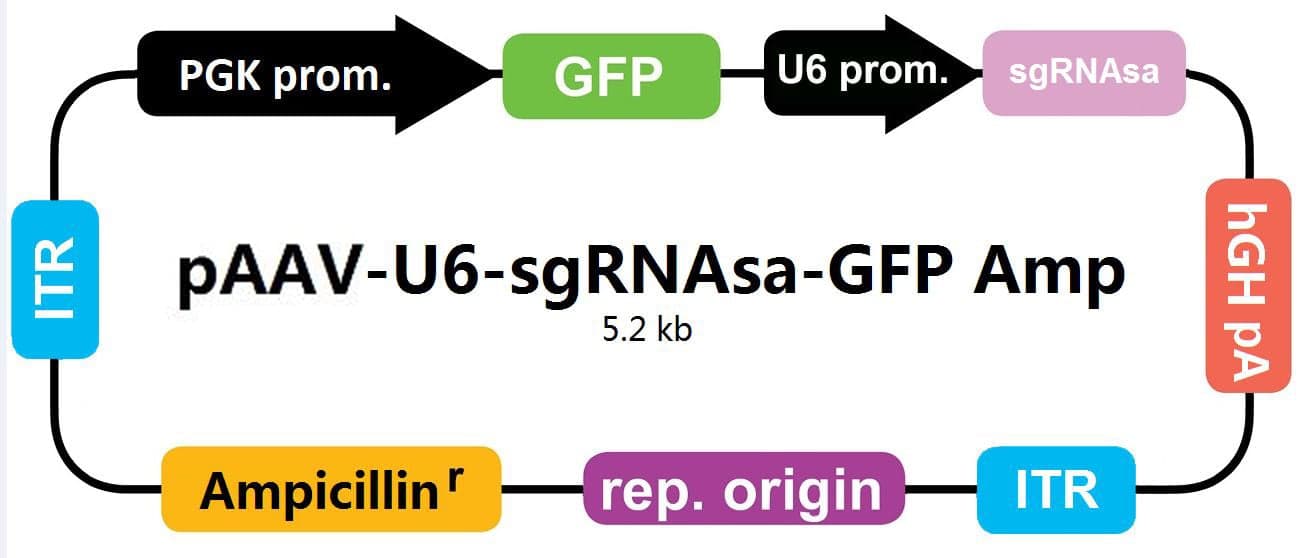
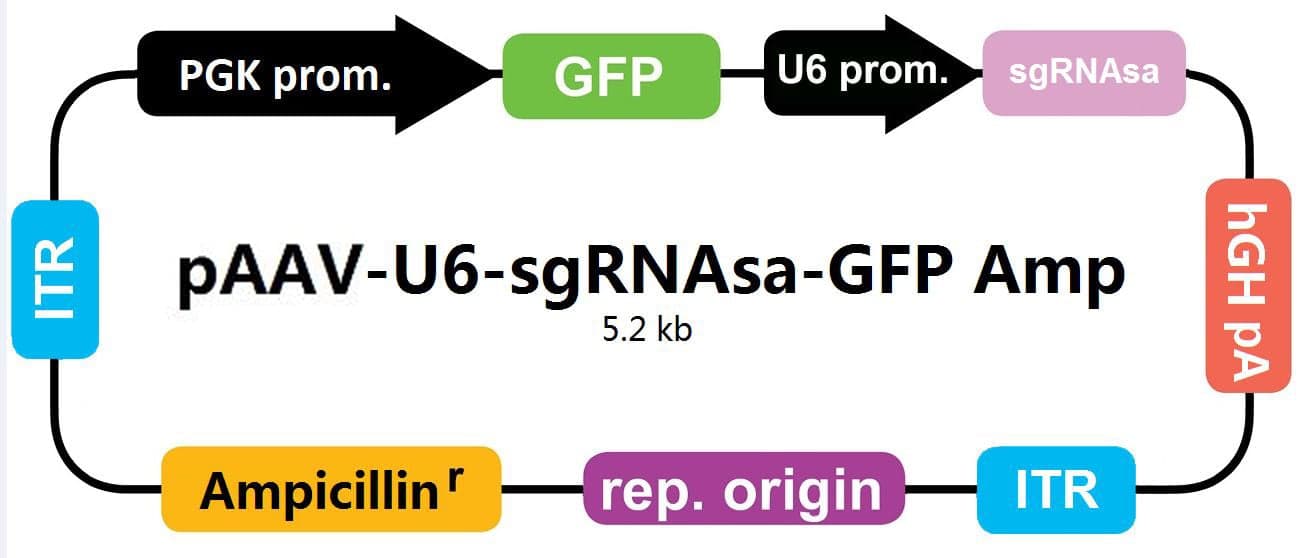
CRISPR Scrambled sgRNA AAV Vector Amp (for saCas9)
List Price:
USD174.99
Online Price:
USD124.99
Your Price:
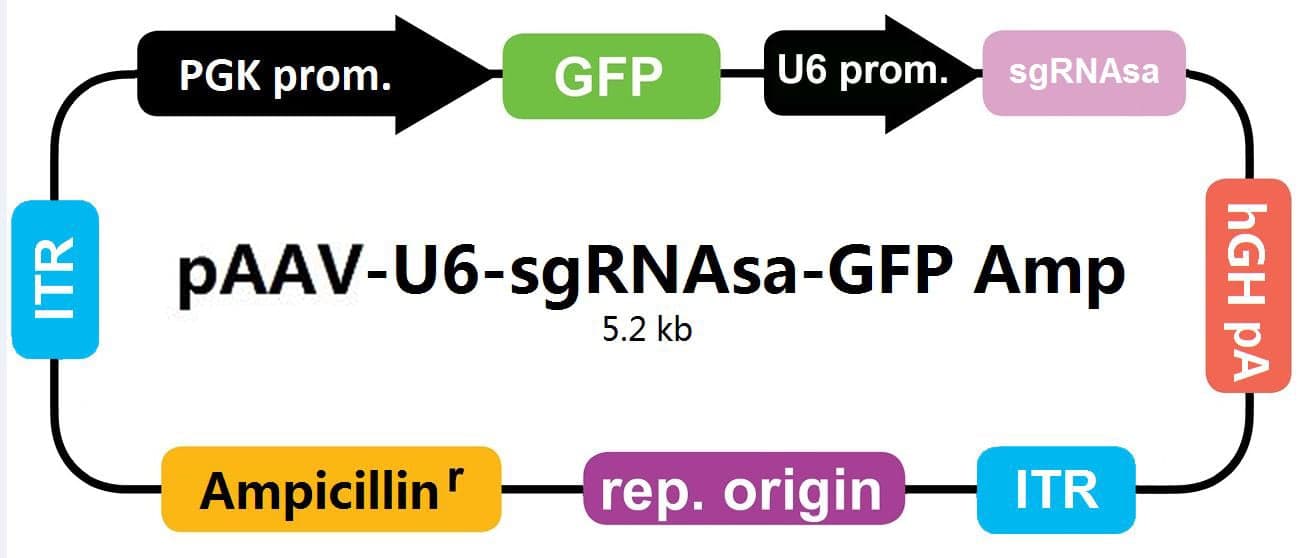
CRISPR Scrambled sgRNA AAV Vector Amp (for spCas9)
List Price:
USD174.99
Online Price:
USD124.99
Your Price:
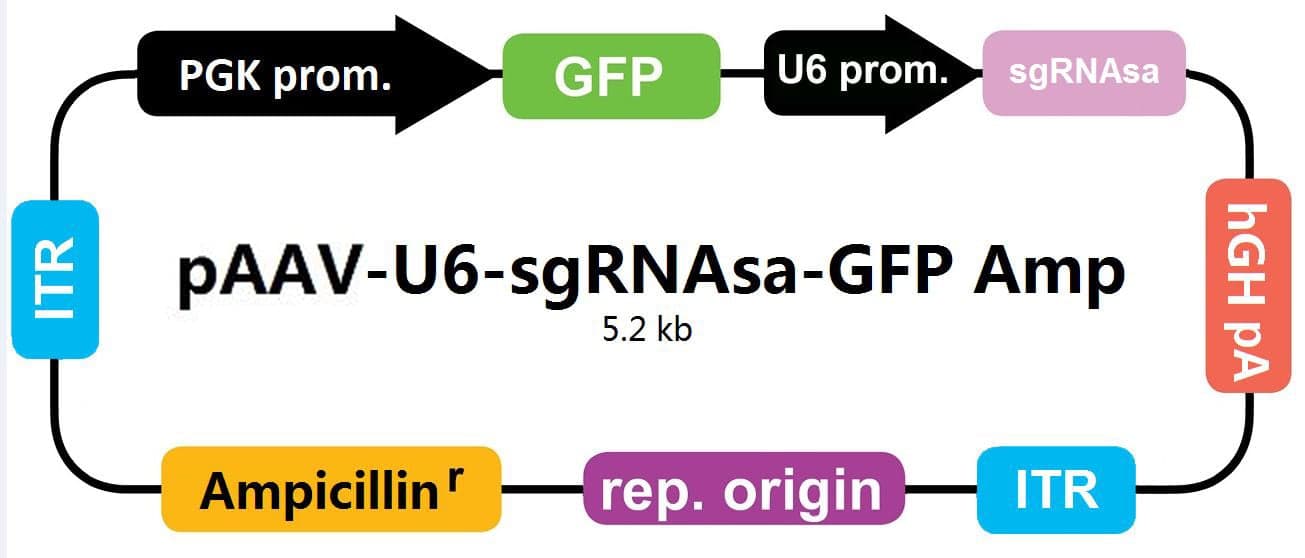
CRISPR Scrambled sgRNA AAV Virus Amp (for saCas9) (Serotype 1)
List Price:
USD318.38
Online Price:
USD227.42
Your Price:
CRISPR Scrambled sgRNA AAV Virus Amp (for saCas9) (Serotype 10)
List Price:
USD318.38
Online Price:
USD227.42
Your Price:
CRISPR Scrambled sgRNA AAV Virus Amp (for saCas9) (Serotype 11)
List Price:
USD318.38
Online Price:
USD227.42
Your Price:
CRISPR Scrambled sgRNA AAV Virus Amp (for saCas9) (Serotype 2)
List Price:
USD318.38
Online Price:
USD227.42
Your Price:
CRISPR Scrambled sgRNA AAV Virus Amp (for saCas9) (Serotype 3)
List Price:
USD318.38
Online Price:
USD227.42
Your Price:
CRISPR Scrambled sgRNA AAV Virus Amp (for saCas9) (Serotype 4)
List Price:
USD318.38
Online Price:
USD227.42
Your Price:
CRISPR Scrambled sgRNA AAV Virus Amp (for saCas9) (Serotype 5)
List Price:
USD318.38
Online Price:
USD227.42
Your Price:

Showing 61 to 72 of 116 results

What Are AAV Overexpression Vectors?


AAV overexpression is the method of choice for stable, long-term transgene delivery in post-mitotic cells or in vivo without stable chromosomal integration. Unlike lentiviral overexpression — which integrates randomly into the host genome — AAV transgenes persist episomally, providing long-term expression with minimal genotoxic risk. Effective transgene expression begins with the right AAV construct. Choose a vector that supports your experimental objectives.


What you will find:


How to Choose an AAV Over-Expression Construct


Promoter Selection
CMV-driven constructs provide strong, broadly active expression; EF1-alpha-driven constructs may offer more sustained expression in certain cell types over extended timeframes, particularly in vivo.

Serotype for Target Tissue
Serotype selection determines tissue tropism — match the serotype to your target tissue (e.g., CNS, liver, muscle, retina) for efficient in vivo delivery.

Tag Configuration
GFP tags enable fluorescent tracking and confirmation of expression; FLAG tags support immunoprecipitation and pull-down workflows; untagged formats avoid potential interference with protein function.

Cell Type Application
AAV over-expression is particularly suited to post-mitotic cells (neurons, cardiomyocytes, hepatocytes) and primary cells where lentiviral integration is not required for heritability across division.

Pre-Packaged vs. Plasmid Format
Pre-packaged AAV particles are ready-to-use for transduction, while plasmid formats require in-house packaging — select based on your lab's virus production capability and timeline.


Specifications Context


AAV over-expression is preferred when target cells are post-mitotic and lentiviral integration is not required, when in vivo delivery benefits from AAV's favourable safety profile, or when avoiding the insertional mutagenesis risk associated with genomic integration is a priority. The ~4.7 kb AAV packaging capacity constrains transgene cassette size, and larger genes may require alternative vector systems or split-vector approaches. AAV vectors and pre-packaged particles are available across multiple serotypes, promoters, and reporter configurations to support diverse research applications. Labs new to AAV over-expression should begin with a well-characterised serotype–promoter combination for their target tissue, as published tropism data provides a useful starting point for experimental design. When comparing products from different sources, confirm whether titers are reported as vector genomes (vg/mL) or functional transduction units, since these measurements are not directly interchangeable. Product availability reflects MBP's catalogue as of mid-2026.


Contact the expert team of MBP and get advanced AAV overexpression systems for your lab today.

FAQ

Choose AAV over-expression when your target cells are post-mitotic (neurons, cardiomyocytes, hepatocytes) and lentiviral integration is not required for heritability across division; when in vivo delivery is planned and AAV's low immunogenicity and tissue-specific serotype tropism are important; or when stable chromosomal integration and its associated insertional mutagenesis risk must be avoided.
In post-mitotic cells, AAV transgenes persist as circular episomal concatemers in the nucleus and can support stable expression for months to years without cell division diluting the episomal DNA. Multiple FDA-approved AAV gene therapies have demonstrated durable therapeutic protein expression in liver and CNS for several years after a single administration.
AAV2 has strong tropism for neurons and retinal cells and is the most widely characterised serotype for neuronal transduction. AAV9 provides broader CNS coverage and is the basis for Zolgensma. For in vitro primary neuron cultures, AAV2 and AAV9 are both commonly used, with AAV9 often providing higher transduction efficiency in mixed CNS cultures.
The AAV packaging limit is approximately 4.7 kb for the full expression cassette including promoter, coding sequence, and poly-A signal. For genes approaching this limit, compact promoters (CBA, short CMV/CBA hybrid) and minimal poly-A signals are used. Genes exceeding 4.7 kb require split-vector strategies where the coding sequence is divided across two AAV particles that reconstitute via in-cell recombination.
Yes. MBP supplies pre-packaged AAV over-expression particles in ready-to-transduce formats for a range of target genes, available in CMV and EF1-alpha driven configurations across multiple serotypes. These particles have manufacturer-verified functional titer and eliminate the 1-2 week production timeline of in-house AAV manufacturing.
Yes. AAV is widely used for CRISPR/Cas9 delivery, particularly for in vivo gene editing applications where the non-integrating nature of AAV reduces persistent Cas9 expression and off-target risk compared to integrating lentiviral delivery. Smaller Cas9 orthologues such as SaCas9 fit within a single AAV, while SpCas9 requires split-vector approaches.
The CMV immediate-early promoter provides the highest initial transgene expression levels across most cell types but can undergo promoter silencing during long-term culture, particularly in stem cells and some primary cell types. The EF1-alpha promoter produces somewhat lower but more stable long-term expression and is less prone to silencing, making it the preferred choice for experiments extending over multiple weeks.
Yes. AAV efficiently transduces both actively dividing cell lines and post-mitotic primary cells. In dividing cells, episomal AAV genomes are progressively diluted with each division, so expression becomes transient unless integration occurs. In non-dividing cells, episomal persistence enables long-term expression -- which is why AAV is the preferred vector for in vivo delivery to liver, muscle, and CNS.
We provide the highest quality of products and anytime customer service.
Featured Categories
    online payment
    online payment
    fast delivery
    fast delivery
    technical support
    technical support
    24/7 support
    24/7 support
    copy right
    2026 All Right Reserved