AAV Over-Expression Vectors & Pre-Packaged Particles
MBP Inc. supplies AAV vectors and pre-packaged AAV particles, including CMV-, EF1α-, hSyn-, and CAG-driven control vectors, GFP and luciferase reporter constructs, Cre-inducible DIO vectors, and CRISPR/siRNA control reagents across multiple serotypes. These products support gene delivery, reporter validation, and experimental control workflows in research laboratories across the USA and Canada.
Discover MBP's AAV over-expression products for gene expression studies. Contact customerservice@mbpinc.net today to request a quote.
Over-Expression Vectors
Showing 109 to 116 of 116 results
What Are AAV Overexpression Vectors?
AAV overexpression is the method of choice for stable, long-term transgene delivery in post-mitotic cells or in vivo without stable chromosomal integration. Unlike lentiviral overexpression — which integrates randomly into the host genome — AAV transgenes persist episomally, providing long-term expression with minimal genotoxic risk. Effective transgene expression begins with the right AAV construct. Choose a vector that supports your experimental objectives.
What you will find:
-
Cre-Inducible Gene Expression (DIO) Vectors: for controlled gene studies and conditional gene activation
-
Controls/Reporters: for gene expression tracking and experimental validation
-
miRNA Controls: for gene modulation studies and regulatory RNA function analysis
-
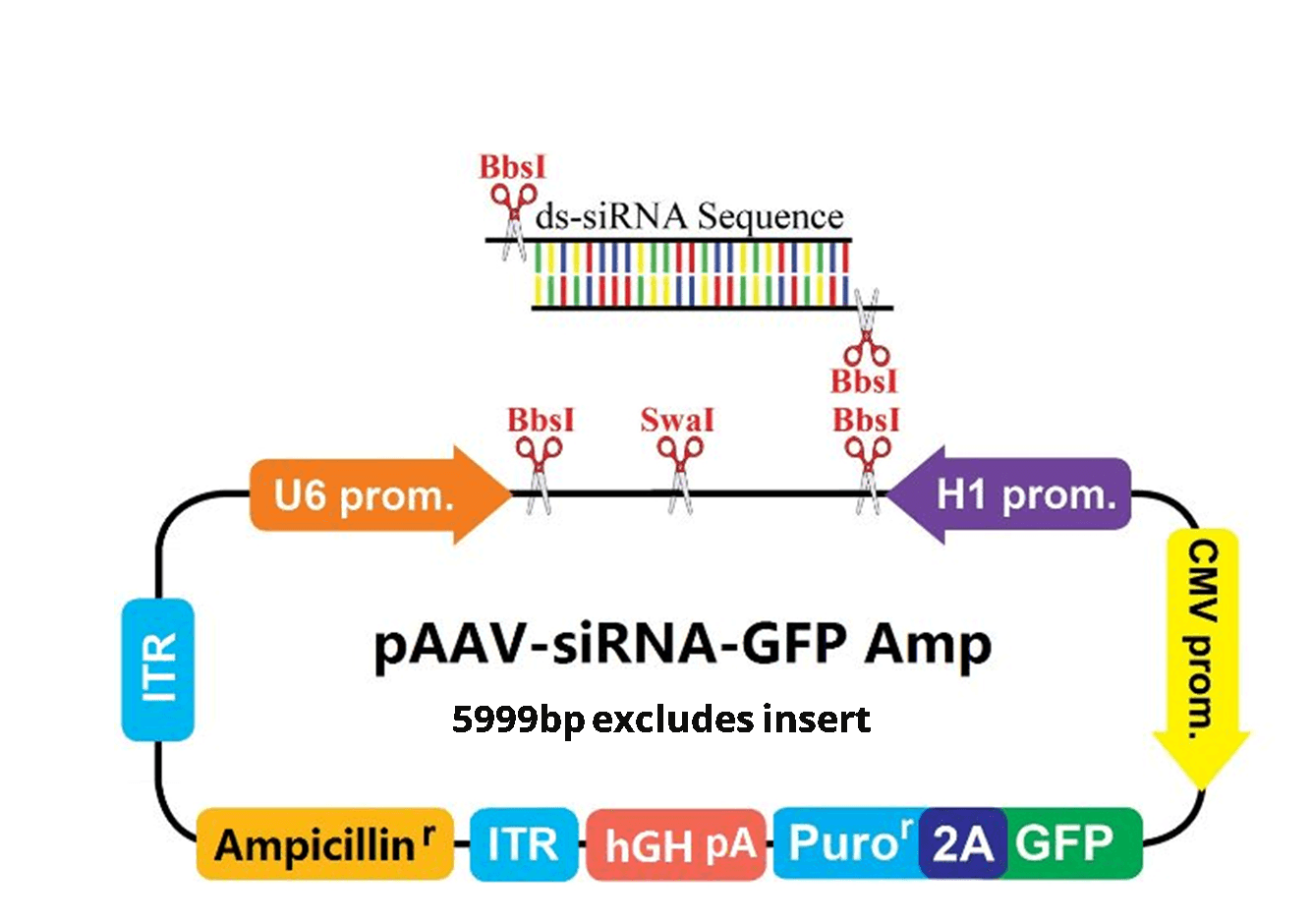
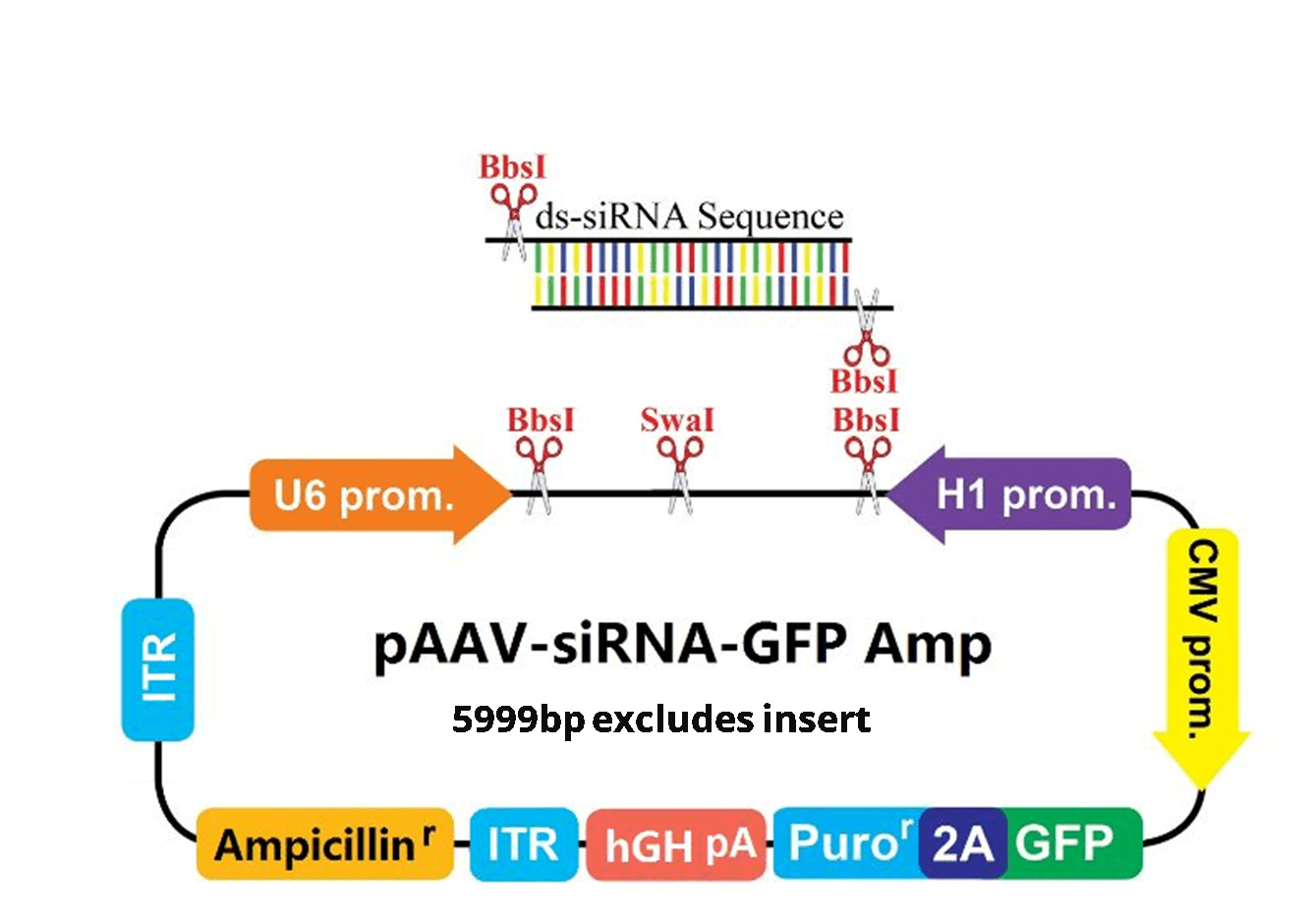
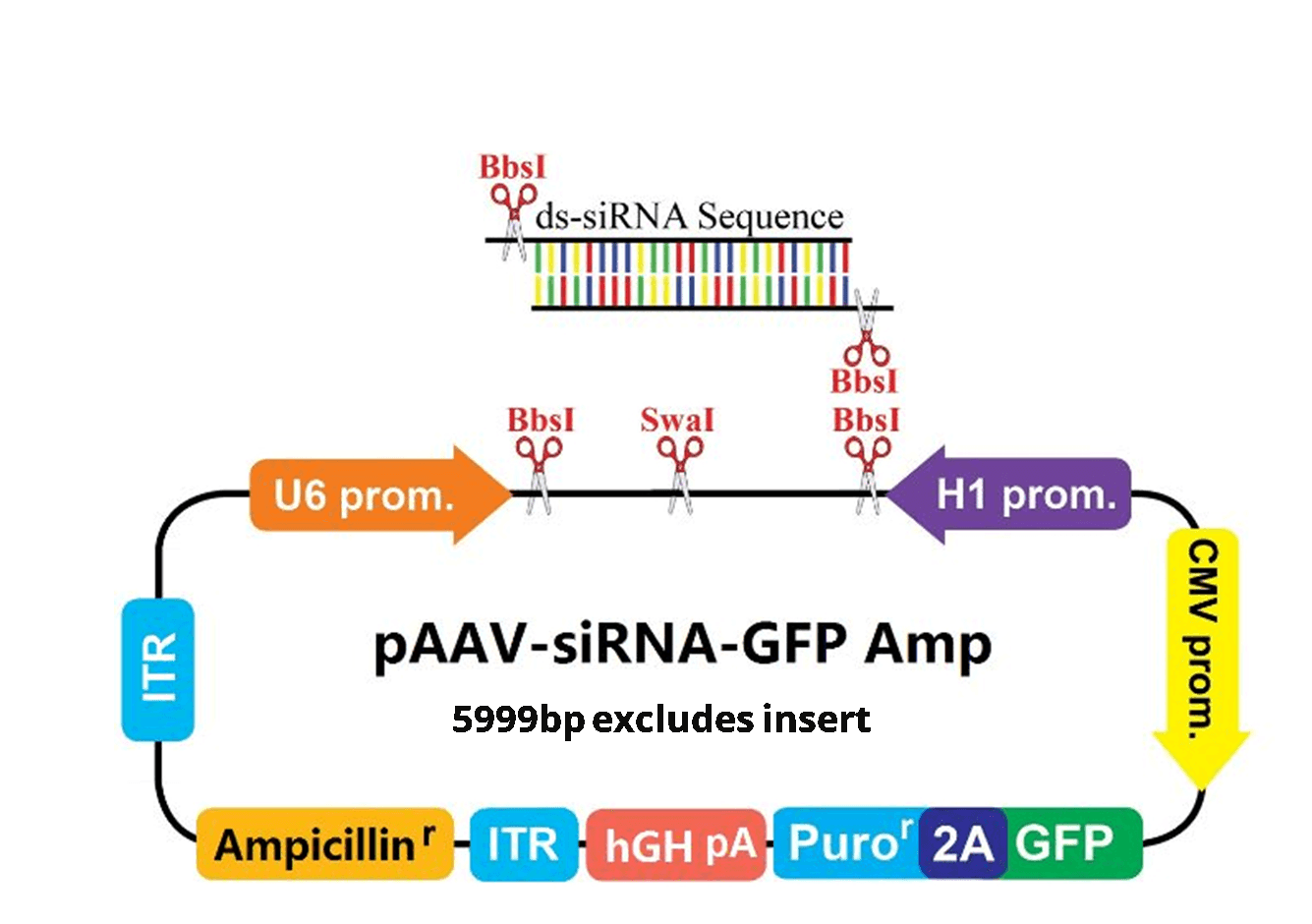
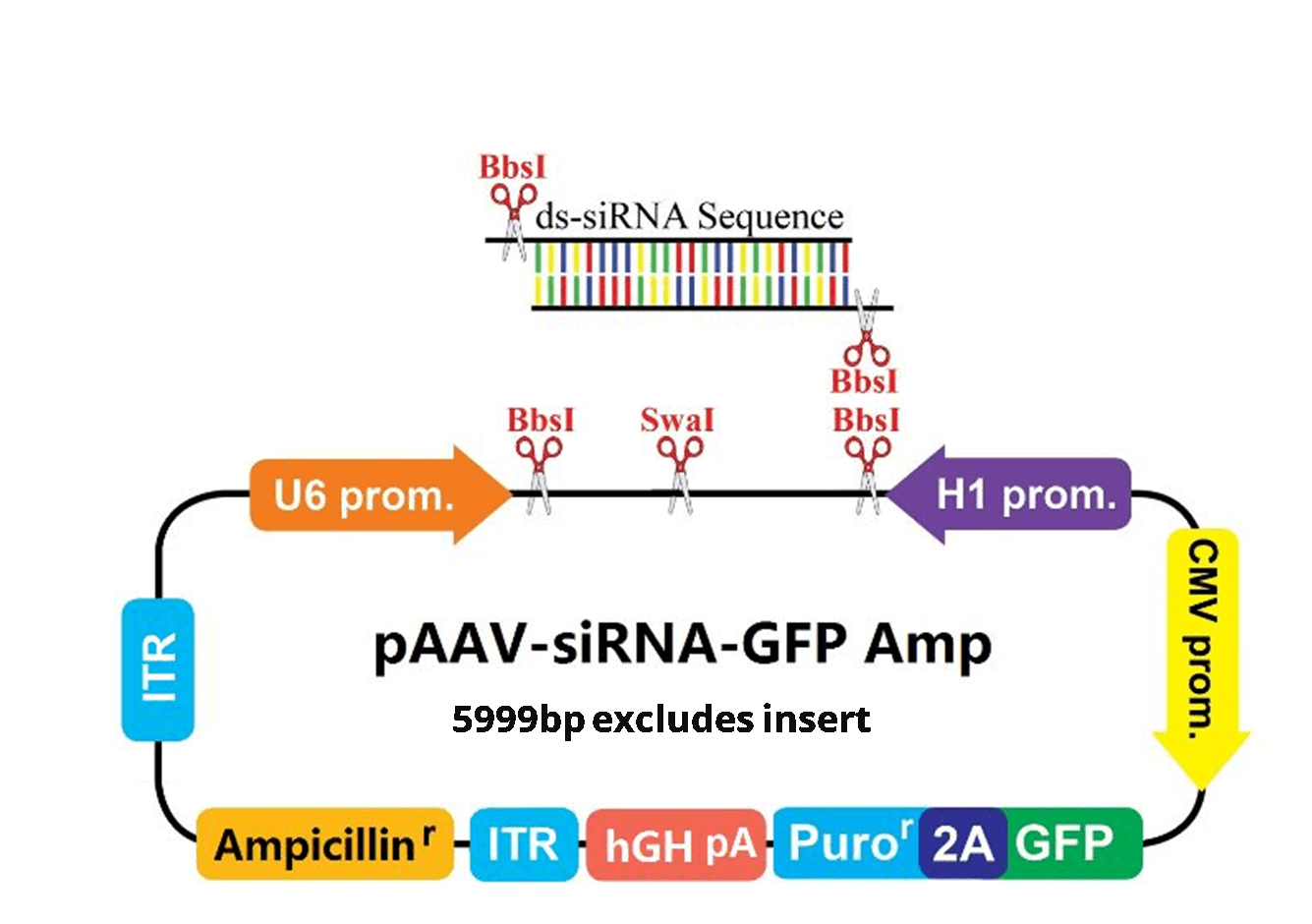
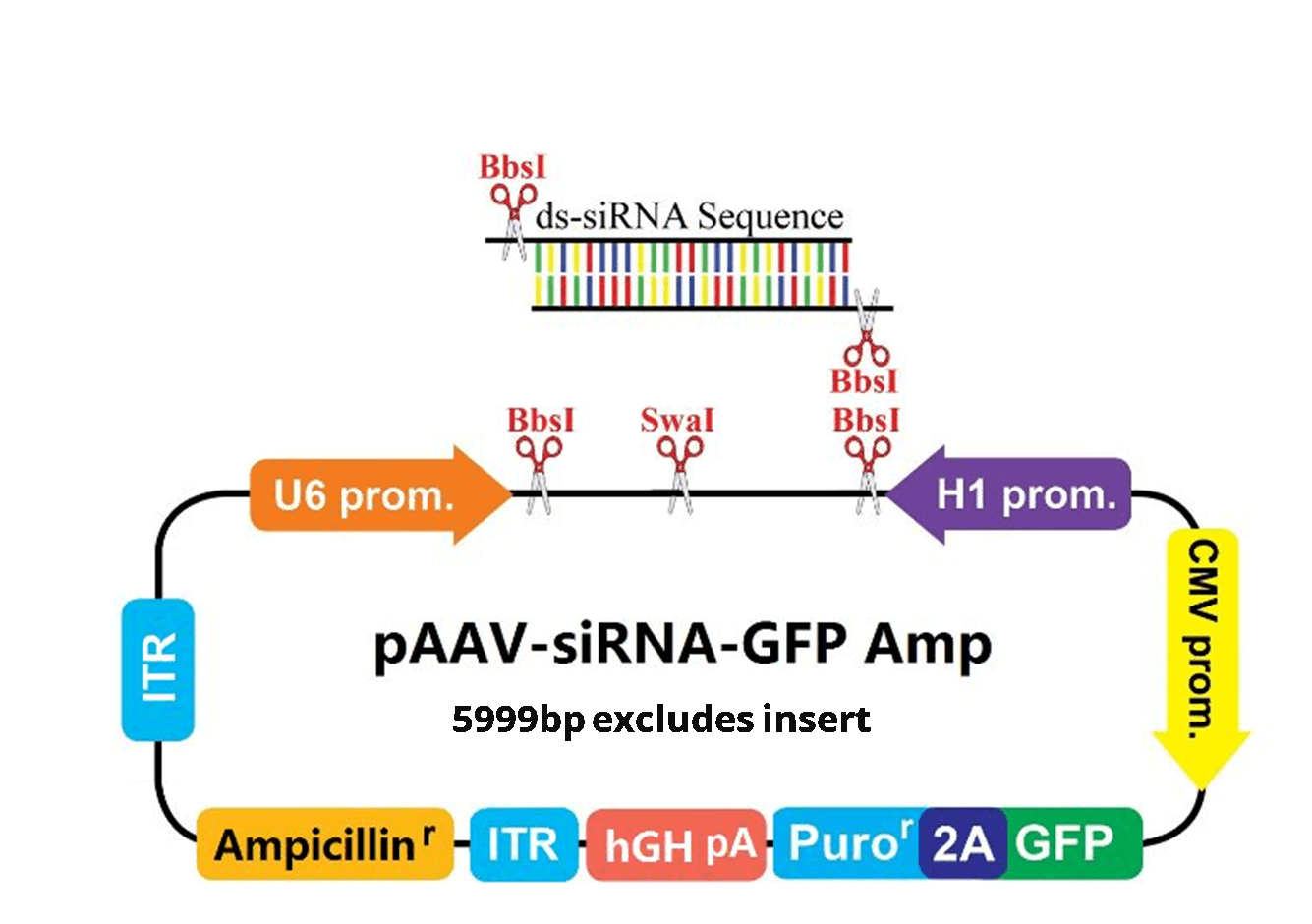
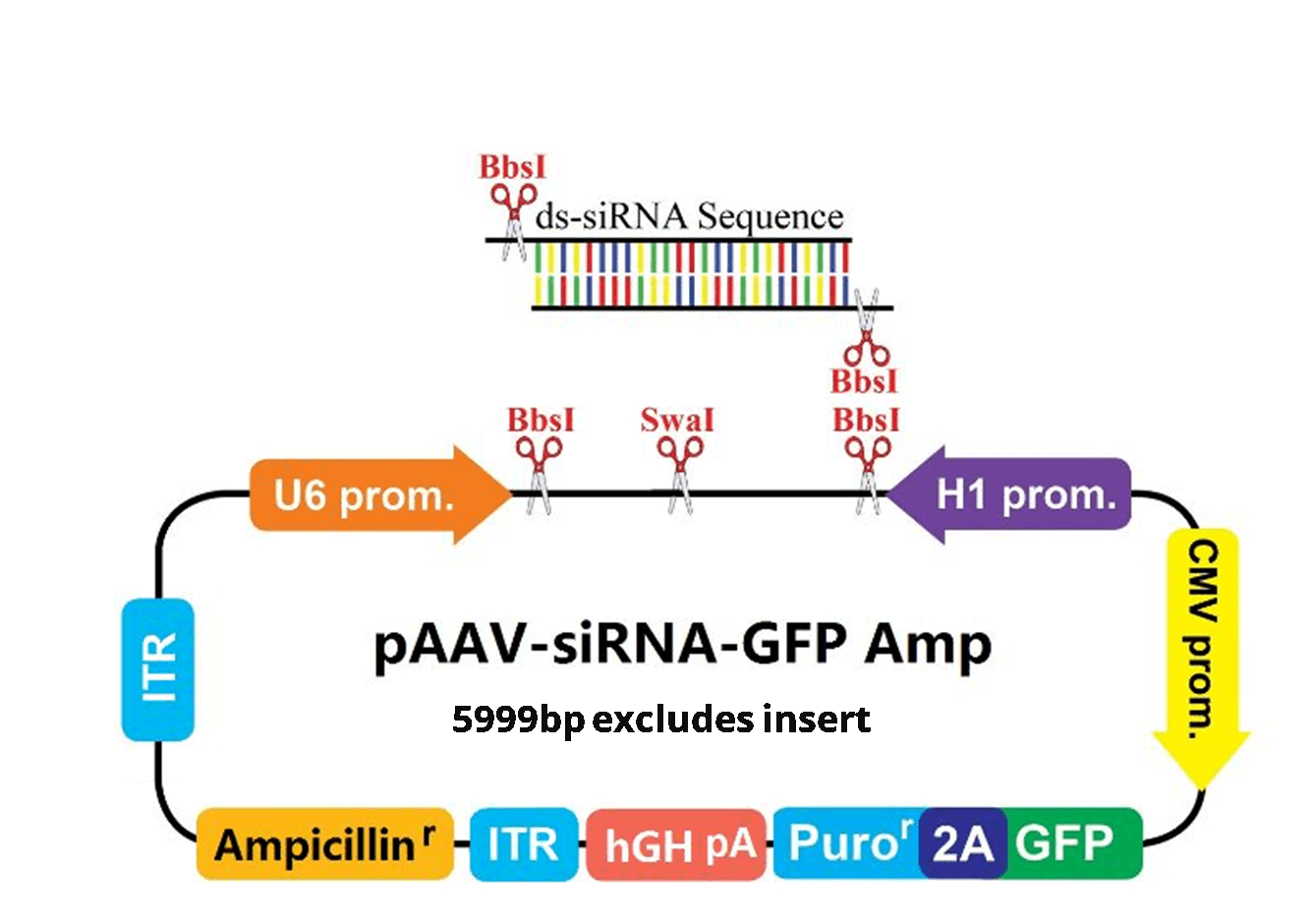
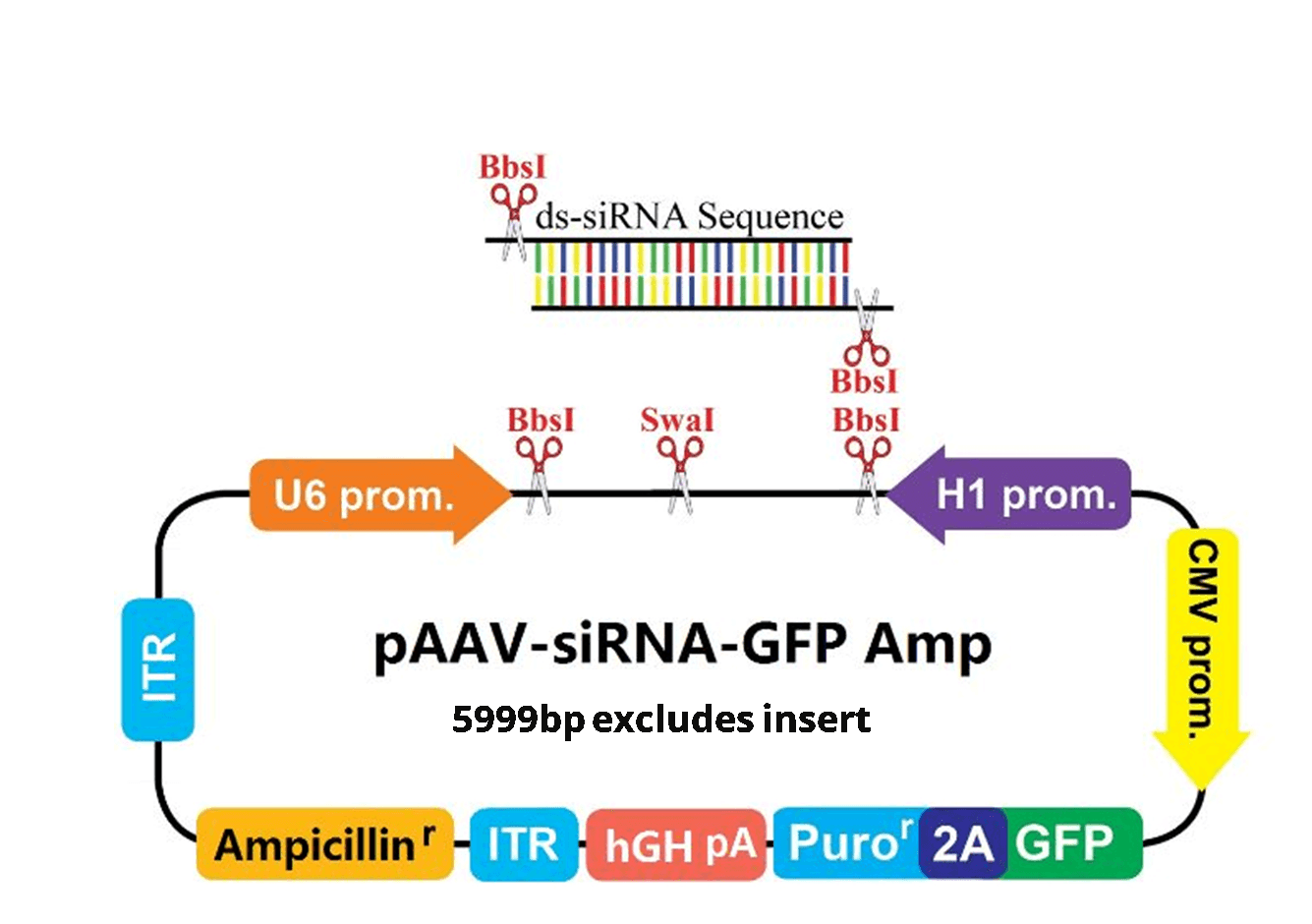
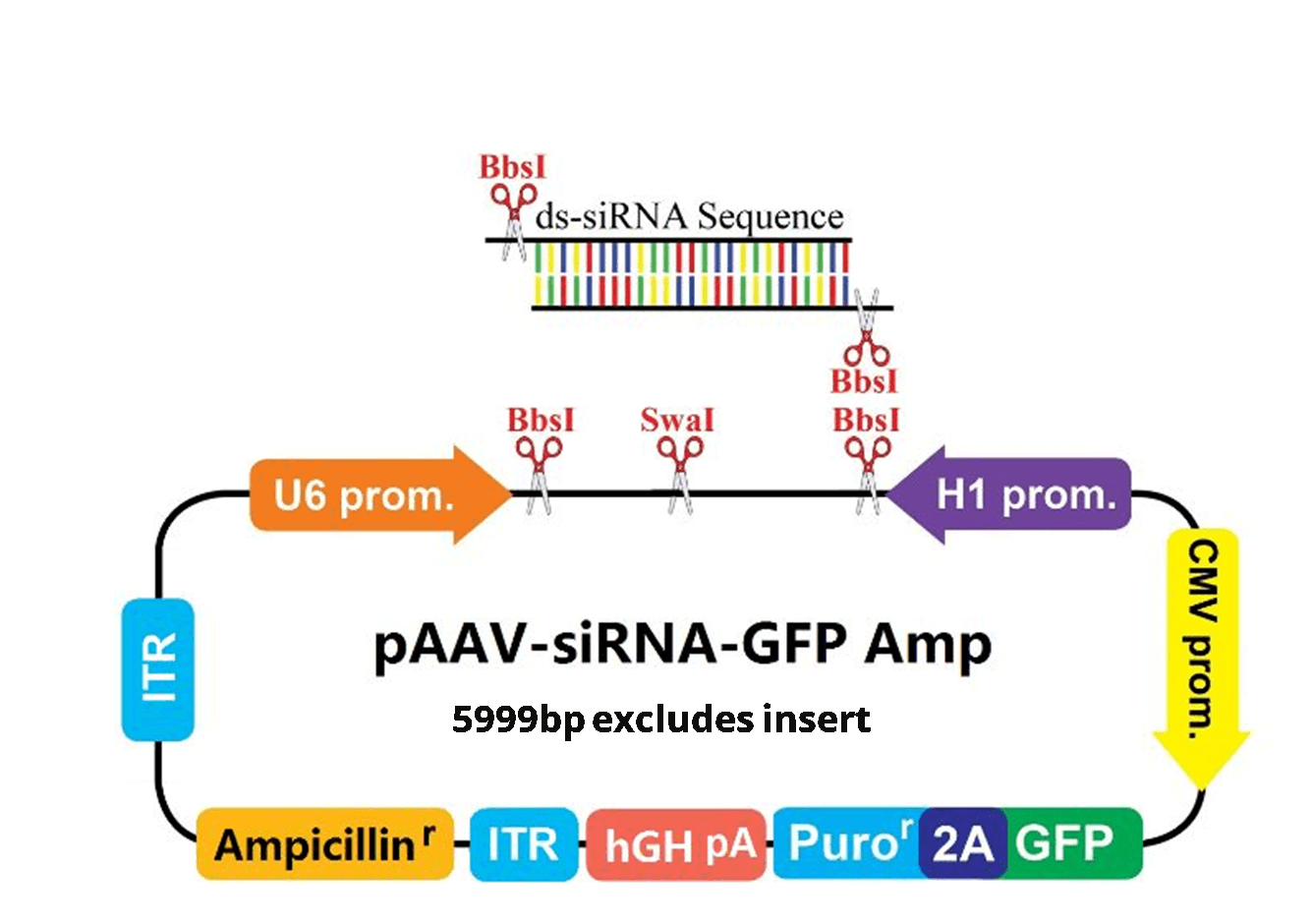
siRNA Controls: AAV systems for gene silencing experiments and knockdown validation
-
CRISPR/Cas9 Controls: for functional genomics workflows and genome editing validation
How to Choose an AAV Over-Expression Construct
Promoter Selection
CMV-driven constructs provide strong, broadly active expression; EF1-alpha-driven constructs may offer more sustained expression in certain cell types over extended timeframes, particularly in vivo.
Serotype for Target Tissue
Serotype selection determines tissue tropism — match the serotype to your target tissue (e.g., CNS, liver, muscle, retina) for efficient in vivo delivery.
Tag Configuration
GFP tags enable fluorescent tracking and confirmation of expression; FLAG tags support immunoprecipitation and pull-down workflows; untagged formats avoid potential interference with protein function.
Cell Type Application
AAV over-expression is particularly suited to post-mitotic cells (neurons, cardiomyocytes, hepatocytes) and primary cells where lentiviral integration is not required for heritability across division.
Pre-Packaged vs. Plasmid Format
Pre-packaged AAV particles are ready-to-use for transduction, while plasmid formats require in-house packaging — select based on your lab's virus production capability and timeline.
Specifications Context
AAV over-expression is preferred when target cells are post-mitotic and lentiviral integration is not required, when in vivo delivery benefits from AAV's favourable safety profile, or when avoiding the insertional mutagenesis risk associated with genomic integration is a priority. The ~4.7 kb AAV packaging capacity constrains transgene cassette size, and larger genes may require alternative vector systems or split-vector approaches. AAV vectors and pre-packaged particles are available across multiple serotypes, promoters, and reporter configurations to support diverse research applications. Labs new to AAV over-expression should begin with a well-characterised serotype–promoter combination for their target tissue, as published tropism data provides a useful starting point for experimental design. When comparing products from different sources, confirm whether titers are reported as vector genomes (vg/mL) or functional transduction units, since these measurements are not directly interchangeable. Product availability reflects MBP's catalogue as of mid-2026.
Contact the expert team of MBP and get advanced AAV overexpression systems for your lab today.
FAQ



