Product Filters

AAV miRNA Negative Control Constructs for Research Labs


MBP Inc. supplies AAV miRNA control vectors and viruses — including blank miRNA expression controls and miRNA inhibition controls — for establishing appropriate experimental baselines in microRNA gain-of-function and loss-of-function studies.

These constructs are designed to control for vector delivery and miRNA expression system effects while supporting interpretation of miRNA-specific phenotypes in research applications. Contact customerservice@mbpinc.net to request a quote today!

miRNA Controls
Per Page:
Sort By:
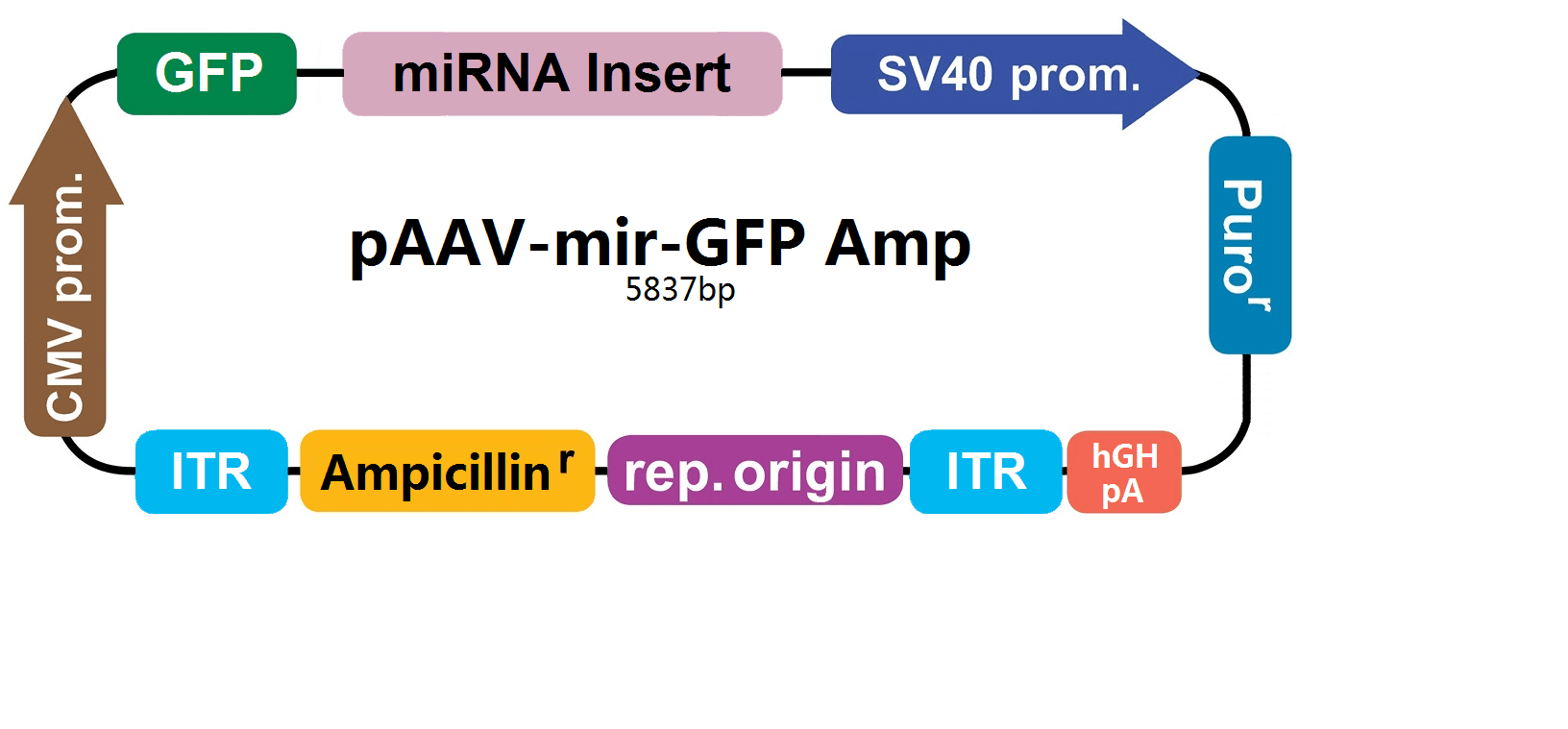
AAV-mir-GFP Control Virus (Serotype 1)
List Price:
USD318.38 - USD318.38
Online Price:
USD227.42 - USD227.42
Your Price:
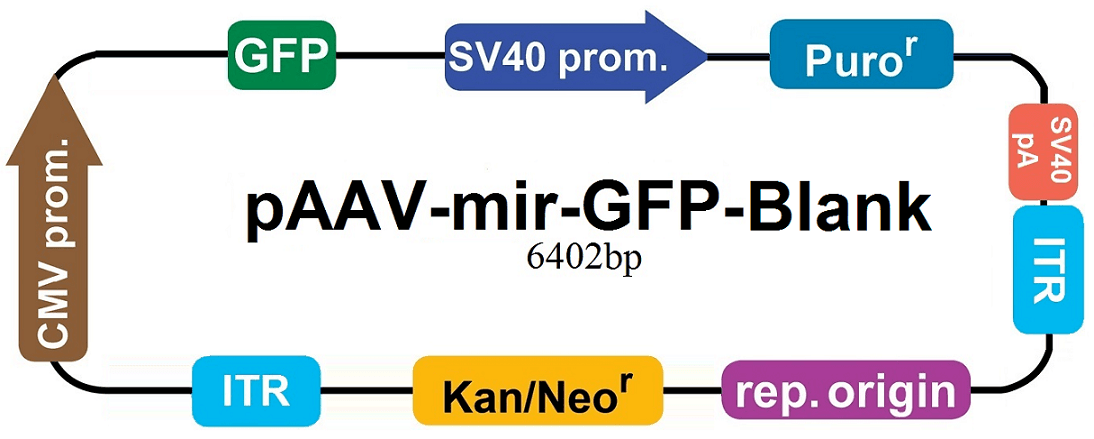
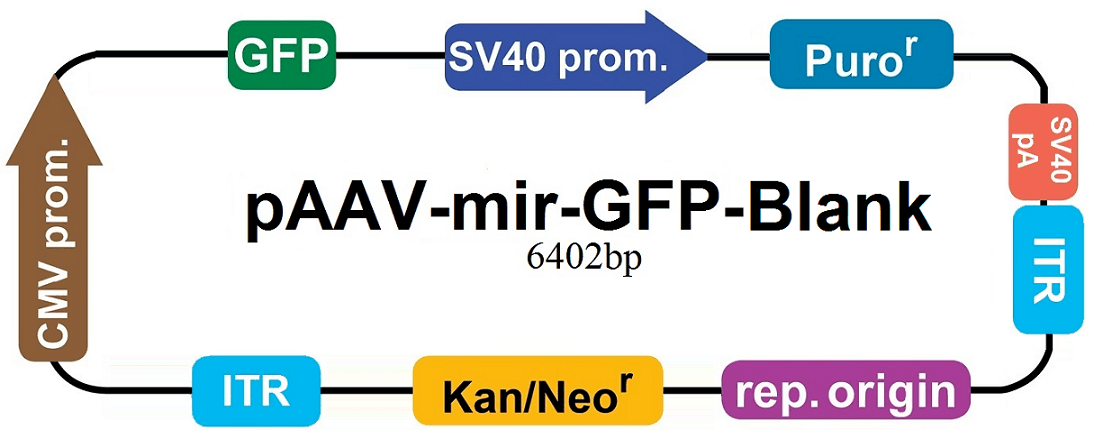
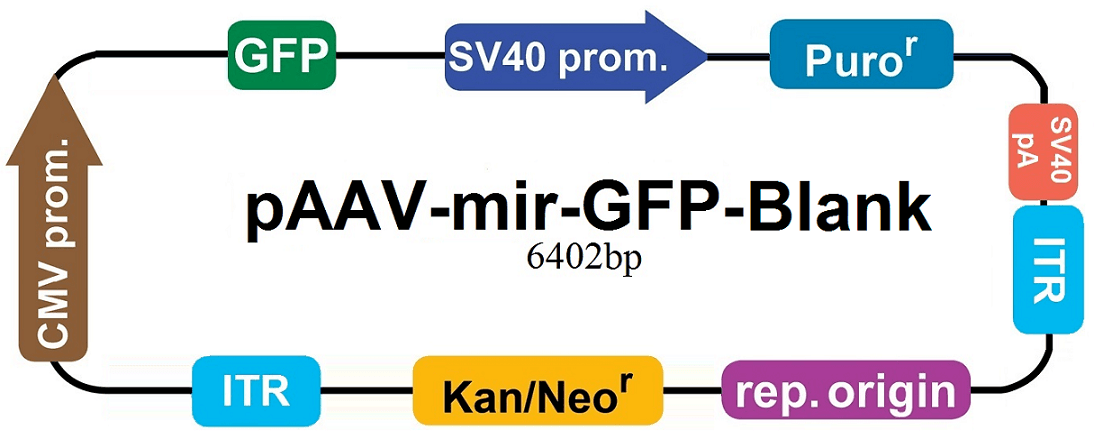
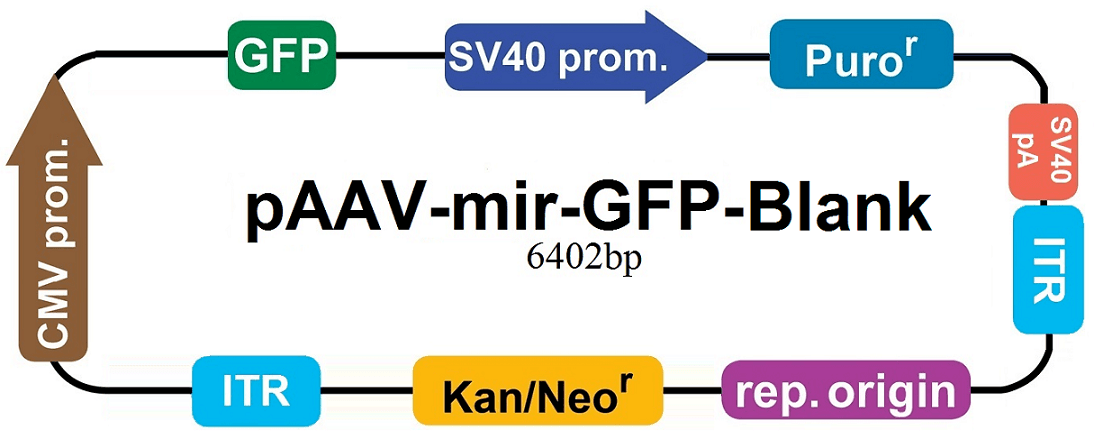
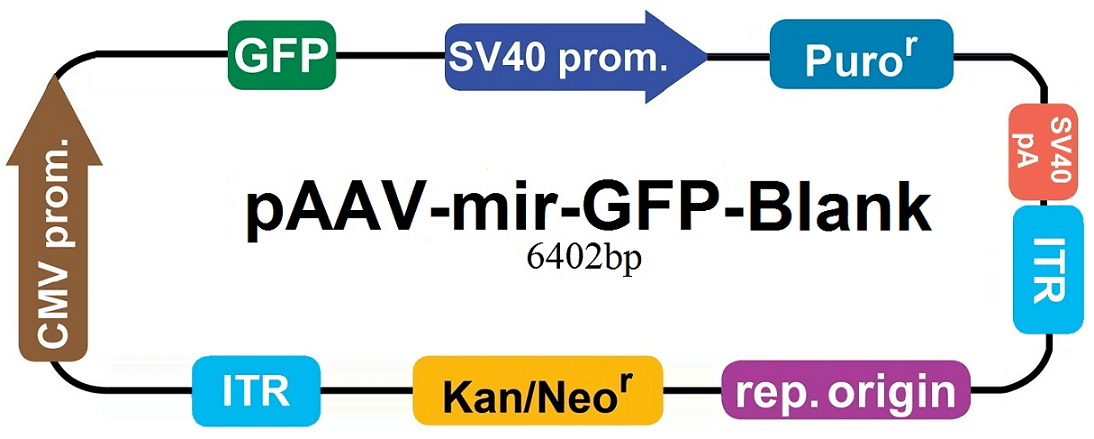
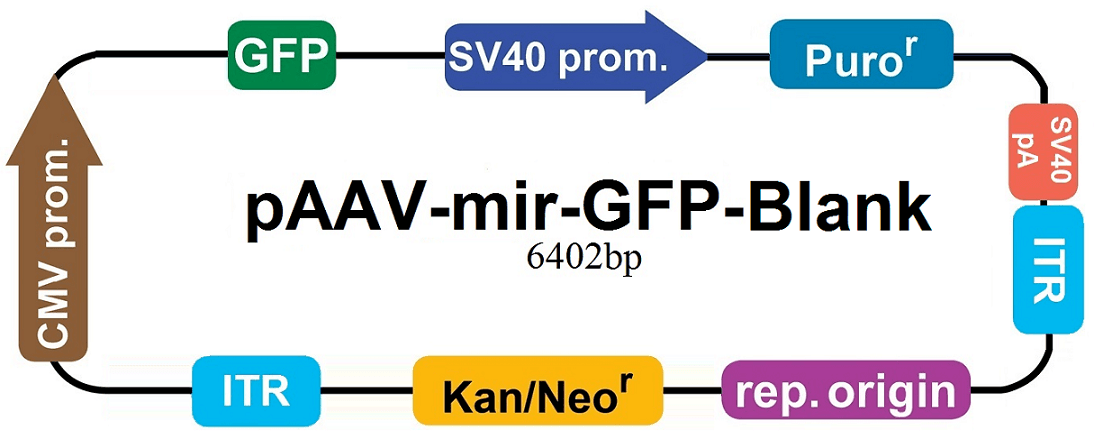
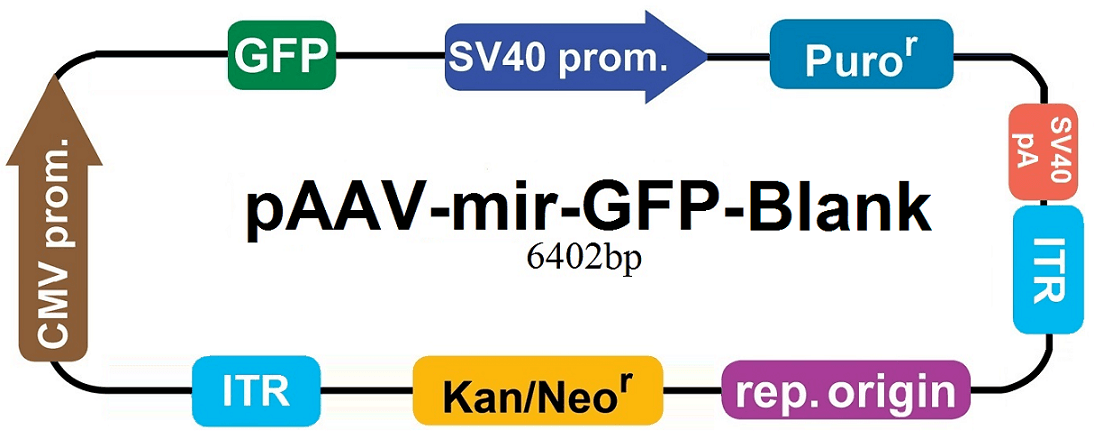
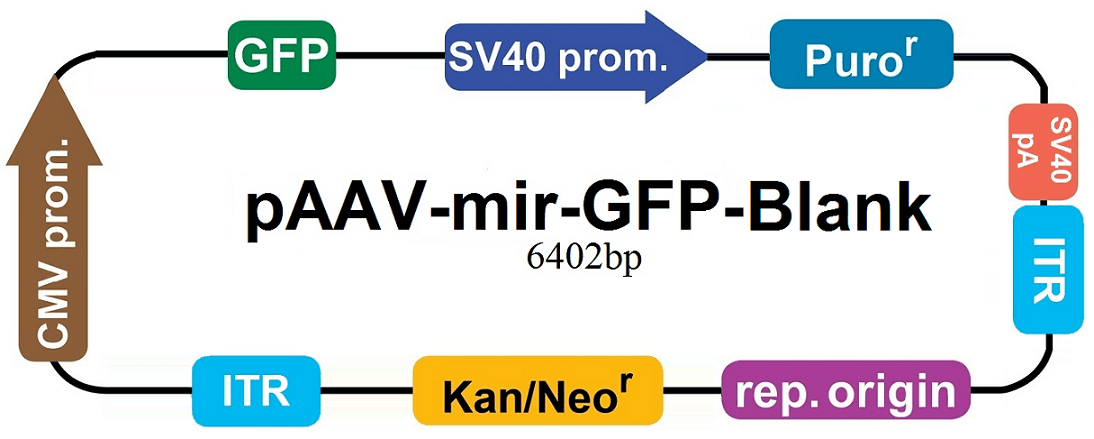
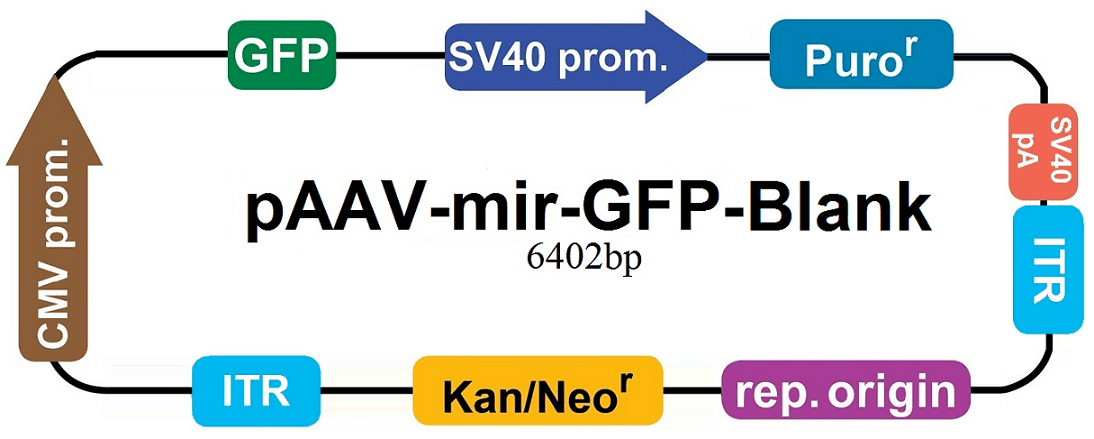
AAV-mir-GFP-Blank Control Virus (Serotype 10)
List Price:
USD318.38 - USD318.38
Online Price:
USD227.42 - USD227.42
Your Price:
AAV-mir-GFP-Blank Control Virus (Serotype 3)
List Price:
USD318.38 - USD318.38
Online Price:
USD227.42 - USD227.42
Your Price:
AAV-mir-GFP-Blank Control Virus (Serotype 4)
List Price:
USD318.38 - USD318.38
Online Price:
USD227.42 - USD227.42
Your Price:
AAV-mir-GFP-Blank Control Virus (Serotype 5)
List Price:
USD318.38 - USD318.38
Online Price:
USD227.42 - USD227.42
Your Price:
AAV-mir-GFP-Blank Control Virus (Serotype 6)
List Price:
USD318.38 - USD318.38
Online Price:
USD227.42 - USD227.42
Your Price:
AAV-mir-GFP-Blank Control Virus (Serotype 7)
List Price:
USD318.38 - USD318.38
Online Price:
USD227.42 - USD227.42
Your Price:
AAV-mir-GFP-Blank Control Virus (Serotype 8)
List Price:
USD318.38 - USD318.38
Online Price:
USD227.42 - USD227.42
Your Price:
AAV-mir-GFP-Blank Control Virus (Serotype 9)
List Price:
USD318.38 - USD318.38
Online Price:
USD227.42 - USD227.42
Your Price:
pAAV-mir-GFP-hGH-amp-Blank Control Virus (Serotype 2)
List Price:
USD318.38
Online Price:
USD227.42
Your Price:
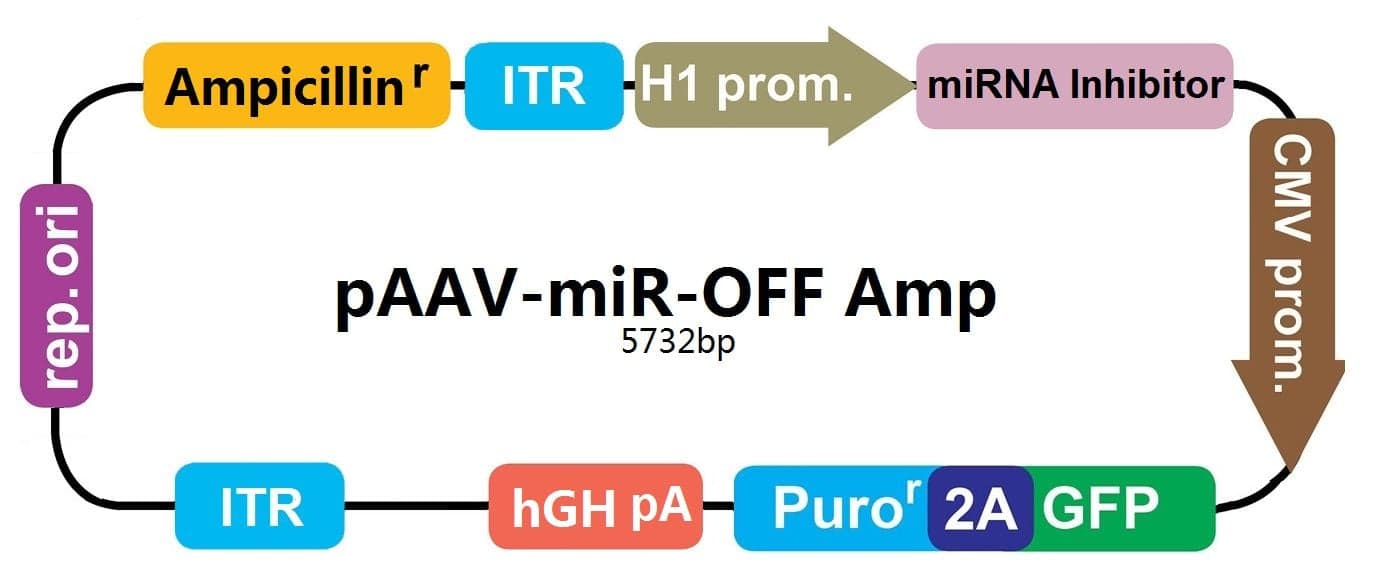
pAAV-mir-OFF-hGH-amp-Blank Control Vector
List Price:
USD375.50
Online Price:
USD268.21
Your Price:

Showing 1 to 11 of 11 results

What Are AAV miRNA Negative Controls?


MicroRNA (miRNA) research requires matched controls that enter the same delivery pathway as experimental constructs. AAV-delivered miRNA controls are particularly important for experiments in primary cells and in vivo models, where conventional transfection-based controls would not reflect the same delivery-related effects. The right miRNA control ensures accurate interpretation of miRNA-mediated effects. Choose a control matched to your expression and analysis workflow.


What you will find:


  • Serotype-Specific AAV miRNA Controls as blank control viruses used for precise tissue tropism matching.

  • GFP-Tagged miRNA Control Viruses use fluorescent protein markers for successful transduction verification.

  • pAAV-mir-GFP-hGH-amp Plasmids used for reliable cloning and feature ampicillin resistance and hGH polyadenylation 

  • miRNA-OFF Blank Control Vectors used to validate miRNA inhibition specificity 

  • Ready-to-Use Control Virions used in comparative gene silencing for immediate use.


How to Choose an AAV miRNA Negative Control


Delivery Pathway Matching
When miRNA is delivered via AAV, the control must also be AAV-delivered — to account for capsid-mediated innate immune activation and viral DNA sensing effects that alter cellular transcription independently of the miRNA sequence itself.

Mimic vs. Inhibitor Format
Non-targeting miRNA mimic controls (gain-of-function studies) and non-targeting miRNA inhibitor controls (loss-of-function studies) require different control designs matching the experimental approach.

Serotype and Promoter Matching
The AAV miRNA control should share the same serotype and promoter as the experimental AAV-delivered miRNA construct to ensure comparable tissue tropism and expression timing.

In Vivo vs. In Vitro Application
AAV-delivered miRNA controls are particularly relevant for in vivo gain-of-function or loss-of-function studies, where AAV's broad tissue tropism and long-term expression make it the delivery method of choice.

Validation of Off-Target Effects
As with other RNAi-pathway controls, non-targeting designs should be validated to have minimal homology to known miRNA targets in the relevant species.


Specifications Context


When miRNA is delivered via AAV, the control should also be AAV-delivered to account for vector-related effects such as capsid interactions and cellular responses to the viral genome. This distinguishes AAV-based controls from transfection-derived controls, which do not capture AAV-specific delivery effects. Matching the serotype and promoter configuration of the control vector to the experimental construct helps ensure that observed phenotypes are attributable to the miRNA rather than differences in vector design. Researchers planning in vivo studies should obtain control and experimental AAV preparations with comparable production and quality metrics where possible, as differences in titer or purity can introduce unwanted variability. Including both an AAV-delivered control and, where appropriate, an untreated cohort can further aid interpretation of miRNA-specific effects. Product availability reflects MBP's catalogue as of mid-2026.


Contact the expert team at MBP Inc. to discuss the most suitable AAV miRNA control constructs for your study and request a quote tailored to your research requirements.

FAQ

When miRNA is delivered via AAV, the control must also be AAV-delivered to account for capsid-mediated innate immune activation and viral DNA sensing -- effects that alter cellular transcription independently of the miRNA sequence. A non-targeting miRNA mimic in the same AAV serotype and at the same MOI controls simultaneously for all delivery-related effects, providing the most valid comparison for the experimental miRNA construct.
A non-targeting miRNA control is bioinformatically designed with no significant complementarity to any known mammalian transcript, ensuring it enters RISC without silencing any gene. A scrambled control rearranges the nucleotide sequence of an experimental miRNA while preserving base composition. Whole-genome expression profiling studies have demonstrated that non-targeting controls produce fewer non-specific transcriptional changes than scrambled controls, making non-targeting sequences the preferred choice for rigorous miRNA experiments.
Yes. The miRNA negative control should use the same AAV backbone, ITRs, internal promoter, and serotype as the experimental miRNA construct. Any differences in backbone or promoter can independently affect cell behaviour or expression levels, making it impossible to isolate the contribution of the specific miRNA sequence to the observed phenotype.
No. Gain-of-function experiments (miRNA mimics) require a non-targeting miRNA mimic control -- a double-stranded RNA that enters RISC without targeting any gene. Loss-of-function experiments (inhibitors or antagomirs) require a non-targeting inhibitor control -- a single-stranded antisense sequence that binds without blocking any known endogenous miRNA. Using the correct control format is essential for a valid comparison.
Yes. Non-targeting miRNA controls should be validated against the transcriptome of the experimental species. MBP supplies AAV miRNA control constructs validated for human, mouse, and rat experimental models. Contact MBP to confirm species-validated non-targeting sequences are available for your specific experimental system.
Primary cells -- particularly neurons, cardiomyocytes, and hepatocytes -- have very low transfection efficiency with conventional lipid-based or electroporation methods. AAV provides highly efficient transduction of these cell types via receptor-mediated entry, enabling reliable miRNA delivery to greater than 70 percent of primary cells at appropriate MOI, which is typically impossible with plasmid transfection.
AAV miRNA negative control constructs are available in the same serotypes as experimental miRNA delivery constructs. For primary neuronal experiments, AAV2 and AAV9 are most commonly used. For hepatocyte and liver studies, AAV8 is preferred. Contact MBP to confirm serotype availability for your specific cell type and experimental model.
Run RNA-seq or microarray gene expression profiling on cells transduced with the AAV miRNA negative control versus untransduced or empty-vector-treated cells. A well-validated non-targeting control should produce minimal differential gene expression (fewer than 50 transcripts changed at greater than 2-fold) compared to the uninfected baseline, confirming that the control sequence does not silence any endogenous gene.
We provide the highest quality of products and anytime customer service.
Featured Categories
    online payment
    online payment
    fast delivery
    fast delivery
    technical support
    technical support
    24/7 support
    24/7 support
    copy right
    2026 All Right Reserved