Cell Culture Reagents for Mammalian, Primary, and Insect Cell Culture
Cell culture reagents include basal media (DMEM, RPMI 1640, MEM, Ham's F-12), fetal bovine serum and reduced-serum formulations, dissociation enzymes (trypsin, TrypLE, Accutase, Cellstripper), wash buffers (PBS, DPBS, HBSS), Penicillin-Streptomycin and antimycotics, GlutaMAX glutamine supplements, NEAA, sodium pyruvate, and HEPES — covering mammalian, primary, hybridoma, and insect cell culture. Available in research-use-only (RUO) and GMP grades, with phenol red-free options for fluorescence assays. MBP supplies labs across the United States, Canada, and internationally with PO and Quick Order procurement at mbpinc.net.
Explore available cell culture reagents or request a quotation by contacting customerservice@mbpinc.net. Our team can help identify the best products for your cell culture workflow and application requirements.
Cell Culture

.png&w=3840&q=75)
Showing 85 to 96 of 494 results
What are cell culture reagents?
Cell culture reagents are the chemical and biological products used to establish, maintain, manipulate, harvest, and preserve cells grown in vitro. They include basal culture media, serum supplements, dissociation enzymes, wash buffers, antibiotics, antimycotics, and specialized additives that together create a controlled environment for cell growth and experimentation.
Common basal media include DMEM, RPMI 1640, MEM, Ham's F-10, Ham's F-12, and combination formulations such as DMEM/F-12. These media provide amino acids, vitamins, salts, glucose, and other nutrients required for cell survival. However, basal media alone are not complete growth systems and typically require supplementation with fetal bovine serum (FBS), glutamine, antibiotics, and other additives depending on the cell type and application.
What you will find:
- Supplements & Additives: Includes buffers, antibiotics, amino acids, L-glutamine, and culture additives for enhanced cell development and maintenance.
- Cloning: Includes ligation-independent cloning kits, transformation kits, reagents/chemicals, and culture media for genetic engineering workflows
- Mammalian Cell Culture: High-quality cell culture media and recombinant proteins for attachment, maintenance, and expansion of mammalian cells
- Primary Cell Culture: Includes cryopreservation media, optimized medium kits for diverse cell types, and stem cell primary culture systems.
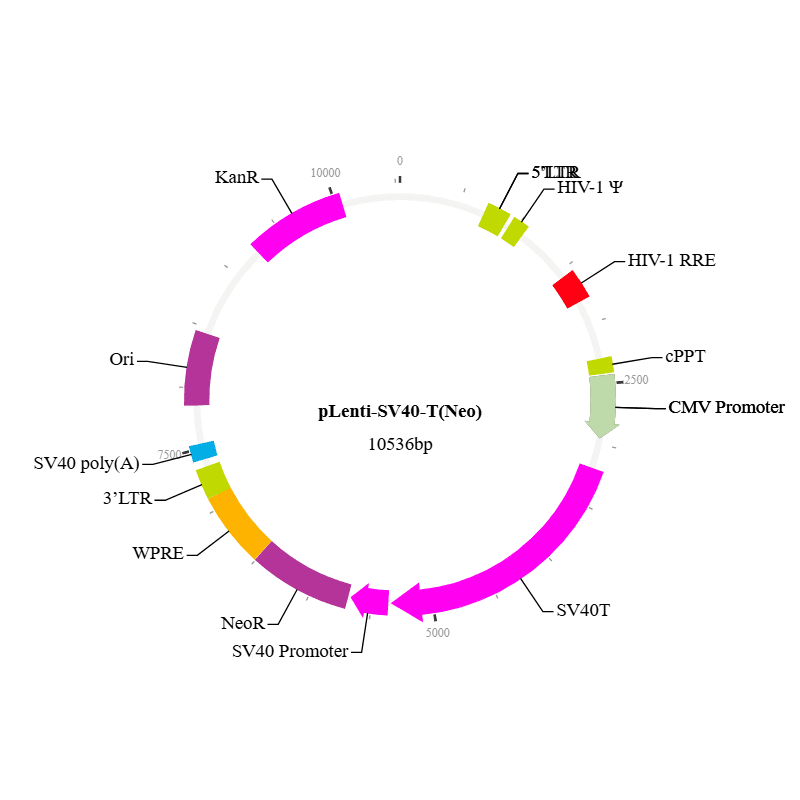
- Cell Immortalization: Includes SV40 T antigen systems, TERT overexpression viruses, and additional immortalization reagents for the stable development of cell lines
- Organoids, Spheroids, and 3D Cell Culture: Specialized culture systems that support advanced tissue modeling, physiologically relevant cellular interactions, and complex in vitro research applications.
- Cell Culture Reagents: Optimized reagents formulated to support reliable cell growth, maintenance, differentiation, and reproducible cell culture workflows.
How to choose cell culture reagents
Basal medium and supplements
The first step is selecting the basal medium recommended for the cell line being cultured.
DMEM is commonly used for adherent mammalian cell lines, while RPMI 1640 is widely used for suspension cultures and hematopoietic cells. DMEM/F-12 combines the advantages of DMEM and Ham's F-12 and is frequently used for specialized cell types and primary cultures.
Most media are supplemented with approximately 10% FBS, glutamine or GlutaMAX, and Penicillin-Streptomycin. Additional supplements such as non-essential amino acids, sodium pyruvate, and HEPES buffer may be required depending on the specific culture protocol.
Phenol red status
Many culture media contain phenol red, which functions as a visual pH indicator. Color changes can help identify shifts in culture conditions and potential contamination.
Phenol red-free formulations are preferred for fluorescence assays, luminescence assays, imaging applications, and hormone-sensitive cell lines where the indicator may interfere with experimental results.
Dissociation reagent selection
Trypsin remains the standard reagent for detaching adherent cells from culture vessels. Because prolonged exposure can damage cells, it must be neutralized after use.
TrypLE provides an animal-origin-free alternative that becomes inactive upon dilution, simplifying cell harvesting workflows.
Accutase and Cellstripper offer gentler dissociation methods that help preserve cell surface markers and improve viability in sensitive primary cells and stem cell cultures.
Sterile filtration
Sterility is critical for all cell culture reagents. Commercially prepared media and buffers are supplied sterile and ready for use.
Custom-prepared solutions and powdered media formulations should be filter sterilized before use, typically through 0.22 µm filtration systems, to minimize contamination risk.
Grade selection: RUO vs. GMP
Research Use Only (RUO) reagents are suitable for most academic and industrial research applications.
GMP-grade reagents are manufactured under stricter quality systems with enhanced documentation, traceability, and quality control. These products are typically required for cell therapy manufacturing and regulated clinical applications.
Storage requirements
Most basal media are stored at 2–8 °C and protected from excessive light exposure.
FBS is generally stored frozen until needed and then maintained at refrigerated temperatures after thawing.
Dissociation enzymes, antibiotic stocks, and certain supplements are often stored frozen and aliquoted to reduce repeated freeze-thaw cycles.
Specifications context
Most mammalian cell culture media use sodium bicarbonate buffering systems and are designed for incubation under 5–10% CO₂ to maintain physiological pH. HEPES-containing formulations provide additional buffering capacity during procedures performed outside the incubator.
Cell culture-grade media and supplements undergo sterility and quality testing, while serum products are commonly screened for endotoxin levels, mycoplasma contamination, and relevant viral contaminants. These quality measures help ensure consistent performance across research and production workflows.
As of 2026, GlutaMAX-supplemented media and reduced-serum "Advanced" formulations have become increasingly common in academic, pharmaceutical, and biomanufacturing laboratories because they improve consistency while reducing overall serum requirements and operating costs.
Accelerate your lab performance with MBP’s optimised cell culture reagents. Contact the expert team and get the right reagents for accurate results.
FAQ