Cloning Reagents for Recombinant DNA Assembly and Vector Construction
Cloning reagents support molecular cloning workflows, including chemically and electrocompetent E. coli cells for transformation, plasmid cloning vectors, restriction and modifying enzymes, ligases, and ligation-independent or seamless assembly kits for combining DNA fragments into vectors. They are used to construct and propagate recombinant DNA for downstream applications including lentiviral vector production for cell immortalization. Academic researchers building custom expression constructs can use MBP's specialist team to confirm competent cell strain and vector compatibility for a given cloning strategy.
Explore available cloning reagents or request a quotation by contacting customerservice@mbpinc.net. Our team can help identify the appropriate cloning system, competent cell strain, and vector design for your molecular biology and expression workflow.
Cloning
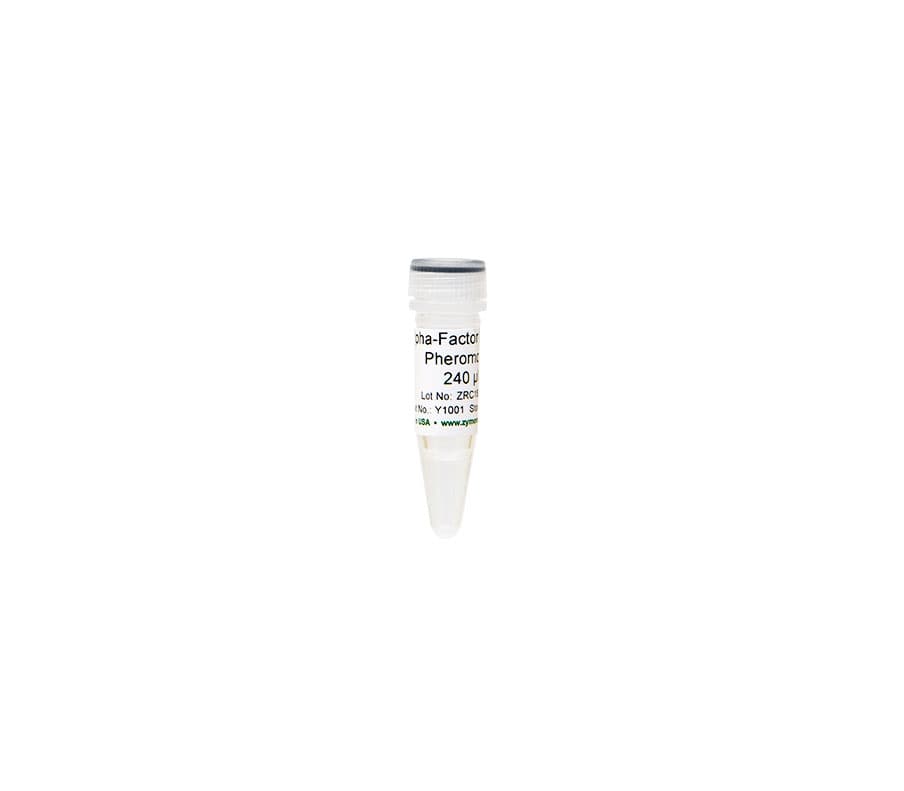
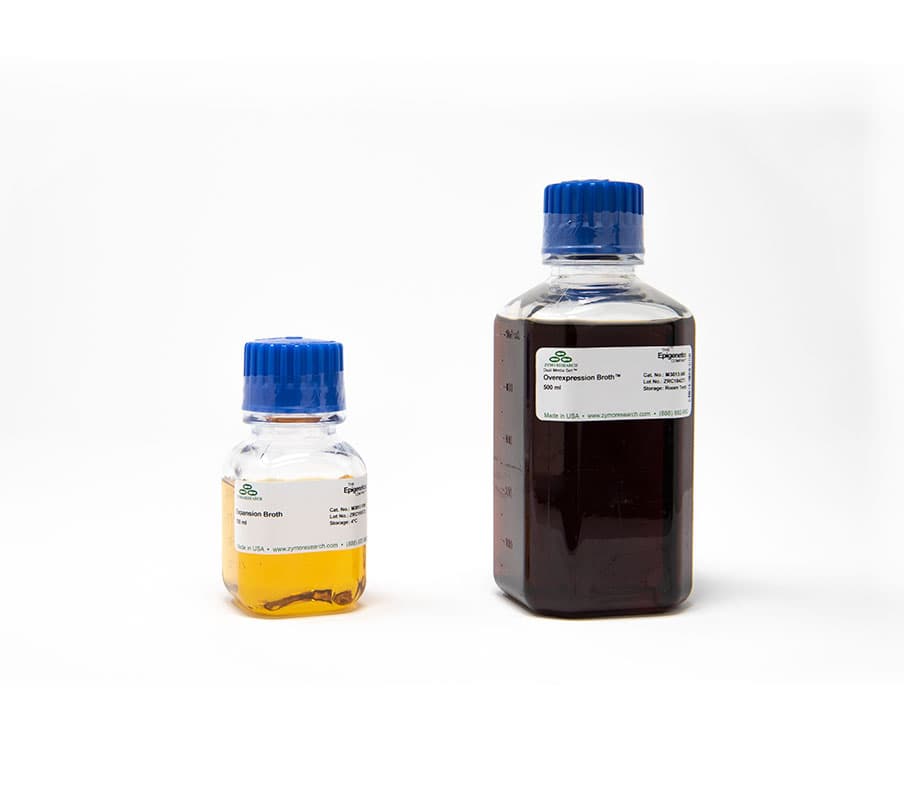

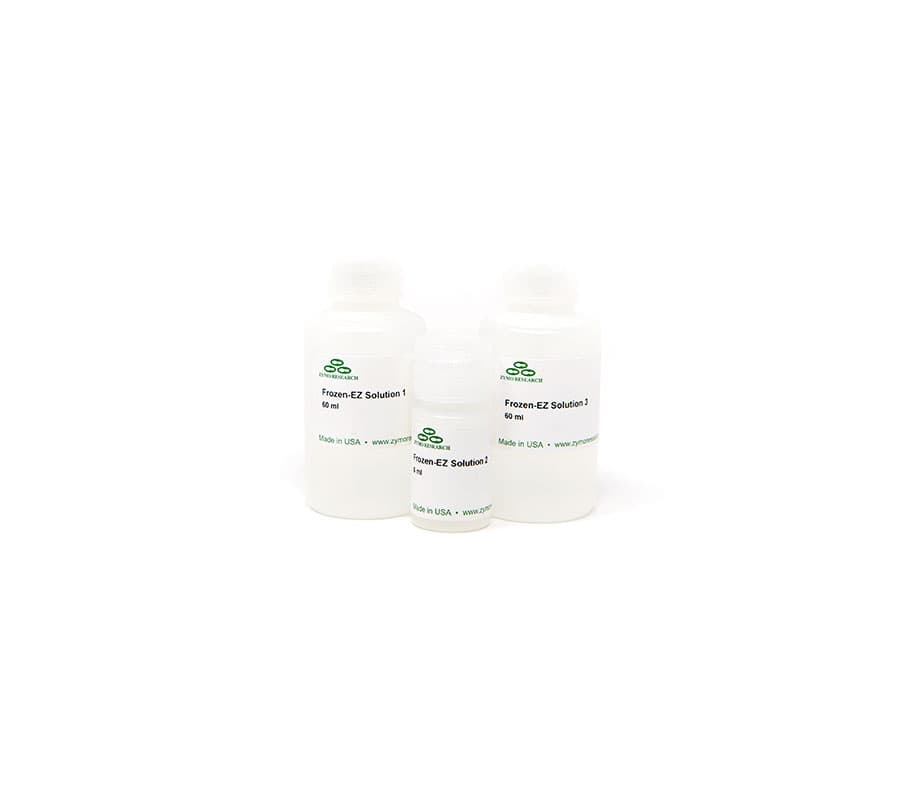

Showing 1 to 12 of 33 results
What are cloning reagents?
Cloning reagents encompass the components of a molecular cloning workflow: chemically or electrocompetent E. coli cells for bacterial transformation, plasmid cloning vectors, restriction enzymes and DNA-modifying enzymes (ligases, phosphatases), and ligation-independent or seamless DNA assembly kits for combining PCR fragments with linearized vectors. Related entities include bacterial transformation (heat shock, electroporation), plasmid DNA extraction/purification, restriction enzyme digestion, Gibson Assembly and similar seamless cloning methods, and lentiviral vector construction.
What you will find:
- Chemicals/Reagents: for genetic manipulation, protein expression, yeast culture, microbial propagation, and molecular assay workflows
- Culture Media: for plasmid propagation and bacterial growth in cloning applications
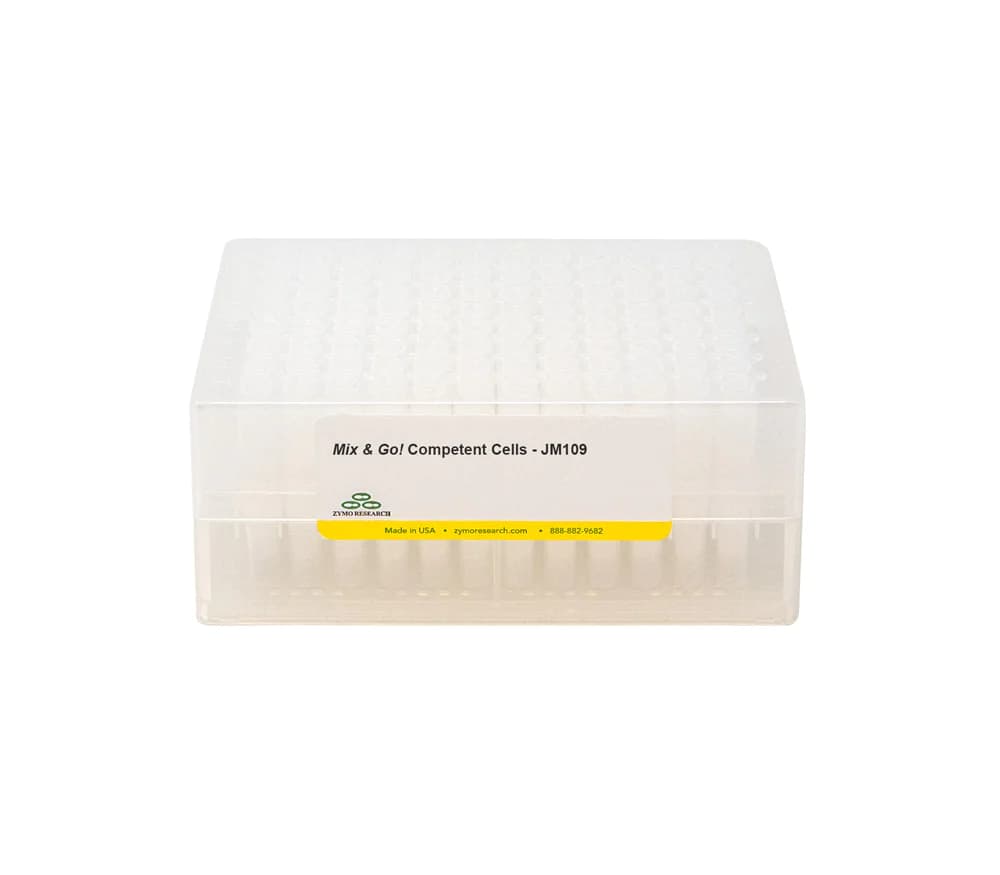
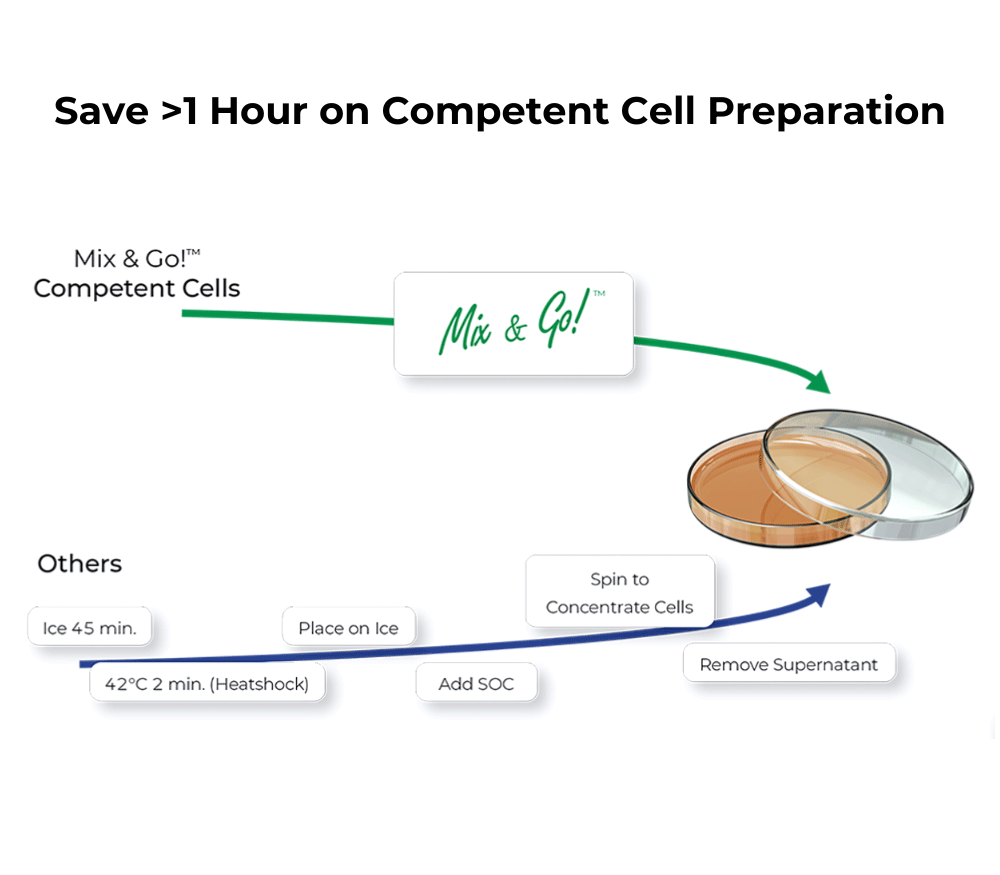
- Transformation Kits & Competent Cells: for high-efficiency DNA delivery and selection of recombinant clone
- Ligation Independent Cloning Systems: for efficient DNA assembly without restriction enzymes
How to choose cloning reagents
Competent cell strain selection
E. coli competent cell strains vary by genotype and intended use: general cloning strains (e.g., DH5-alpha, DH10B equivalents) prioritize high transformation efficiency and plasmid stability, while protein expression strains (e.g., BL21(DE3) equivalents) are optimized for recombinant protein production rather than plasmid propagation; select based on the downstream application rather than using a single strain for all purposes.
Chemically competent vs. electrocompetent cells
Chemically competent cells, prepared with calcium chloride treatment, are suitable for standard heat-shock transformation protocols and are generally easier to use, while electrocompetent cells require electroporation equipment but can offer higher transformation efficiency for large plasmids or low-copy constructs.
Ligation-based vs. ligation-independent/seamless cloning
Traditional ligation-based cloning requires compatible restriction sites and a ligase reaction, while ligation-independent and seamless assembly methods (such as Gibson Assembly-type approaches) allow directional assembly of multiple PCR fragments into any linearized vector without requiring specific restriction sites, often reducing total cloning time for multi-fragment constructs.
Vector selection for downstream lentiviral production
When the cloning goal is to build a custom lentiviral expression construct (for example, for cell immortalization), the vector backbone must be compatible with the lentiviral packaging system being used (e.g., third-generation self-inactivating systems), and should include appropriate promoter and selection marker elements consistent with the target application.
Specifications context
Competent cell transformation efficiency is reported in transformants per microgram of plasmid DNA, with high-efficiency strains commonly exceeding 1x10^8 transformants/microgram for standard plasmids. Cloning kits and enzymes are typically supplied with defined reaction buffers and unit definitions for restriction enzymes and ligases, with pack sizes for academic labs ranging from small reaction kits to bulk enzyme stocks for high-throughput cloning.
This category sits alongside MBP's cell immortalization catalog, where custom hTERT, SV40T, or other immortalization constructs may require vector modification before lentiviral packaging. Labs working on TERT overexpression viruses or SV40T antigen overexpression viruses may need cloning reagents to modify promoter or selection marker elements before requesting custom virus production. MBP's specialist team can help confirm competent cell strain and vector compatibility for a specific cloning strategy before order placement.
Contact the expert team at MBP to get high-yield cloning reagents for your lab today.
FAQ