Cell Culture Supplements and Additives for Growth Optimization and Specialized Applications
Cell culture supplements and additives fill specific nutritional, buffering, and selection gaps in basal media: GlutaMAX and L-glutamine (energy source, 2–6 mM typical), MEM non-essential amino acids (NEAA), sodium pyruvate, HEPES buffer (25 mM typical), ITS (insulin-transferrin-selenium for serum-free culture), 2-mercaptoethanol (antioxidant/reducing agent), BSA, N2/B27/NCS21 neuronal supplements, and HAT supplement for hybridoma selection. MBP ships to labs across the United States, Canada, and internationally with PO and Quick Order at mbpinc.net.
Explore available cell culture supplements and additives or request a quotation by contacting customerservice@mbpinc.net. Our team can help identify the optimal supplements for your media formulation, cell type, and experimental workflow.
Supplements & Additives




Showing 1 to 12 of 51 results
What are cell culture supplements and additives?
Cell culture supplements and additives are specialized reagents added to basal media such as DMEM, RPMI 1640, MEM, and DMEM/F-12 to provide nutrients, growth support, buffering capacity, antioxidants, or selection functions that are not fully supplied by the base medium. They allow researchers to customize culture conditions for specific cell types, improve cell growth and viability, support serum-free formulations, and optimize experimental outcomes.
Unlike complete media, which contain all required components, supplements are typically purchased and added separately to create a culture environment tailored to a particular application. Common supplements include glutamine sources, amino acid mixtures, metabolic substrates, pH buffers, serum replacements, antioxidants, neuronal supplements, and hybridoma selection reagents.
What you will find:
-
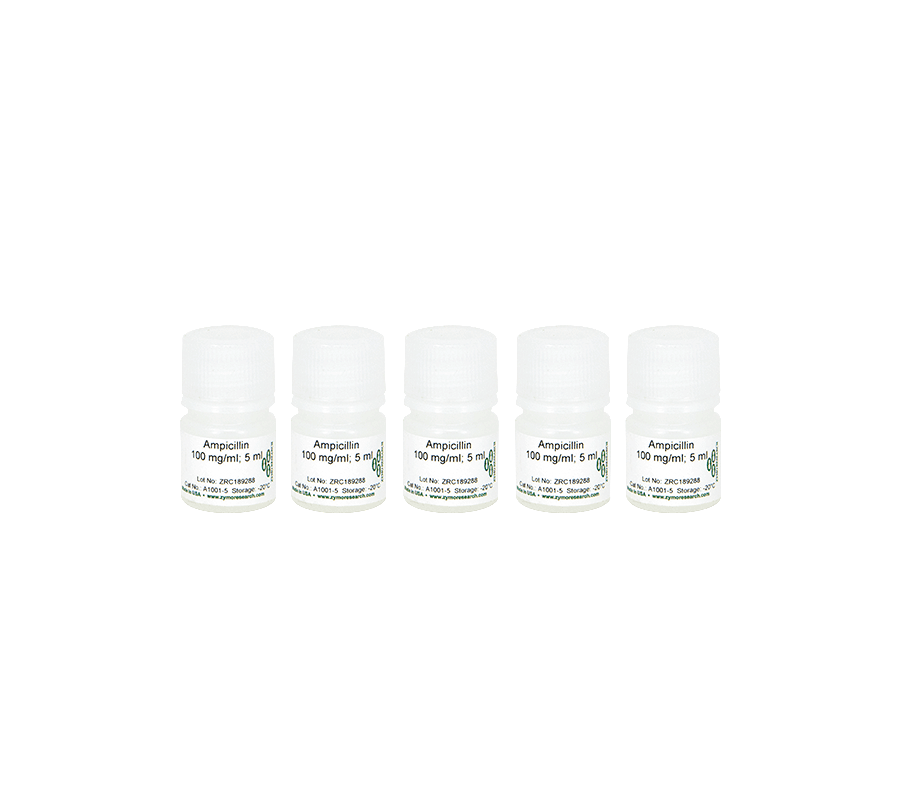
Antibiotics: for precise selection, contamination control, and stable cell line maintenance.
-
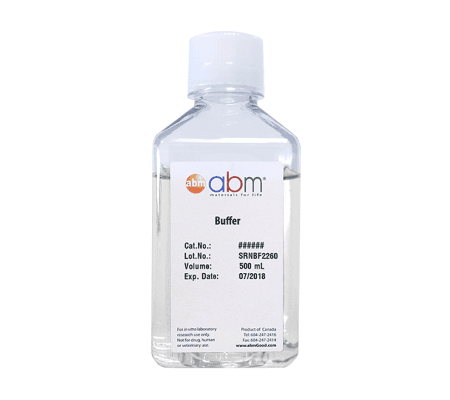
Buffers & Solutions: for pH stabilization, washing applications, and media preparation,
-
L-Glutamine & Amino Acids: support cell viability, media preparation, and protein synthesis in mammalian cell culture.
-
Additional Cell Culture Reagents: for routine cell maintenance, stem cell culture, transfection workflows, enhanced growth
How to choose cell culture supplements and additives
Glutamine source: L-glutamine vs. GlutaMAX
L-glutamine is an important energy source that supports protein synthesis, nucleotide production, and cellular metabolism. However, it gradually degrades in solution and releases ammonia, which can negatively affect cell health during extended culture periods.
GlutaMAX, a stabilized L-alanyl-L-glutamine dipeptide, provides the same biological function while offering significantly greater stability. It is particularly beneficial for long-term cultures where media may remain on cells for several days.
Non-essential amino acids (NEAA)
Non-essential amino acid supplements provide amino acids that cells can synthesize themselves but may benefit from receiving directly in the culture medium. Supplementing with NEAA can reduce metabolic stress, improve growth rates, and enhance viability in many mammalian cell culture applications.
Sodium pyruvate
Sodium pyruvate serves as an additional energy source and can support cellular metabolism when glucose availability is limited or when specific cell types have increased metabolic demands. It is commonly used in conjunction with glucose-containing media.
HEPES buffer
HEPES is a biological buffer that improves pH stability during handling procedures performed outside a CO₂ incubator. It helps maintain physiological pH during microscopy, cell sorting, and other bench-top manipulations but does not replace the need for standard CO₂ incubation.
ITS supplements
Insulin-Transferrin-Selenium (ITS) supplements provide growth-supporting components that can partially replace serum. They are commonly used in reduced-serum and serum-free media formulations to improve consistency while reducing dependence on animal-derived supplements.
Antioxidants and nutritional proteins
2-mercaptoethanol acts as a reducing agent and antioxidant, helping protect cells from oxidative stress. It is frequently used in hybridoma and immune cell culture.
Bovine serum albumin (BSA) serves as a stabilizing protein and nutritional supplement, supporting cell growth while reducing the need for higher serum concentrations in some formulations.
Neuronal culture supplements
N2, B27, and related supplements are chemically defined formulations developed specifically for neuronal and neural stem cell culture. These supplements provide vitamins, antioxidants, hormones, and other factors required for neuronal growth and survival in serum-free conditions.
HAT supplement
HAT (Hypoxanthine-Aminopterin-Thymidine) supplement is primarily used during hybridoma production. It enables selective growth of successfully fused hybridoma cells while preventing the survival of unfused myeloma cells.
Specifications context
Supplement requirements vary depending on the cell type, basal medium, and experimental objectives. L-glutamine concentrations differ among media formulations, while HEPES concentrations commonly range from 15–25 mM. Many supplements are supplied as concentrated stock solutions that are diluted into culture media before use.
Contact the expert team at MBP and book premium-quality supplements and additives for your lab today.
FAQ