Laboratory Equipment for Molecular Biology Research
Laboratory equipment at MBP spans the full range of instruments and devices used in molecular biology and life science research, from electrophoresis and gel visualization systems to centrifuges, vortex mixers, thermal cyclers, and dry baths - serving academic, clinical, and biopharma labs that need reliable equipment with responsive specialist support.
MBP carries equipment from validated manufacturers, including Hermle, Benchmark Scientific, and others, with US order processing in Houston, Texas, and shipping across North America and internationally. Request a quote for laboratory equipment for molecular biology research workflows by contacting customerservice@mbpinc.net.
Equipments
.jpg&w=3840&q=75)
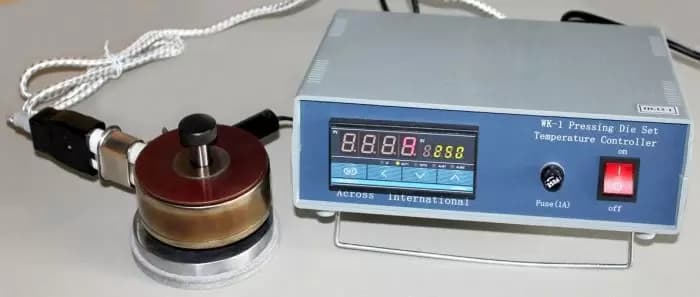


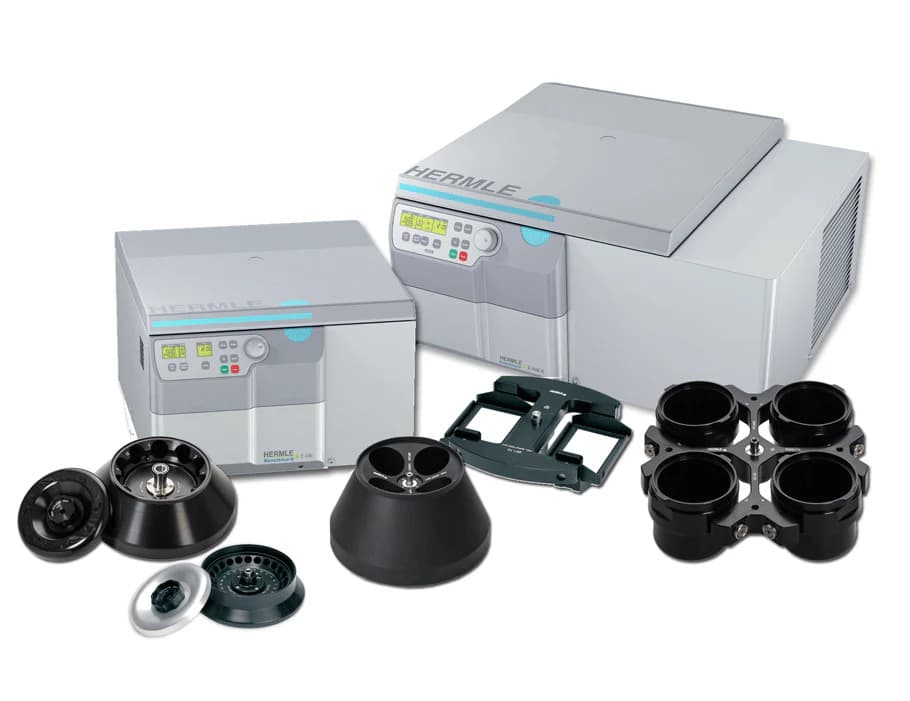
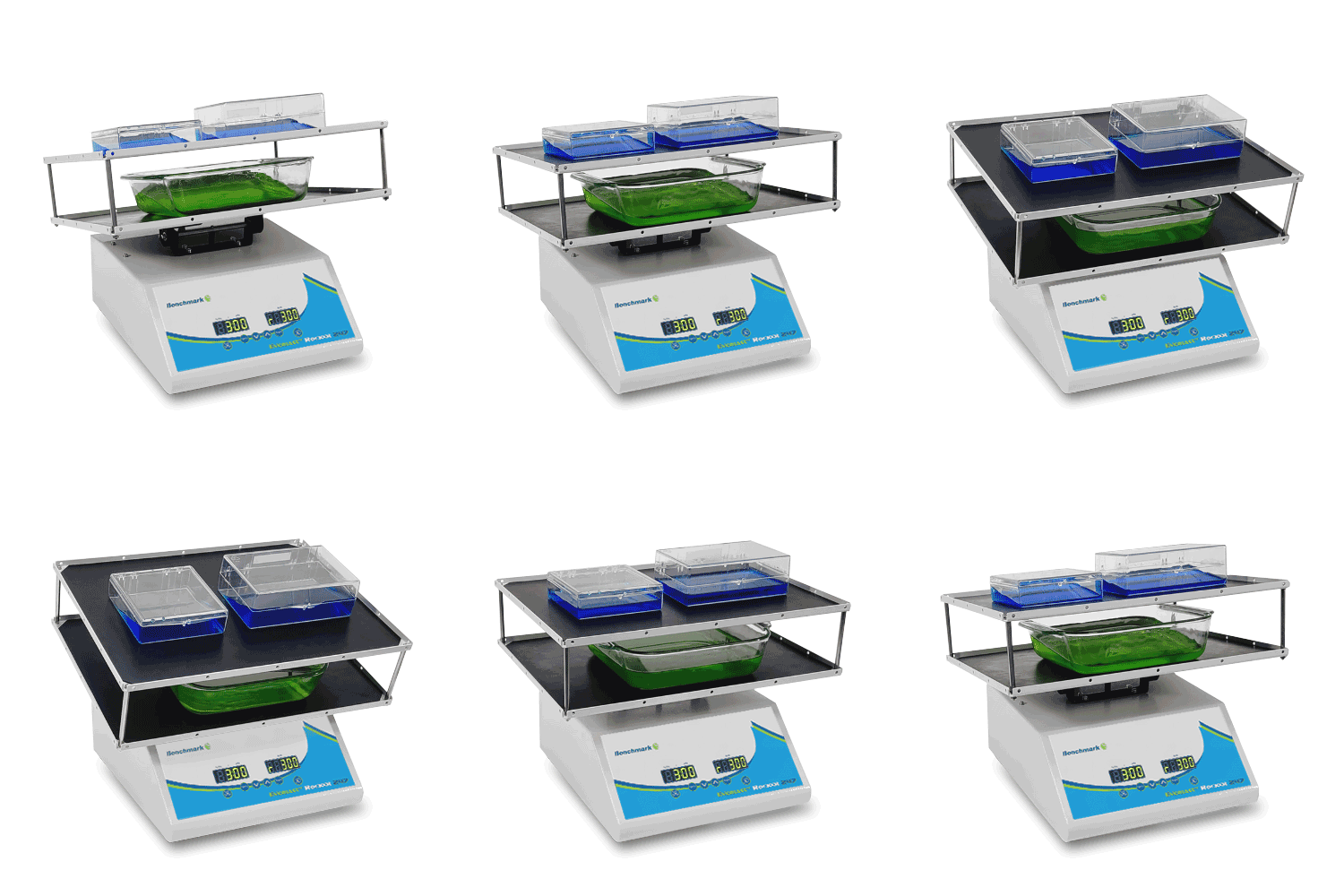
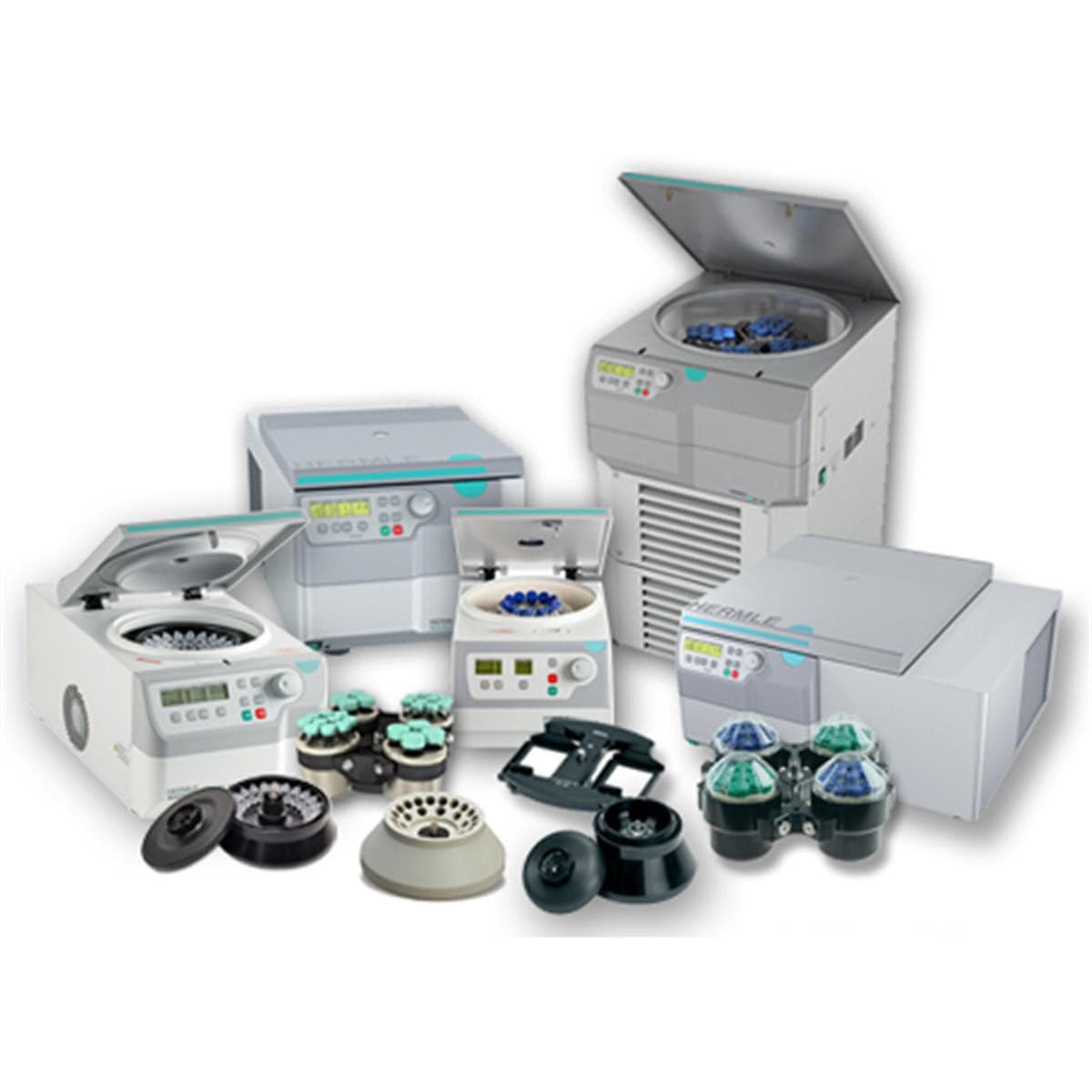
Showing 97 to 108 of 881 results
What Is Laboratory Equipment?
Laboratory equipment encompasses the instruments, devices, and apparatus used to perform experiments, process samples, separate biomolecules, and analyze results in molecular biology, biochemistry, cell biology, microbiology, and related life science disciplines. Major equipment categories at MBP include electrophoresis and gel visualization (horizontal and vertical gel systems, UV and blue-light transilluminators, gel documentation imagers), centrifugation (microcentrifuges, high-speed centrifuges, plate spinners), agitation and mixing (vortex mixers, orbital shakers, rocking rollers, tube rockers), and temperature control (dry baths, water baths, cold traps). Instrumentation choices directly affect data quality, reproducibility, and throughput; selecting the correct format and specification for each application is as important as choosing the right reagents. Choose laboratory equipment based on application type, sample throughput, space constraints, power supply requirements, and compatibility with existing consumables and workflows.
What you will find:
-
PCR Thermal Cyclers – Advanced systems for precise temperature control and DNA amplification.
-
Automated Liquid Handling – Robotic solutions to enhance throughput and minimize manual errors.
-
Centrifuges – High-speed and refrigerated options for versatile sample separation.
-
Electrophoresis & Visualization – Complete systems for DNA/RNA separation and high-resolution imaging.
-
Autoclave & Biosafety Cabinets – Essential sterilization and containment solutions for a safe lab environment.
-
Sample Management Systems – Integrated tools for efficient tracking and high-capacity sample storage.
-
Agitation Equipment – Reliable shakers, stirrers, and mixers for consistent sample homogenization.
-
Temperature Control Equipment – Precise incubators, ovens, and chillers for sensitive biological applications.
-
Microscopes, Balances & Analytical Equipment – High-definition optics and ultra-precise weighing solutions.
-
Sample Processing – Robust tools for tissue disruption, grinding, and sample preparation.
-
Purification & Separation – Specialized systems for high-purity isolation of biomolecules.
How to Choose Laboratory Equipment
Application match
Identify the primary workflow each instrument must support. Horizontal submarine electrophoresis systems are used for agarose gel separation of DNA and RNA; vertical SDS-PAGE systems are for protein analysis. UV transilluminators visualize ethidium bromide-stained gels; blue-light transilluminators at 470 nm are used with safer dyes such as SYBR Safe, SafeView, and GelGreen without UV-induced DNA damage. Gel documentation systems provide permanent digital records of gel images for publication and archival.
Throughput and format
Mini-format gel systems (7 x 8 cm gel tray) suit low-throughput labs running fewer than 10 samples per gel. Standard and midi formats (10 x 14 cm) accommodate 20-30 samples and are standard for most molecular biology labs. Wide-format or multi-deck systems allow 96+ samples per run for high-throughput screening. For centrifuges, match rotor capacity and maximum RCF (relative centrifugal force) to your application: 10,000-15,000 x g for microcentrifuge pellets; 2,000-6,000 x g for plate or cell culture work.
Power supply requirements
Most laboratory electrophoresis equipment operates on standard 100-240 V, 50/60 Hz power. North American labs use 120 V (standard outlet); confirm input voltage compatibility before ordering for international or dual-voltage labs. Electrophoresis power supplies should deliver constant voltage (60-150 V for standard agarose gels) and current up to 400 mA for running multiple gels simultaneously.
Service, warranty, and support
MBP's specialist team provides application support, troubleshooting, and can source replacement parts for equipment distributed through MBP. Standard manufacturer warranties of 1 year apply to most instruments unless stated otherwise. MBP's direct service model means faster response times compared to large distributors -- a core differentiator for labs that cannot tolerate extended instrument downtime.
Vendor registration for institutional buyers
Procurement teams at institutions, including Howard Hughes Medical Institute, Vanderbilt University, and MD Anderson Cancer Center, can purchase through MBP as a registered vendor. Contact MBP to obtain a vendor number, establish a purchasing account, or request quotes for capital equipment.
Specifications Context
Electrophoresis gel systems are specified by gel tray dimensions (width x length in cm), well count (number of sample wells per comb), buffer volume capacity (mL), and operating voltage range (V). UV transilluminators are specified by emission wavelength (254 nm, 302 nm, or 365 nm), UV lamp power (typically 8-25 W), and viewing surface dimensions (cm x cm). Gel documentation systems are characterized by camera resolution (megapixels), bit depth (8-bit vs. 16-bit for quantitative analysis), and illumination type (UV at 302 nm, blue LED at 470 nm, or multi-mode). LED-based transilluminators and gel documentation systems have largely replaced fluorescent UV tube-based units in new lab installations due to lower energy consumption, instant-on capability, and longer bulb lifespan (50,000+ hours vs. 2,000-5,000 hours for UV tubes).
Consider a critical component for your inquiry—carefully designed instruments that consistently yield precise results. Reach out to the MBP team now.
FAQ