Product Filters

Automated Liquid Handling: Laboratory Aspirators, Dispensers, and Liquid Handlers


Automated liquid handling instruments replace manual pipetting with consistent, reproducible liquid transfer—aspirators remove media and supernatants by vacuum, electronic multi-channel pipettes reduce RSI in repetitive plate-filling tasks, and benchtop robotic liquid handlers (8–96 channels) achieve 1–3% CV in volume transfer versus 5–15% for manual pipetting. MBP is a registered vendor to Howard Hughes Medical Institute, MD Anderson Cancer Center, and Vanderbilt University.

Contact customerservice@mbpinc.net to compare automated liquid handling solutions and request pricing or model availability.

Automated Liquid Handling
Per Page:
Sort By:
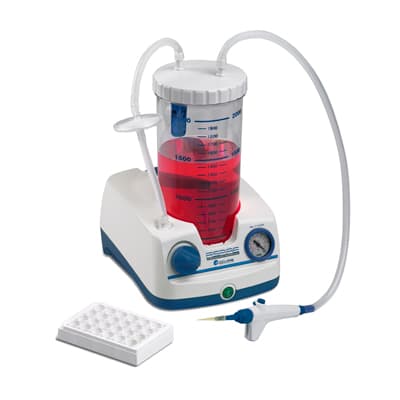
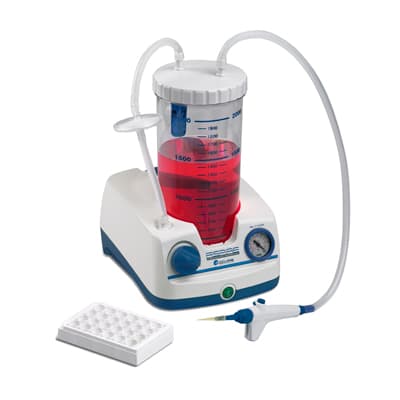
Aspire™ Laboratory Aspirator
List Price:
USD1,510.09 - USD1,510.09
Online Price:
USD1,078.63 - USD1,078.63
Your Price:
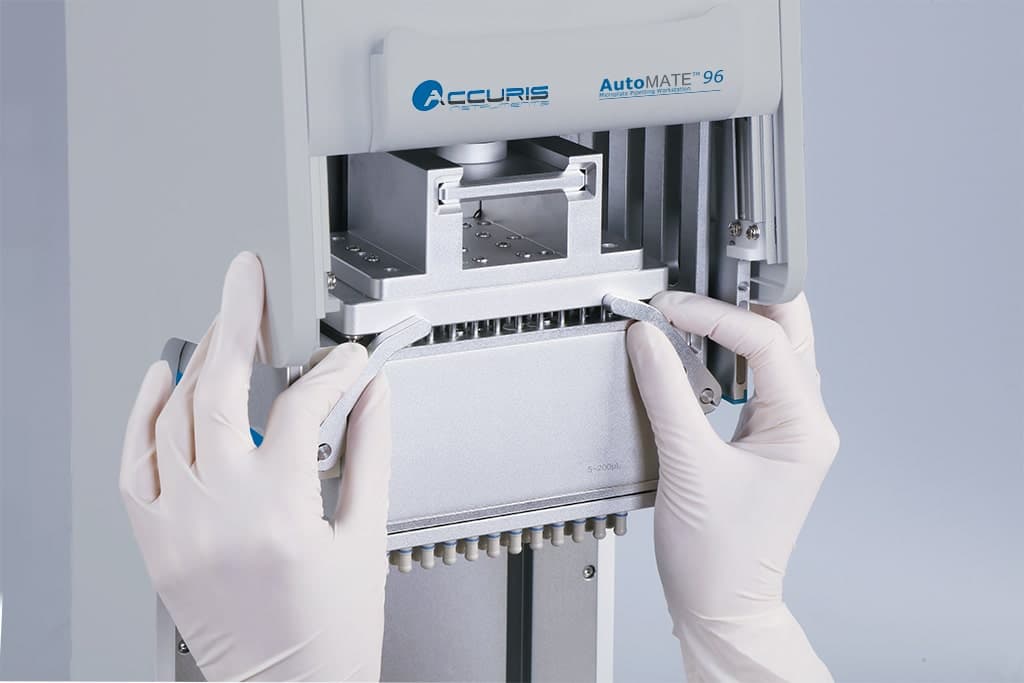
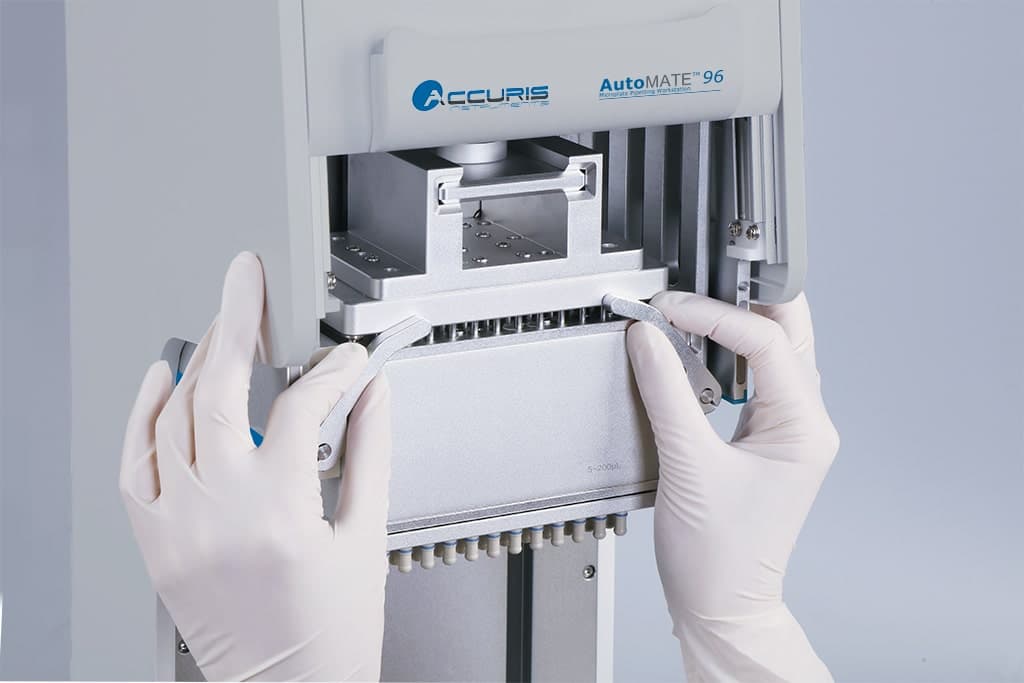
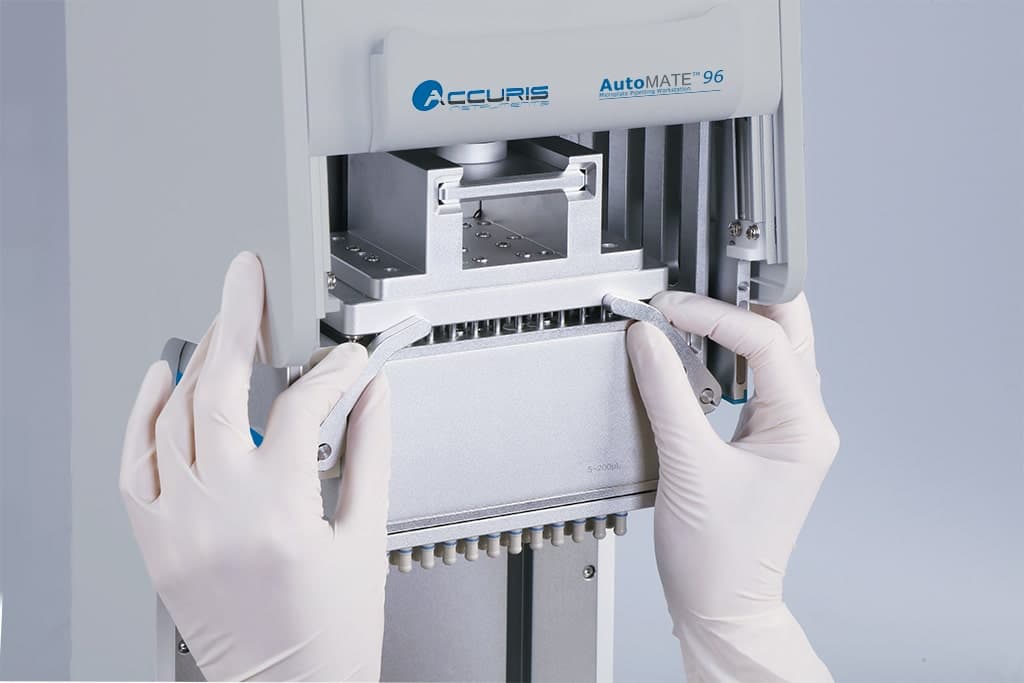
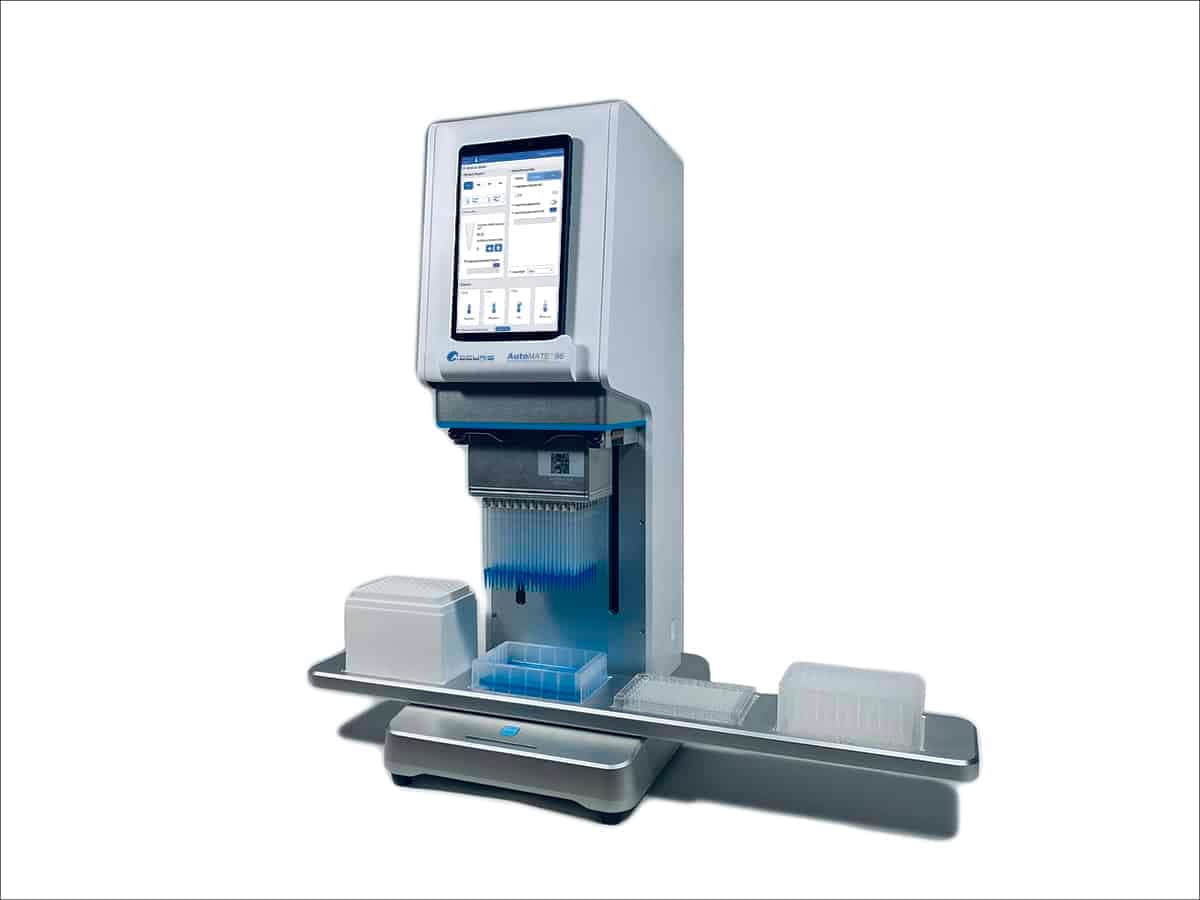
AutoMATE Pipetting
List Price:
USD22,585.48 - USD22,585.48
Online Price:
USD16,132.49 - USD16,132.49
Your Price:
Extra tubing set, 1 meter
List Price:
USD70.75
Online Price:
USD50.54
Your Price:
Graduated, PC collection bottle and lid (included)
List Price:
USD228.59
Online Price:
USD163.28
Your Price:
Handheld vacuum controller with single channel adapters
List Price:
USD426.22
Online Price:
USD304.44
Your Price:
Hydrophobic filter, pk/1 ( 1 each included)
List Price:
USD72.00
Online Price:
USD51.43
Your Price:
Option quick disconnect kit, includes 2 male/female attachments & silicone tubing
List Price:
USD210.57
Online Price:
USD150.41
Your Price:
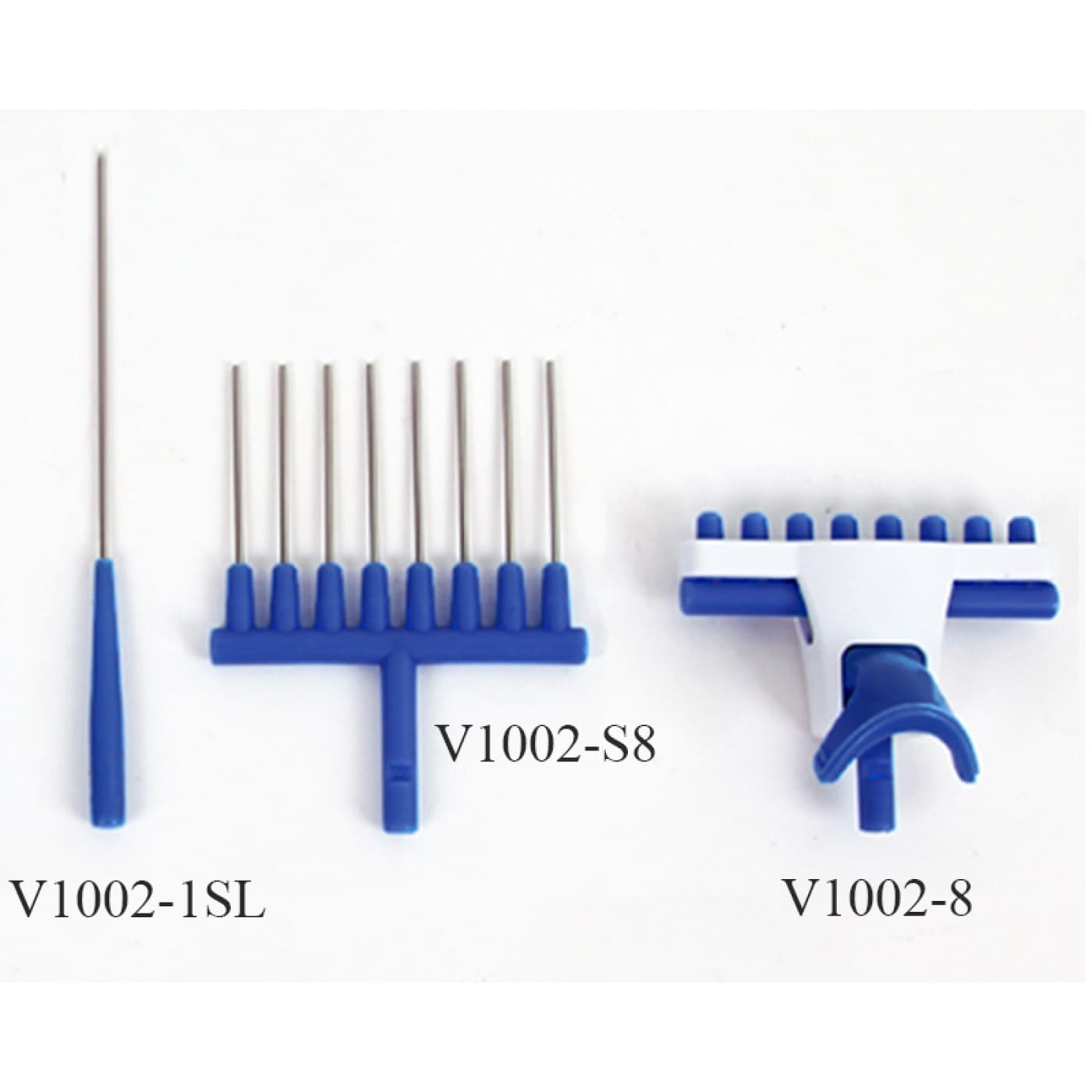
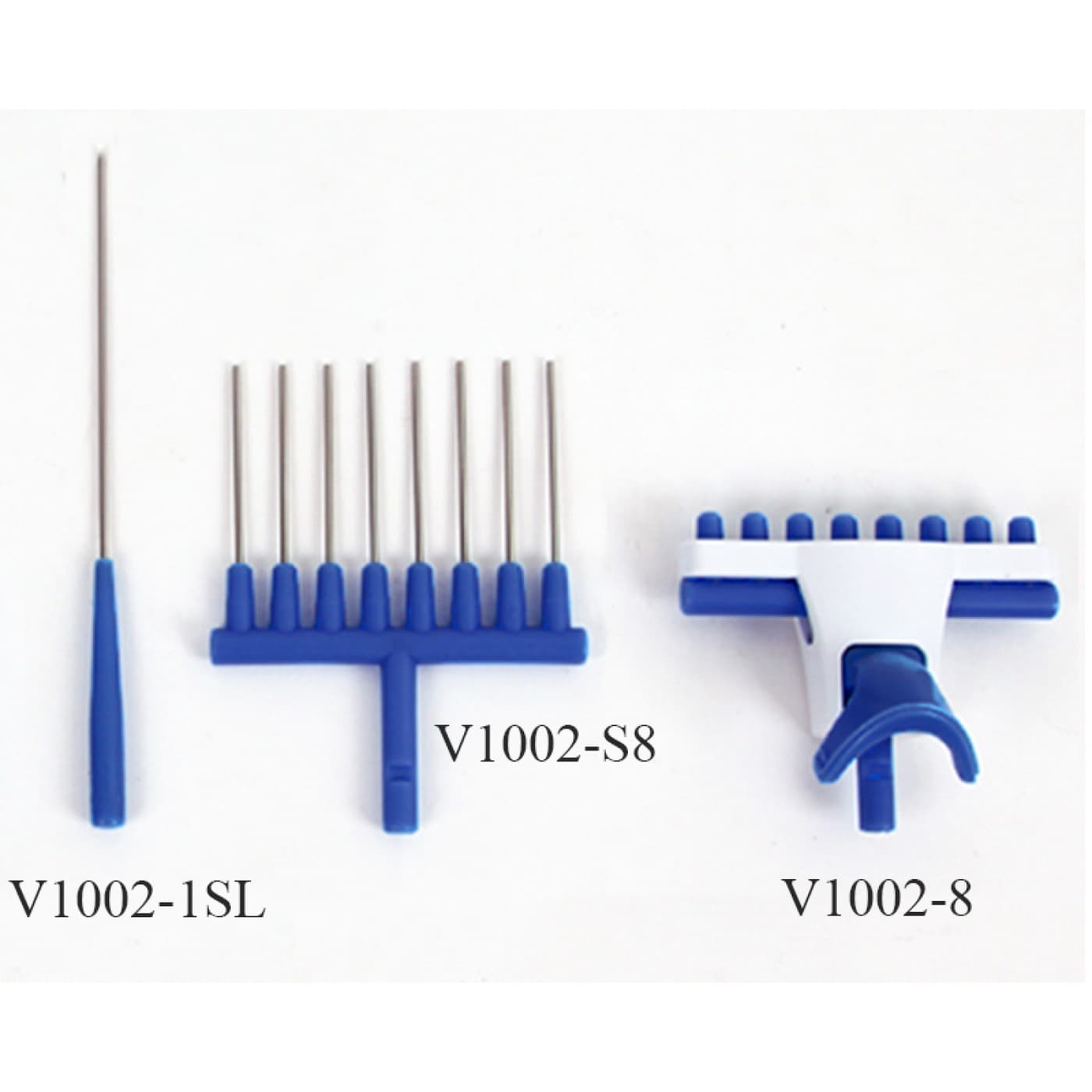
Optional eight channel adapter, fine tip stainless steel
List Price:
USD208.97
Online Price:
USD149.26
Your Price:
Optional eight channel adapter, for use with 200ul pipette tips
List Price:
USD342.95
Online Price:
USD244.97
Your Price:
Optional single channel adapter, extra long (80mm) stainless steel
List Price:
USD77.11
Online Price:
USD55.08
Your Price:
Pipetting head for AutoMATE™, 1-20ul
List Price:
USD10,970.37
Online Price:
USD7,835.98
Your Price:
Pipetting head for AutoMATE™, 100-1000ul
List Price:
USD12,328.36
Online Price:
USD8,805.97
Your Price:

Showing 1 to 12 of 16 results

What Is Automated Liquid Handling?


Automated liquid handling refers to laboratory equipment and systems that perform liquid transfer, dispensing, aspiration, and mixing tasks with minimal manual intervention. These solutions help improve accuracy, reduce repetitive strain, increase throughput, and minimize variability between operators. The category includes laboratory aspirators, electronic pipettes, multi-channel liquid handling workstations, and advanced robotic platforms designed for applications such as PCR setup, ELISA, cell culture, serial dilutions, and next-generation sequencing workflows.


What you will find:


  • Microplate Pipetting Station: Automation in pipetting systems for precise, high-performance liquid dispensing in microplate experiments.
  • Laboratory Aspirator: Efficient liquid removal systems featuring vacuum aspirators for the safe handling of waste and cell culture applications.
  • Liquid Handling Accessories: A variety of reservoirs, adapters, pipetting heads, and tubing designed to enhance the flexibility and accuracy of your hardware.


How to Choose Automated Liquid Handling Equipment


Define the Task: Removal vs. Transfer

Determine whether your workflow requires liquid removal or precise volume transfer. Laboratory aspirators are designed for media changes and supernatant removal, while liquid handling systems provide accurate dispensing, mixing, and sample preparation capabilities.

Volume Range and Channel Count

Select equipment based on the required volume range and throughput. Single-channel systems are suitable for lower-volume tasks, while multi-channel and robotic workstations support high-throughput applications involving microplates and large sample sets.

Biosafety Cabinet Compatibility

For cell culture and biological workflows, choose compact systems that fit comfortably within biosafety cabinets without restricting airflow or workspace accessibility. Quiet operation and appropriate accessory layouts can further improve usability.

Consumable and Maintenance Requirements

Consider the ongoing costs associated with filters, tubing, collection bottles, disposable tips, and other consumables. Evaluating long-term maintenance requirements helps determine the total cost of ownership for automated liquid handling equipment.

Workflow Integration

Many automated liquid handling systems can integrate with other laboratory instruments such as thermal cyclers, plate readers, and centrifuges. Confirm compatibility if your laboratory requires multi-step automated workflows or future expansion capabilities.


Specifications Context


Automated liquid handling systems cover a broad range of laboratory applications, from simple aspiration tasks to complex high-throughput sample preparation workflows. Modern designs emphasize precision, reproducibility, ergonomic operation, and compatibility with a wide variety of laboratory vessels and consumables.

Routine maintenance, proper calibration, and the use of manufacturer-approved accessories help ensure reliable performance and extend equipment lifespan. These technologies continue to play an important role in improving efficiency and standardization across research, clinical, and biotechnology laboratories.

Want to see what your lab looks like without pipetting errors? Contact the expert team at Molecular Biology Products Inc. (MBP) to find the perfect solution for your lab.

FAQ

Automated liquid handling refers to robotic or motorized instruments that perform precise liquid transfers—pipetting, dispensing, diluting, mixing, and aliquoting—without manual pipetting, replacing or reducing the repetitive pipetting tasks that cause variability and repetitive strain injury in laboratory workflows. Systems range from benchtop aspirators and electronic multi-channel pipettes to compact 96-channel robotic liquid handling workstations and fully integrated drug discovery platforms capable of processing thousands of microplate wells per hour.
The main types of automated liquid handling instruments are: laboratory aspirators (vacuum-based systems that remove spent media, supernatants, and wash buffers from culture vessels and microplates); electronic single-channel and multi-channel pipettes (motorized pipettors that reduce user effort and improve reproducibility); benchtop liquid handlers (8- to 96-channel automated pipetting workstations for PCR setup, NGS library prep, ELISA, and serial dilution); and high-throughput robotic liquid handling platforms (multi-deck systems with robotic arms, plate handlers, and integration with centrifuges and readers) for drug discovery and diagnostic automation.
Automated liquid handling is used in: cell culture media replacement and supernatant removal (aspirators); PCR master mix setup and sample transfer (benchtop liquid handlers); NGS library preparation (8- to 96-channel workstations); ELISA plate preparation and wash solution addition (dispensers and aspirators); serial dilution for drug screening (benchtop liquid handlers); high-throughput compound screening (robotic workstations); RNA and DNA extraction from 96-well plates; and diagnostic sample preparation in clinical labs. Any workflow requiring more than 50–100 repetitive pipetting steps per day benefits measurably from automation.
A laboratory aspirator uses vacuum (negative pressure) to remove liquids by suction through a handpiece or pipette tip—it removes liquid from a vessel but does not dispense precisely measured volumes. An automated liquid handler uses positive-pressure air displacement or liquid displacement to transfer precisely metered volumes (nanoliters to milliliters) between vessels. Aspirators are used for waste removal; liquid handlers are used for accurate liquid transfer and dispensing. Both are part of the automated liquid handling category and complement each other in cell culture and assay workflows.
Manual pipetting introduces three primary sources of variability: inconsistent pre-wetting of tips, variable aspiration and dispense speed between operators and across a session, and pipetting angle deviation from the calibrated vertical. Automated liquid handlers apply consistent aspiration speed, dispense pressure, tip submersion depth, and tip angle on every transfer, eliminating inter-operator variability and reducing intra-operator variability from fatigue. CV (coefficient of variation) for automated 8-channel pipetting is typically 1–3% across a 96-well plate versus 5–15% for manual pipetting of the same volume range.
Automated liquid handling systems cover volumes from 25 nanoliters (acoustic liquid handlers such as Beckman Coulter Echo, using sound waves to dispense nanoliter droplets without tips) to 5 mL per channel (high-volume benchtop dispensers for cell culture). Most benchtop 8-channel robotic workstations operate in the 0.5–1,000 µL range per channel using air-displacement pipette tips, which covers the majority of PCR, ELISA, NGS, and serial dilution workflows in life science research.
MBP's Automated Liquid Handling category includes laboratory aspirators—vacuum-based systems with adjustable vacuum pressure (−30 to −750 mbar), 2-liter polycarbonate collection bottles with overflow protection, autoclavable POM handpieces, and replaceable hydrophobic/antibacterial in-line filters—and related aspirator accessories including replacement collection bottles, filters, tubing, and handpiece components. Contact MBP for current availability and pricing across the United States and Canada.
The in-line hydrophobic filter in a laboratory aspirator system sits between the collection bottle and the vacuum pump, preventing liquid, condensate, and biological aerosols from reaching the pump motor and causing contamination or corrosion damage. It is a critical safety component—without a functional filter, aspirated liquids or vapors from biohazardous waste can enter the pump and be expelled into the lab environment. Replace the in-line filter whenever it becomes visibly wet, discolored, or at the manufacturer's recommended interval (typically after each bottle emptying cycle or when contaminated).
We provide the highest quality of products and anytime customer service.
Featured Categories
    online payment
    online payment
    fast delivery
    fast delivery
    technical support
    technical support
    24/7 support
    24/7 support
    copy right
    2026 All Right Reserved