Sample Management Systems for Sample Tracking, Storage, and Laboratory Organization
Sample Management Systems brings together equipment for labeling, storing, tracking, and managing biological and chemical samples: tube and plate labeling and barcoding systems, cryogenic and ambient-temperature sample storage equipment, automated liquid handling instruments, and organization tools including racks, boxes, and plate storage systems. As a Main Category alongside Sample Processing and Agitation Equipment, this section covers sample management and organization. Academic and core labs get system-selection guidance plus competitive pricing.
Contact customerservice@mbpinc.net to explore sample management solutions tailored to your storage, tracking, and workflow requirements.
Sample Management Systems


Showing 1 to 5 of 5 results
What are Sample Management Systems?
Sample Management Systems covers the equipment and tools used to physically manage research and clinical samples from collection through analysis and archiving: labeling and barcoding systems that identify tubes, plates, and vials; cryogenic storage equipment that maintains biological samples at −80°C, −150°C, or liquid nitrogen temperature; automated liquid handling systems that transfer, dilute, and distribute samples across plates; and the racks, boxes, trays, and shelving systems used to organize and locate samples in storage. Effective sample management reduces the risk of sample mix-up, degradation, or loss — particularly important for irreplaceable clinical or primary cell specimens that cannot be regenerated if compromised.
What you will find:
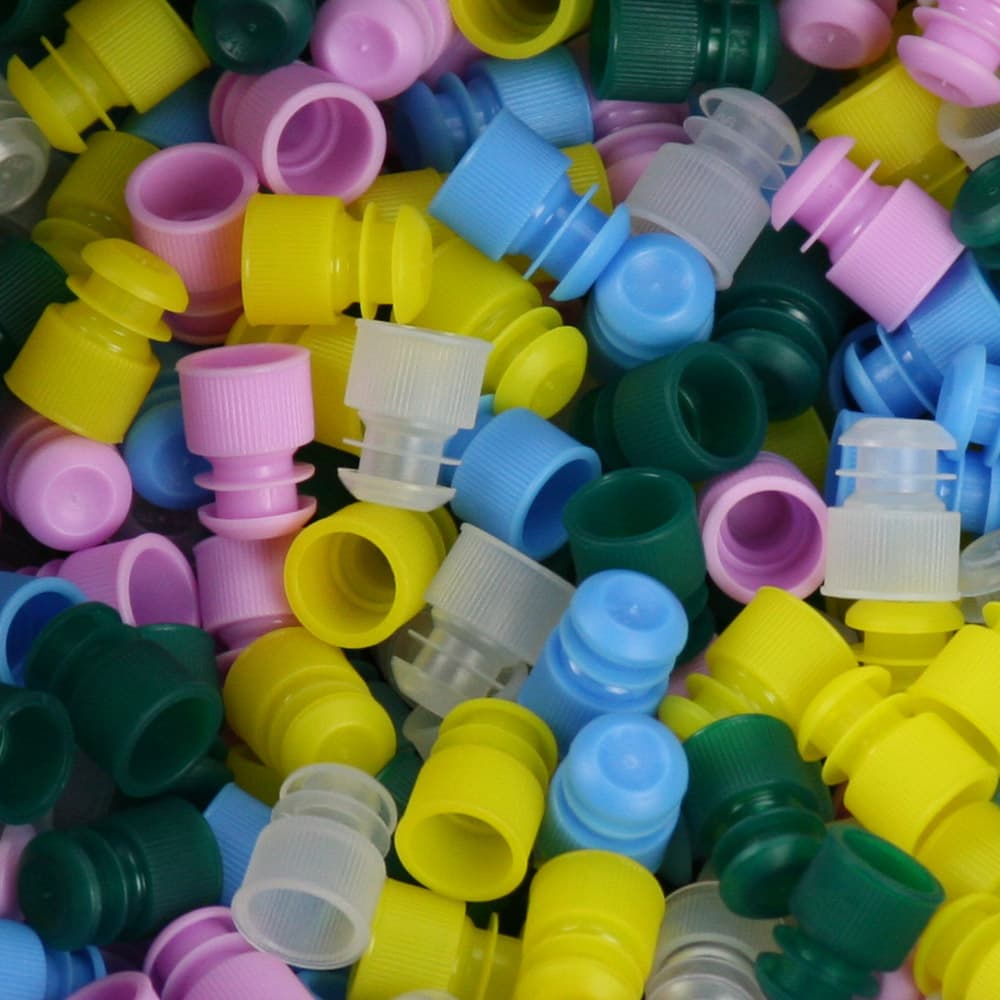
- Benchtop Recappers: used for rapid, consistent sealing and capping of vials and lab tubes
How to navigate Sample Management Systems
Cryogenic storage for long-term biological sample preservation
Cryostorage systems maintain biological samples at ultra-low temperatures — −80°C freezers, liquid nitrogen storage at −150 to −196°C, and cryogenic storage racks and boxes — where biological activity is arrested indefinitely. Sample integrity in cryogenic storage depends on temperature uniformity, controlled freeze-thaw cycles, and organized storage to minimize the frequency and duration of sample retrieval.
Labeling and barcoding for sample identification and traceability
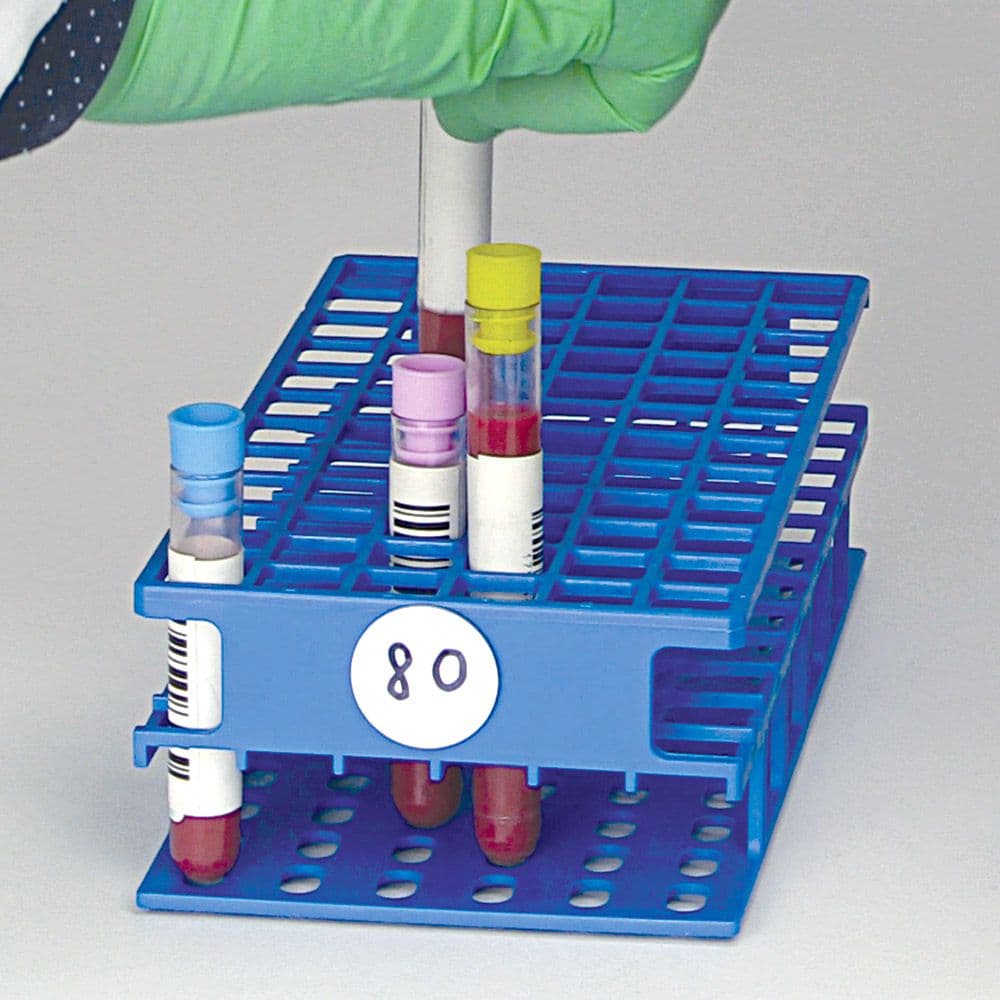
Tube and plate labeling systems use printed labels or direct barcode printing on tube surfaces to create permanent, machine-readable sample identifiers that survive cryogenic temperatures, centrifugation, and autoclave sterilization. Reliable labeling at the point of sample collection or preparation is the foundation of sample traceability throughout the storage and analysis lifecycle.
Automated liquid handling for sample distribution and plate preparation
Automated liquid handling instruments use programmable robotic pipetting to transfer, dilute, and distribute samples across plates or racks with higher speed, accuracy, and reproducibility than manual pipetting, reducing human error in high-throughput workflows and enabling standardized sample preparation protocols.
Sample organization racks, boxes, and shelving for accessible storage
Physical storage organization systems — cryogenic tube racks, cardboard and polycarbonate freezer boxes, plate stacks, and shelving systems — provide the physical structure needed to store and retrieve specific samples from a collection without searching through unsorted containers.
Sample tracking software integration for LIMS-compatible workflows
Many sample management instruments connect to laboratory information management systems (LIMS) or standalone sample tracking databases through barcode scanning, RFID, or direct software interfaces, enabling full chain-of-custody documentation from collection through analysis.
Specifications context
The risk of sample loss, mix-up, or degradation from poor sample management practices represents a significant hidden cost in research, as each compromised sample may represent weeks of experimental work. Cryogenic storage at liquid nitrogen temperature (−196°C) provides effectively indefinite biological preservation for properly frozen samples, while −80°C storage supports preservation for years to decades for most biological materials. As of 2026, integrated sample management systems combining cryogenic storage hardware, automated labeling, and LIMS-compatible tracking have become standard practice in biobanking and clinical trial specimen management.
Contact the MBP team today to request a quote and find the right sample management system for your lab.
FAQ