Lab Hotplates and Stirrers for Heating and Mixing
Laboratory hotplates and stirrers are bench-top instruments used to heat and simultaneously agitate liquid samples via a rotating magnetic stir bar driven by an electromagnet beneath the plate surface. Available as hotplate-only, stirrer-only, or combination hotplate-stirrer units, they cover heating temperatures from ambient to 300 degrees C or higher and stirring speeds from 100 to 1500 rpm for volumes from a few milliliters to several liters.
MBP supplies hotplates and magnetic stirrers to research institutions across the USA and Canada with direct quote and purchase order support. Request a quote for laboratory hotplates and stirrers for heating, mixing, and sample preparation workflows by contacting customerservice@mbpinc.net.
Hotplate & Stirrers
Showing 25 to 36 of 51 results
What Are Laboratory Hotplates and Stirrers?
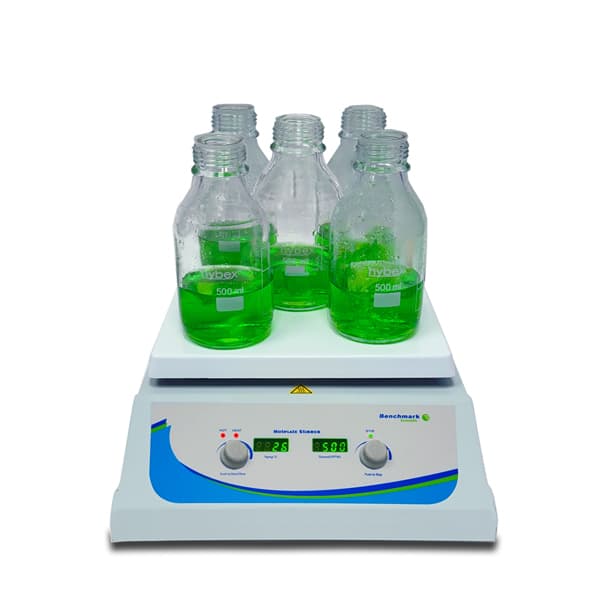
Laboratory hotplates are electrically heated work surfaces used to warm flasks, beakers, and vessels containing reagents, culture media, buffers, and reaction mixtures. Magnetic stirrers use a rotating magnetic field beneath the plate to spin a PTFE-coated stir bar inside the vessel, providing uniform mixing without mechanical contact. Combination hotplate-stirrer units integrate both functions in a single instrument and are the most common format in chemistry, biology, and pharmaceutical labs. Standalone magnetic stirrers (without heating) are used for room-temperature mixing, pH measurement, and buffer preparation. Applications include chemical synthesis and recrystallization, cell culture media preparation, buffer and reagent preparation, dissolution testing, enzyme assays, protein and nucleic acid precipitation, and polymer synthesis. Digital hotplate-stirrers with PID temperature control, external probe inputs for actual solution temperature monitoring, and PTFE-coated ceramic or aluminum plates are the standard in research-grade instruments. Choose a combination hotplate-stirrer for most bench chemistry and biology work; choose a standalone magnetic stirrer for room-temperature mixing where a heating element would be a contamination or safety risk.
What You Will Find:
-
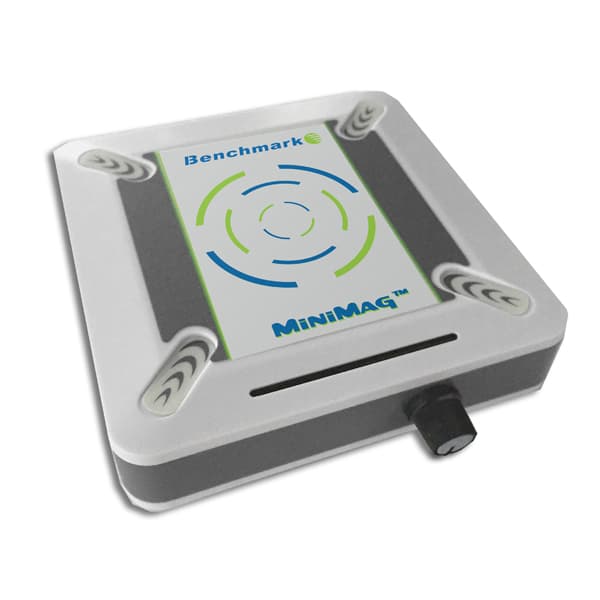
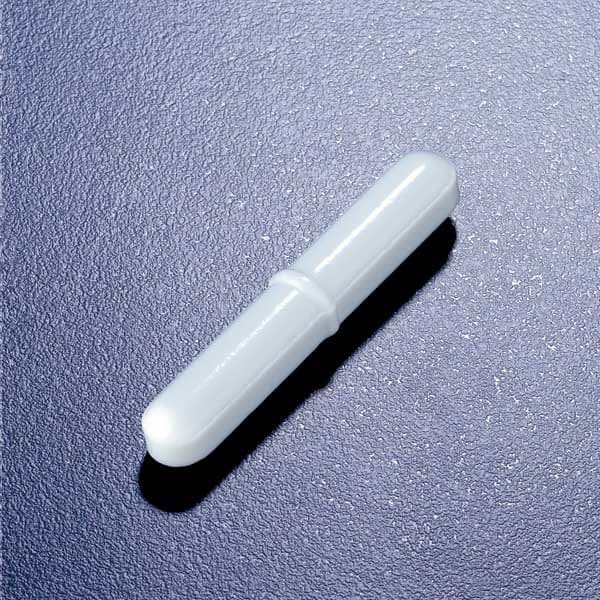
Magnetic Stirrers provide powerful, quiet rotation using high-quality magnetic bars to ensure your liquids are blended perfectly every time.
-
Hotplate & Stirrer Accessories include everything from extra stir bars to external temperature probes, helping you customize your setup for better accuracy.
-
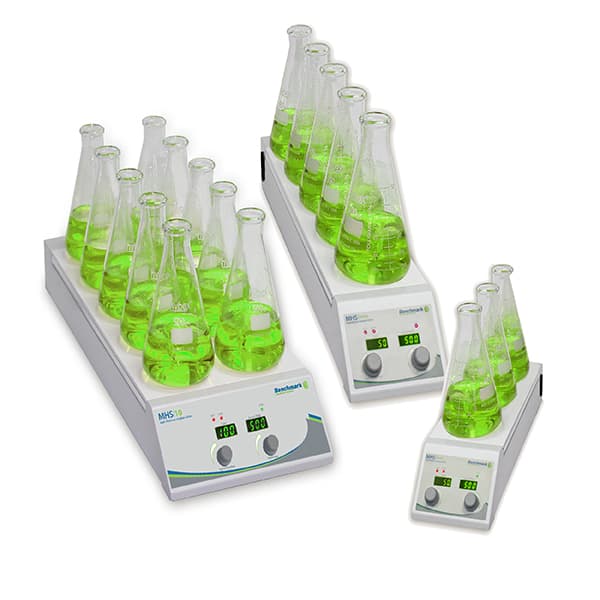
Multi-Position Hotplate Stirrers allow you to process several samples at once with uniform heat and speed, making your high-throughput days much more manageable.
-
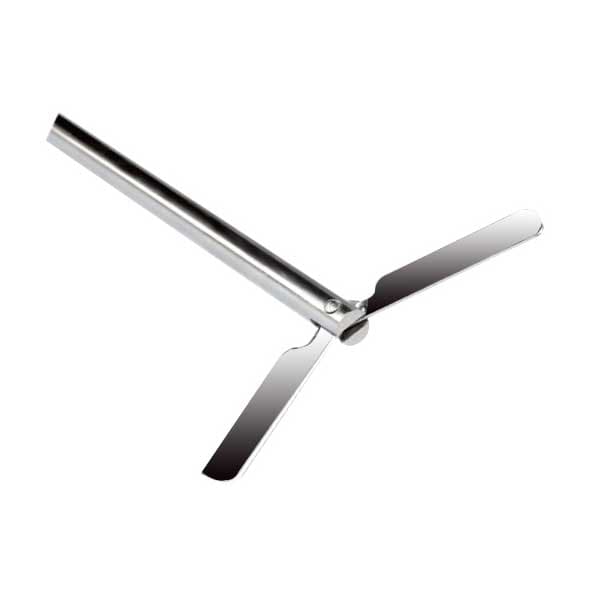
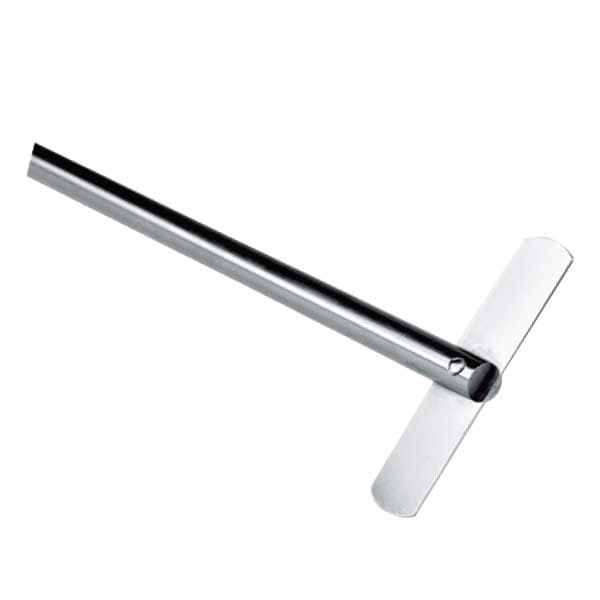
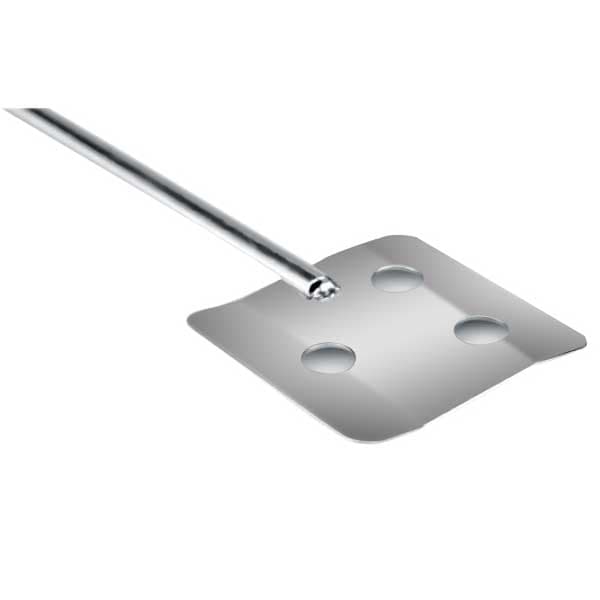
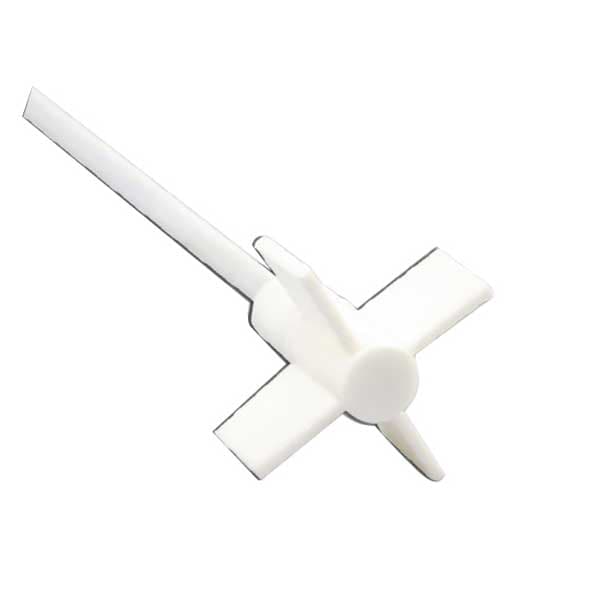
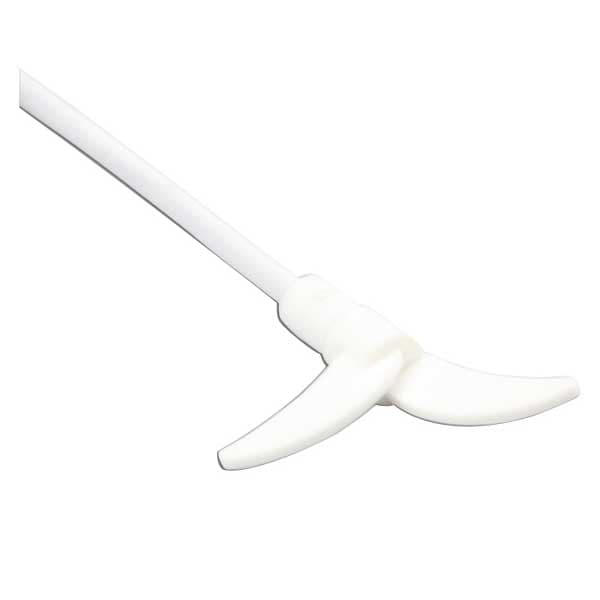
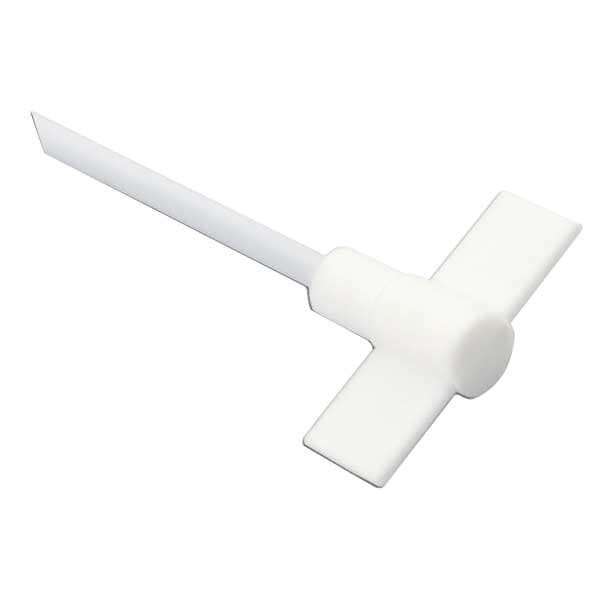
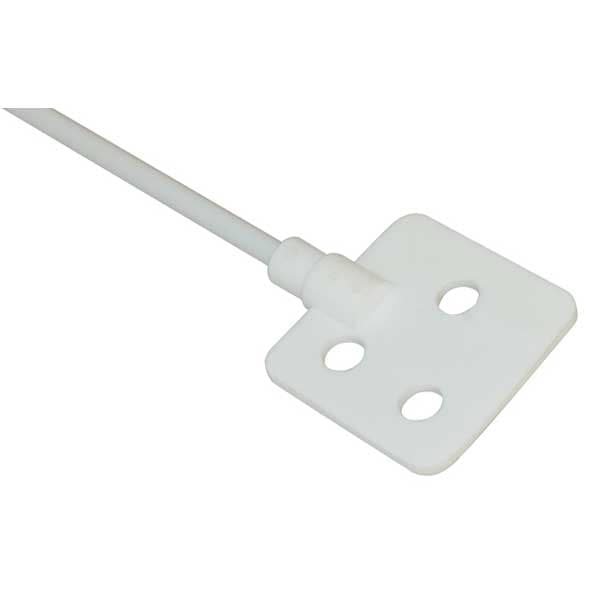
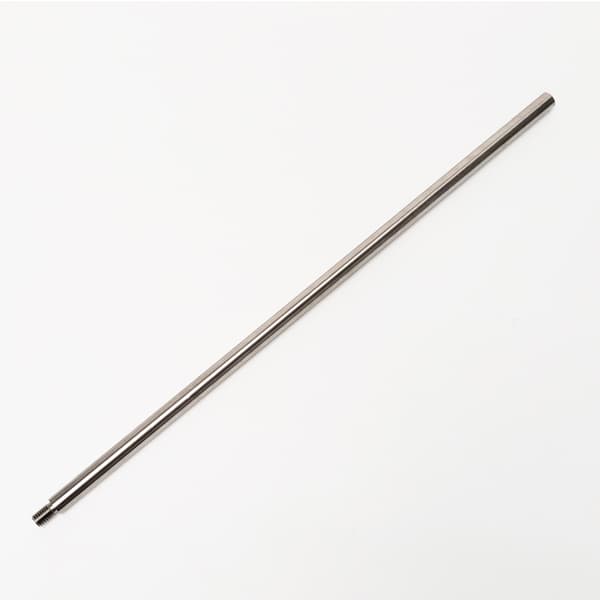
Overhead Stirrers deliver the high-torque power needed for thick, high-viscosity liquids that standard magnetic stirrers just can't handle.
How to Choose a Lab Hotplate or Stirrer
Hotplate-only vs. stirrer-only vs. combination unit
Hotplates without a stirring function are used for applications requiring only controlled heating: drying samples, warming baths, or maintaining solution temperature without agitation. Standalone stirrers (no heating) handle room-temperature mixing, titrations, and sample homogenization without thermal risk. Combination hotplate-stirrers serve both purposes in one instrument and are the standard choice for chemistry and cell biology benches where both heating and mixing are regularly needed.
Plate material: ceramic vs. stainless steel vs. aluminum
Ceramic top plates resist corrosive chemical spills, provide a white surface ideal for titrations and colorimetric work, and withstand temperatures up to 550 degrees C. Stainless steel plates offer stronger magnetic coupling and higher stirring force, preferred for dense suspensions or high-viscosity liquids. Aluminum plates heat and cool faster than ceramic, making them suitable for applications requiring rapid temperature changes. PTFE-coated plates are chemically resistant but limited to lower temperatures.
Temperature range and accuracy
Standard combination units reach 300 degrees C to 380 degrees C on the plate surface. Digital PID-controlled units with an external temperature probe monitor actual solution temperature (not plate temperature) and maintain the solution within plus or minus 1 degree C at setpoint, which is important for temperature-sensitive enzyme reactions, crystallization protocols, and culture media preparation. Analog units without external probes rely on plate surface temperature, which can differ significantly from solution temperature.
Stirring speed and stir bar volume
Stirring speed ranges from 100 rpm for gentle mixing to 1500 rpm for vigorous suspension. Match stir bar size to vessel volume: a 10 mm bar for tubes and small vials, a 25 mm to 40 mm bar for 50 mL to 500 mL beakers, and a 50 mm to 80 mm bar for 1 L to 5 L vessels. Using a stir bar too large for the vessel prevents rotation; too small causes inefficient mixing.
Safety features
For work with flammable solvents, specify an explosion-proof or EX-rated hotplate with enclosed heating elements that do not produce sparks. Digital models with over-temperature alarms and contact temperature sensors on the plate surface prevent runaway heating events. Some models include motor auto-shutoff if the stir bar decouples, reducing the risk of unattended overheating.
Specifications Context
Maximum plate temperature (300 to 550 degrees C) is a surface rating; actual solution temperature depends on vessel geometry, fill volume, and heat loss. Use an external temperature probe (PT1000 or thermocouple) inserted into the solution for accurate setpoint control. Plate dimensions (typically 135 mm x 135 mm to 300 mm x 300 mm) determine the vessel sizes the unit can safely support; oversized vessels extending beyond the plate perimeter are unstable. PTFE stir bars should be inspected for wear periodically, as chipped PTFE releases particles into the solution; replace any stir bar showing surface damage.
Ready to stir things up? Take a look through our hotplate and stirrer collection and reach out to the MBP team for a friendly quote today.
FAQ