Hotplate and Stirrer Accessories for Lab Mixing Equipment
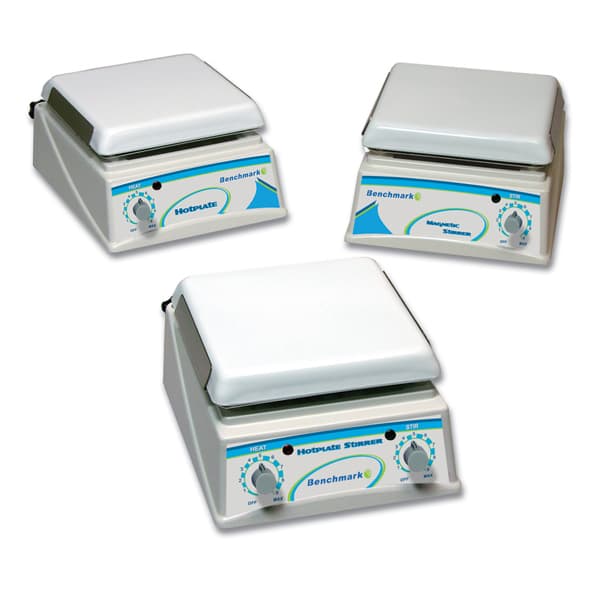
Hotplate and stirrer accessories are components that extend, maintain, or improve the performance of laboratory hotplate stirrers - including external temperature probes for solution-temperature control, PTFE-coated stir bars in multiple sizes and geometries, support stands and clamp assemblies for attaching condensers and glassware above the hotplate, magnetic stir bar retrieval tools, and replacement temperature sensors. They enable precise solution-temperature monitoring, adapt a single hotplate stirrer to multiple vessel formats, and extend equipment service life.
MBP provides direct procurement support for hotplate and stirrer accessories for US and Canadian laboratories. Request a quote for hotplate and stirrer accessories for temperature control, mixing, and laboratory equipment maintenance by contacting customerservice@mbpinc.net.
Hotplate & Stirrer Accessories
.jpg&w=3840&q=75)
Showing 1 to 12 of 21 results
What Are Hotplate and Stirrer Accessories?
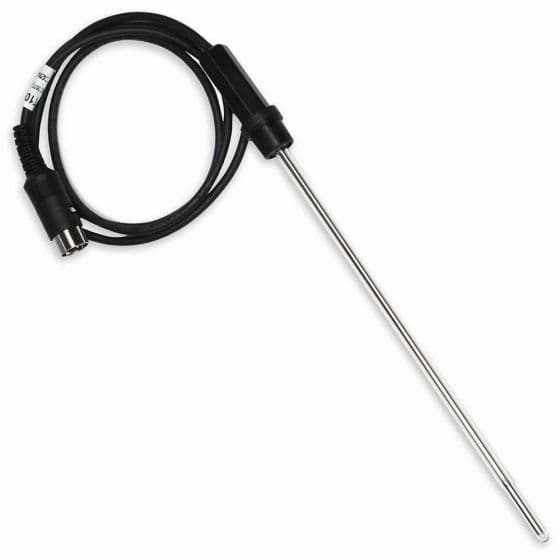
Hotplate and stirrer accessories are supplementary components for single-position and multi-position hotplate stirrers that improve temperature accuracy, expand vessel compatibility, enable reflux setups, and maintain equipment in working condition. The most important accessory for research-grade hotplate use is an external temperature probe, which monitors actual solution temperature rather than hotplate surface temperature, which can be 20 to 50 degrees C higher than the liquid in the vessel. PTFE stir bars in standard cylindrical, oval, octagonal, cross-shaped, and polygon geometries allow matching of bar shape to vessel type and mixing requirement. Support rods and clamp assemblies secure condensers, separating funnels, and other glassware above the hotplate for reflux chemistry. Magnetic stir bar retrieval wands recover stir bars from flasks without contaminating the solution. An external temperature probe is the single most impactful hotplate stirrer accessory: without one, you are controlling plate temperature, not solution temperature, and the two can differ by 20 to 50 degrees C.
What You Will Find:
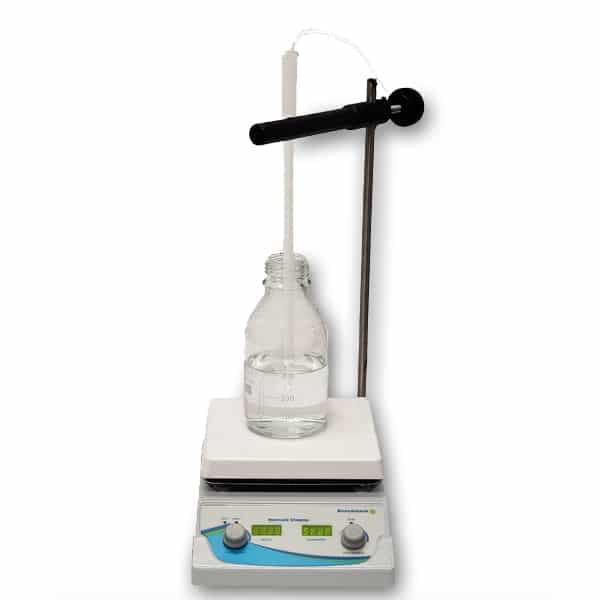
- Temperature sensors for compatible GHS-series hotplate stirrers, available in standard and glass-coated designs.
- Sensor support stands and clamps for secure positioning of temperature probes during heating applications.
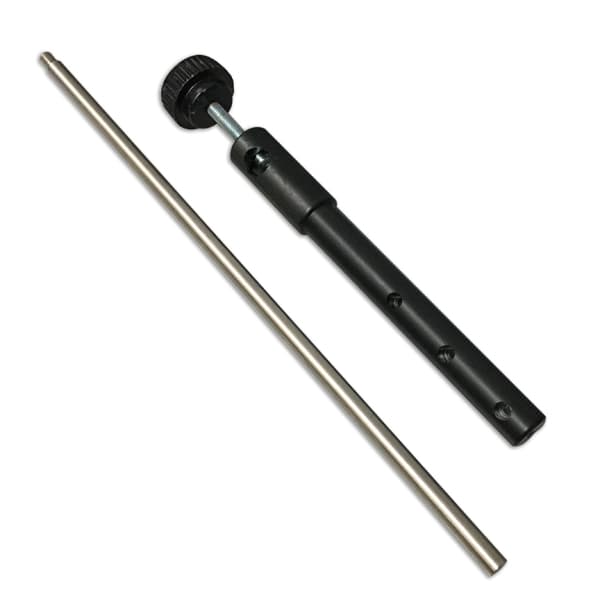
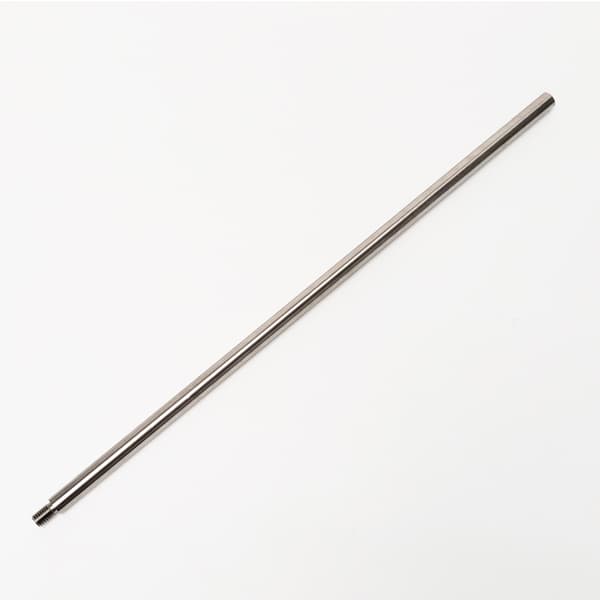
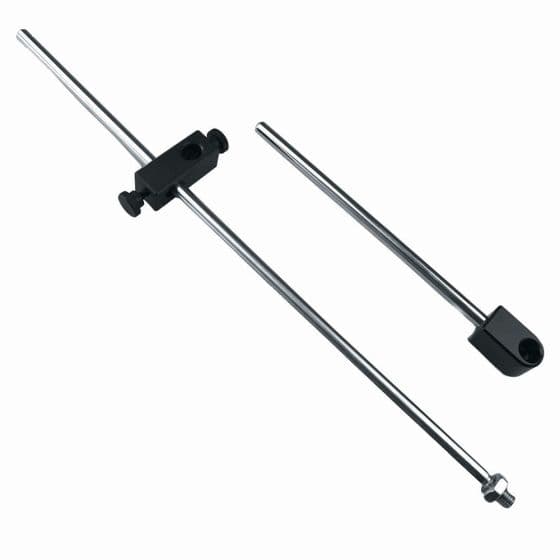
- Support rods and clamp sets for mounting laboratory apparatus and accessories above hotplate stirrers.
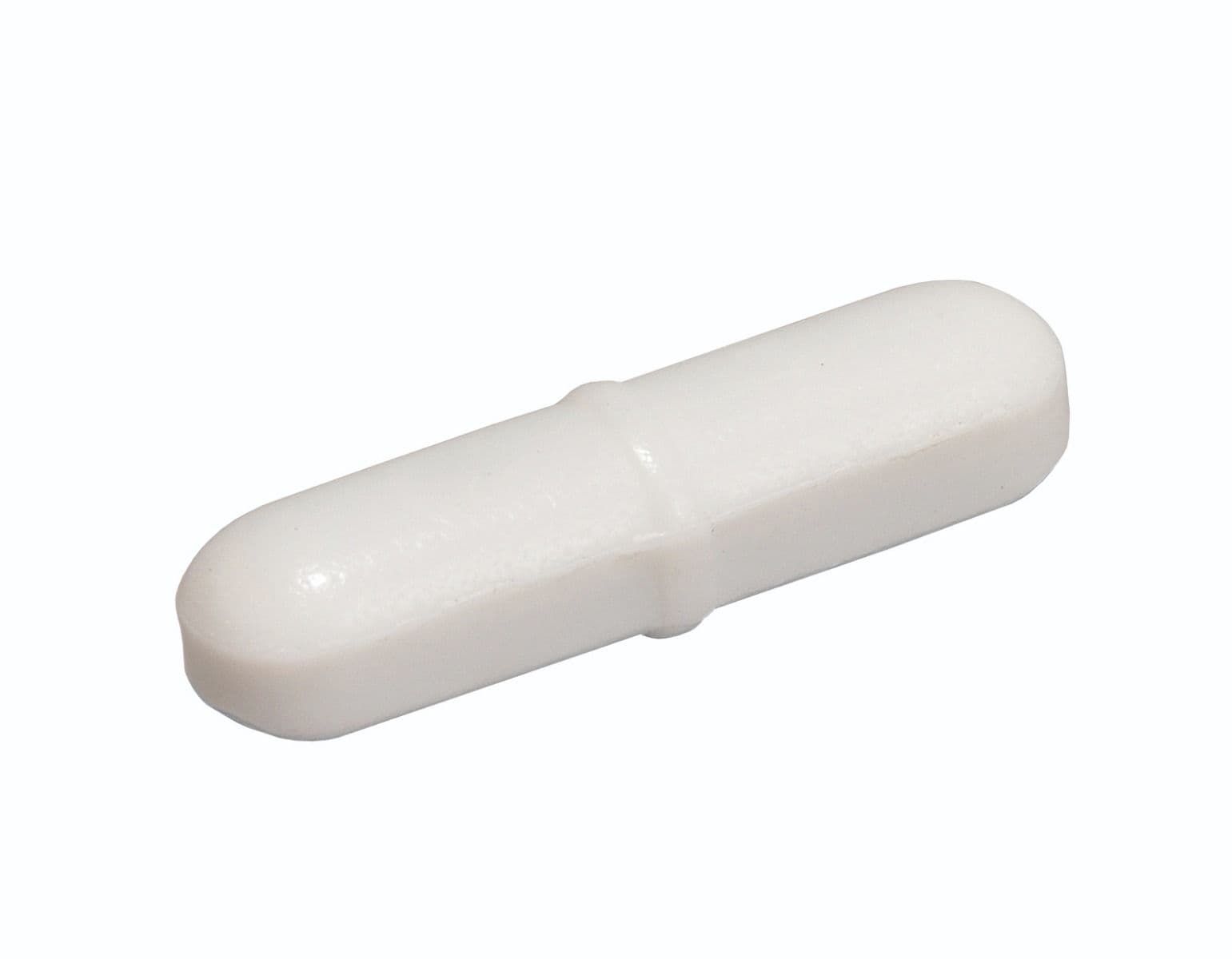
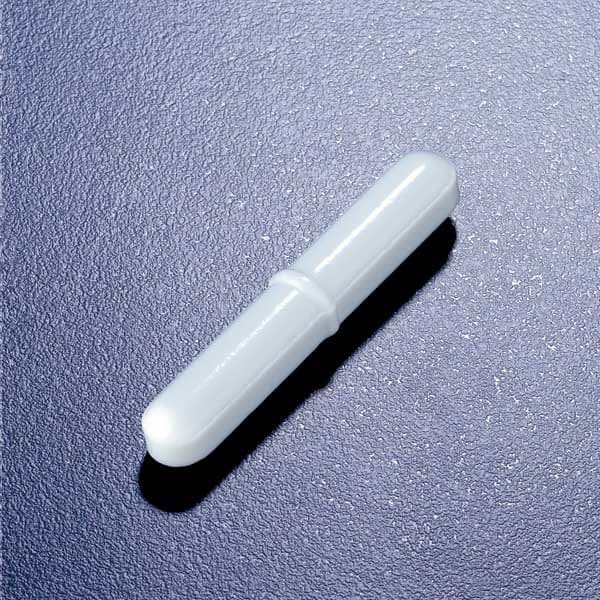
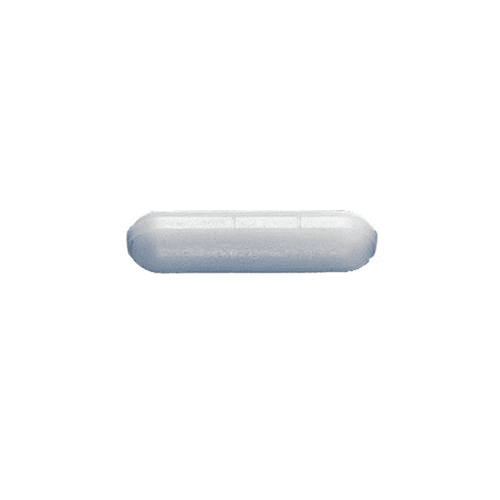
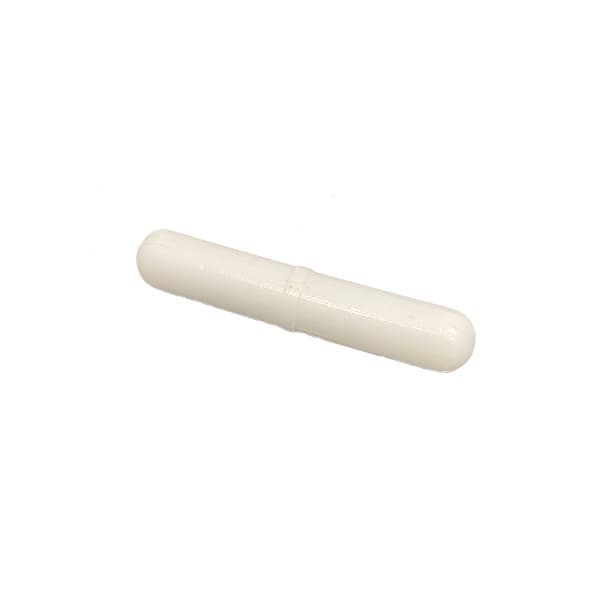
- Magnetic stir bars, including standard and pivot ring styles, for efficient sample mixing.
- Chemically resistant clamp set options featuring inert PTFE construction for demanding laboratory environments.
How to Choose Hotplate and Stirrer Accessories
External temperature probes
Confirm probe type compatibility with the hotplate stirrer model: most digital hotplate stirrers accept either a PT1000 resistance temperature detector (RTD) or a Type K thermocouple, and these are not interchangeable between models. The probe is inserted directly into the solution and feeds temperature data back to the PID controller to maintain the solution (not the plate surface) at the setpoint. Probe length and sheath material (stainless steel, glass, or PTFE) should be matched to the vessel size and chemical compatibility requirements.
PTFE stir bars: geometry and size
PTFE stir bars are available in cylindrical, oval (egg-shaped), octagonal, cross (X-shape), polygon, and ring geometries. Cylindrical bars are the most common general-purpose format. Octagonal bars provide more turbulent mixing in flat-bottomed vessels than cylindrical bars. Cross-shaped bars improve mixing in round-bottom flasks by preventing the bar from riding the wall. Ring or hoop bars are used for mixing around fixed probes or frits inside the vessel. Stir bar length is selected to match vessel diameter, typically 30 to 50% of vessel inner diameter.
Support stands and clamp sets.
Support stands (rod-and-base assemblies) mount above or adjacent to the hotplate to hold condensers, addition funnels, thermometers, and other glassware in reflux setups. Confirm rod diameter compatibility with the clamp set (most lab glassware clamps fit 12.7 mm or 16 mm rods). Weighted bases provide stability for tall assemblies. Crossbar assemblies allow horizontal positioning of clamps at adjustable heights along the support rod.
Magnetic stir bar retrieval tools
Stir bar retrievers are magnetic wands encased in a non-contaminating sleeve (PTFE or glass) that attract and remove the stir bar from a vessel without inserting fingers or metal into the sample. Available as handheld wands or bench-mounted extractors. An essential accessory for labs processing multiple samples per day, as losing track of stir bars is among the most common minor equipment management issues in bench chemistry.
Replacement sensors and calibration weights
Temperature probes degrade after repeated heating cycles or chemical exposure; replace probes showing drift against a calibrated reference thermometer. For hotplate stirrer models with external calibration weights (balance verification), confirm the weight set is OIML or ASTM traceable for regulated workflows.
Specifications Context
PTFE stir bars should be inspected regularly for chipped or worn PTFE coating. Bare metal exposure from a chipped bar contaminates the sample with metallic particles and alters the bar's magnetic coupling properties, resulting in reduced mixing efficiency or bar stall at lower speeds. Discard and replace any stir bar showing PTFE damage. For regulated lab environments (GMP, ISO 17025), maintain a stir bar inventory log and retire bars on a scheduled basis. External temperature probes rated for immersion in aqueous solutions should be verified against a calibrated reference thermometer at least annually; probes showing more than 1 degree C deviation should be recalibrated or replaced.
Looking for that one missing piece to complete your setup? Browse our accessories collection and reach out to the MBP team for a friendly quote today.
FAQ