Magnetic Stirrers for Lab Mixing and Solution Preparation
Laboratory magnetic stirrers are instruments that generate a rotating magnetic field beneath a flat plate, driving a PTFE-coated stir bar inside a vessel to mix solutions without mechanical contact. Available as stirring-only or hotplate stirrer models, they provide adjustable stirring speeds for buffer and reagent preparation, pH measurement and titration, enzyme assays, protein solubilization, and general laboratory solution mixing.
MBP supplies magnetic stirrers to US and Canadian research labs with purchase order and quote support. Request a quote for magnetic stirrers for laboratory mixing, solution preparation, and sample stirring by contacting customerservice@mbpinc.net.
Magnetic Stirrers
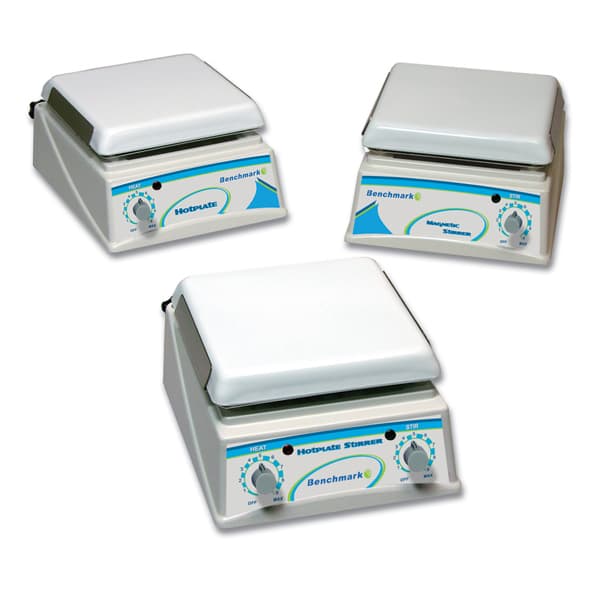
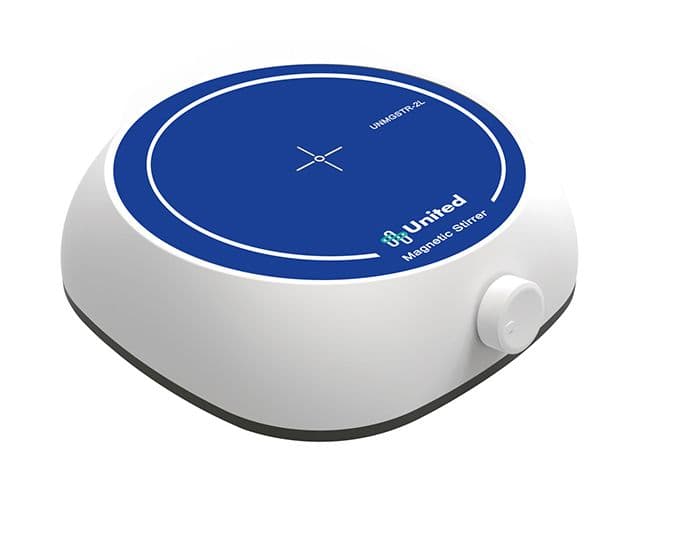
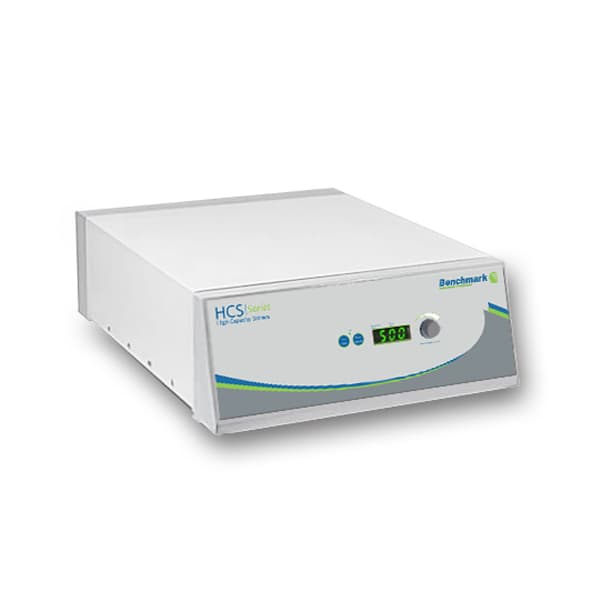
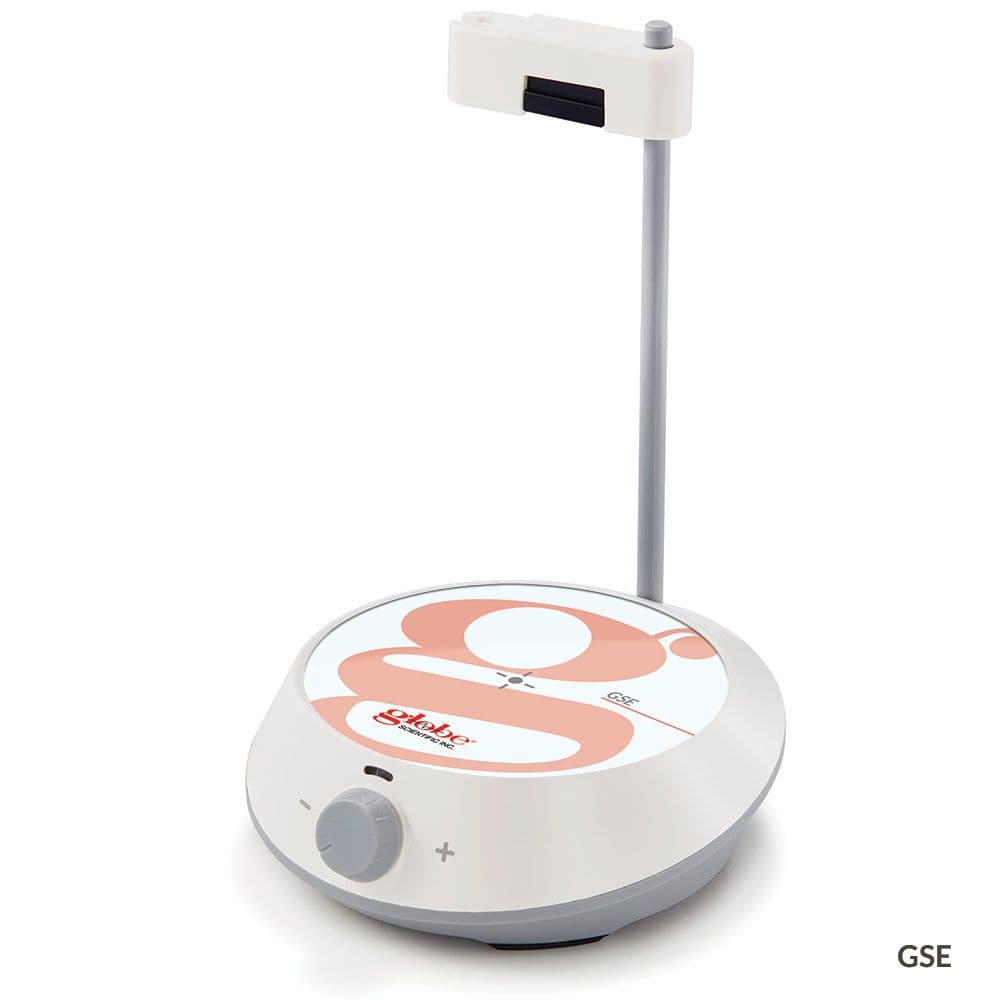
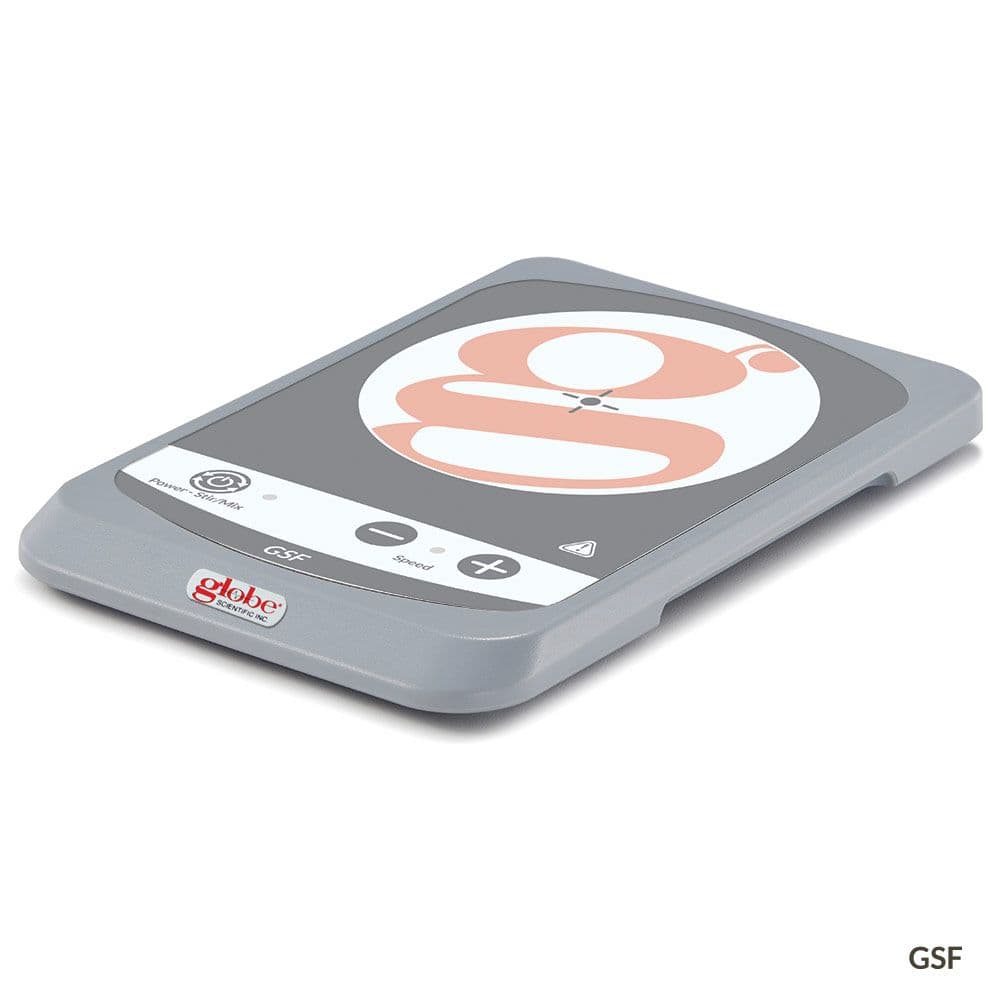
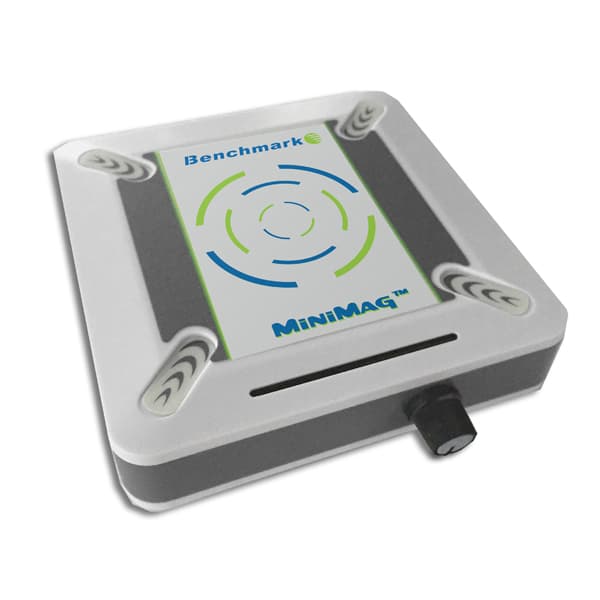
Showing 1 to 6 of 6 results
What Are Laboratory Magnetic Stirrers?
A laboratory magnetic stirrer uses a rotating permanent magnet or electromagnet installed below a flat work surface to create a spinning magnetic field above the plate. A PTFE (polytetrafluoroethylene)-coated magnetic stir bar placed inside a vessel couples to this field and rotates, mixing the liquid from within. Because there is no physical contact between the stirrer and the contents of the vessel, the technique is contamination-free, amenable to closed-vessel operation, and compatible with corrosive, biological, and hazardous reagents. Magnetic stirrers are used without heating for buffer and media preparation, titrations, pH measurement, enzyme inhibition assays, hybridization reactions, and dissolution studies. Multi-position magnetic stirrers drive multiple stir bars simultaneously on a single unit, enabling parallel sample processing in analytical laboratories, pharmaceutical quality control, and environmental testing workflows. Use a standalone magnetic stirrer (no heat) when you need uniform mixing without thermal input: titrations, pH measurement, cold-room work, and mixing heat-labile reagents.
What You Will Find:
-
Digital hotplate magnetic stirrers offer precise temperature control up to 550°C and dual LED displays, making it easy to monitor both heat and speed at a glance.
-
High-capacity magnetic stirrers are designed to handle larger volumes with ease, providing the powerful torque needed for consistent mixing in bigger batches.
-
Compact and ultra-flat stirrers provide a space-saving solution for crowded benchtops, featuring low-profile designs and PET surfaces that are tough and easy to clean.
-
Multi-channel magnetic stirrers allow you to stir up to 10 samples simultaneously with uniform speed, perfect for boosting your lab’s productivity.
-
Analog and classic stirrers bring reliable, straightforward performance to your workstation with durable stainless steel or ceramic-coated plates that resist wear and tear.
-
Auto-reverse and timer functions give you professional-level control over your mixing cycles, ensuring your samples get exactly the treatment they need.
How to Choose a Magnetic Stirrer
Single-position vs. multi-position
Single-position stirrers are the most common format for benchtop chemistry and biology work, accommodating one vessel at a time. Multi-position magnetic stirrers (2, 6, 10, or 15 positions on a single plate) are used for high-throughput applications such as dissolution testing, parallel reaction screening, and environmental sample preparation, where identical mixing conditions across multiple vessels are required simultaneously.
Digital vs. analog control
Analog (dial-control) magnetic stirrers are reliable, low-maintenance, and appropriate when mixing speed precision is not critical. Digital stirrers display speed in rpm, maintain the setpoint with a feedback motor controller, and provide reproducible speed settings session to session, which is important for protocols requiring a specific agitation rate (e.g., OD600 turbidity assays, viscosity studies). Some digital models log rpm and run-time data via USB.
Speed range and stir bar compatibility
Most magnetic stirrers cover 100 to 1500 rpm. Microplate and high-throughput models reach up to 1500 rpm with small stir bars. For large-volume vessels (3 L and above), a lower maximum speed (300 to 500 rpm) with a large stir bar (60 mm to 80 mm) is more appropriate than attempting high speed with an undersized bar. PTFE stir bars are available in lengths from 3 mm (for microcentrifuge tubes) to 80 mm (for large vessels); octagonal, cross-shaped, and egg-shaped bars improve mixing in round-bottom flasks compared to standard cylindrical bars.
Plate size and chemical resistance
Plate dimensions determine the largest vessel the stirrer can stably support. A 135 mm x 135 mm plate accommodates a 1 L beaker; larger plates (200 mm x 200 mm and above) are needed for 3 L to 5 L vessels. PTFE-coated plates or ceramic tops offer the highest chemical resistance for work with acids, bases, and organic solvents. Stainless steel tops provide stronger magnetic coupling for viscous materials.
Cold-room and CO2 incubator use
Magnetic stirrers designed for cold-room use (2 degrees C to 8 degrees C) or for operation inside a CO2 incubator use sealed, humidity-resistant motor housings and are rated for continuous operation under those environmental conditions. Standard benchtop stirrers are not rated for cold-room or high-humidity incubator use; using them in these environments shortens motor life.
Specifications Context
Motor type affects long-term reliability: brushless DC motors require no maintenance and last longer than brushed motors, which need periodic brush replacement in continuous-use settings. PTFE stir bars should be replaced when the PTFE coating chips or shows wear; bare metal exposure contaminates the solution and interferes with magnetic coupling. For regulated applications (pharmaceutical QC, ISO 17025 labs), specify a stirrer with a digital speed display and speed accuracy of plus or minus 1 rpm to support protocol documentation requirements. Related equipment:
Ready to find the perfect spin for your lab? Browse our magnetic stirrer collection and reach out to the MBP team for a quote today.
FAQ