Product Filters

Sample Processing Equipment for Laboratory Preparation and Handling Workflows


Sample Processing brings together the equipment used to physically prepare, move, and transform samples and reagents before analysis or experimentation: pumps for fluid transfer and vacuum generation, homogenizers for tissue and cell disruption, sonicators for emulsification and cell lysis, and other instruments for sample size reduction, mixing, and physical handling. As a top-level equipment branch parallel to Microscopes and Balances & Analytical Equipment, this section covers instruments essential to sample preparation workflows. Academic and core laboratories sourcing sample processing equipment can benefit from guidance when selecting instruments based on sample type, throughput requirements, and application needs.

Planning a new sample preparation workflow or upgrading existing equipment? Contact customerservice@mbpinc.net for assistance in comparing instrument types, specifications, and configurations to find the best solution for your laboratory.

Sample Processing
Per Page:
Sort By:
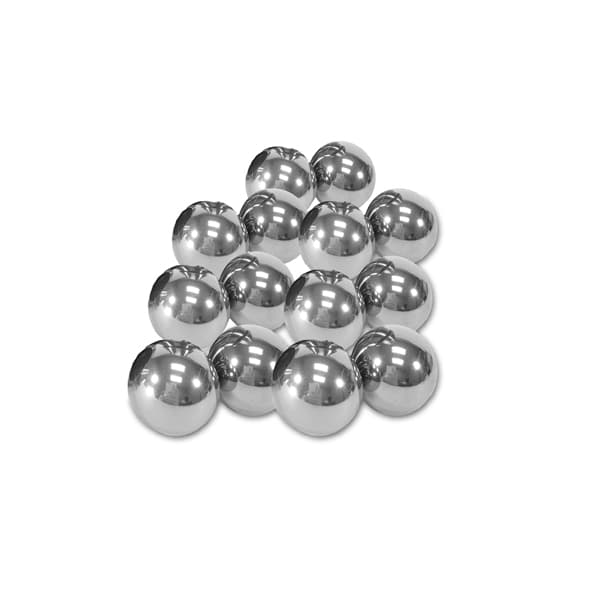
Grinding Jars and Balls Accessories for IPD9600
List Price:
USD73.20 - USD7,886.73
Online Price:
USD52.28 - USD5,633.38
Your Price:
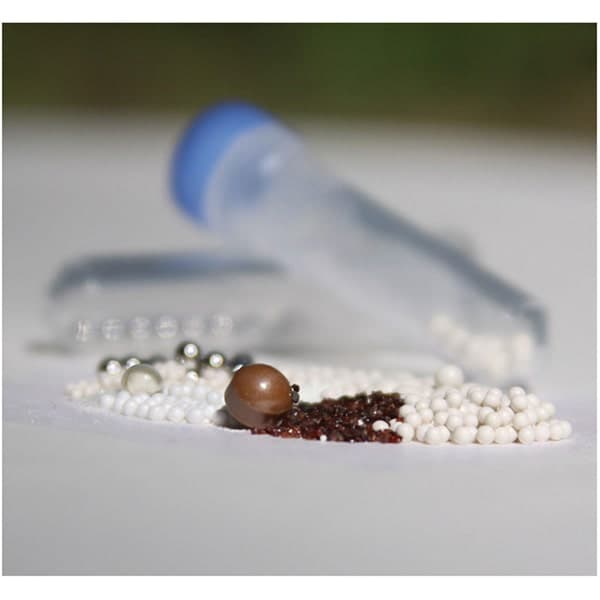
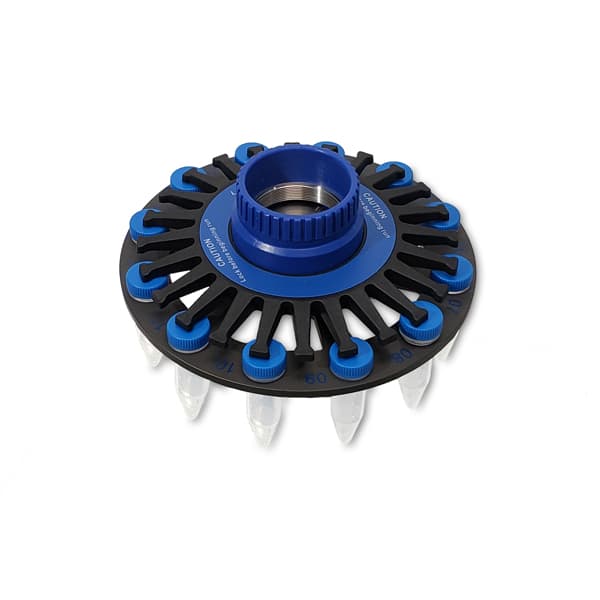
Homogenizer Prefilled Tubes and Bulk Bead kits
List Price:
USD81.44 - USD681.10
Online Price:
USD58.17 - USD486.50
Your Price:
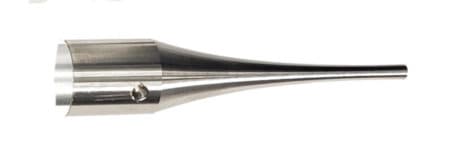
Horns for Pulse 150 Ultrasonic Homogenizer
List Price:
USD500.85 - USD500.85
Online Price:
USD357.75 - USD357.75
Your Price:
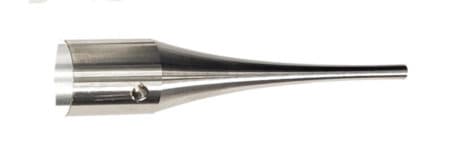
Horns for Pulse 650 Ultrasonic Homogenizer
List Price:
USD500.86 - USD500.86
Online Price:
USD357.76 - USD357.76
Your Price:
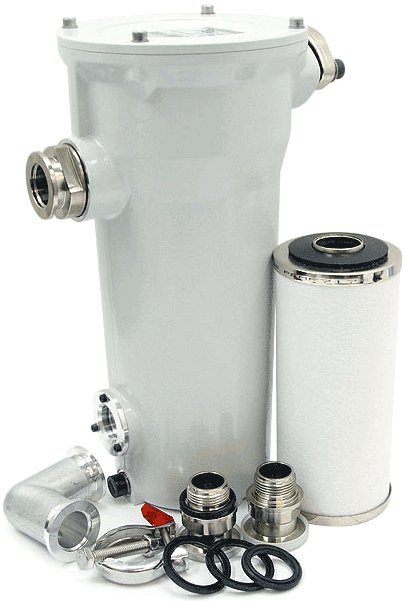
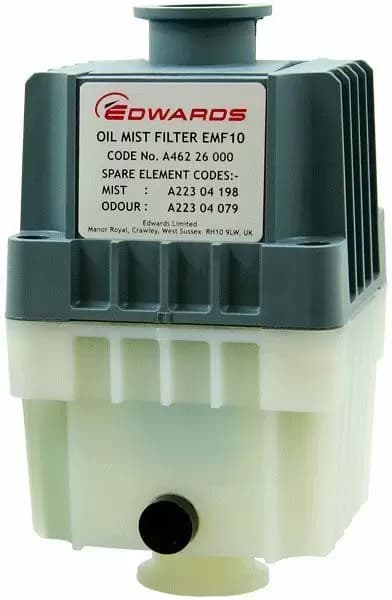
MF30 Exhaust Oil Mist Filter for Edwards E2M28 Vacuum Pumps
List Price:
USD2,859.95
Online Price:
USD2,042.82
Your Price:
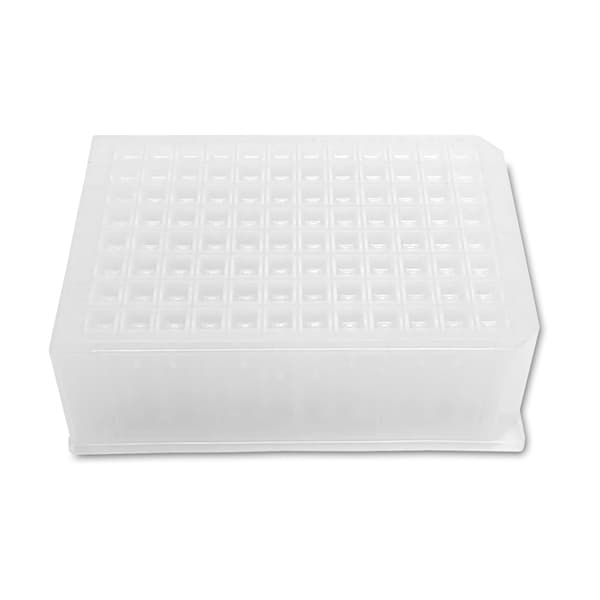
Microplate Accessories for IPD9600
List Price:
USD152.33 - USD2,815.56
Online Price:
USD108.81 - USD2,011.11
Your Price:
Microtubes and Vials Accessories for IPD9600
List Price:
USD450.07 - USD1,887.69
Online Price:
USD321.48 - USD1,348.35
Your Price:
Mist/Odour Elements for Edwards Vacuum Pump Exhaust Filter
List Price:
USD372.48 - USD422.28
Online Price:
USD266.06 - USD301.63
Your Price:
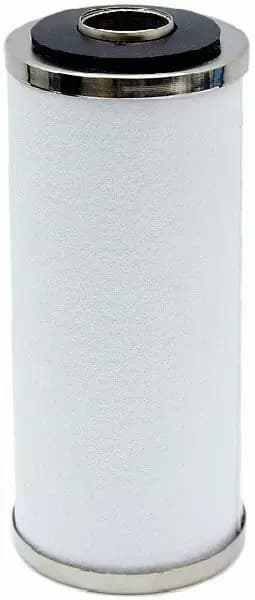
Oil Mist Element for Edwards MF30 Vacuum Pump Exhaust Filter
List Price:
USD785.97
Online Price:
USD561.41
Your Price:
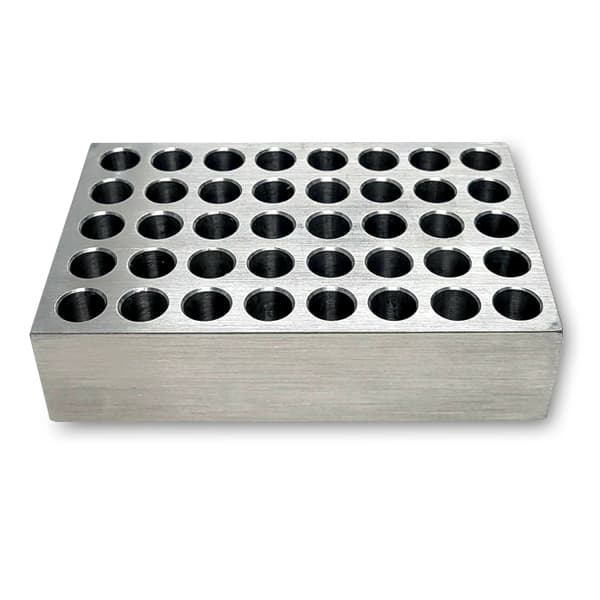
Optional tube holder, 12x5ml tubes
List Price:
USD693.63
Online Price:
USD495.45
Your Price:
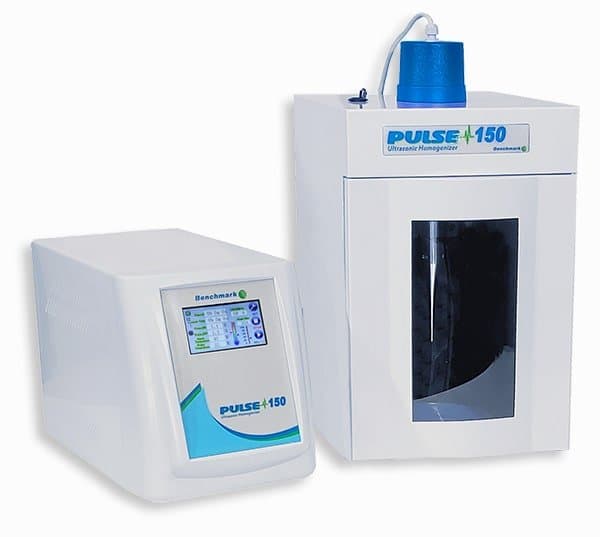
Pulse 150™ Ultrasonic Homogenizer
List Price:
USD5,008.34 - USD5,008.34
Online Price:
USD3,577.39 - USD3,577.39
Your Price:
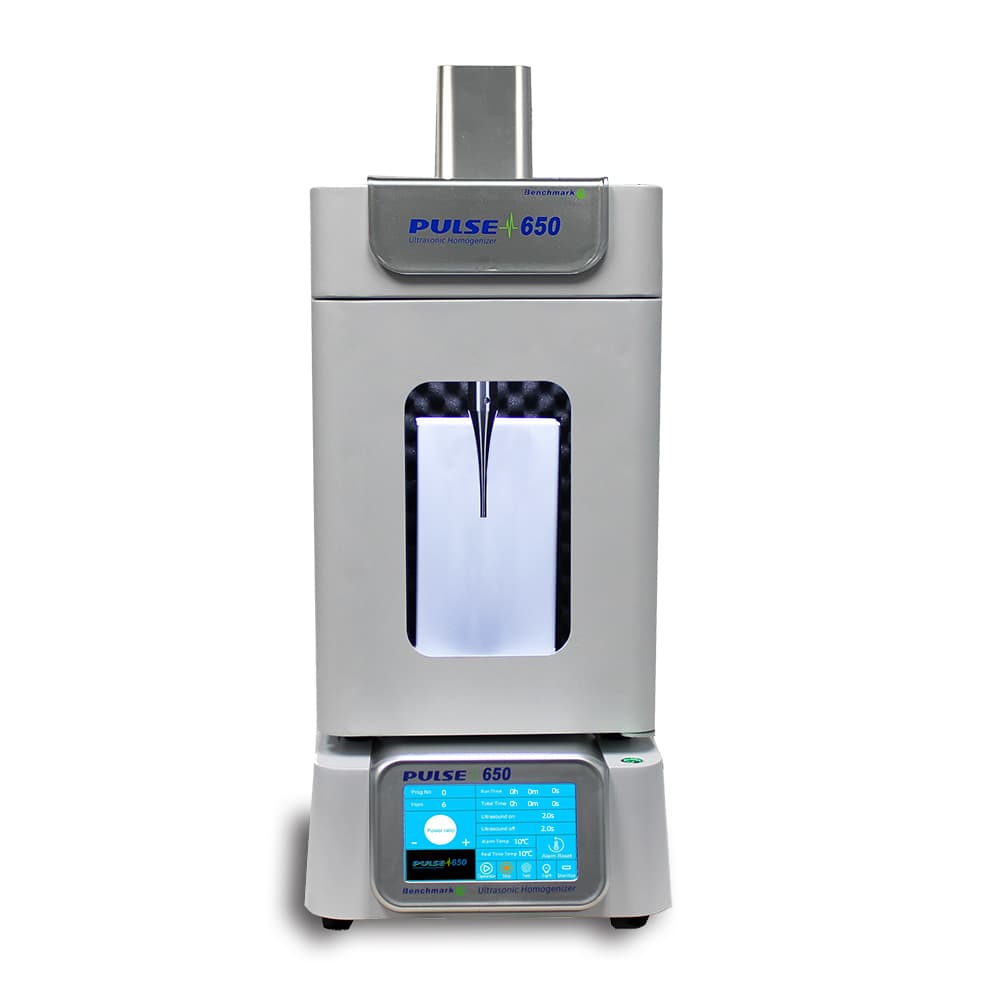
Pulse 650™ Ultrasonic Homogenizer
List Price:
USD8,837.50 - USD8,837.50
Online Price:
USD6,312.50 - USD6,312.50
Your Price:

Showing 37 to 48 of 76 results

What is Sample Processing as an equipment category?


Sample Processing covers instruments used to physically prepare, disrupt, transfer, or transform samples for downstream analysis, distinct from the analytical and measurement instruments in the Microscopes, Balances & Analytical Equipment branch. The major subcategories include pumps for fluid transfer and vacuum, homogenizers for disrupting tissue and cells, sonicators for ultrasonic cell lysis and DNA shearing, and related instruments for mixing and fluid handling. 


Here’s what you’ll discover:

  • Pumps - For accurate and consistent fluid transfer and flow for filtration, dosing, and vacuum processes.
  • Homogenizers - For quick and efficient sample breaking and mixing without contamination.
  • Ball Mills & Mixing - To grind difficult samples to very fine and even powder through high-energy milling.
  • Presses - To make highly consistent pellets for XRF and spectroscopy studies.


How to navigate Sample Processing equipment


Go to Pumps for fluid transfer, vacuum, and dosing instruments

Pumps covers diaphragm pumps for oil-free vacuum, peristaltic pumps for continuous chromatography and media exchange, syringe pumps for precise low-volume delivery, and other laboratory pump types.

Choose a homogenizer when physical disruption of tissue or cells is needed

Homogenizers use rotor-stator, bead milling, or blade mechanisms to mechanically disrupt tissue, plant material, microorganisms, or cells into a homogeneous suspension for DNA, RNA, protein, or metabolite extraction.

Choose a sonicator for ultrasonic cell disruption, DNA shearing, or emulsification

Sonicators use high-frequency ultrasonic energy to create cavitation that disrupts cell membranes, shears DNA for library preparation, or creates stable emulsions, with probe sonicators for small volumes and bath sonicators for multiple samples.

Consider throughput, sample type, and downstream application

Single-sample instruments like probe sonicators suit precious one-at-a-time samples, while higher-throughput bead mill homogenizers with multi-well adapters process many samples simultaneously, making equipment choice dependent on batch size alongside sample type.

Match the instrument to the physical nature of the sample

Hard tissue like bone or plant material requires more aggressive disruption than soft tissue; cells in suspension can often be disrupted by gentle sonication rather than mechanical homogenization. Matching disruption method to sample type prevents under-disruption, analyte degradation from over-processing, and instrument damage.


Specifications context


Physical sample processing has expanded alongside multi-omics workflows that require reproducible, standardized sample disruption to minimize batch effects in sequencing, proteomics, and metabolomics. As of 2026, automated bead mill homogenizers with pre-loaded bead tubes and programmable settings are standard in core facilities processing samples for multi-omics where disruption reproducibility is a primary analytical requirement.

If you happen to be working with a very complex sample matrix and need help picking the right technique of homogenization, do not hesitate to get in touch with MBP and request a quotation. 

FAQ

Sample Processing includes pumps for fluid transfer and vacuum generation, homogenizers for mechanical tissue and cell disruption, sonicators for ultrasonic cell lysis and DNA shearing, and other instruments for physically preparing samples for downstream analysis, such as bead mills, tissue grinders, and related fluid-handling instruments. These are the physical preparation tools that come before analytical instruments like microscopes and balances.
Homogenizers are better for tough samples including solid tissue, plant material, and microorganisms with cell walls, using rotor-stator blades or bead grinding to disrupt physically resistant samples. Sonicators are better for softer cells and bacteria in suspension where ultrasonic cavitation provides sufficient disruption, and probe sonicators are widely used for DNA shearing in NGS and ChIP workflows where fragmentation profile matters.
Multi-omics experiments compare gene expression, protein levels, or metabolite concentrations between samples, and variation in disruption efficiency, processing temperature, or time from disruption to downstream steps introduces technical variation that obscures genuine biological differences. Standardized disruption using programmable instruments minimizes this technical variation and is important when comparing samples processed by different operators or at different times.
Many instruments are versatile with different settings or accessories: a diaphragm vacuum pump can serve the rotary evaporator, Büchner filtration, and gel dryer in the same lab; a rotor-stator homogenizer can process different tissue types with appropriate probe sizes; and a peristaltic pump can transfer different liquids with appropriate tubing. Checking the instrument's validated application range and available accessories before purchasing avoids compatibility surprises.
Sample processing equipment physically changes the state of a sample — disrupting cells, moving fluids, generating vacuum, or reducing particle size — to prepare it for analysis, while analytical equipment measures properties of the prepared sample such as mass, optical properties, or electrical signals without altering it. These are complementary workflow stages: processing transforms, analysis characterizes.
Many instruments, including sealed bead mill homogenizers and sonicators with cup horn attachments, can be used within biosafety cabinets or with sealed sample tubes to reduce aerosol exposure when processing infectious biological material. Specific containment requirements depend on biosafety level and local safety guidelines, and not all instruments are equally suitable for all containment levels.
Diaphragm vacuum pumps are among the most commonly encountered pumps in molecular biology labs, used for rotary evaporators, Büchner filtration, gel drying, and vacuum filtration manifolds. Peristaltic pumps are also widely used for continuous buffer flow in chromatography systems and media exchange, while syringe pumps appear in microfluidics and precision low-volume dispensing applications.
Yes, MBP offers competitive pricing for a range of sample processing instruments including pumps and disruption tools, with specialist support for application and specification matching to your specific workflow. Contact MBP's US office in Houston, Texas, for pricing in both USD and CAD.
We provide the highest quality of products and anytime customer service.
Featured Categories
    online payment
    online payment
    fast delivery
    fast delivery
    technical support
    technical support
    24/7 support
    24/7 support
    copy right
    2026 All Right Reserved