Product Filters

Homogenizers for Tissue Disruption, Cell Lysis, and Sample Preparation


Homogenizer covers the powered tissue and sample homogenizers used to disrupt, emulsify, and homogenize biological and chemical samples in laboratory settings: rotor-stator homogenizers that use a high-speed rotating blade inside a stator tube to shear cells and tissue, and ultrasonic probe homogenizers that use high-frequency sound waves to create cavitation for disruption and emulsification. This Sub Category 1 under Sample Processing includes homogenization systems for a wide range of biological, pharmaceutical, and chemical sample preparation workflows. Academic and core laboratories sourcing homogenizers can benefit from guidance when selecting the appropriate technology based on sample type, processing volume, and disruption requirements.

Not sure whether a rotor-stator or ultrasonic homogenizer is right for your application? Contact customerservice@mbpinc.net to discuss your sample characteristics and throughput needs and receive tailored equipment recommendations.

Homogenizers
Per Page:
Sort By:
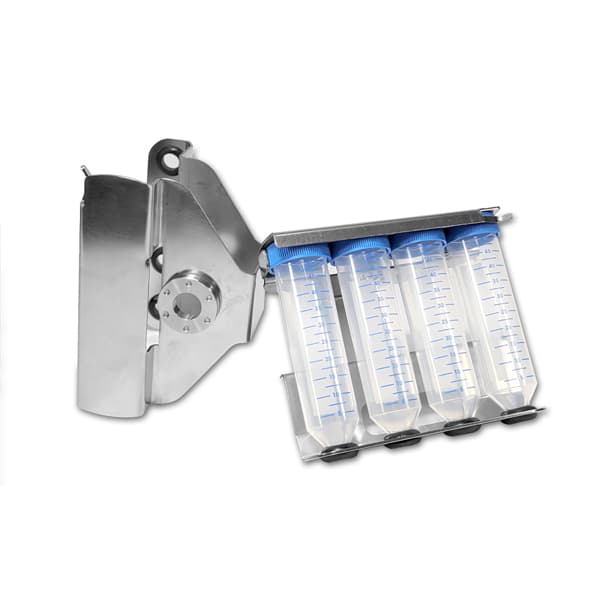
15/50ml Tubes Accessories for IPD9600
List Price:
USD82.96 - USD2,966.72
Online Price:
USD59.25 - USD2,119.08
Your Price:
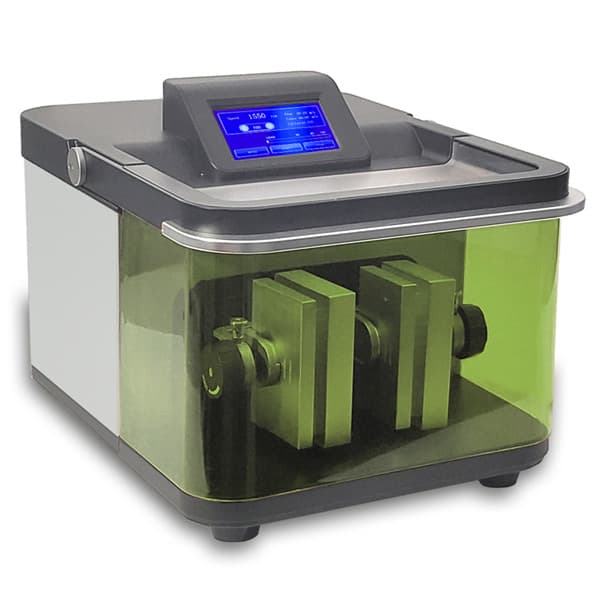
BeadBlaster 96 Ball Mill Homogenizer
List Price:
USD16,941.56 - USD16,941.56
Online Price:
USD12,101.11 - USD12,101.11
Your Price:
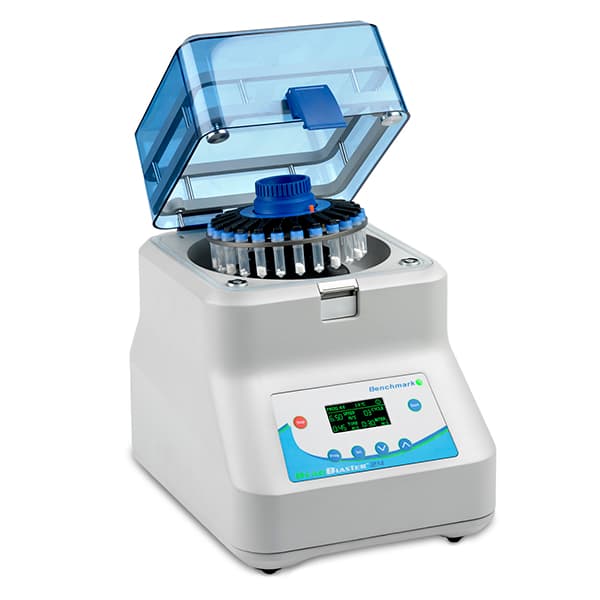
BeadBlaster™ 24 Microtube homogenizer
List Price:
USD21,508.76 - USD21,508.76
Online Price:
USD15,363.40 - USD15,363.40
Your Price:
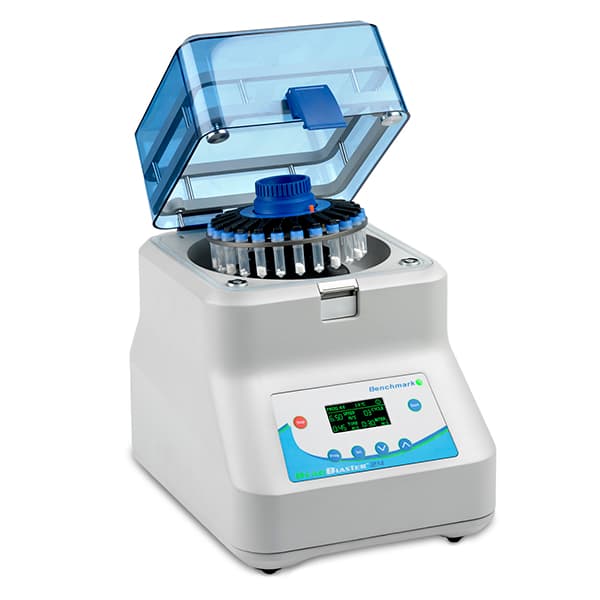
BeadBlaster™ 24 Microtube homogenizer
List Price:
USD13,148.82 - USD13,148.82
Online Price:
USD9,392.01 - USD9,392.01
Your Price:
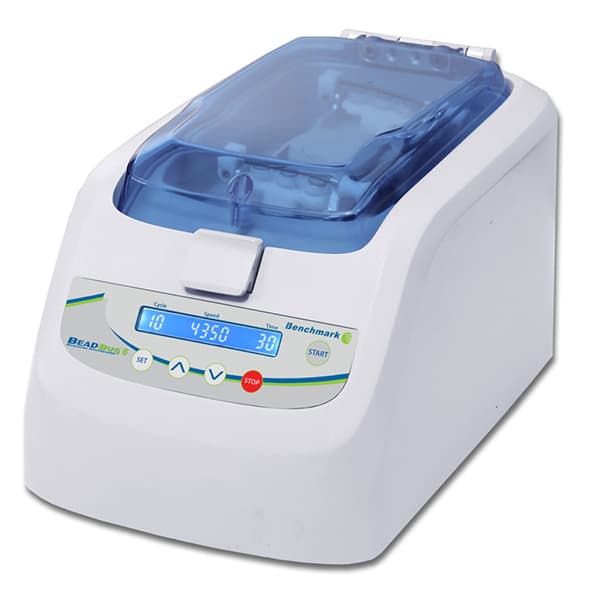
BeadBug 6, Six Position Homogenizer
List Price:
USD4,066.54 - USD4,066.54
Online Price:
USD2,904.67 - USD2,904.67
Your Price:
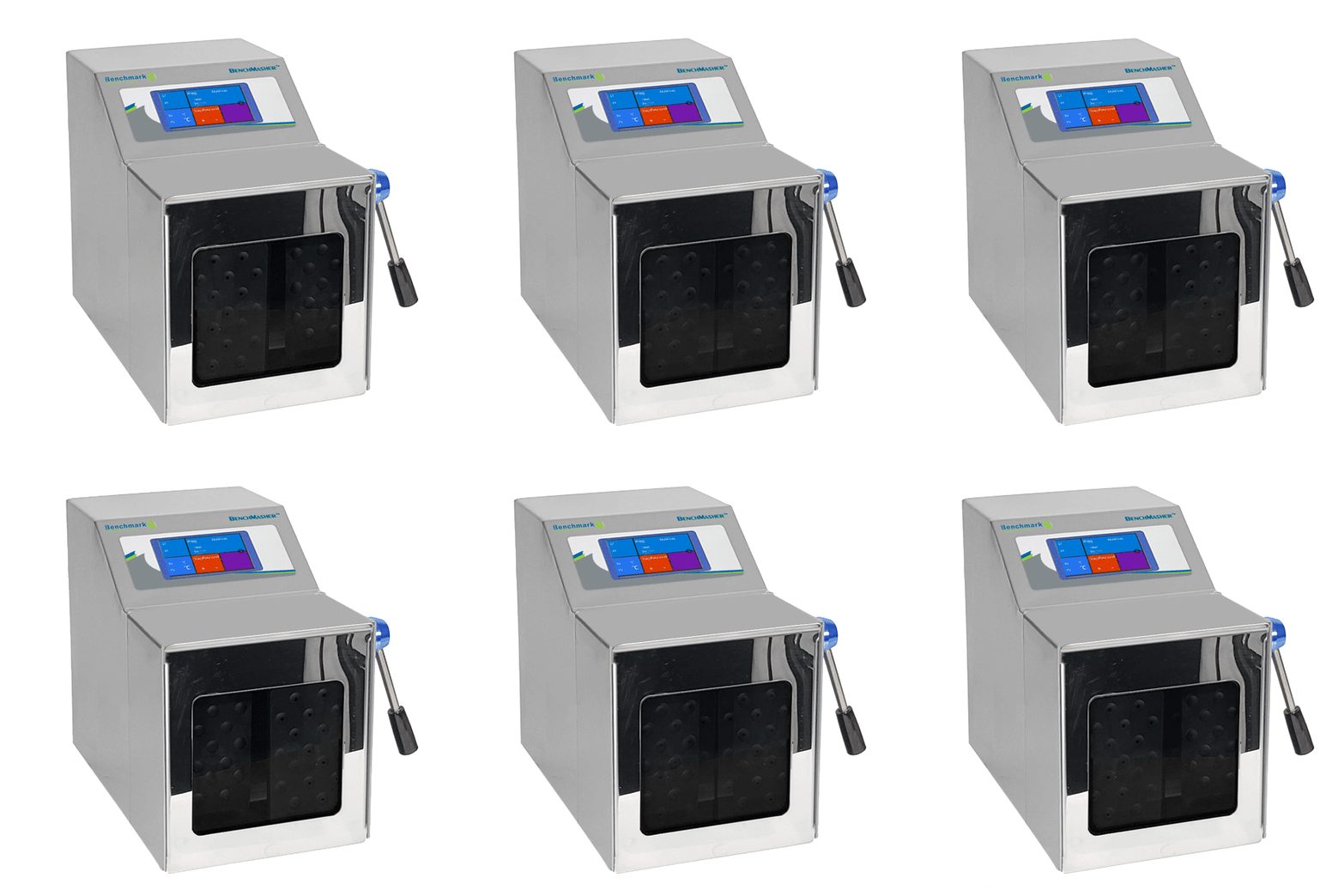
BenchMasher 400 Laboratory Paddle Blender with incubation and UV Chamber Decon, 120V US Plug
List Price:
USD6,510.35
Online Price:
USD4,650.25
Your Price:
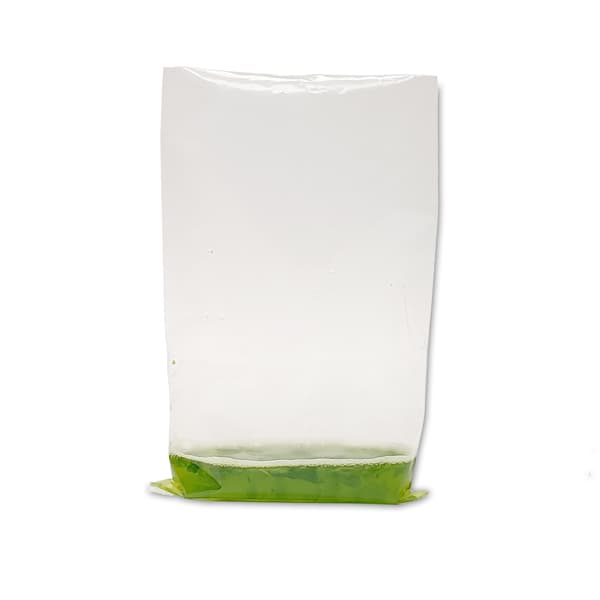
Blender Bag for BenchMasher 400 Laboratory Paddle Blender
List Price:
USD144.02 - USD669.31
Online Price:
USD102.87 - USD478.08
Your Price:
Gasket Accessories for IPD9600-25G
List Price:
USD56.46 - USD1,508.29
Online Price:
USD40.33 - USD1,077.35
Your Price:
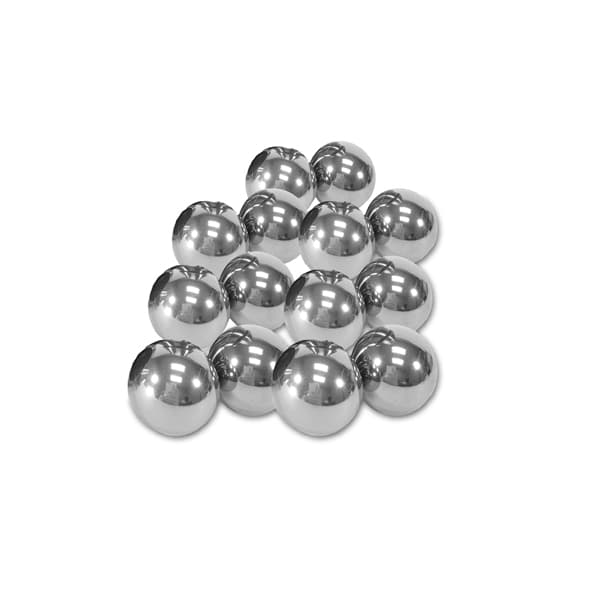
Grinding Jars and Balls Accessories for IPD9600
List Price:
USD73.20 - USD7,886.73
Online Price:
USD52.28 - USD5,633.38
Your Price:
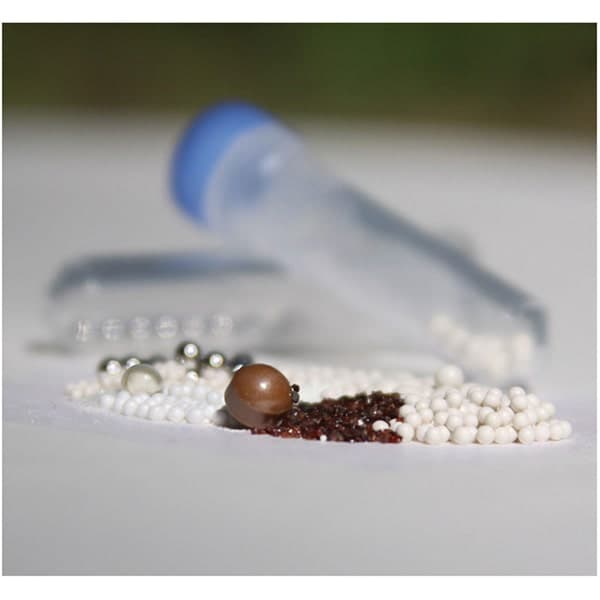
Homogenizer Prefilled Tubes and Bulk Bead kits
List Price:
USD81.44 - USD681.10
Online Price:
USD58.17 - USD486.50
Your Price:
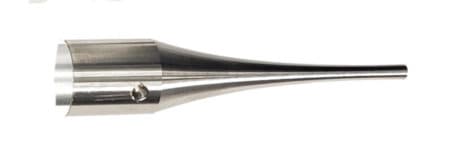
Horns for Pulse 150 Ultrasonic Homogenizer
List Price:
USD500.85 - USD500.85
Online Price:
USD357.75 - USD357.75
Your Price:
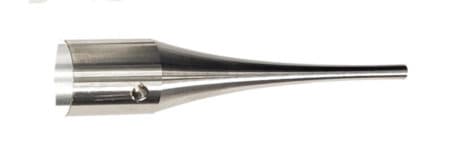
Horns for Pulse 650 Ultrasonic Homogenizer
List Price:
USD500.86 - USD500.86
Online Price:
USD357.76 - USD357.76
Your Price:

Showing 1 to 12 of 20 results

What are laboratory homogenizers?


Laboratory homogenizers are powered instruments that physically disrupt, blend, or emulsify samples using mechanical shear, ultrasonic cavitation, or both, producing a homogeneous mixture from initially heterogeneous biological tissue, cell suspensions, food materials, or chemical mixtures. The two main categories in laboratory research are rotor-stator homogenizers, where a high-speed generator head with a rotating blade inside a stator tube applies intense shear to samples drawn into the stator, and ultrasonic probe homogenizers (also called sonicators), where a vibrating probe tip transmits ultrasonic energy into the liquid sample to create rapid cavitation and disruption.


What you will find: 


Homogenizer Accessories:

  • Generator Heads & Stands: Replacement saw-tooth shearing heads and sturdy support stands for hands-free mechanical processing.
  • Bead-Beating Homogenizers: Compact 6-position, 24-position, and high-throughput 96-well ball mill systems for rapid cell disruption.
  • Ultrasonic Processors & Horns: Digital sonication units and titanium horns engineered for high-efficiency cell lysis and DNA shearing.
  • Prefilled Tubes & Bulk Beads: Ready-to-use sample grinding kits and loose bead matrices available in multiple sizes and materials.
  • Blender Bags & Gaskets: Heavy-duty sterile paddle bags and containment gaskets to ensure leak-proof sample processing.


How to choose a laboratory homogenizer


Choose a rotor-stator homogenizer for tissue and bulk sample processing

Rotor-stator homogenizers (such as the IKA Ultra-Turrax, Polytron, or equivalent) are best for rapidly homogenizing larger volumes of tissue—from 0.5 mL to several liters depending on the generator head—in a buffer or reagent solution, drawing tissue into the stator and shearing it at speeds of 5,000–30,000 rpm. They produce results in seconds to minutes and are preferred for protein, RNA, and DNA extraction from solid tissue where throughput and speed matter.

Choose an ultrasonic probe homogenizer for precise small-volume work and emulsification

Ultrasonic probe homogenizers transmit high-frequency sound (typically 20 kHz) through a vibrating probe tip into the sample, creating cavitation bubbles that collapse violently and disrupt cells, shear DNA to defined sizes, or form stable emulsions. They excel at processing small volumes and provide more controlled energy dosing than rotor-stator instruments.

Match the generator head size to your sample volume

Rotor-stator generator heads are sized by the volume range they process optimally—micro generator heads for 0.5–15 mL, standard heads for 5–200 mL, and large-volume heads for 200 mL to several liters. Using a head too large for your sample volume gives poor energy density; too small a head for large volumes leads to extended processing times and excess heat generation.

Consider heat generation and sample cooling during disruption

Both rotor-stator and ultrasonic homogenizers generate heat during operation that can degrade heat-sensitive analytes like RNA, enzymes, and phosphorylated proteins. Short processing cycles with cooling on ice between cycles, or using a refrigerated or water-jacketed vessel, maintains sample temperature. For ultrasonic probes, pulsed rather than continuous operation reduces net heat input.

Evaluate cleaning requirements between samples

Rotor-stator generator heads require thorough cleaning between samples—typically operating briefly in cleaning solution then rinse water—while ultrasonic probe tips need wiping and sonicating in cleaning solution. Automated probe cleaning stations reduce this burden for high-throughput workflows.


Specifications context


Rotor-stator homogenizers are characterized by their maximum tip peripheral speed and generator head volume range, with higher speeds delivering more shear energy per unit time but also more heat. As of 2026, rotor-stator homogenizers with interchangeable generator heads covering sub-milliliter to liter volumes from a single body remain the most versatile format for research labs processing diverse tissue types.

For a detailed consultation regarding our products contact us directly or request a quote from our team at Molecular Biology Products Inc. (MBP).

FAQ

A rotor-stator homogenizer processes samples in an open or semi-open vessel by drawing tissue or cells into a rotating generator head that mechanically shears the material through the gap between rotor and stator, requiring the operator to hold the probe in the sample vessel. A bead mill processes samples in a closed tube with small beads at high oscillation speed, reducing cross-contamination risk and enabling parallel processing of multiple samples but typically processing smaller volumes per tube than a rotor-stator.
An ultrasonic probe homogenizer is preferred when precise energy delivery to a small volume is needed, such as for DNA shearing to a defined fragment size for NGS library preparation or ChIP, or for preparing stable emulsions for drug delivery research where cavitation-induced emulsification produces smaller, more uniform droplets than mechanical shear. For rapid large-volume tissue disruption where exact fragment size is not critical, a rotor-stator is faster and easier to use.
To minimize RNA degradation, pre-chill the homogenizer buffer to 4°C or add a chaotropic lysis buffer that inactivates RNases immediately on tissue disruption; keep the sample tube on ice during processing; use short processing intervals of 10–30 seconds with 30-second cooling periods on ice between cycles; and work quickly from disruption to downstream RNA isolation. Pre-loading tissue into a chaotropic guanidinium lysis buffer before homogenization is the most effective protection for labile RNA in heterogeneous tissues.
Standard generator heads are appropriate for most soft tissue like liver, spleen, kidney, and lung, but very hard or fibrous tissue like bone, cartilage, tendon, or brain white matter may require specialized high-shear generator heads or preprocessing steps like snap-freezing and grinding in liquid nitrogen. For standard soft tissue homogenization, one mid-range generator head handles most organ types adequately at appropriate speed settings.
Lower speeds of 5,000–10,000 rpm are appropriate for soft, easily disrupted tissue or for initial disruption to avoid excessive heat, while higher speeds of 15,000–25,000 rpm are used for tougher or more fibrous samples requiring more shear energy. Starting at a mid-range speed and increasing if needed, while monitoring for excessive heat and foam formation, is a practical approach for unfamiliar sample types.
Yes, thorough cleaning between samples is critical for rotor-stator homogenizers to prevent carryover contamination. The standard approach is to run the generator in clean water for 30 seconds, then in 70% ethanol or another appropriate decontamination solution, and then in clean water again before the next sample. For nucleic acid work, an RNase decontamination wash with RNase decontamination solution is also recommended between RNA samples.
Adequate homogenization is visible as a smooth, homogeneous slurry or suspension with no visible tissue fragments, and can be confirmed by a consistent extract color compared with previous runs and by downstream assay performance, such as consistent protein concentration or nucleic acid yield. Running a homogenization test on a small amount of tissue before committing the full sample allows the processing conditions to be confirmed before the main experiment.
Yes, MBP offers competitive pricing for rotor-stator and ultrasonic probe homogenizers across a range of volume capacities and generator head configurations, with specialist support for selecting the right instrument for your sample type and volume. Contact MBP's US office in Houston, Texas, for pricing in both USD and CAD.
We provide the highest quality of products and anytime customer service.
Featured Categories
    online payment
    online payment
    fast delivery
    fast delivery
    technical support
    technical support
    24/7 support
    24/7 support
    copy right
    2026 All Right Reserved