Laboratory Pumps for Fluid Transfer, Vacuum Generation, and Precise Dosing
Pumps covers the range of laboratory pump types used for moving liquids, generating vacuum, and dosing fluids in research applications: diaphragm pumps for oil-free vacuum and chemical-resistant fluid transfer, peristaltic pumps for continuous and pulsatile liquid flow in chromatography and media exchange, syringe pumps for precise low-volume dispensing in microfluidics and analytical chemistry, and other pump types for specific laboratory fluid handling needs. Academic and core laboratories sourcing laboratory pumps can benefit from guidance when selecting the appropriate pump technology based on flow rate, chemical compatibility, pressure requirements, and application demands.
Not sure which pump type fits your workflow? Contact customerservice@mbpinc.net with your application requirements, and our team can recommend suitable pump technologies, flow ranges, and configurations for your laboratory.
Pumps
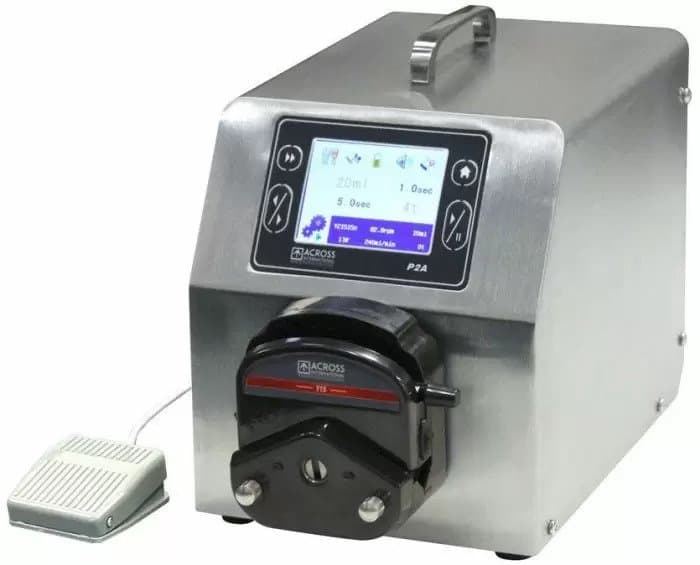

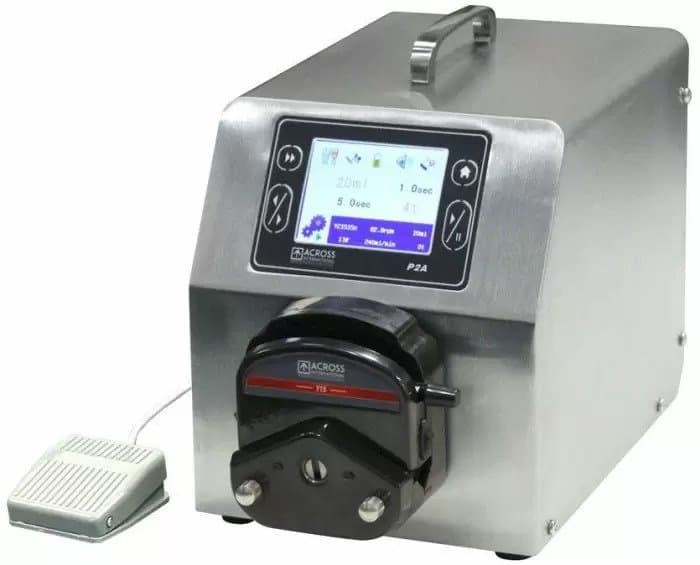
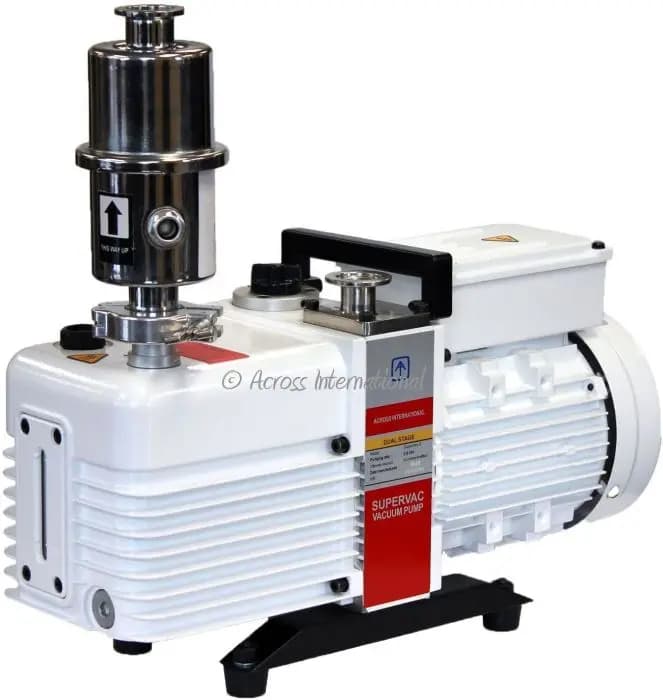
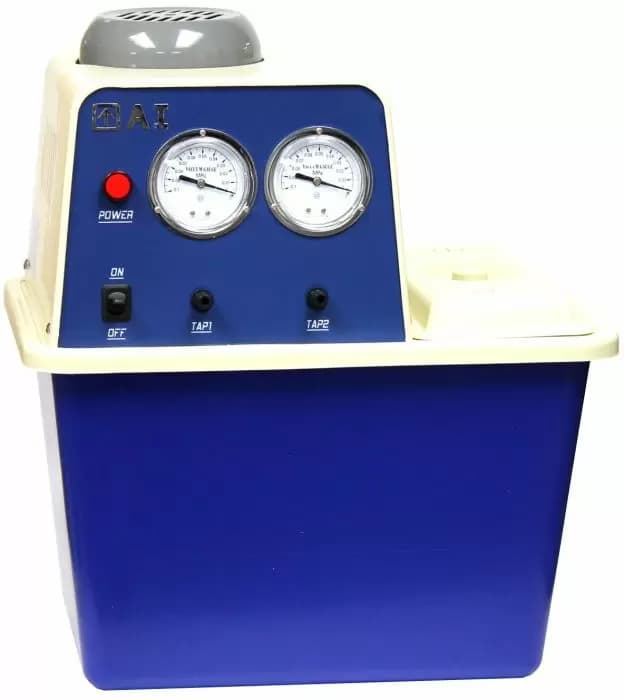

Showing 1 to 12 of 46 results
What are laboratory pumps?
Laboratory pumps move fluids by applying mechanical energy to transfer liquids between vessels, circulate liquids through systems, generate vacuum for filtration or evaporation, or deliver precise volumes at controlled flow rates. Different types use different mechanisms: diaphragm pumps use an oscillating flexible membrane, peristaltic pumps use rotating rollers on flexible tubing, syringe pumps use a motorized piston, and oil-sealed rotary vane pumps use a rotating vane in oil for deep vacuum.
What you will find:
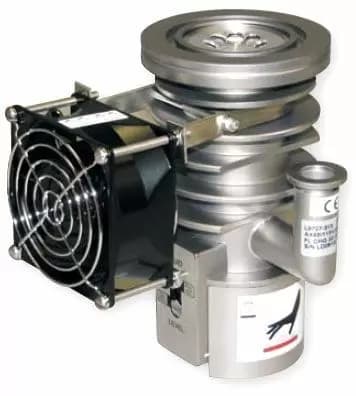
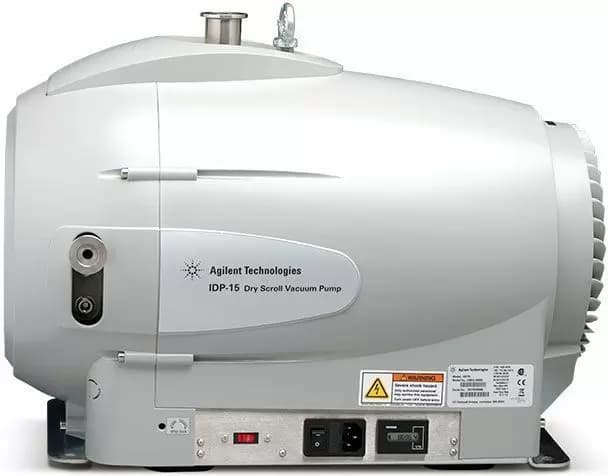
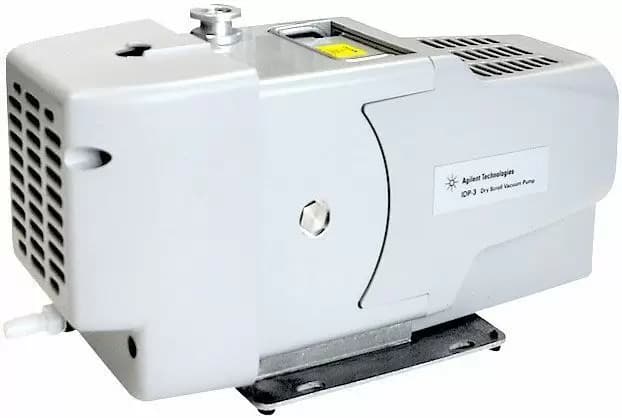
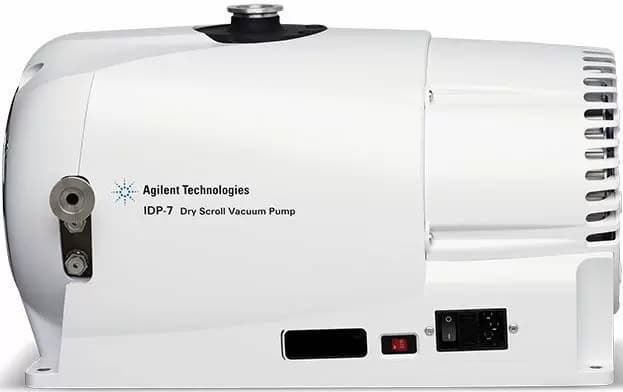
Vacuum Pump: Create powerful vacuum for filtration, rotary evaporation, and drying using highly durable and silent pumps.
Peristaltic Pump: Prevent contamination of the medium through precise dosing with pumps that transport media via tubing only.
Diaphragm Pump: Get oilless and chemically resistant pumps for aggressive vapors.
How to choose a laboratory pump
Choose a diaphragm pump for oil-free vacuum and chemical resistance
Diaphragm pumps use a flexible membrane without oil lubrication, making them chemical-resistant, oil-free, and lower maintenance than oil-sealed pumps. They are the standard choice for rotary evaporator vacuum, Büchner filtration, vacuum concentration, and other applications where oil contamination must be avoided.
Choose a peristaltic pump for continuous fluid transfer with easy maintenance
Peristaltic pumps move fluid by compressing flexible tubing with rotating rollers, so only the tubing contacts the fluid. Changing fluids requires only replacing the tubing, making them ideal for chromatography buffer flow, media exchange, and any application with multiple different liquids.
Choose a syringe pump for precise, programmable low-volume delivery
Syringe pumps use a stepper motor to push a syringe plunger at a precisely controlled rate, delivering volumes from microliters to tens of milliliters with high accuracy. They are used in microfluidics, infusion experiments, gradient delivery, and any application requiring precise programmed flow rates.
Consider chemical compatibility of wetted materials
All pump types have wetted materials that contact the pumped fluid and must be compatible with your specific solvents, acids, bases, or biological liquids. PTFE-wetted diaphragm pumps offer broad chemical resistance; peristaltic pumps require appropriate tubing material selection per fluid.
Match flow rate range and pressure to your application
Diaphragm vacuum pumps are characterized by ultimate vacuum level and pumping speed; peristaltic pumps by flow rate range and tubing diameter; syringe pumps by minimum and maximum flow rates and syringe volume.
Specifications context
Diaphragm vacuum pumps are evaluated on ultimate vacuum (lowest achievable absolute pressure) and pumping speed (volume of gas removed per unit time), with PTFE-diaphragm models achieving ultimate vacuum levels of 1–10 mbar suitable for rotary evaporation and concentration. As of 2026, two-stage diaphragm pumps continue to expand as oil-free alternatives to oil-sealed rotary vane pumps, since they require less maintenance and eliminate contamination risk while achieving adequate vacuum for most laboratory applications.
Get in touch with the experts at MBP today to request your custom quote.
FAQ