Sample Processing Equipment for Laboratory Preparation and Handling Workflows
Sample Processing brings together the equipment used to physically prepare, move, and transform samples and reagents before analysis or experimentation: pumps for fluid transfer and vacuum generation, homogenizers for tissue and cell disruption, sonicators for emulsification and cell lysis, and other instruments for sample size reduction, mixing, and physical handling. As a top-level equipment branch parallel to Microscopes and Balances & Analytical Equipment, this section covers instruments essential to sample preparation workflows. Academic and core laboratories sourcing sample processing equipment can benefit from guidance when selecting instruments based on sample type, throughput requirements, and application needs.
Planning a new sample preparation workflow or upgrading existing equipment? Contact customerservice@mbpinc.net for assistance in comparing instrument types, specifications, and configurations to find the best solution for your laboratory.
Sample Processing
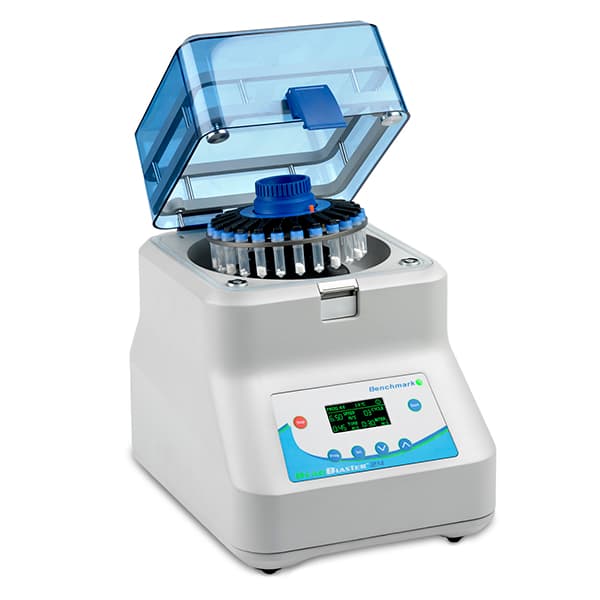
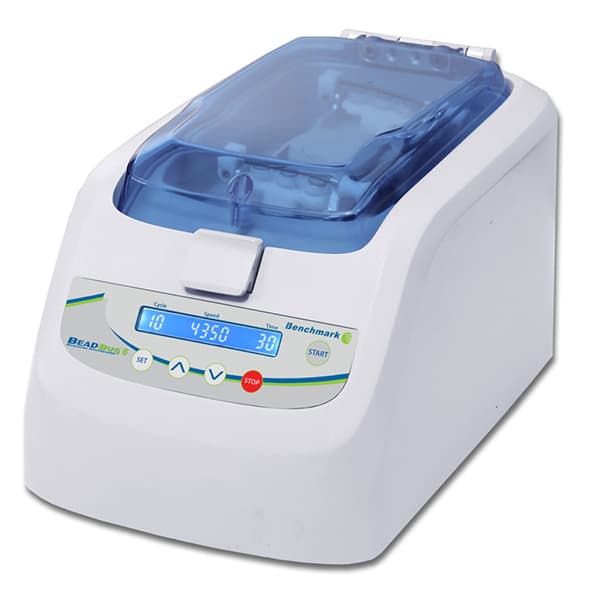
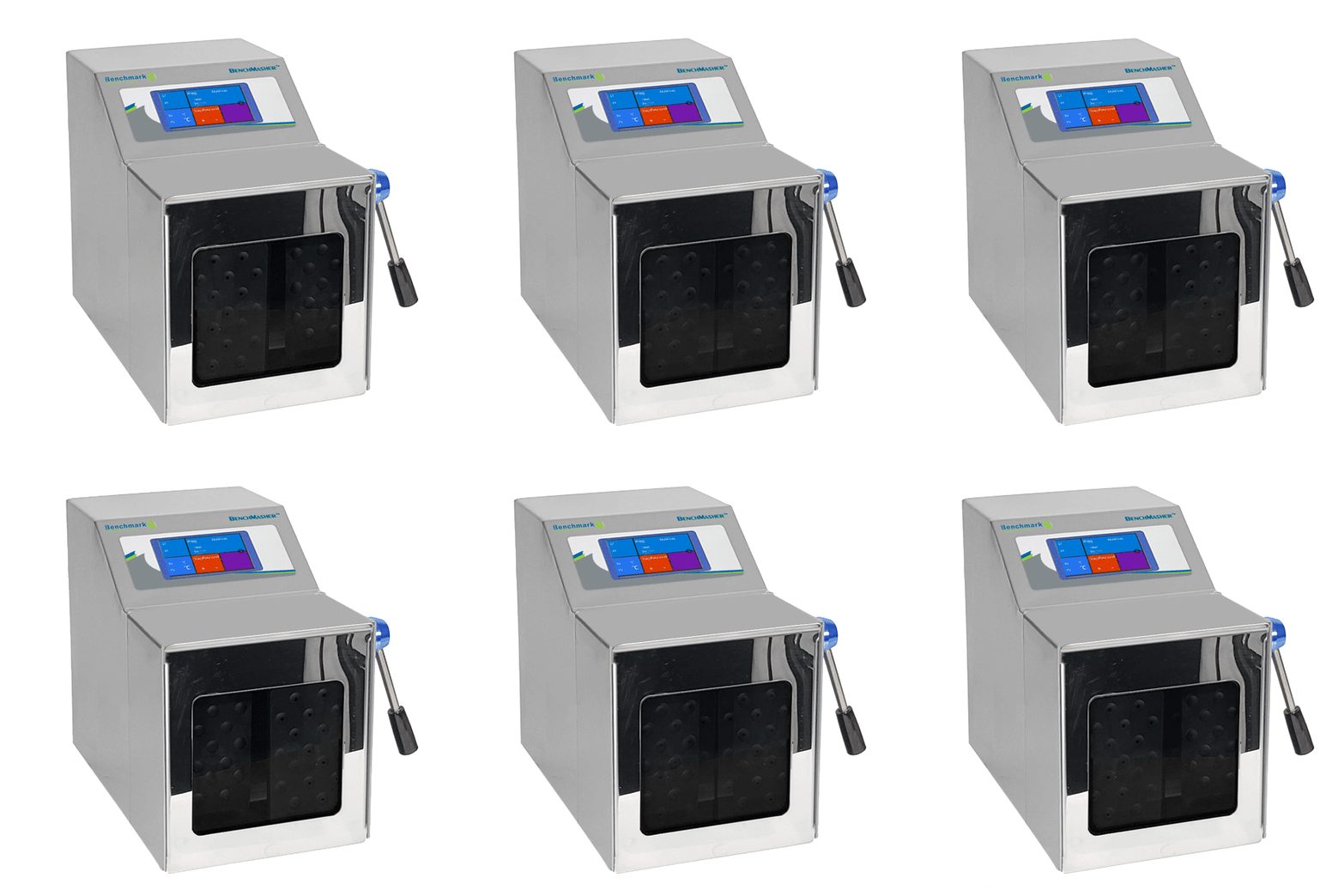
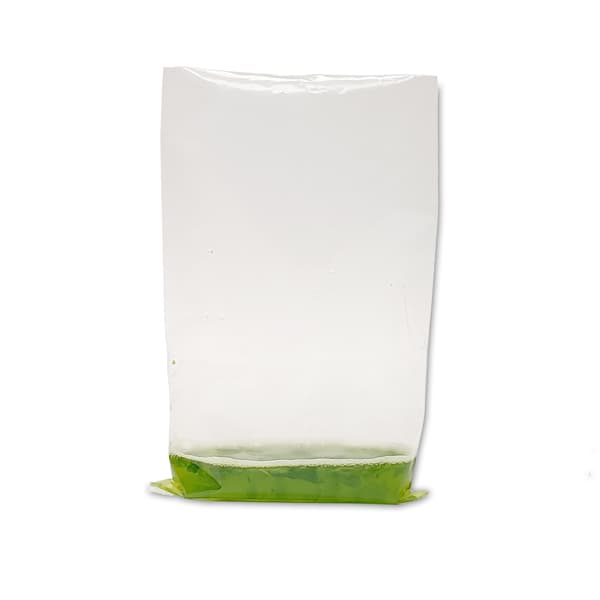


Showing 13 to 24 of 76 results
What is Sample Processing as an equipment category?
Sample Processing covers instruments used to physically prepare, disrupt, transfer, or transform samples for downstream analysis, distinct from the analytical and measurement instruments in the Microscopes, Balances & Analytical Equipment branch. The major subcategories include pumps for fluid transfer and vacuum, homogenizers for disrupting tissue and cells, sonicators for ultrasonic cell lysis and DNA shearing, and related instruments for mixing and fluid handling.
Here’s what you’ll discover:
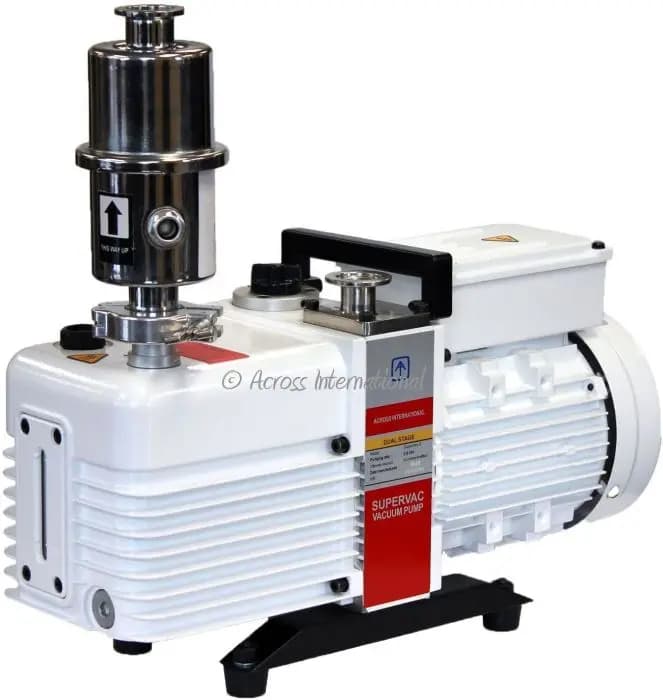
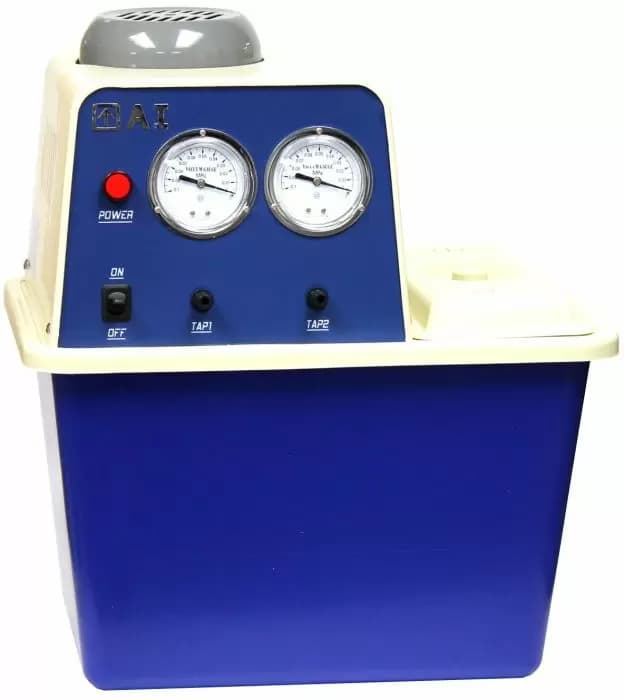
- Pumps - For accurate and consistent fluid transfer and flow for filtration, dosing, and vacuum processes.
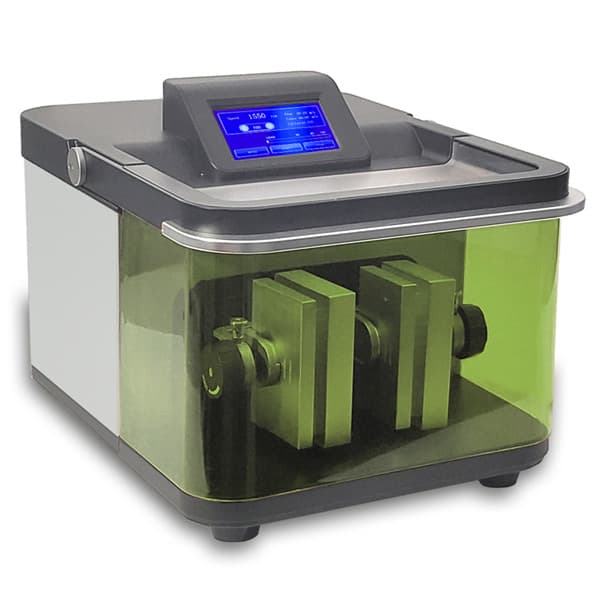
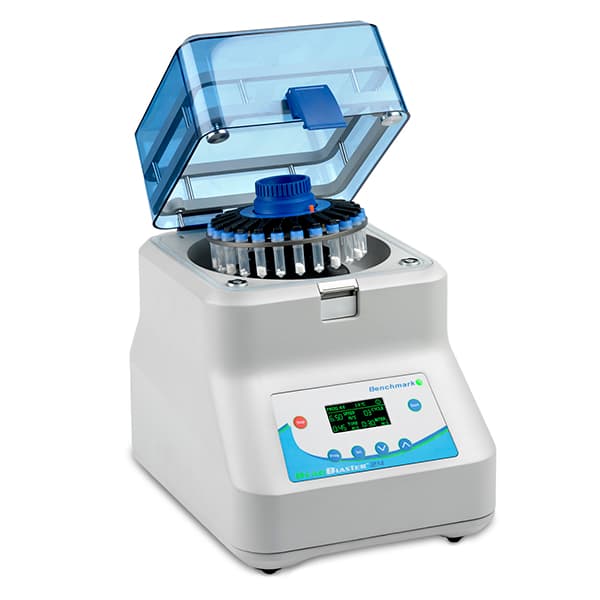
- Homogenizers - For quick and efficient sample breaking and mixing without contamination.
- Ball Mills & Mixing - To grind difficult samples to very fine and even powder through high-energy milling.
- Presses - To make highly consistent pellets for XRF and spectroscopy studies.
How to navigate Sample Processing equipment
Go to Pumps for fluid transfer, vacuum, and dosing instruments
Pumps covers diaphragm pumps for oil-free vacuum, peristaltic pumps for continuous chromatography and media exchange, syringe pumps for precise low-volume delivery, and other laboratory pump types.
Choose a homogenizer when physical disruption of tissue or cells is needed
Homogenizers use rotor-stator, bead milling, or blade mechanisms to mechanically disrupt tissue, plant material, microorganisms, or cells into a homogeneous suspension for DNA, RNA, protein, or metabolite extraction.
Choose a sonicator for ultrasonic cell disruption, DNA shearing, or emulsification
Sonicators use high-frequency ultrasonic energy to create cavitation that disrupts cell membranes, shears DNA for library preparation, or creates stable emulsions, with probe sonicators for small volumes and bath sonicators for multiple samples.
Consider throughput, sample type, and downstream application
Single-sample instruments like probe sonicators suit precious one-at-a-time samples, while higher-throughput bead mill homogenizers with multi-well adapters process many samples simultaneously, making equipment choice dependent on batch size alongside sample type.
Match the instrument to the physical nature of the sample
Hard tissue like bone or plant material requires more aggressive disruption than soft tissue; cells in suspension can often be disrupted by gentle sonication rather than mechanical homogenization. Matching disruption method to sample type prevents under-disruption, analyte degradation from over-processing, and instrument damage.
Specifications context
Physical sample processing has expanded alongside multi-omics workflows that require reproducible, standardized sample disruption to minimize batch effects in sequencing, proteomics, and metabolomics. As of 2026, automated bead mill homogenizers with pre-loaded bead tubes and programmable settings are standard in core facilities processing samples for multi-omics where disruption reproducibility is a primary analytical requirement.
If you happen to be working with a very complex sample matrix and need help picking the right technique of homogenization, do not hesitate to get in touch with MBP and request a quotation.
FAQ