Purification and Separation Equipment for Research Labs
Laboratory purification and separation equipment encompasses instruments and systems used to isolate, concentrate, and purify chemical compounds, extracts, and samples -- including distillation systems (short path, thin film, and conventional), rotary evaporators, falling film evaporators, and solvent removal instruments. These systems are used in organic synthesis, natural product isolation, pharmaceutical development, essential oil extraction, and analytical sample preparation across research, biotech, and industrial chemistry environments.
MBP is a registered vendor for Howard Hughes Medical Institute, Vanderbilt University, and MD Anderson Cancer Center, and provides purchase order procurement for purification and separation equipment for US and Canadian research institutions. Request a quote by contacting customerservice@mbpinc.net.
Purification & Separation Equipment



Showing 25 to 36 of 37 results
What Is Laboratory Purification and Separation Equipment?
Laboratory purification and separation equipment refers to instruments that physically separate components of a mixture based on differences in their physical or chemical properties: boiling point, vapor pressure, volatility, or molecular weight. Distillation systems exploit boiling point differences to separate and purify liquid compounds; evaporators remove volatile solvents from samples to concentrate non-volatile targets; and specialized systems such as thin film and short path distillation units handle heat-sensitive, high-boiling compounds that conventional atmospheric distillation would degrade. These instruments are central to workflows in organic synthesis, natural product and essential oil extraction, pharmaceutical active ingredient (API) purification, cannabis and botanical extract processing, environmental sample preparation, and analytical chemistry. Laboratory-scale purification systems range from benchtop rotary evaporators (1 L to 20 L) to floor-standing short-path and wiped-film distillation systems capable of continuous processing at pilot scale. Choose distillation when separating components by boiling point; choose an evaporator when removing a volatile solvent from a non-volatile target; choose short path or thin film systems for heat-sensitive or high-boiling compounds.
What You'll Discover:
-
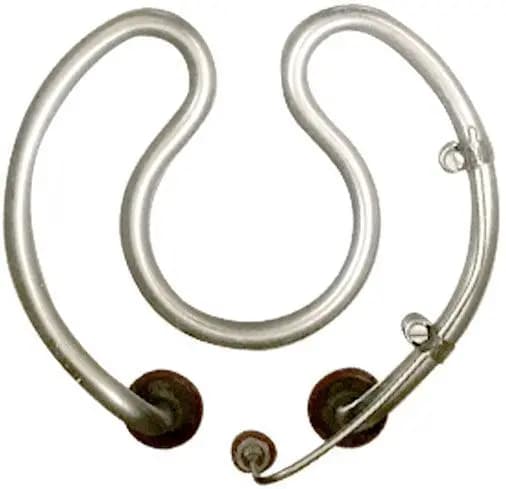
Smart Evaporator: Advanced spiral plug technology enabling quick evaporation directly from multiple containers without the danger of spilling or sample loss.
-
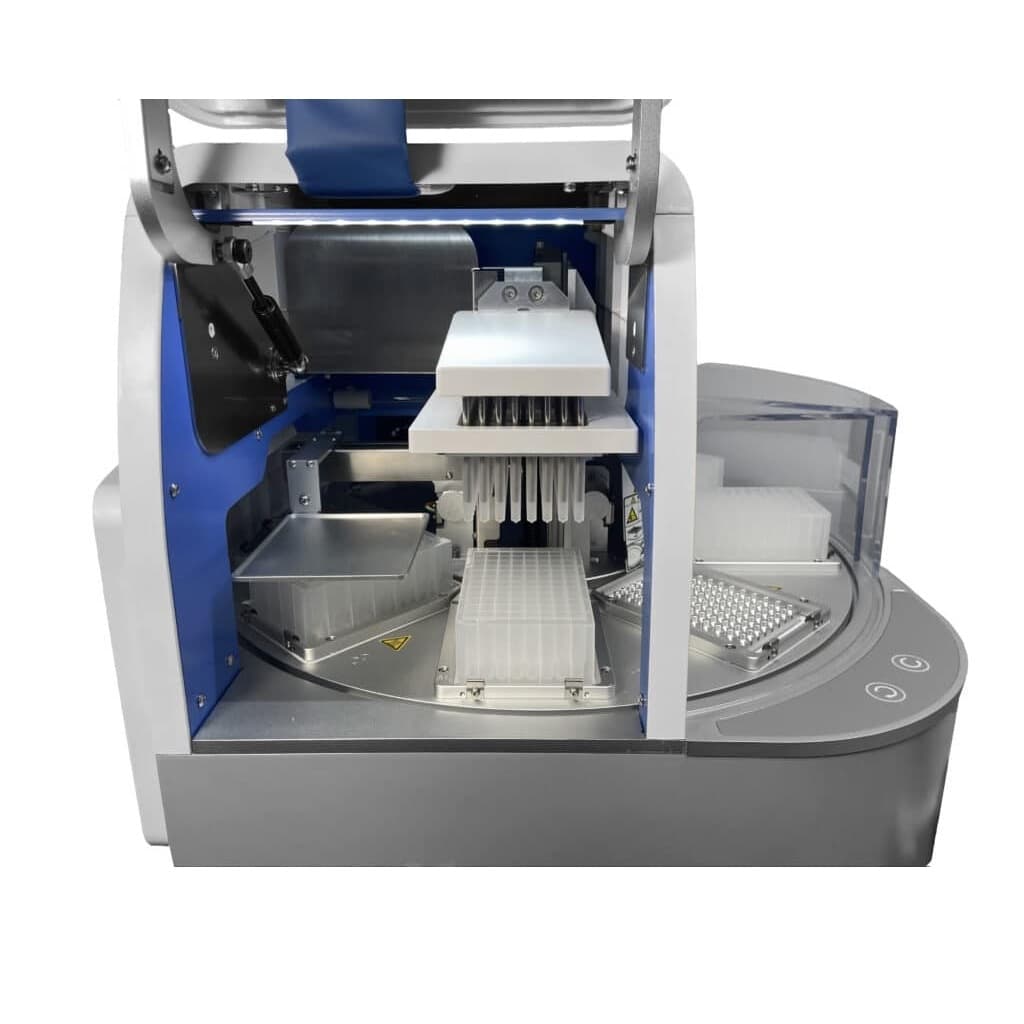
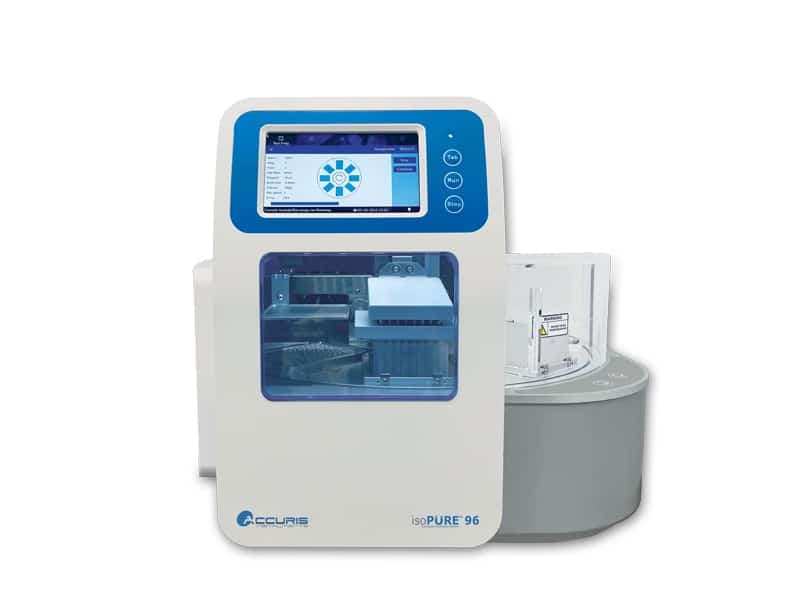
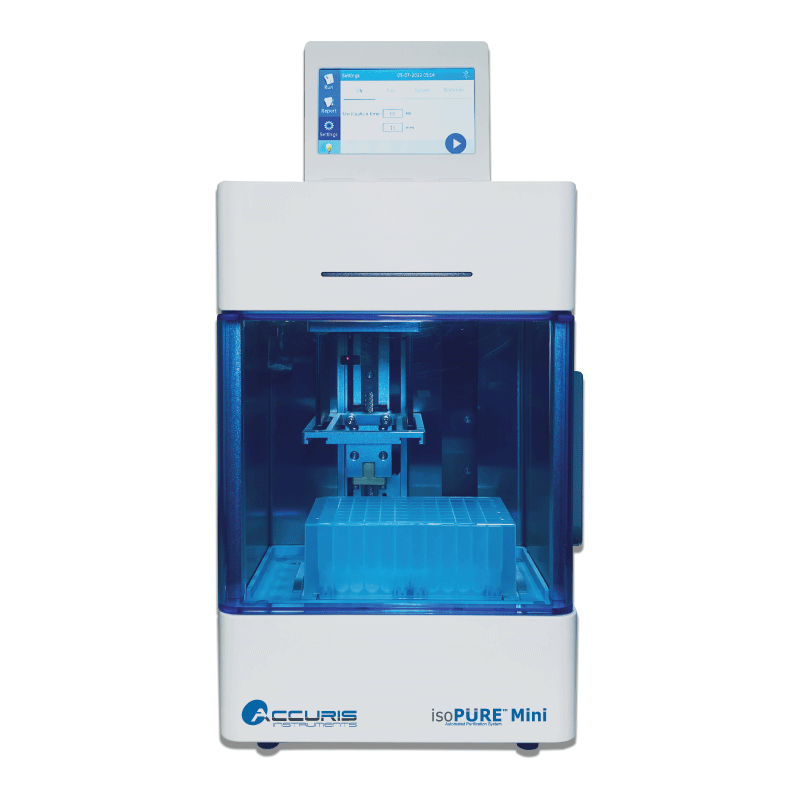
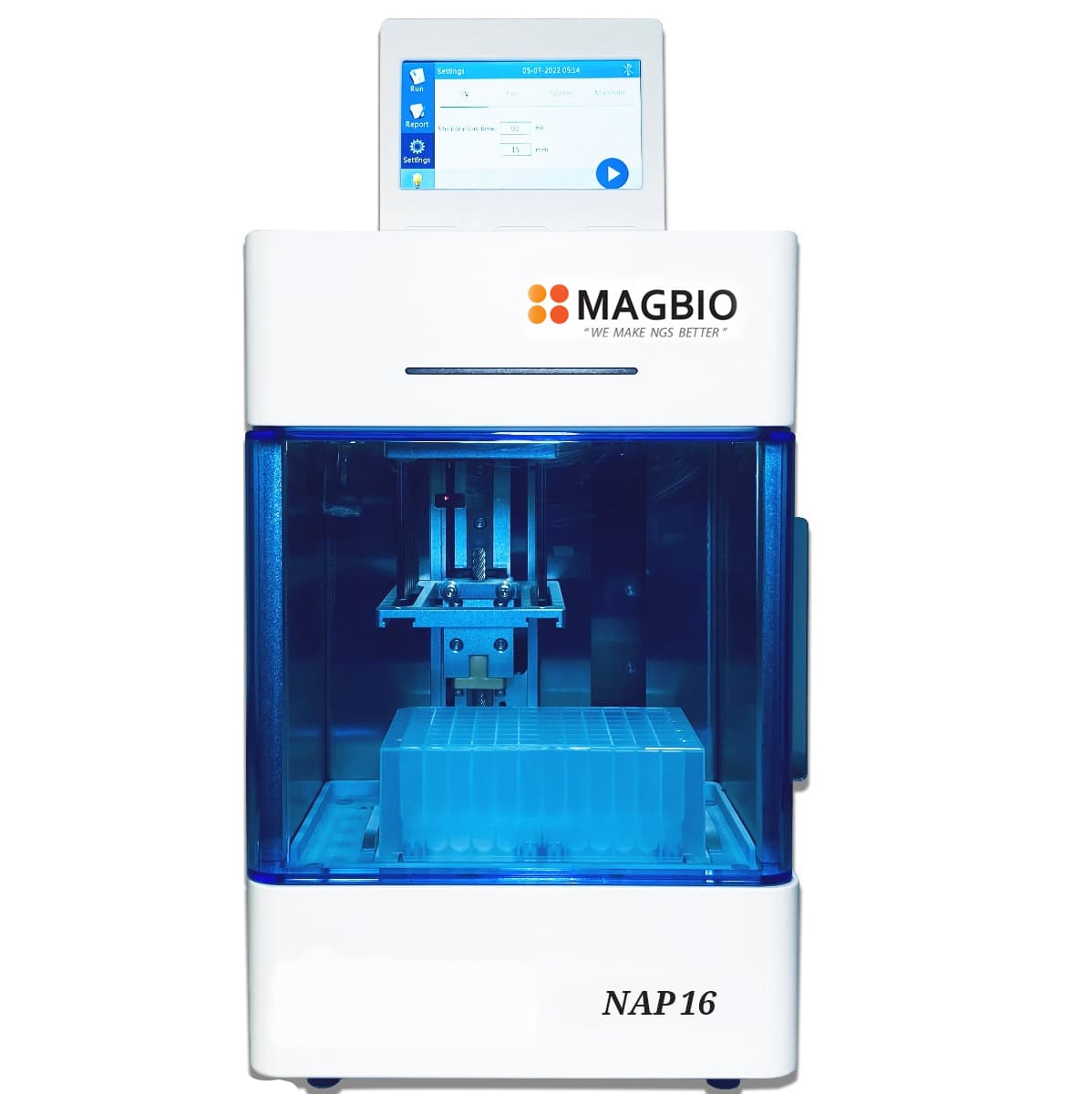
Automated Purification Systems: High-capacity solutions aimed at standardizing and speeding up the separation of proteins, nucleic acids, and small molecules while minimizing manual effort.
-
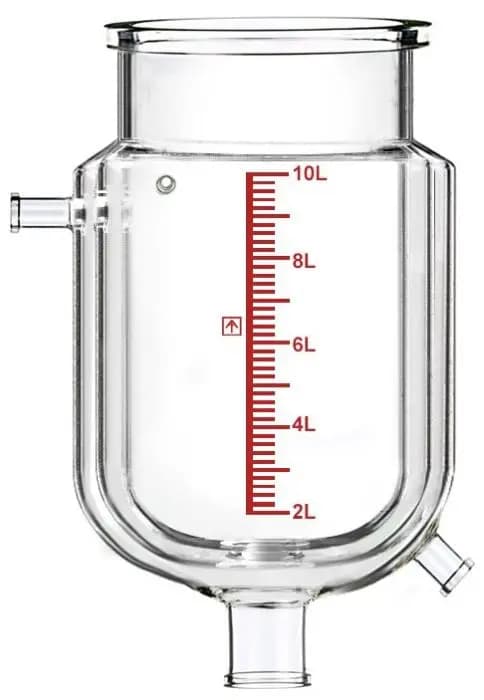
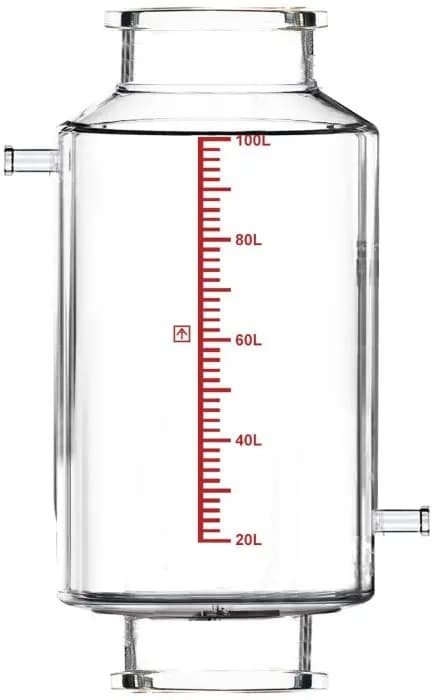
Reactors: High-quality glass and stainless steel containers designed for precise chemical reactions, providing exceptional thermal stability and resilience.
-
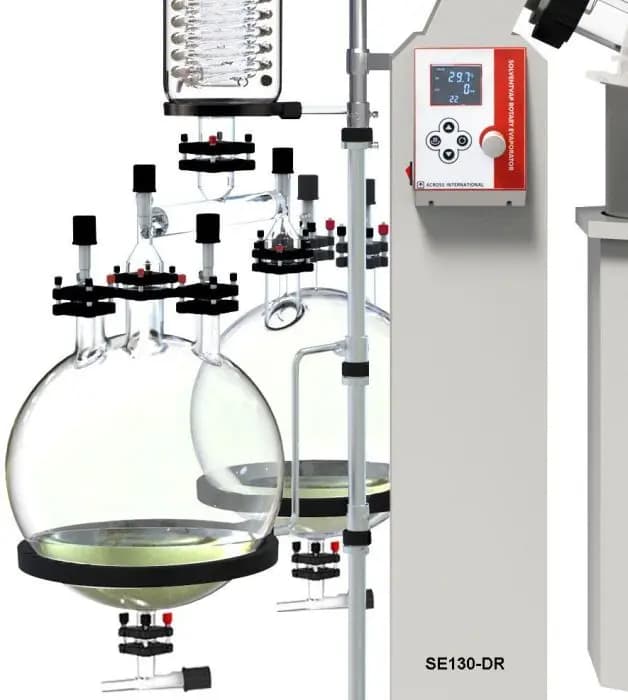
Distillation Systems: Accurate thermal separation tools engineered to segregate elements according to volatility, guaranteeing optimal purity for your solvents and extracts.
-
Evaporators: A diverse selection of rotary and vacuum evaporation instruments designed for effective solvent extraction and sample concentration in optimally regulated environments.
How to Choose Purification and Separation Equipment
Application: What are you separating?
Define what is being removed and what is being retained before selecting the equipment type. Solvent removal from a reaction product or natural extract calls for a rotary evaporator or falling film evaporator, which are compact, efficient, and well-suited to polar and non-polar solvents. Isolation and purification of a specific compound from a complex mixture with different boiling points calls for a fractional distillation column or, for heat-sensitive targets, a short path or thin film distillation unit. High-vacuum molecular distillation addresses compounds that would thermally degrade at any atmospheric boiling point.
Thermal sensitivity of the target compound
Conventional atmospheric distillation exposes samples to temperatures at or above the atmospheric boiling point, which degrades thermally labile compounds such as vitamins, cannabinoids, terpenes, fatty acids, and pharmaceutically active molecules. Short path distillation (operating at 0.001 mbar to 1 mbar) reduces effective boiling temperatures by 100 degrees C to 200 degrees C and minimizes residence time on the heated surface. Thin film distillation with mechanical wipers further reduces residence time. Choose the lowest-temperature technique that achieves the required separation.
Scale: batch volume and throughput
Rotary evaporators are standard for batch solvent removal at 1 L to 20 L flask scale. Short path distillation is suited to small batches of 500 mL to 20 L for high-value compound purification. Falling film evaporators and wiped film systems offer continuous operation and higher throughput (50 L/h to thousands of L/h), appropriate for pilot-scale and industrial process development. Choose the scale that matches your current batch size with headroom for scale-up.
Vacuum system requirement
All vacuum-assisted distillation and evaporation systems require a matched vacuum source. Rotary evaporators used for common solvent removal pair with diaphragm pumps (achieving 5 to 20 mbar). Short path distillation at the molecular range requires a two-stage rotary vane pump or diffusion pump to reach 0.001 mbar or below. Confirm that the vacuum depth and pumping speed of your vacuum source are compatible with the distillation system before purchase.
Material compatibility and containment
Confirm that wetted surfaces (glass, stainless steel, PTFE, borosilicate) are compatible with the solvents and reagents processed. Corrosive or halogenated solvents may require PTFE-lined components. Systems handling flammable solvents must be used with appropriate ventilation and, where required, explosion-proof electrical components.
Specifications Context
Key specifications for any purification or separation system: operating pressure range (mbar or Pa); temperature range of the heating jacket or bath; material of wetted surfaces (borosilicate glass, stainless 316L, PTFE); condenser cooling capacity and required coolant temperature; and throughput in L/h for continuous systems or maximum flask volume for batch systems. For purchase order procurement at research institutions, confirm the vendor's ability to supply documentation (CE/ETL/UL declaration, materials certificates, COA for glass components) required by institutional equipment purchasing.
Prepared to improve your purification process? Browse our complete collection and contact the MBP team for a cheerful quote today.
FAQ