Lab Reactors for Controlled Chemical Synthesis
Laboratory reactors are temperature-controlled vessels used for chemical synthesis, extraction, crystallization, distillation, and mixing under controlled conditions. Jacketed reactors, the most common laboratory format, circulate a heat-transfer fluid through an outer vessel jacket to heat or cool the reaction mixture, enabling precise temperature control during chemical processes.
MBP provides quote-based procurement for laboratory reactors for research institutions across the USA and Canada. Request a quote for laboratory reactors for controlled chemical synthesis, extraction, crystallization, and process development by contacting customerservice@mbpinc.net.
Reactors
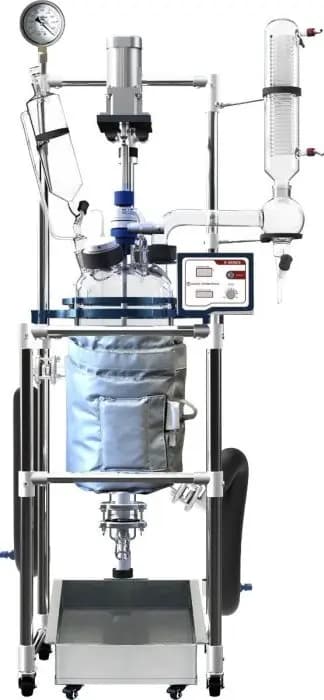
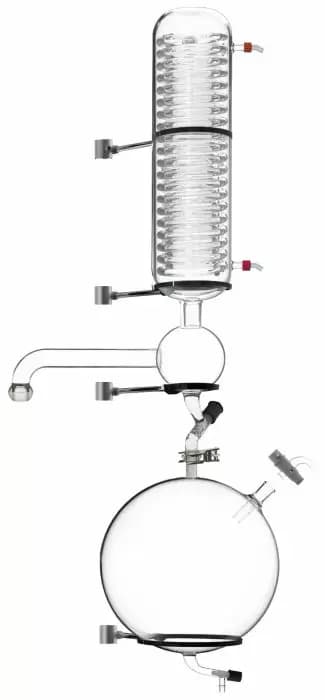
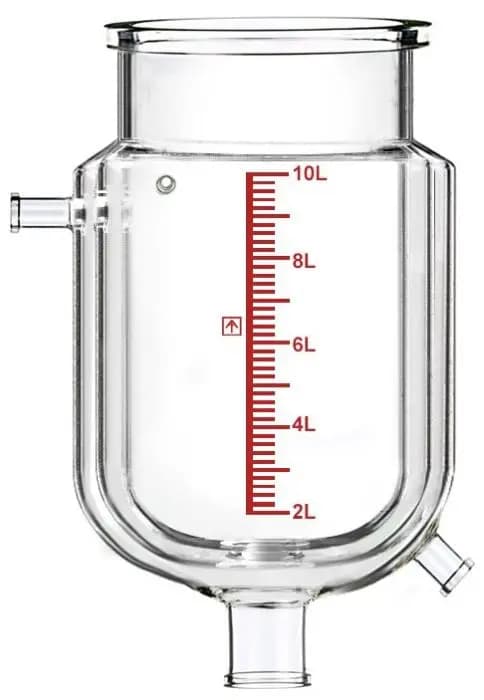
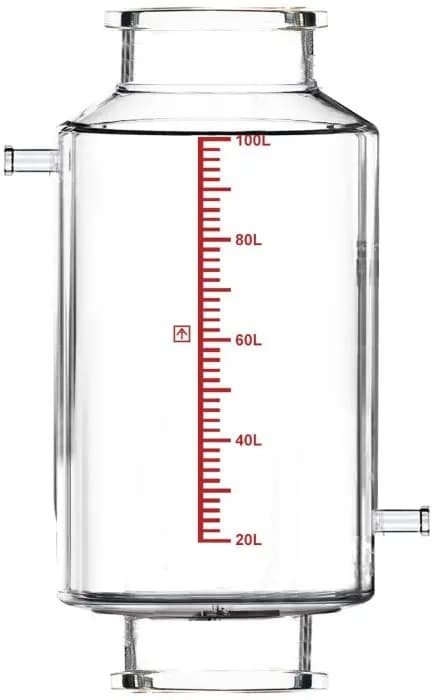
Showing 1 to 8 of 8 results
What Are Laboratory Reactors?
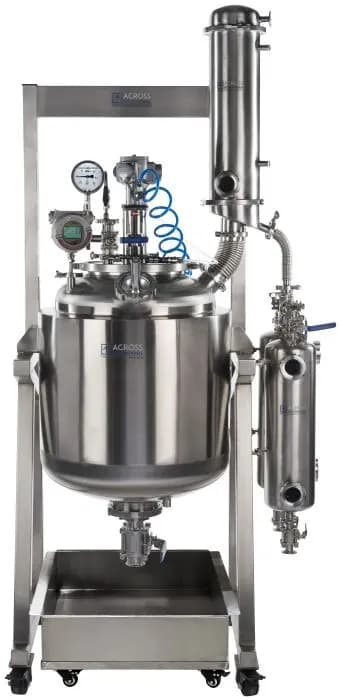
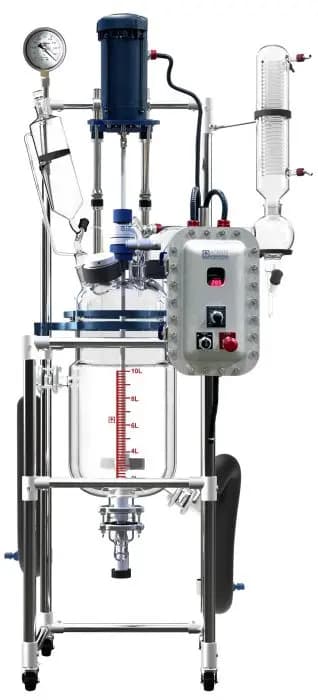
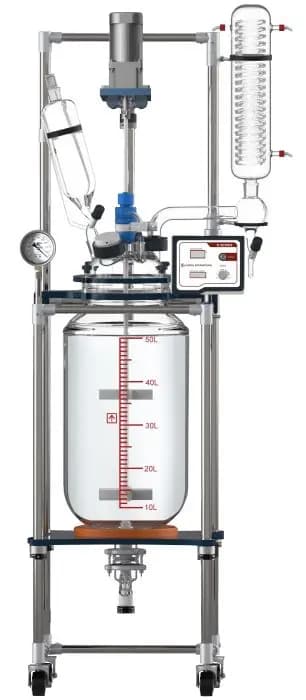
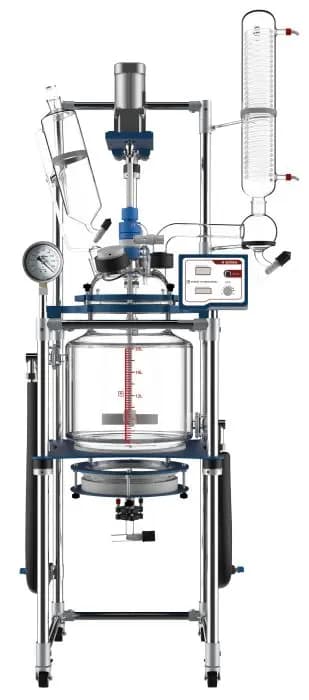
Laboratory reactors are vessels that provide a controlled environment (defined temperature, pressure, atmosphere, and mixing) for conducting chemical and biochemical processes. The jacketed reactor is the most common lab reactor format: it consists of an inner vessel (where the reaction occurs) surrounded by an outer jacket through which a heated or cooled fluid circulates to maintain the vessel contents at a precise temperature setpoint. Jacketed reactors are connected to a recirculating temperature control unit (chiller/heater) that delivers the heat transfer fluid at the required temperature. The vessel is equipped with a stirrer or overhead mixer, ports for reagent addition, reflux condensers, and sampling lines. Glass jacketed reactors (borosilicate) allow direct visual observation of the reaction and are the standard for research and process development at lab scale. Stainless steel jacketed reactors provide higher pressure ratings, mechanical durability, and compatibility with abrasive or high-temperature processes at larger scales. Applications include organic synthesis, pharmaceutical API development, botanical and cannabis extraction, crystallization, polymerization, emulsification, and scale-up process development from bench to pilot plant. Choose glass reactors for research and process development where visibility and chemical resistance matter; choose stainless steel reactors when operating pressure above 1 bar, abrasive reagents, or production-scale durability is required.
What you will find:
-
Visual Process Observation: The high-borosilicate glass design provides 360° visibility to observe phase transitions, color variations, and reaction kinetics as they happen.
-
Excellent Chemical Inertness: Ideally designed for acidic reactions and the synthesis of sensitive compounds where preventing metal contamination is essential.
-
Accurate Thermal Control: Jacketed structures allow for smooth integration with external heating or cooling systems for precise temperature management.
-
High-Pressure Resistance: Designed to endure intense mechanical strain and high-pressure conditions that surpass the capacities of conventional glassware.
-
Large-Scale Efficiency: Designed for extensive extractions and high-temperature production processes that demand quick heat transfer.
-
Durable Durability: Constructed with corrosion-proof metals and robust sealing to guarantee an extended operational lifespan in challenging manufacturing environments.
How to Choose a Laboratory Reactor
Vessel material: glass vs. stainless steel
Borosilicate glass reactors are chemically resistant to most organic and aqueous media, allow direct visual monitoring of the reaction (color change, phase separation, precipitate formation, bubble evolution), are easy to clean, and are the standard for most research chemistry applications from 50 mL to 50 L. They cannot withstand positive pressure and require careful mechanical support. Stainless steel 316L reactors withstand pressure up to 10 bar or higher (model-dependent), resist mechanical damage, and are preferred for high-pressure hydrogenation, autoclave reactions, polymerization under pressure, and pilot-scale production. Glass-lined stainless steel combines the chemical resistance of glass with mechanical strength for production scale.
Volume and scale
Lab-scale jacketed glass reactors start at 50 mL (for small-batch pharmaceutical synthesis) through 5 L (standard research scale) to 100 L and 200 L (pilot plant scale). Stainless steel reactors for lab and pilot use cover 1 L to 200 L+. For production, scale-up from lab glass to pilot stainless steel uses the same process parameters (temperature, mixing speed, reagent addition rates) determined at lab scale. Volume choice: fill to 50 to 70% of nominal capacity; oversized vessels with small fills are inefficient.
Temperature range
Single-jacketed glass reactors with a chiller-heater circulator cover -80 degrees C to 200 degrees C, which encompasses most research synthesis, crystallization, and extraction workflows. For temperatures above 200 degrees C or below -80 degrees C, specialized heat transfer fluids (silicone oil, Therminol, liquid nitrogen) and compatible reactor materials are required. Stainless steel reactors handle higher temperature extremes. Temperature stability within plus or minus 0.5 degrees C at the setpoint is achievable with modern digital circulator controllers.
Pressure rating
Glass reactors are rated for atmospheric pressure or slight vacuum (below ambient) only; they cannot hold positive pressure. If your reaction generates gas (CO2, HCl, other off-gases) or must be conducted under pressure (hydrogenation, autoclaving), specify a stainless steel or glass-lined steel reactor with the appropriate pressure rating. Standard lab stainless steel reactors are rated to 3 to 10 bar; specialized high-pressure reactors reach 100 bar or above.
Jacket design
Single jackets are the standard for most lab reactors, providing adequate heat transfer for small to medium scales. Half-pipe and ring-baffle jackets improve heat transfer at larger scales. Double or vacuum jackets (with the gap between inner and outer vessel evacuated) provide excellent thermal insulation, useful for cryogenic reactions or maintaining exothermic reaction temperatures without large fluid flow.
Specifications Context
Jacket volume relative to vessel volume determines the heat transfer response rate; a jacket too small relative to a large vessel will show poor temperature control during exothermic reactions. The circulating fluid flow rate through the jacket (L/min) also affects control performance; match the circulator's pump to the jacket's flow resistance. For reactions producing toxic or flammable off-gases, the reactor must be operated inside a fume hood or fitted with a gas scrubber at the vent outlet. Confirm that the overhead stirrer and motor are rated for the solvent environment (explosion-proof motors for flammable solvent applications).
Prepared to enhance your reaction processes? Browse our selection of glass and stainless steel reactors and contact the MBP team for a quote now.
FAQ