Automated Liquid Handling: Laboratory Aspirators, Dispensers, and Liquid Handlers
Automated liquid handling instruments replace manual pipetting with consistent, reproducible liquid transfer—aspirators remove media and supernatants by vacuum, electronic multi-channel pipettes reduce RSI in repetitive plate-filling tasks, and benchtop robotic liquid handlers (8–96 channels) achieve 1–3% CV in volume transfer versus 5–15% for manual pipetting. MBP is a registered vendor to Howard Hughes Medical Institute, MD Anderson Cancer Center, and Vanderbilt University.
Contact customerservice@mbpinc.net to compare automated liquid handling solutions and request pricing or model availability.
Automated Liquid Handling
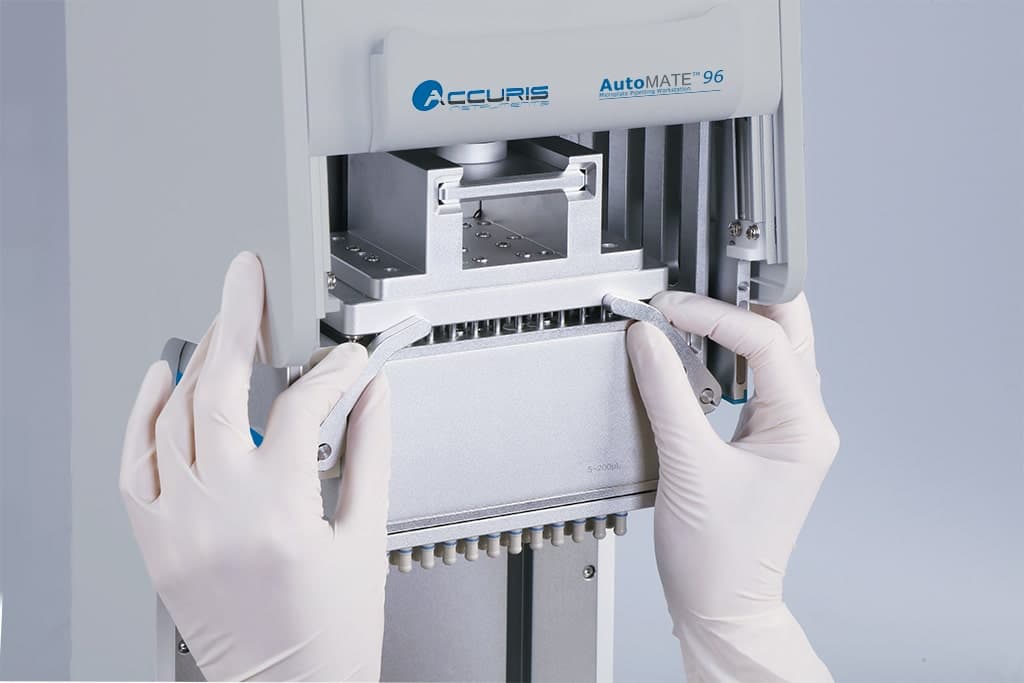
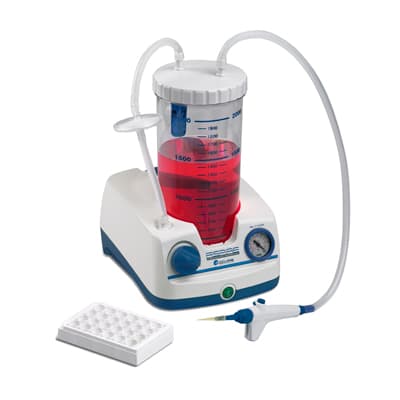
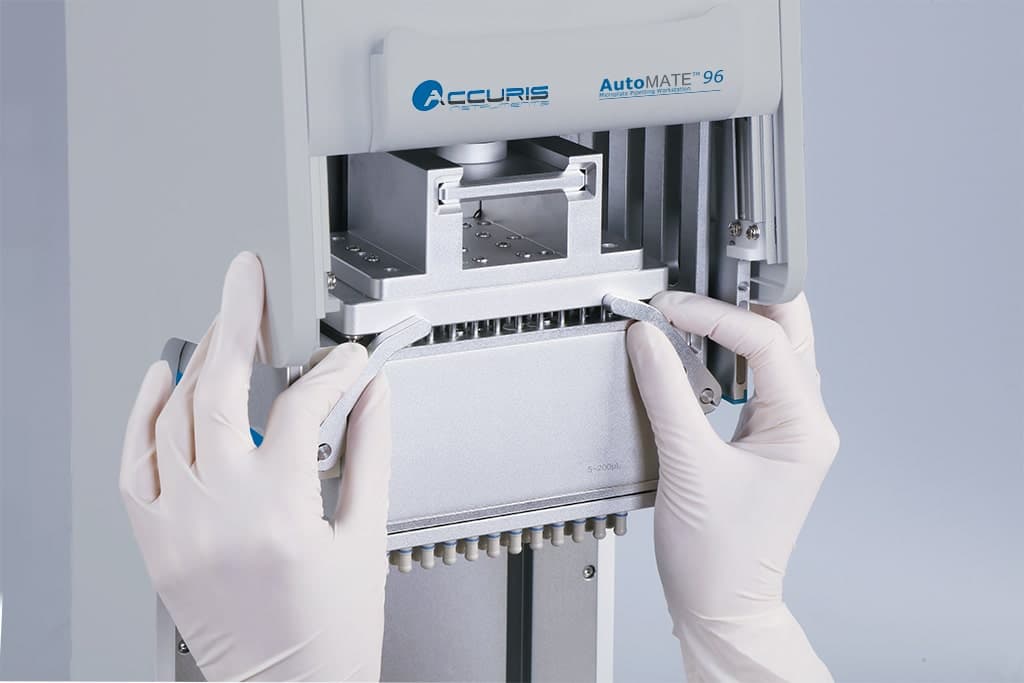
Showing 13 to 16 of 16 results
What Is Automated Liquid Handling?
Automated liquid handling refers to laboratory equipment and systems that perform liquid transfer, dispensing, aspiration, and mixing tasks with minimal manual intervention. These solutions help improve accuracy, reduce repetitive strain, increase throughput, and minimize variability between operators. The category includes laboratory aspirators, electronic pipettes, multi-channel liquid handling workstations, and advanced robotic platforms designed for applications such as PCR setup, ELISA, cell culture, serial dilutions, and next-generation sequencing workflows.
What you will find:
- Microplate Pipetting Station: Automation in pipetting systems for precise, high-performance liquid dispensing in microplate experiments.
- Laboratory Aspirator: Efficient liquid removal systems featuring vacuum aspirators for the safe handling of waste and cell culture applications.
- Liquid Handling Accessories: A variety of reservoirs, adapters, pipetting heads, and tubing designed to enhance the flexibility and accuracy of your hardware.
How to Choose Automated Liquid Handling Equipment
Define the Task: Removal vs. Transfer
Determine whether your workflow requires liquid removal or precise volume transfer. Laboratory aspirators are designed for media changes and supernatant removal, while liquid handling systems provide accurate dispensing, mixing, and sample preparation capabilities.
Volume Range and Channel Count
Select equipment based on the required volume range and throughput. Single-channel systems are suitable for lower-volume tasks, while multi-channel and robotic workstations support high-throughput applications involving microplates and large sample sets.
Biosafety Cabinet Compatibility
For cell culture and biological workflows, choose compact systems that fit comfortably within biosafety cabinets without restricting airflow or workspace accessibility. Quiet operation and appropriate accessory layouts can further improve usability.
Consumable and Maintenance Requirements
Consider the ongoing costs associated with filters, tubing, collection bottles, disposable tips, and other consumables. Evaluating long-term maintenance requirements helps determine the total cost of ownership for automated liquid handling equipment.
Workflow Integration
Many automated liquid handling systems can integrate with other laboratory instruments such as thermal cyclers, plate readers, and centrifuges. Confirm compatibility if your laboratory requires multi-step automated workflows or future expansion capabilities.
Specifications Context
Automated liquid handling systems cover a broad range of laboratory applications, from simple aspiration tasks to complex high-throughput sample preparation workflows. Modern designs emphasize precision, reproducibility, ergonomic operation, and compatibility with a wide variety of laboratory vessels and consumables.
Routine maintenance, proper calibration, and the use of manufacturer-approved accessories help ensure reliable performance and extend equipment lifespan. These technologies continue to play an important role in improving efficiency and standardization across research, clinical, and biotechnology laboratories.
Want to see what your lab looks like without pipetting errors? Contact the expert team at Molecular Biology Products Inc. (MBP) to find the perfect solution for your lab.
FAQ