Labels, Tapes & Printer Paper for Laboratory Identification and Traceability
Laboratory labels, tapes, and printer paper are adhesive and non-adhesive identification materials used in research, clinical, and industrial labs to track samples, reagents, equipment, and specimens across storage, processing, and shipping workflows. Available formats include cryogenic labels rated to −196 °C, direct-thermal and thermal-transfer label rolls, general-purpose labeling tape in multiple widths, tape dispensers, and thermal printer paper rolls.
MBP supplies these consumables to registered vendor accounts at institutions including Howard Hughes Medical Institute, Vanderbilt University, and MD Anderson Cancer Center, with stock available for US and Canadian labs. Contact customerservice@mbpinc.net to request a quote today!
Labels, Tapes & Printer Paper
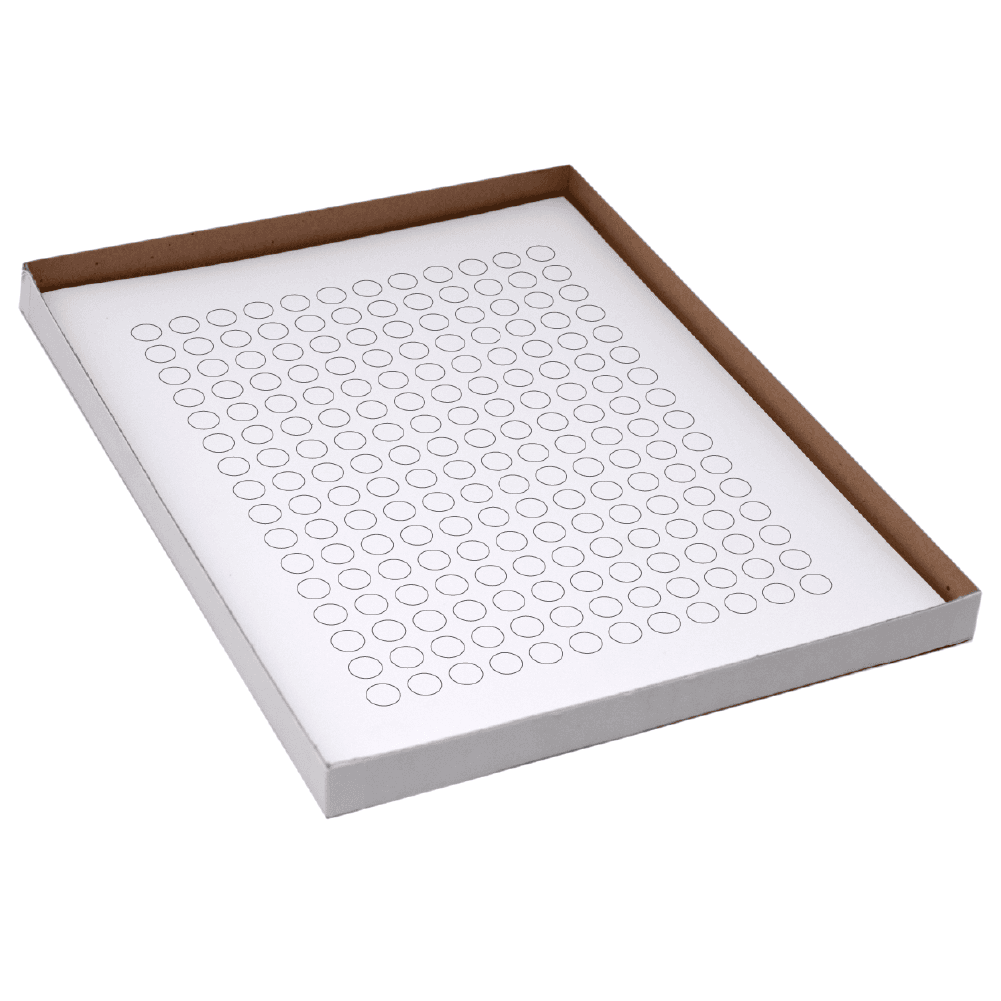
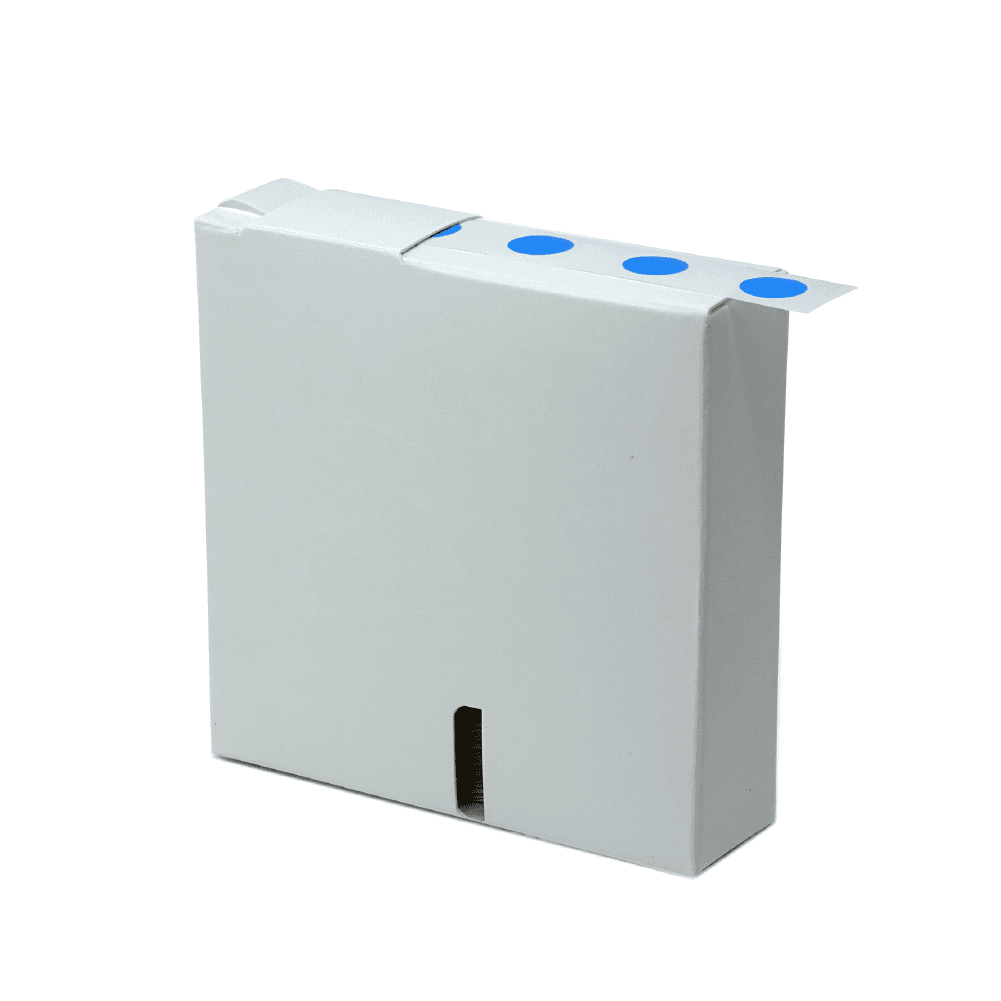
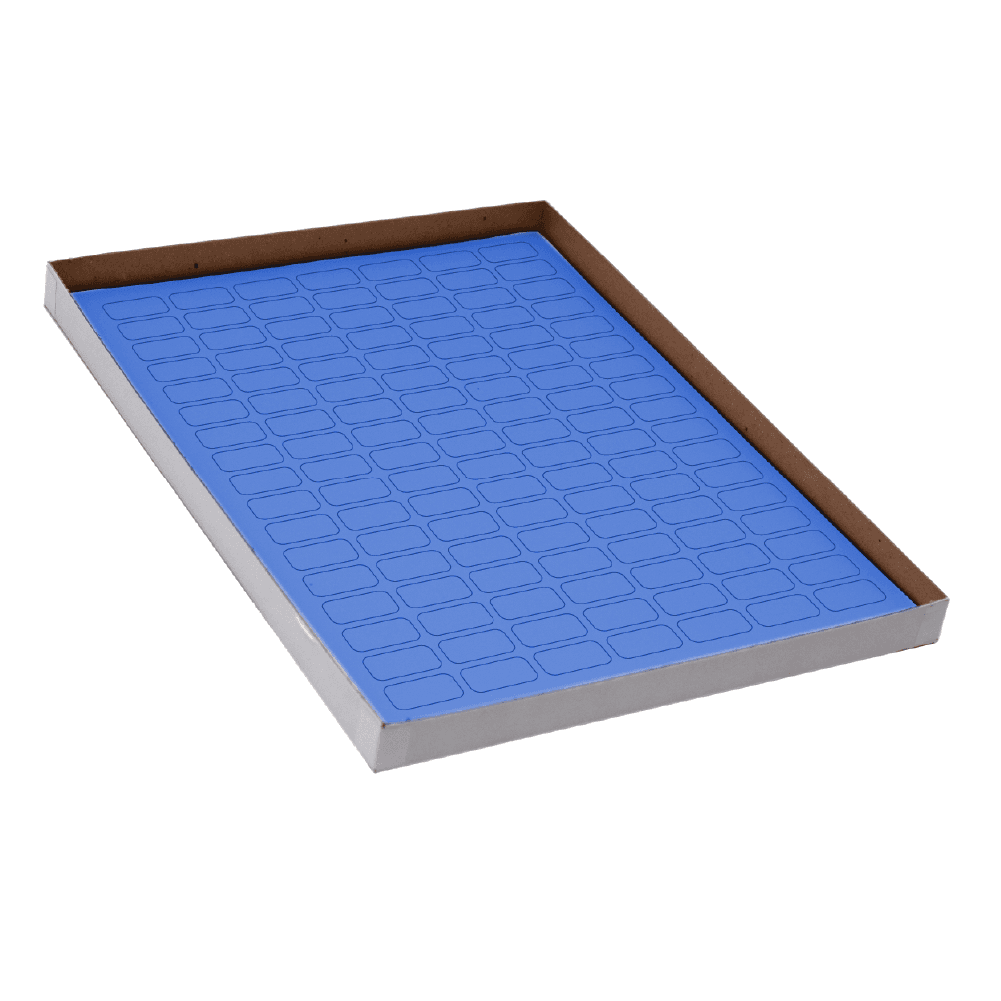
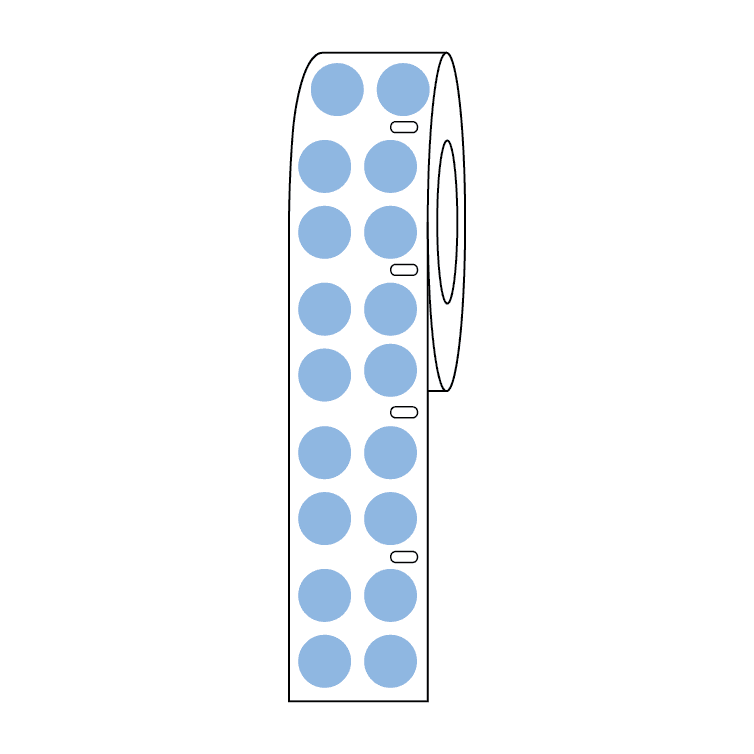
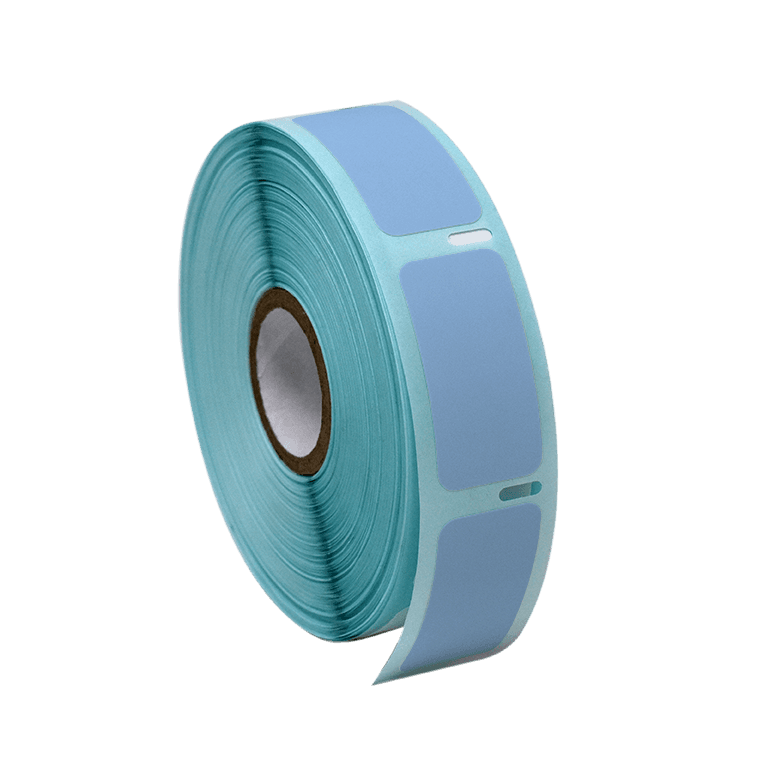
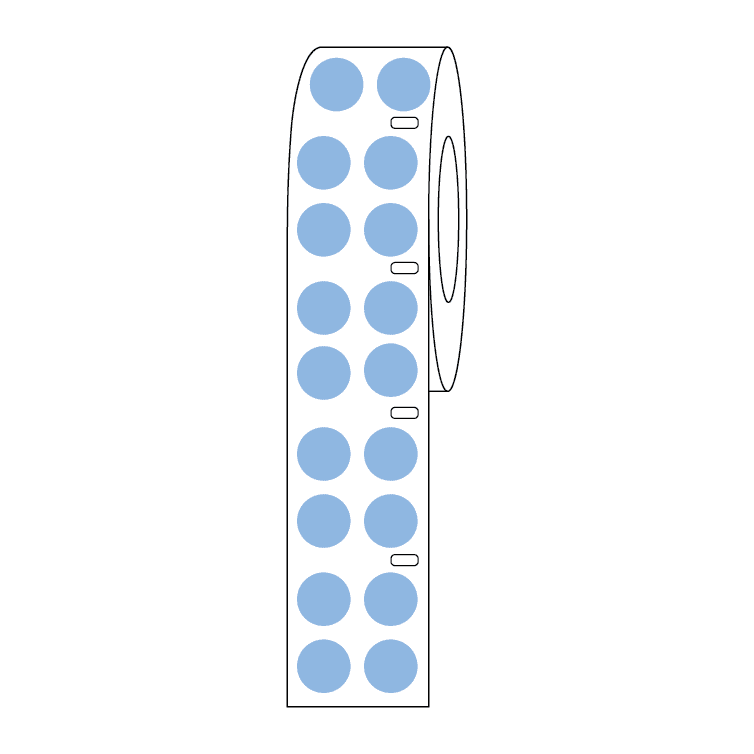
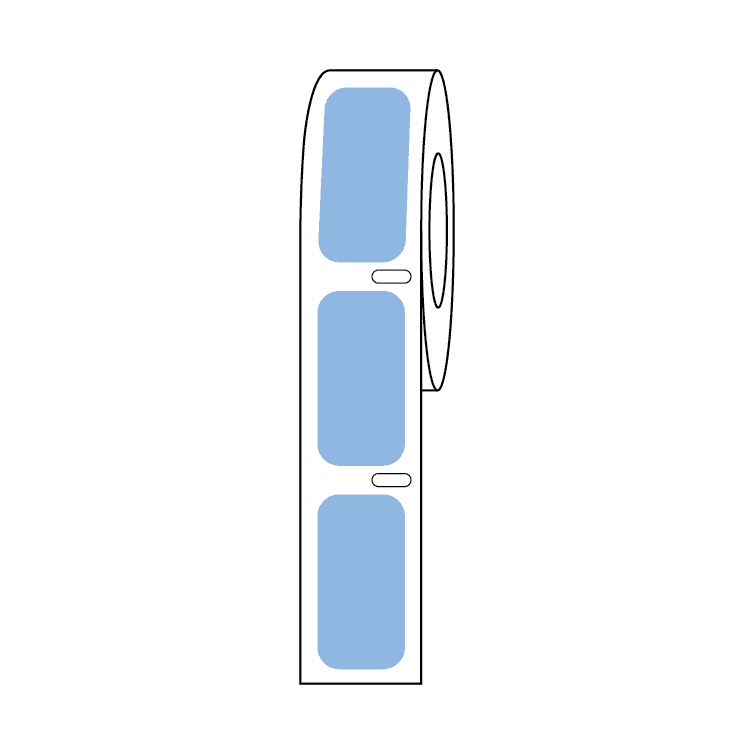
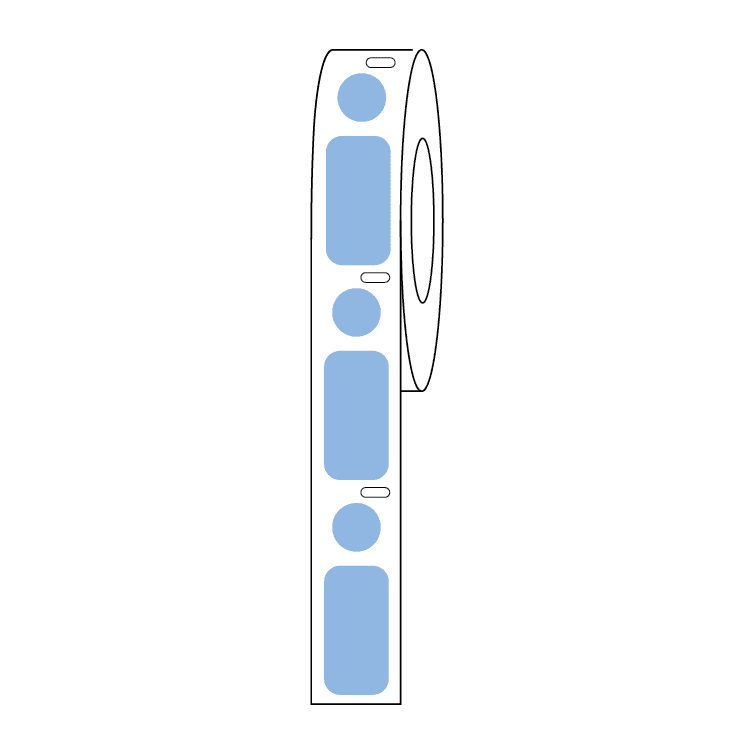
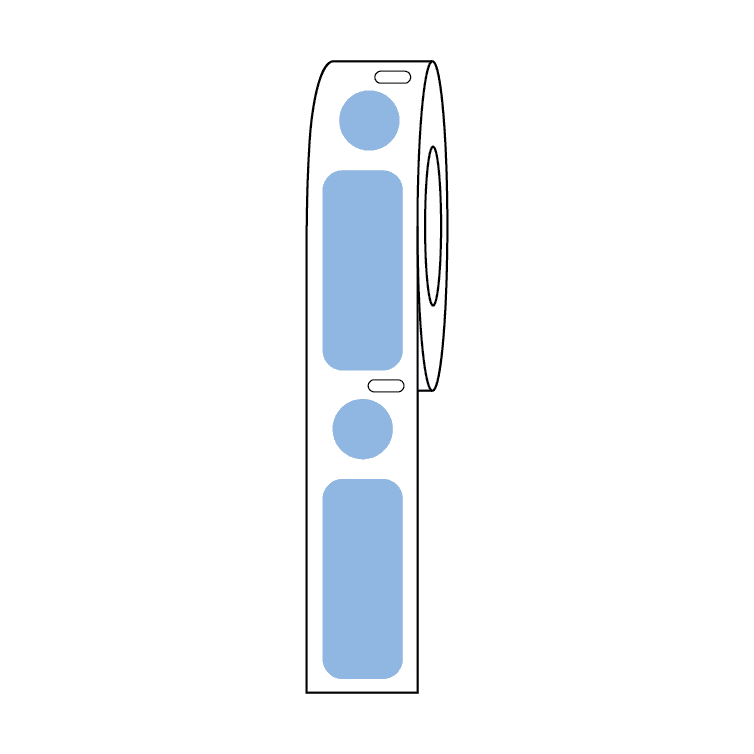
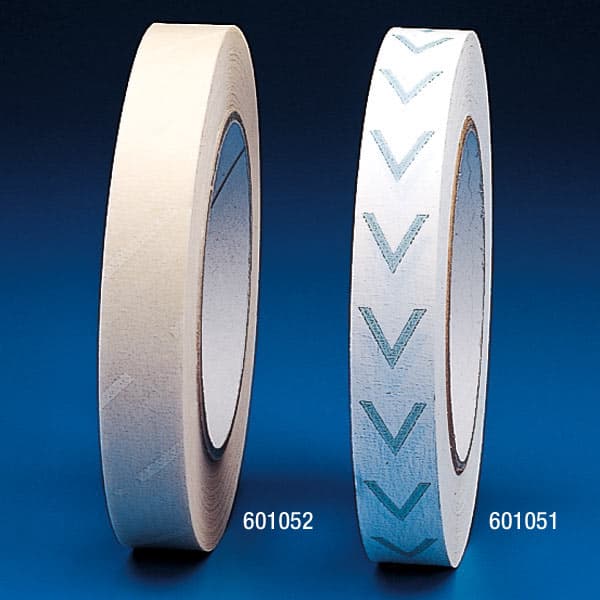
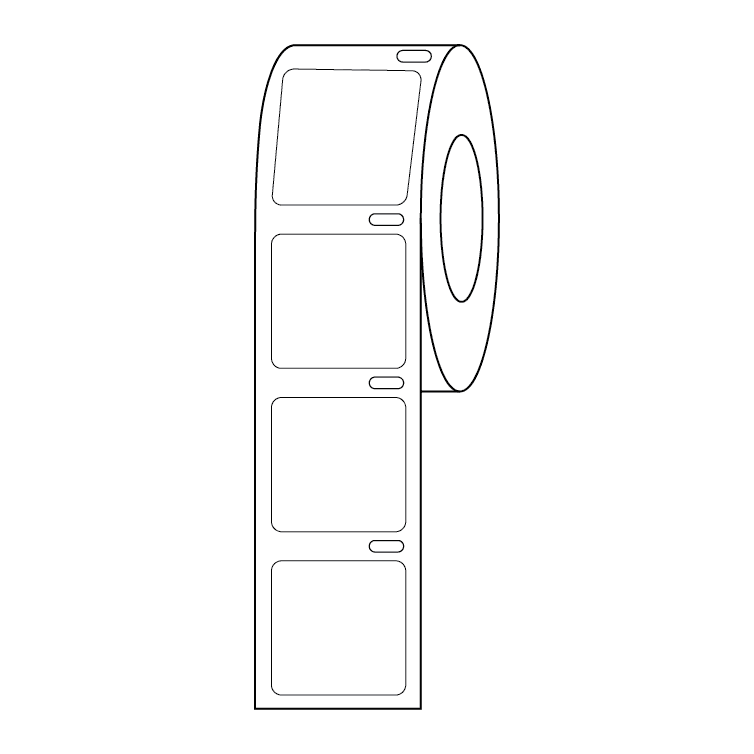
Showing 1 to 12 of 25 results
What Are Laboratory Labels, Tapes, and Printer Paper?
Laboratory labels, tapes, and printer paper are identification consumables engineered to maintain legibility and adhesion under conditions that destroy standard office labels — including liquid nitrogen immersion (−196 °C), −80 °C ultra-low freezers, autoclave cycles (121 °C/15 psi), chemical exposure, and repeated freeze-thaw cycling. The category spans four product families: cryogenic labels for long-term biobank and cell storage; thermal labels (direct-thermal and thermal-transfer) for barcode printing; general-purpose labeling tape for color-coding tubes, racks, and equipment; and tape dispensers for bench-top efficiency. Choose cryogenic labels for any sample stored below −20 °C; choose thermal labels when barcode or printed-text legibility must survive handling and chemical exposure.
What you will find:
-
Cryogenic Labels: Specialized stickers for secure sample tracking in liquid nitrogen and ultra-low freezers.
-
Labeling Tape: Color-coded adhesive rolls for quick visual identification of glassware and equipment.
-
Thermal Labels: High-contrast labels designed for smudge-free printing and long-term barcode readability.
-
Tape Dispensers: Ergonomic tools for rapid, one-handed application of laboratory tapes.
-
Printer Paper: High-quality rolls and sheets compatible with standard laboratory thermal and laser printers.
-
Laboratory Tape: Versatile adhesives that resist moisture, acids, and solvents without leaving residue.
How to Choose Laboratory Labels and Tape
Temperature Range Required
Cryogenic labels rated to −196 °C liquid nitrogen are required for biobanked cell lines, embryos, and specimens in LN₂ vapor-phase storage. For −80 °C freezer-only storage, deep-freeze labels rated to −80 °C (or higher) are sufficient and often cost less. Standard lab tape is unsuitable below −20 °C.
Print Technology Compatibility
Direct-thermal labels print without a ribbon and are convenient for low-volume, on-demand printing; however, the coating degrades with prolonged UV or heat exposure above 50 °C. Thermal-transfer labels use a resin or wax ribbon and produce barcode-quality output resistant to chemicals, abrasion, and temperatures up to +100 °C — preferred for GLP/GMP chain-of-custody documentation.
Surface and Container Type
Label dimensions must match the container: cryo vials (0.5–2 mL) typically use 25 mm × 13 mm or 33 mm × 13 mm labels; 15/50 mL conical tubes use 38 mm × 19 mm; microplates and PCR plates use sidewall-specific strips (38 mm × 6 mm). Confirm wrap-around vs. flat adhesion geometry before ordering.
Adhesive Type: Permanent vs. Removable
Permanent adhesives are standard for long-term biopreservation — they will not flag, peel, or migrate under cryogenic stress. Removable adhesives suit temporary color-coding, reagent dating, and equipment identification that needs relabeling. Autoclave-compatible removable tape leaves no residue after steam sterilization cycles.
Barcode and LIMS Compatibility
Labs running LIMS or automated sample management systems should confirm label dimensions and material against their scanner model (Zebra, Datamax, Brady, DYMO) and print mode (203 dpi vs. 300 dpi) before committing to a roll format. Cryo-rated direct-thermal labels from Globe Scientific and compatible brands carry validated barcode performance data.
Color-Coding and Volume
Labeling tape is available in 10+ colors for visual lane separation of sample sets, study groups, or hazard classifications. For bulk color-coding across hundreds of tubes or racks, rolls of 500–1,000 labels or 55-yard tape rolls reduce per-unit cost versus sheet formats.
Specifications Context
Cryogenic label performance is defined by two temperatures: the minimum application temperature (typically −80 °C for frozen-surface application) and the storage range (−196 °C to +100 °C). Thermal-transfer label adhesives use an acrylic-based formulation rated for the full −196 °C to +80 °C range; direct-thermal coatings typically tolerate −80 °C storage but degrade above 50–60 °C. Labeling tape widths range from 0.5 inch to 2 inches; 0.75-inch and 1-inch widths cover the majority of tube and rack labeling applications.
Avoid making a research puzzle out of a missing label. Request a quote from the MBP Team right now, and we'll help you leave a lasting impression.
FAQ