Laboratory Tape for Sample Labeling and Identification
Laboratory tape is a pressure-sensitive adhesive tape engineered to maintain bond integrity across extreme temperatures—from steam autoclaving at 121–134°C to liquid nitrogen storage at −196°C—and through chemical and solvent exposure that destroys standard adhesive tape. Formulations include vinyl-coated paper for bench labeling, polypropylene for autoclave and chemical resistance, and cryogenic-grade adhesives for ultra-low temperature use. Available in 15+ colors for sample color coding and in roll widths from 0.5 inch to 2 inches. MBP ships to labs across the US, Canada, and internationally and is a registered vendor for leading research institutions.
Need help selecting the right laboratory tape for your application? — Contact our team at customerservice@mbpinc.net for product recommendations, bulk pricing, and purchasing assistance.
Laboratory Tape
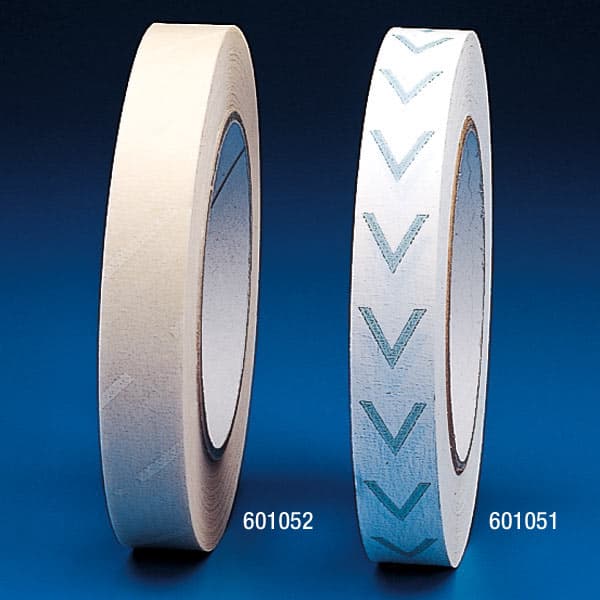
Showing 1 to 1 of 1 results
What Is Laboratory Tape?
Laboratory tape is an adhesive labeling solution designed to maintain performance under the demanding conditions commonly found in research, clinical, and industrial laboratories. Unlike standard office or packaging tape, laboratory tape is engineered to withstand extreme temperatures, sterilization cycles, moisture, and chemical exposure. The category includes general-purpose labeling tape for routine bench work, autoclave-resistant tape for steam sterilization up to 134°C, freezer and cryogenic tapes for ultra-low temperature storage, and color-coded tapes for sample identification and workflow organization. Vinyl-coated paper is commonly used for everyday labeling applications, while polypropylene-based tapes offer enhanced durability for sterilization and chemical exposure. Cryogenic tape should be selected whenever samples will be stored at −80°C or in liquid nitrogen, as standard laboratory tape typically loses adhesion below approximately −40°C.
What you will find:
-
Multi-color adhesive rolls for instant visual categorization.
-
Autoclave-safe tape that confirms sterilization at a glance.
-
Solvent-resistant tape built for harsh chemical exposure.
-
Low-temperature tape for secure cryogenic specimen storage.
-
Residue-free tape for clean removal from delicate glassware.
-
High-tack tapes for permanent equipment and shelf marking.
How to Choose Laboratory Tape
Temperature Rating
Temperature resistance is one of the most important selection criteria. General-purpose laboratory tape is suitable for routine labeling applications and typically performs between approximately −23°C and +80°C. Autoclave tape is designed to withstand repeated steam sterilization cycles at 121–134°C. Freezer-grade tape remains securely adhered in ultra-low temperature freezers down to −80°C, while cryogenic tape is specifically formulated to maintain adhesion at temperatures as low as −196°C in liquid nitrogen storage systems. Dual-purpose tapes are available for workflows that require both freezing and sterilization.
Substrate and Chemical Resistance
Tape carrier material affects durability and chemical compatibility. Vinyl-coated paper tape provides a writable surface, flexibility, and clean removal on glass, plastic, and metal surfaces during routine laboratory use. Polypropylene tape offers improved resistance to solvents, ethanol, disinfectants, and prolonged exposure to elevated temperatures. Laboratories working with aggressive chemicals should verify solvent compatibility before selecting a tape type.
Residue-Free Removal
For reusable glassware, bottles, and laboratory containers, residue-free removal is an important feature. High-quality laboratory tapes are formulated to peel away cleanly without leaving adhesive residue that could interfere with future experiments or contaminate stored materials. This characteristic is especially valuable for containers that undergo repeated cleaning and sterilization cycles.
Color and Width Options
Laboratory tape is available in a wide range of colors to support sample identification, project tracking, researcher assignment, and hazard coding systems. Standard widths include 0.5 inch, 0.75 inch, and 1 inch, while wider formats are available for sealing larger containers, bags, and storage vessels. Many laboratories use color-coded labeling systems integrated with electronic inventory or laboratory information management systems to improve traceability and organization.
Specifications Context
When selecting laboratory tape, important specifications include temperature rating, adhesive performance, residue characteristics, carrier material, roll width, and chemical resistance. Vinyl, polypropylene, and specialty polymer carriers are available depending on the intended application. For sterilization workflows, autoclave tapes may also specify the number of sterilization cycles they can withstand before adhesion performance declines. Laboratories using indicator tapes for sterilization verification should confirm compliance with applicable sterilization standards and facility requirements. Cryogenic storage applications require tapes specifically rated for ultra-low temperatures to ensure labels remain attached and legible throughout long-term storage.
Ready to clear the clutter? Ask the friendly staff at MBP for a quote right now. We help you stick to your goals.
FAQ