Cryogenic Labels for Ultra-Low Temperature Sample Storage
Cryogenic labels are pressure-sensitive identification labels rated for storage in liquid nitrogen at −196 °C and ultra-low temperature freezers at −80 °C, used to maintain sample identity on cryo vials, microcentrifuge tubes, PCR plates, and freezer boxes in biobanking, cell-line storage, fertility clinics, and research labs. Available in direct-thermal and thermal-transfer printable formats on rolls or sheets, in sizes from 23 mm × 8 mm (0.2 mL PCR tubes) to 67 mm × 25 mm (bottles and boxes).
MBP supplies cryo labels to institutional accounts at Howard Hughes Medical Institute, MD Anderson Cancer Center, and Vanderbilt University, among others. Contact customerservice@mbpinc.net to request a quote today!
Cryogenic Labels
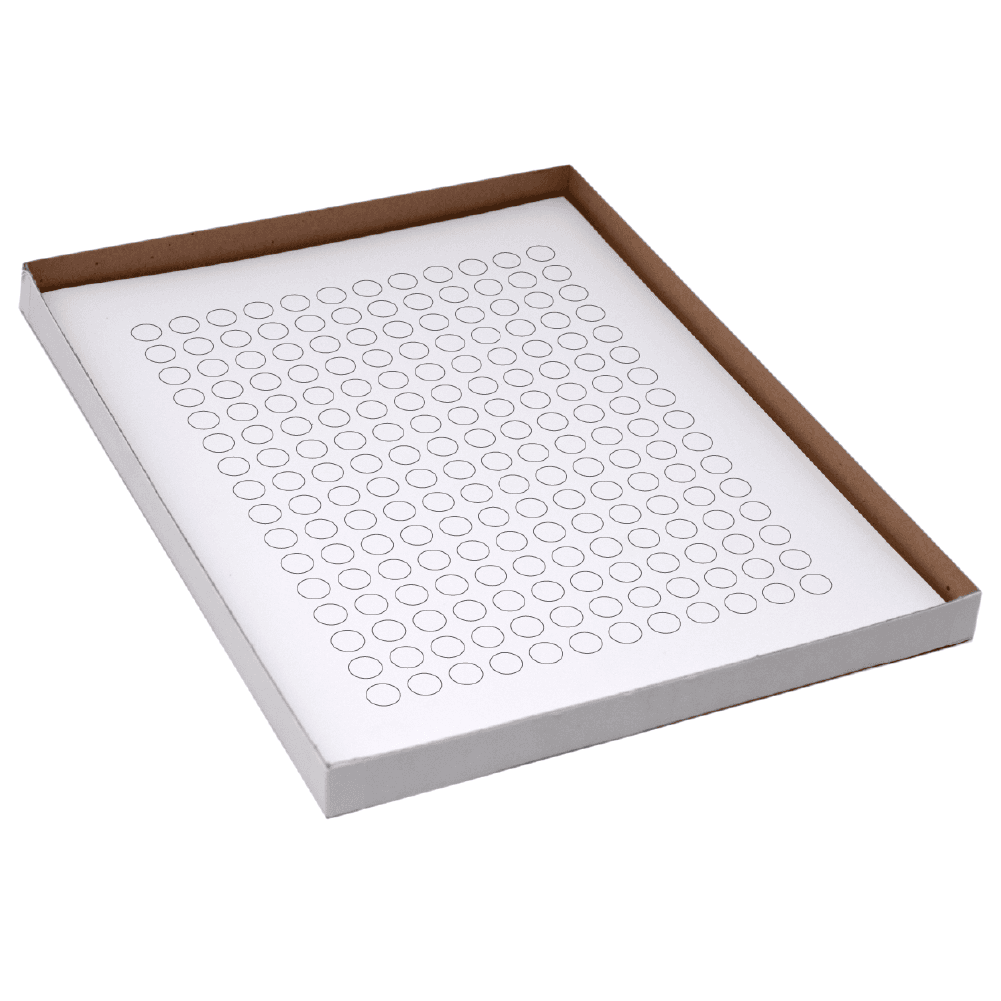
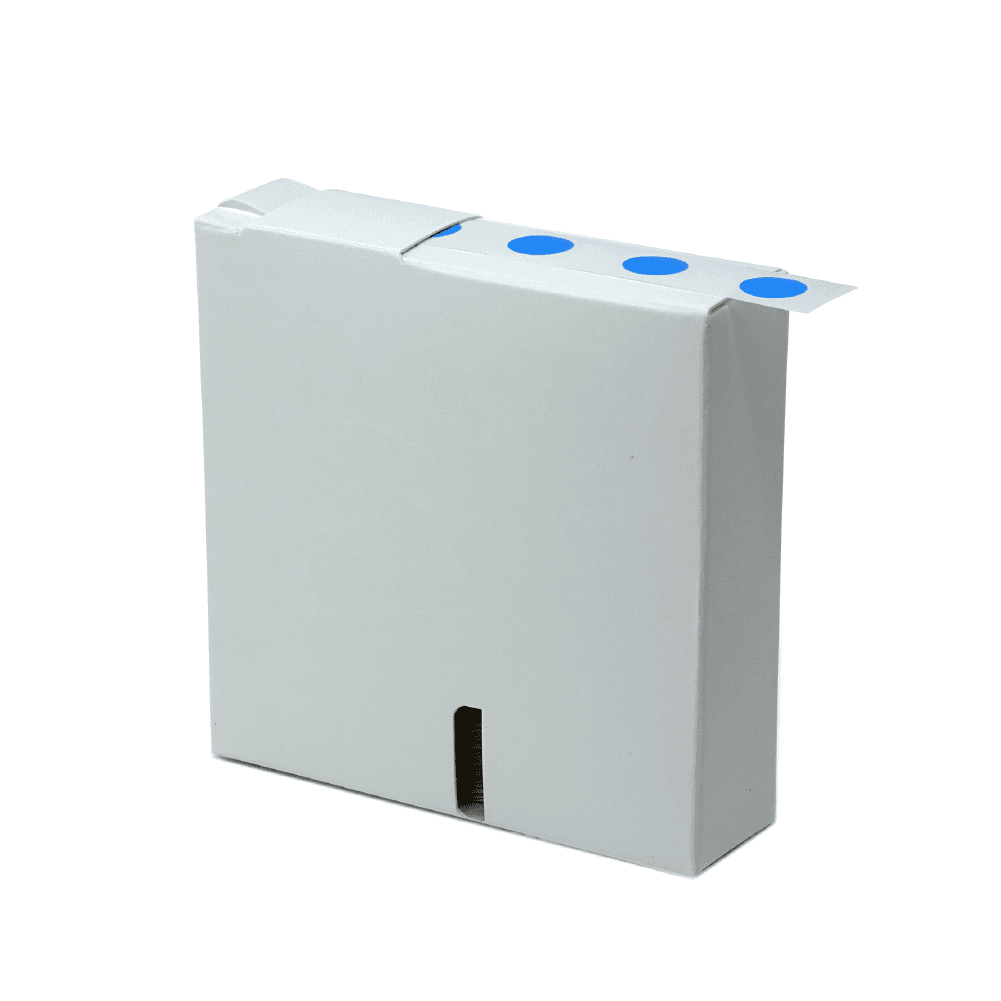
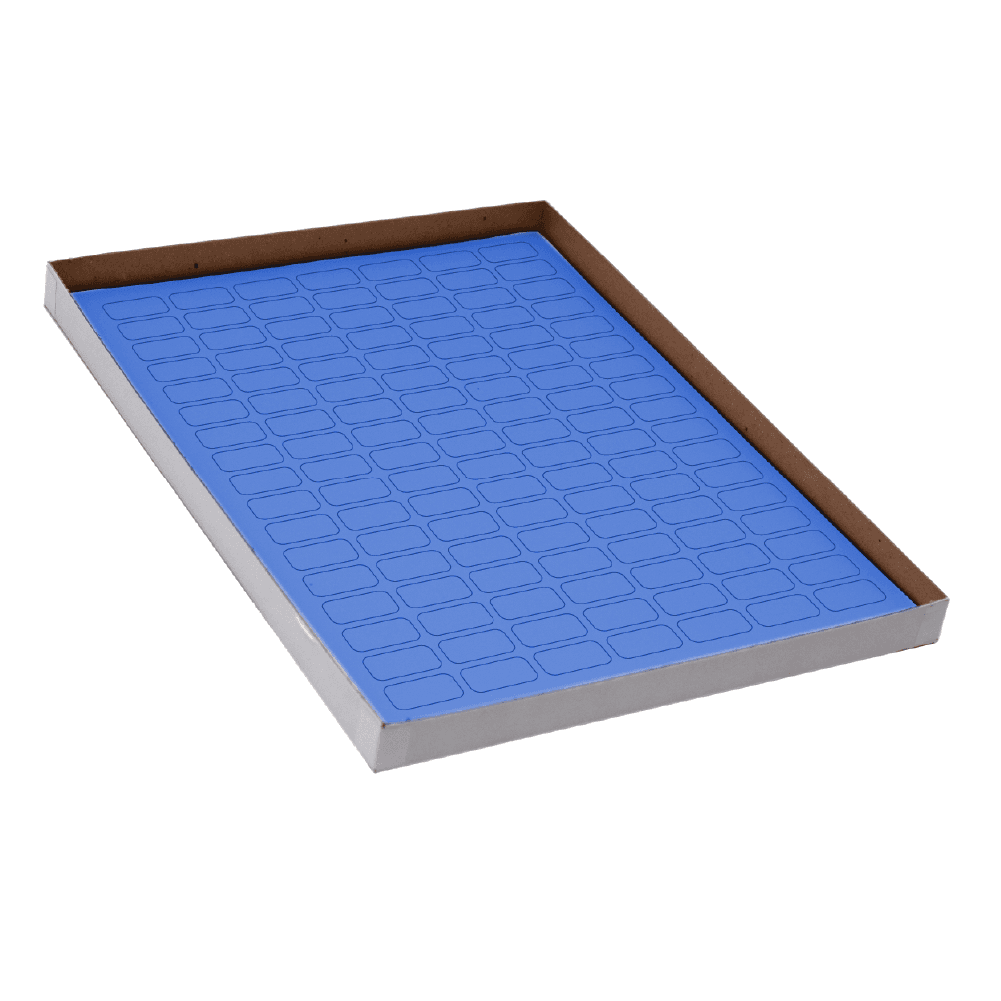
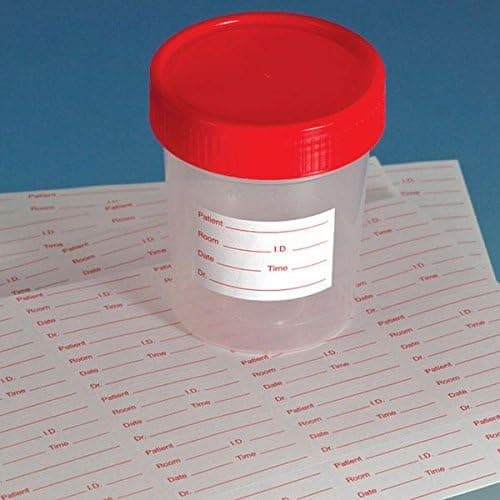
Showing 1 to 8 of 8 results
What Are Cryogenic Labels?
Cryogenic labels are adhesive identification labels engineered to maintain adhesion, legibility, and dimensional stability across the full temperature range encountered in biopreservation workflows: from frozen-surface application at −80 °C to long-term storage in liquid nitrogen at −196 °C, through transport on dry ice, and back to room-temperature processing. Standard office or general-purpose labels fail at −20 °C; cryogenic adhesives are acrylic-based formulations that remain pliable and adhesive down to −196 °C. Related product families include thermal labels, labeling tape, and tape dispensers for broader lab identification needs. For any biological sample stored below −20 °C, a cryogenic-rated label with verified adhesion specs is required to ensure sample traceability.
What you will find:
-
Liquid nitrogen-resistant labels for secure storage in cryogenic tanks.
-
Thermal transfer labels for smudge-proof, high-resolution barcode printing.
-
Wrap-around labels to ensure secure adhesion on small diameter microtubes.
-
Color-coded cryo labels for quick visual categorization of samples.
-
Laser-printable sheets for easy customization and bulk labeling tasks.
-
Chemical-resistant labels that withstand alcohol and laboratory solvents.
How to Choose Cryogenic Labels
Storage Temperature Range
Confirm whether samples will be stored in LN₂ liquid phase (−196 °C), LN₂ vapor phase (−150 °C), −80 °C deep-freeze, or −20 °C freezer. Labels rated to −196 °C are suitable for all tiers; labels rated only to −80 °C cost less but cannot be used in LN₂ tanks.
Print Technology: Direct-Thermal vs. Thermal-Transfer
Direct-thermal cryo labels print without a ribbon (compatible with Zebra, DYMO, Brady direct-thermal printers) and are convenient for on-demand printing in lower-volume workflows. Thermal-transfer cryo labels use a resin ribbon to achieve sharper barcodes, chemical resistance (ethanol immersion up to 15 minutes, xylene up to 30 minutes), and temperature resistance up to +100 °C — required for GLP/GMP chain-of-custody documentation.
Application to Frozen vs. Ambient Surfaces
Standard cryo labels must be applied at room temperature before freezing. Specialized frozen-surface labels (often called CryoSTUCK or equivalent) bond directly to vials at −80 °C without thawing — critical for re-labeling biobanked specimens without compromising viability.
Container Size and Shape
Labels must match the container geometry: cryo vials and microtubes require wrap-around labels with ≥6 mm overlap for adhesion on curved surfaces. PCR plates use sidewall or end-cap labels. Freezer boxes use flat larger-format labels. Confirm dimensions before purchasing a roll.
Permanent vs. Removable Adhesive
Permanent cryogenic adhesive is standard for long-term biopreservation — it will not migrate or detach under repeated freeze-thaw cycling. Removable cryo adhesives are available for temporary sample identification that may need relabeling.
Specifications Context
Cryogenic label polyester facestocks are typically 50–100 µm thick and dimensionally stable across the −196 °C to +100 °C range. Acrylic-based cryogenic adhesives maintain ≥2 N/25 mm peel strength at −80 °C on polypropylene cryo vials (typical manufacturer-verified spec). Label rolls are supplied on 1-inch or 3-inch cores, 250–1,000 labels per roll depending on label size.
Don't let your research go cold because of a missing label. Ask the MBP Team for a quote. We make sure your data stays stuck exactly where it belongs.
FAQ