Thermal Labels for Laboratory Sample Identification and Tracking
Thermal labels for laboratories are printable adhesive labels manufactured for direct-thermal or thermal-transfer desktop printers, used to generate barcodes, specimen IDs, lot numbers, and chain-of-custody records on tubes, slides, plates, bags, and storage containers. Available in roll and sheet formats, on 1-inch and 3-inch cores, in sizes compatible with 0.2 mL PCR tubes through 50 mL conical tubes.
MBP supplies thermal label formats, including Globe Scientific direct-thermal rolls for US and Canadian institutional accounts. Contact customerservice@mbpinc.net to request a quote today!
Thermal Labels
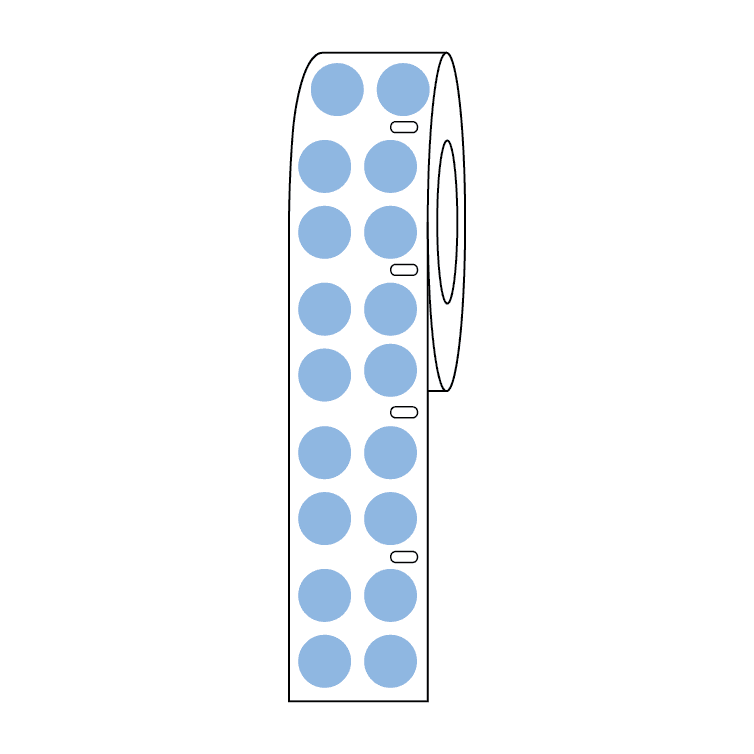
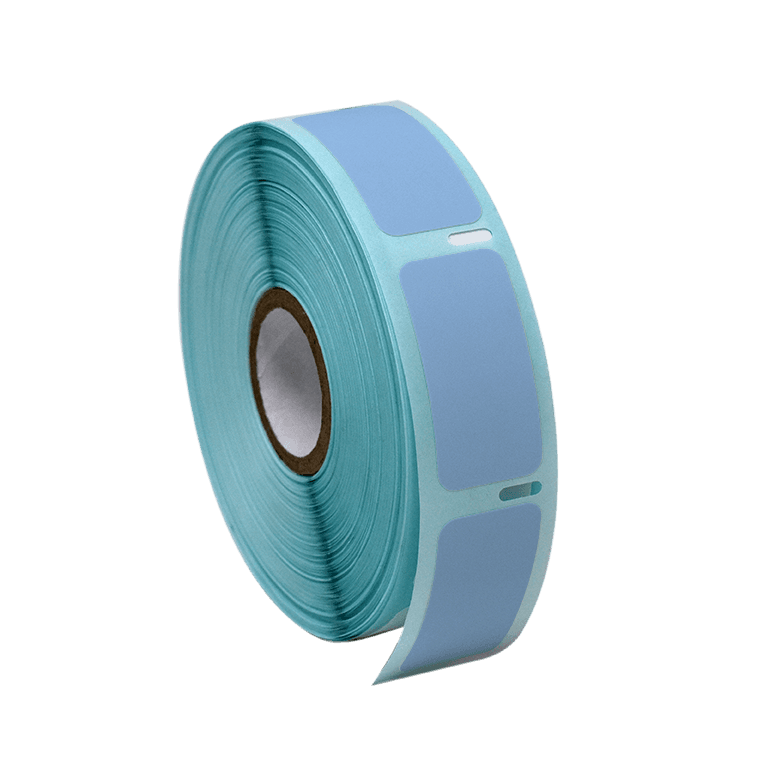
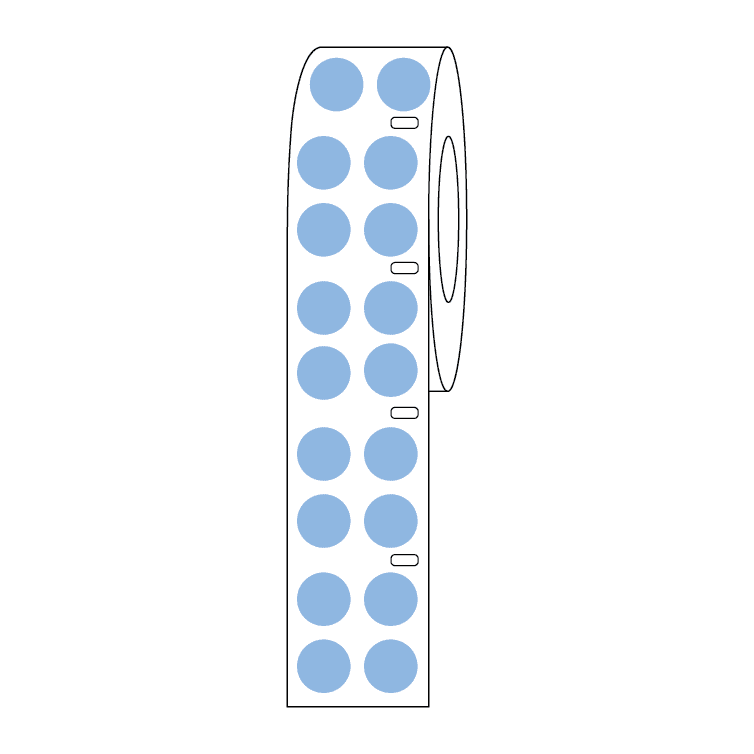
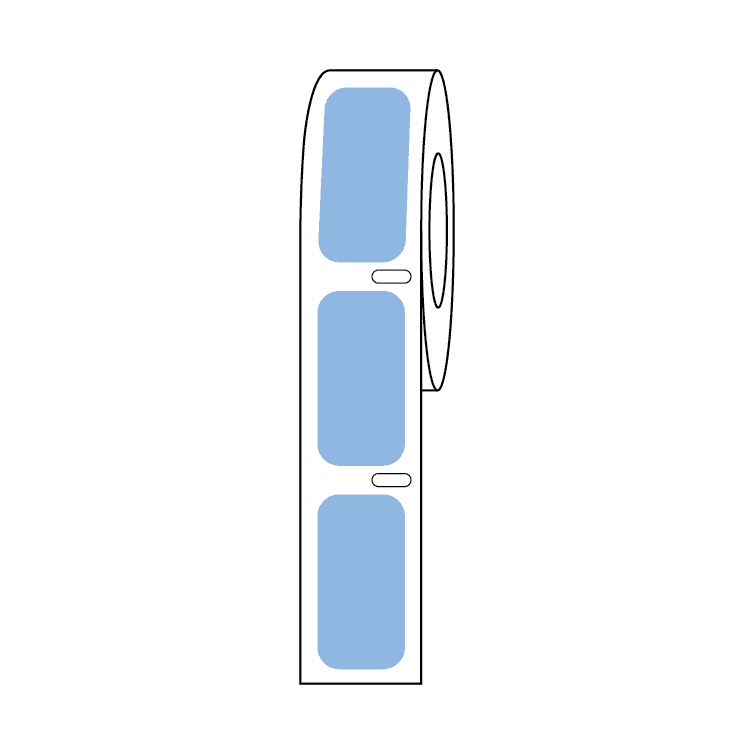
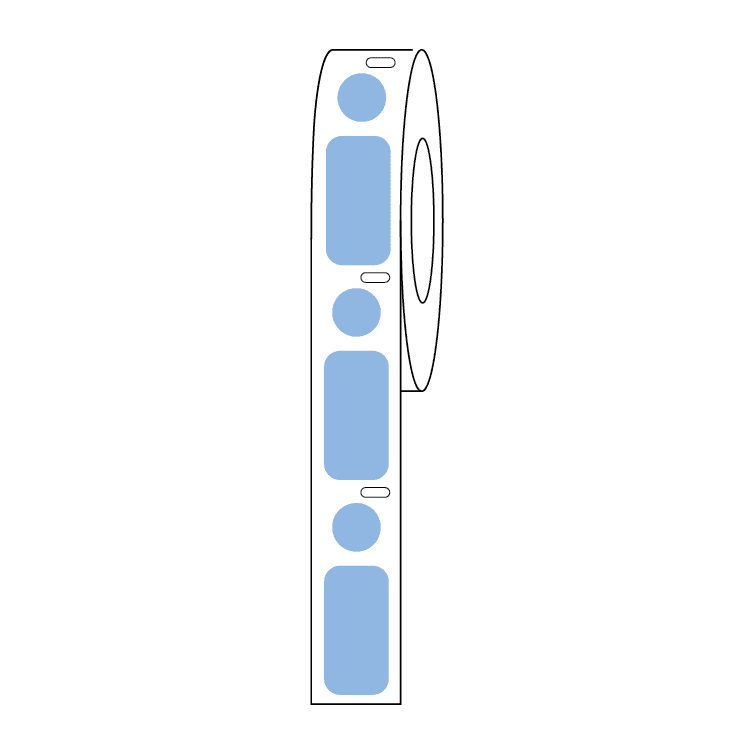
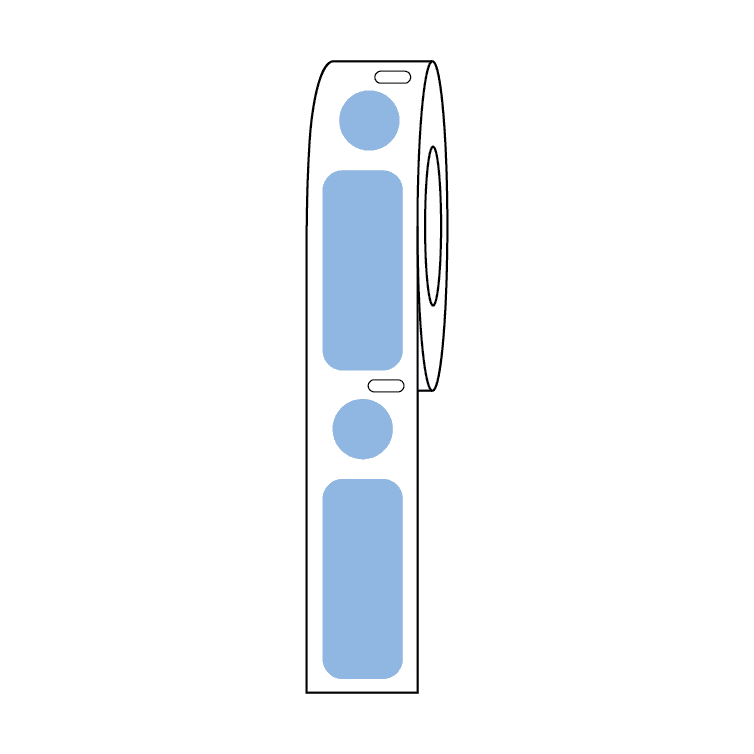
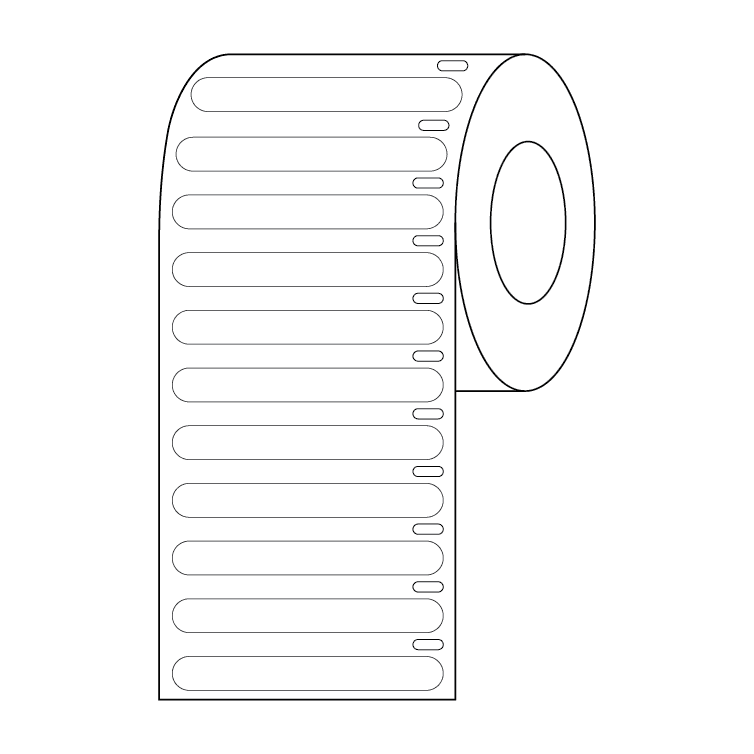
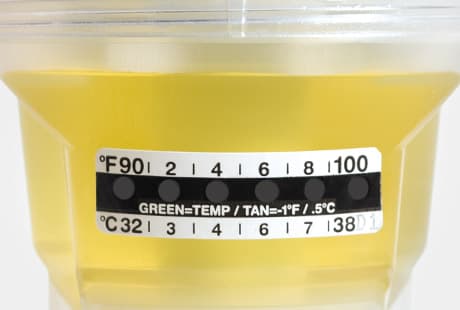
Showing 1 to 8 of 8 results
What Are Laboratory Thermal Labels?
Laboratory thermal labels are adhesive labels designed for printing by direct-thermal or thermal-transfer desktop label printers — the two print technologies used for barcode and specimen ID generation in research, clinical, and diagnostic labs. Direct-thermal labels activate a heat-sensitive coating to produce an image without ink or ribbon; thermal-transfer labels use a resin or wax ribbon to fuse ink into the label surface. Thermal labels cover a wide range of container types: cryo vials, microcentrifuge tubes, PCR strips, 15/50 mL conicals, microscope slides, and specimen collection bags. Choose thermal-transfer labels for any sample requiring chemical resistance, temperatures above +50 °C, or long-term barcode legibility; choose direct-thermal for low-cost, short-to-medium-term applications.
What you will find:
-
Direct thermal labels for quick, ink-free sample identification.
-
Thermal transfer rolls for high-durability, permanent barcode printing.
-
Solvent-resistant labels that withstand alcohol and cleaning agents.
-
Freezer-grade thermal stickers for stable low-temperature archiving.
-
Perforated label rolls for easy tearing and rapid application.
-
Various sizes tailored for microtube caps and side-wall labeling.
How to Choose Laboratory Thermal Labels
Print Technology Compatibility
Confirm whether the printer is direct-thermal (no ribbon required, e.g., Zebra GK420d, DYMO LabelWriter) or thermal-transfer (ribbon required, e.g., Zebra ZT230, Datamax M-Class). The two label types are not interchangeable — a thermal-transfer label will not print correctly in a direct-thermal printer and vice versa.
Temperature and Chemical Exposure
Direct-thermal label coatings degrade above approximately 50–60 °C and with prolonged UV exposure, limiting their use to room-temperature and short-term cold storage applications. Thermal-transfer labels with a resin ribbon produce output resistant to temperatures up to +100 °C, ethanol, xylene, and sanitizing wipes — required for autoclave tracking, histology, and GLP-regulated sample management.
Container and Size Match
Label dimensions must match the printable area of the label and the geometry of the container. Common lab thermal label widths are 0.5–2 inches; lengths are 0.25–3 inches. Verify dimensions against the container's flat-printable surface, accounting for any wrap-around on curved vials.
Roll Core and Printer Compatibility
Standard roll cores are 1-inch inner diameter for compact desktop printers; 3-inch cores fit high-volume industrial label printers. Confirm the printer's maximum roll diameter and label width capability before selecting roll format.
Material: Paper vs. Polyester
Paper-based thermal labels cost less and are suitable for ambient-temperature, short-duration applications (reagent dating, sample intake). Polyester thermal labels are moisture-resistant, more tear-resistant, and rated for demanding environments including freezers and chemical splash — specified for long-term specimen tracking and any application where label durability is a safety or compliance requirement.
Specifications Context
Direct-thermal label paper weight is typically 58–80 g/m²; polyester variants are 50–100 µm thick. Standard roll dimensions are 2.25 inches × 1.25 inches (common for specimen tubes) and 4 inches × 6 inches (common for shipping and larger specimen bags). Print resolution for lab barcode labels should be 300 dpi for 1D/2D barcodes on labels smaller than 1 inch × 0.5 inch — 203 dpi produces legible output on larger-format labels.
Stop struggling with faded barcodes. Ask the MBP Team for a quote right now, we help you make your data permanent.
FAQ