Deep Well Plates for High-Throughput Sample Processing and Storage
Deep well plates are SBS/ANSI-format polypropylene microplates with well volumes from 1.2 mL to 10 mL per well, used for nucleic acid extraction, protein precipitation, high-throughput sample storage, and automated liquid handling on Hamilton, Tecan, and Beckman platforms. Available in 24-well, 96-well, and 384-well formats; certified DNase-free, RNase-free, and PCR-inhibitor-free. MBP supplies labs across the United States, Canada, and internationally with PO and Quick Order procurement at mbpinc.net.
Need help selecting the right deep well plates for your workflow? Contact customerservice@mbpinc.net for product recommendations, pricing, and procurement support.
Deep Well Plates



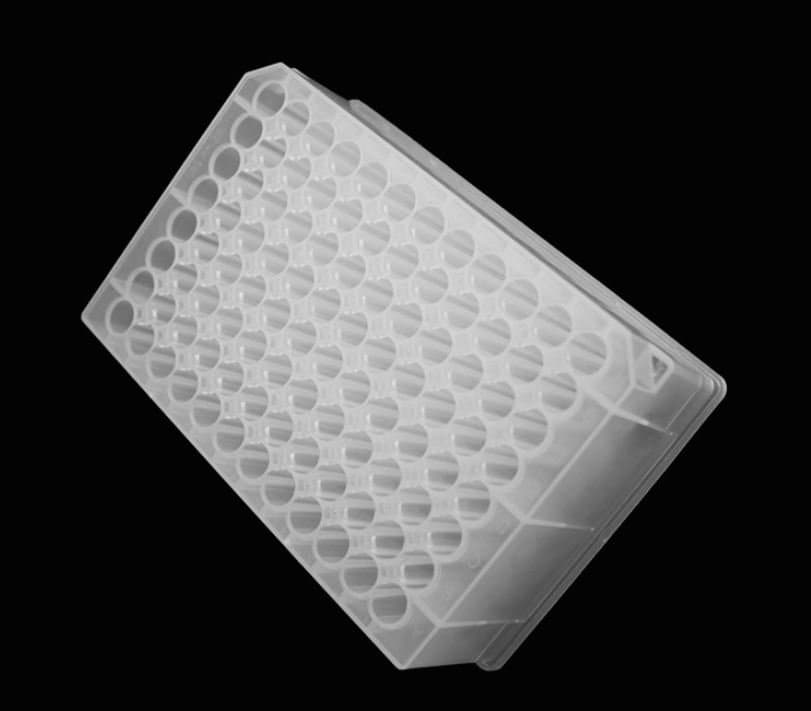


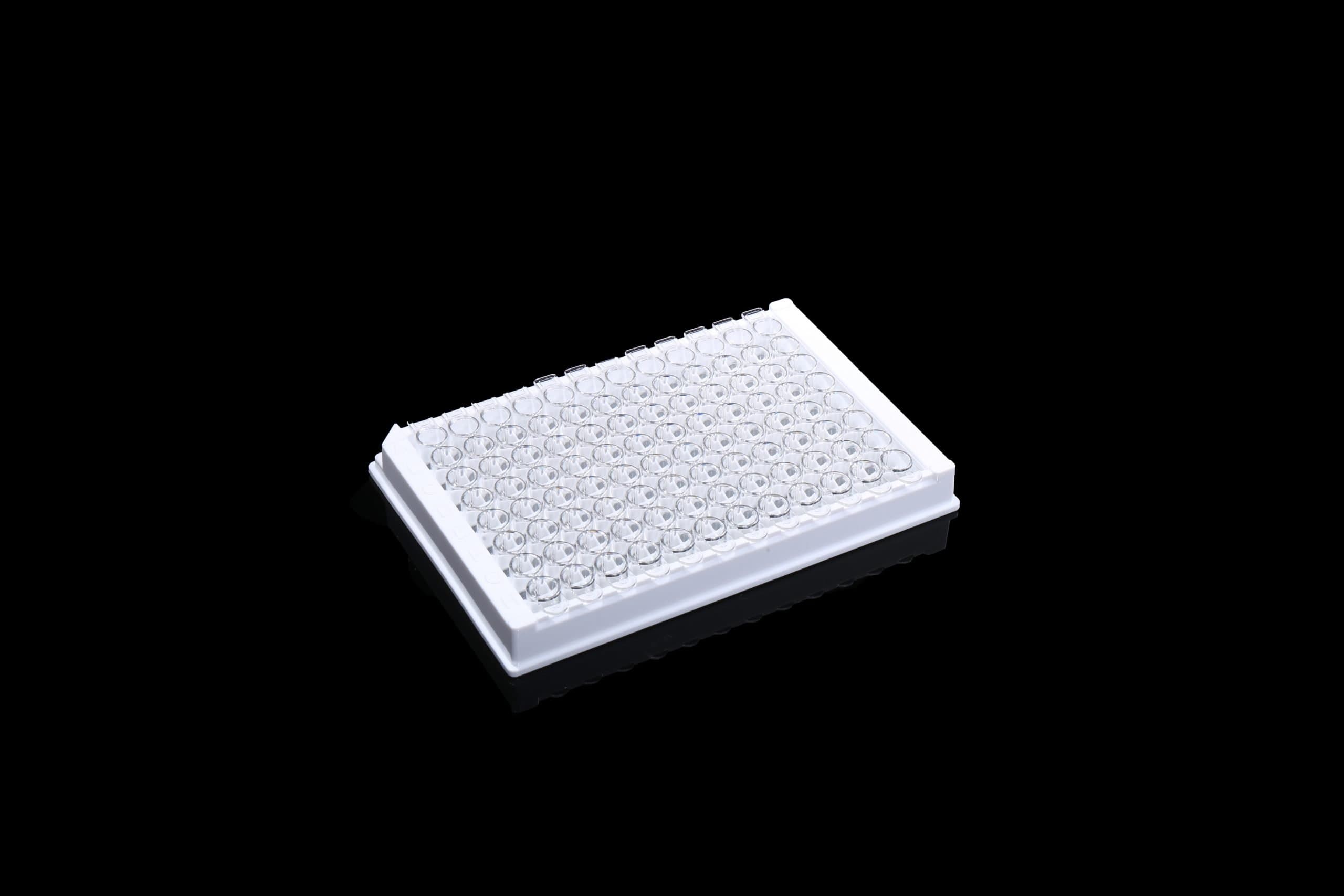
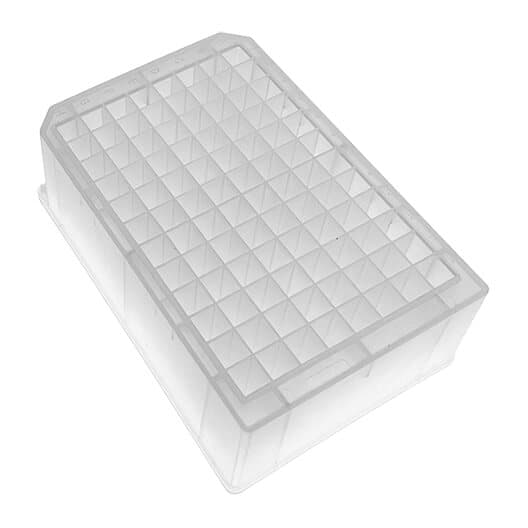
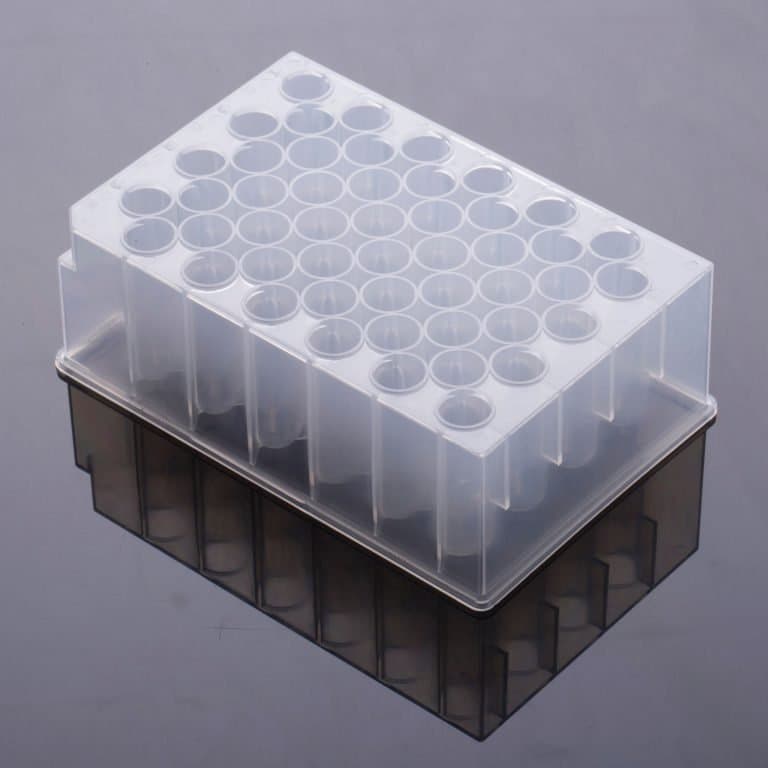
Showing 1 to 12 of 15 results
What Are Deep Well Plates?
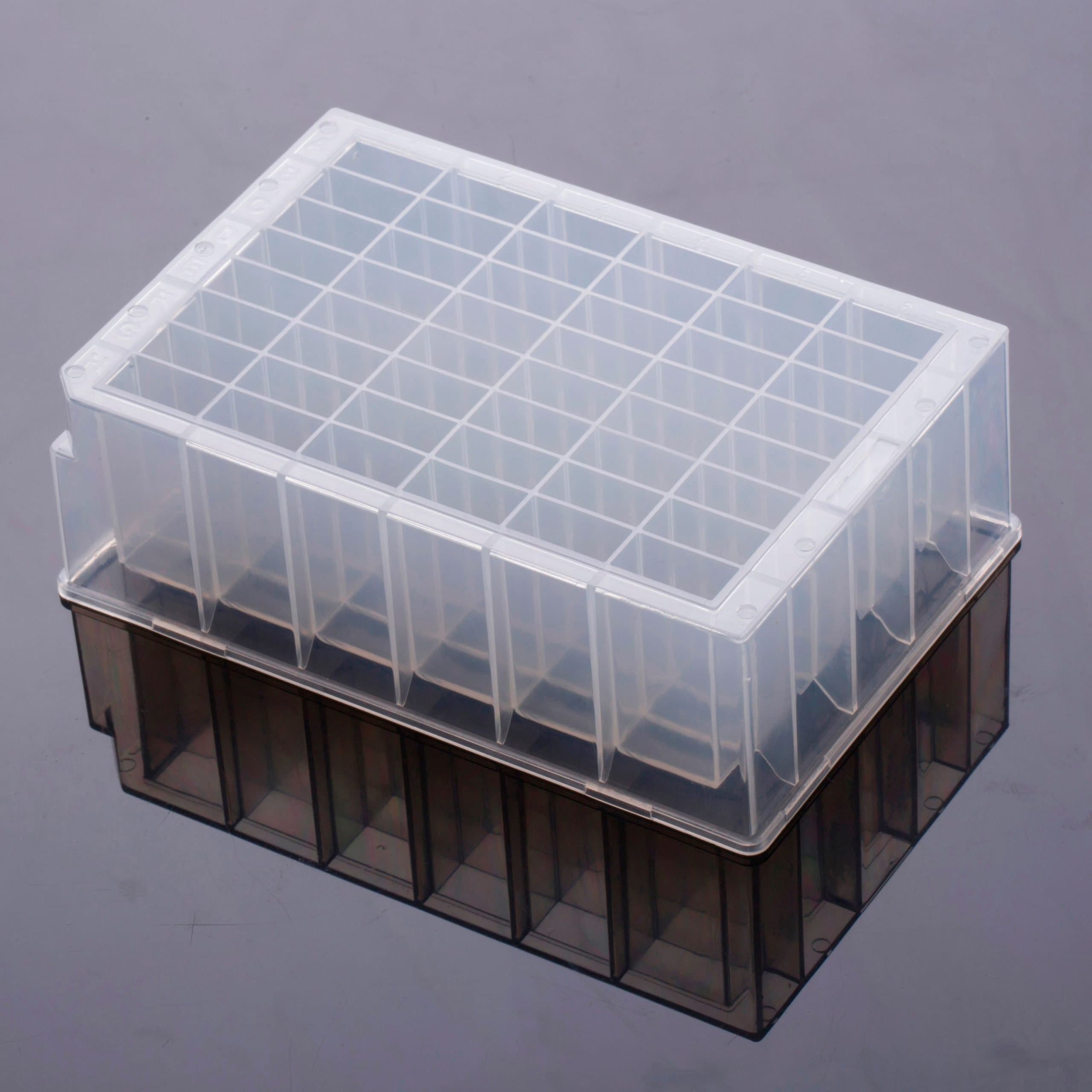
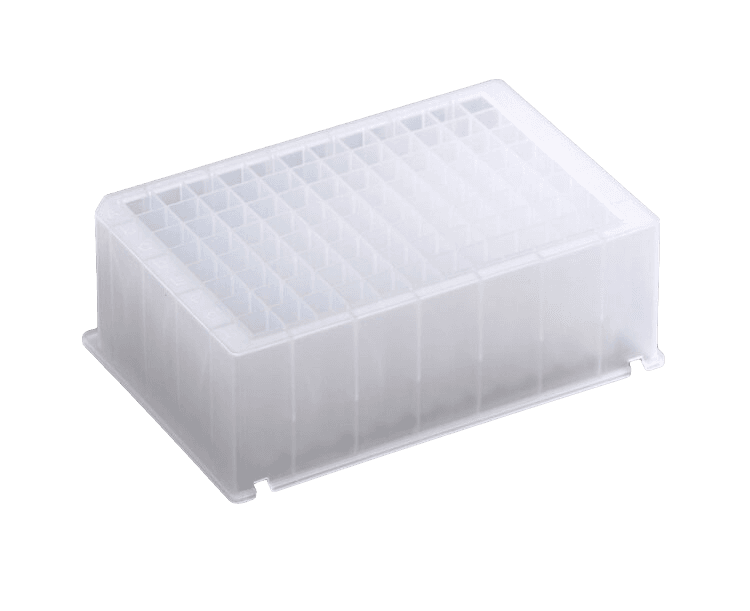
Deep well plates are polypropylene microplates built to the SBS/ANSI footprint (127.76 × 85.48 mm) but designed with significantly larger well capacities than standard PCR or ELISA plates. Typical formats include 1.2 mL, 2.0 mL, and 2.2 mL per well in 96-well configurations, with larger formats such as 10 mL per well in 24-well plates. These plates are widely used in high-throughput laboratory workflows including nucleic acid extraction, protein precipitation, compound storage, microbial culture, and automated liquid handling systems.
Polypropylene construction provides strong chemical resistance, compatibility with organic solvents, and low non-specific binding of DNA, RNA, and proteins, making these plates suitable for both biological and chemical applications.
At MBP, you will find:
-
Immunoassay - High-binding surface plates designed specifically for sensitive diagnostic assays and reliable protein binding.
-
Round Well Deep Well Plates - Versatile plates featuring round-bottom geometry for improved mixing and maximum sample recovery.
-
Square Well Deep Well Plates - High-volume storage solutions with square well designs to increase capacity while maintaining a standard footprint.
-
Kingfisher Plastics - Fully compatible KingFisher Flex and Presto plastics including 96-well plates and tip combs for automated extraction.
How to Choose Deep Well Plates
Well Volume and Plate Format
Selection depends primarily on sample volume and workflow scale. The 96-well 2.0 mL format is the most widely used in nucleic acid extraction and biobanking due to its balance of capacity and automation compatibility. The 1.2 mL format is preferred when sample volume is limited or when instrument deck height restrictions apply. For scale-up applications such as microbial culture or large-volume extraction, the 24-well 10 mL format is used. High-density screening applications commonly use 384-well plates with approximately 0.2 mL per well.
Well Geometry
Well shape significantly affects liquid handling performance. Round-bottom (U-bottom) wells improve pellet and magnetic bead recovery, making them ideal for bead-based extraction systems. Square wells maximize usable volume and are commonly used for storage and general-purpose workflows. V-bottom configurations enhance liquid recovery by minimizing dead volume during aspiration, particularly in automated liquid handling systems.
Sealing Options
Proper sealing is essential for evaporation control, contamination prevention, and centrifugation compatibility. Adhesive films are used for short-term storage and PCR workflows. Heat-seal foil membranes are preferred for high-speed centrifugation and automation. Silicone mats allow repeated access to samples in compound libraries, while pierceable seals are used for autosampler compatibility in analytical workflows.
Certification and Purity
High-quality deep well plates are manufactured from virgin polypropylene and certified DNase-free, RNase-free, DNA-free, and free of PCR inhibitors. Sterile variants (SAL 10⁻⁶) are required for microbiology and cell-based workflows. Automation-grade plates often include molded alphanumeric indexing (A–H, 1–12) to support sample tracking in robotic systems.
Compatibility with Automation Systems
Deep well plates are designed for compatibility with automated liquid handling platforms and centrifugation systems. Instrument-specific formats may be required for systems such as magnetic bead extractors and robotic workstations. Ensuring compatibility with your platform is essential to avoid alignment, height, or sealing issues.
Specifications Context
The SBS/ANSI microplate footprint standard (127.76 × 85.48 mm) ensures universal compatibility across major automation platforms, including liquid handling systems and plate readers from leading manufacturers. Polypropylene deep well plates are commonly rated for centrifugation forces up to 6,000 × g, depending on design and wall thickness, and are widely used in both research and diagnostic workflows.
For complementary applications, deep well plates are often used alongside ELISA and immunoassay plates in diagnostic workflows, as well as broader laboratory consumables for integrated sample processing systems.
Load your plates, run your assays, and trust your data every single time. Request a custom quote from the helpful team at Molecular Biology Products Inc. to get started.
FAQ