Immunoassay Plates for ELISA and Protein Detection Assays
Immunoassay plates are 96-well flat-bottom polystyrene microplates with treated surfaces designed for ELISA, competitive immunoassays, protein binding assays, and related detection workflows where analyte concentration is quantified via absorbance, fluorescence, or luminescence. Available in high-binding and medium-binding surface treatments, clear, black, and white, in solid and detachable 8-strip formats. MBP carries Nest Scientific ELISA plate lines and supplies labs in the United States, Canada, and internationally.
Looking for the right immunoassay plates for your assay workflow? Contact customerservice@mbpinc.net for product recommendations, pricing, and procurement support.
Immunoassay
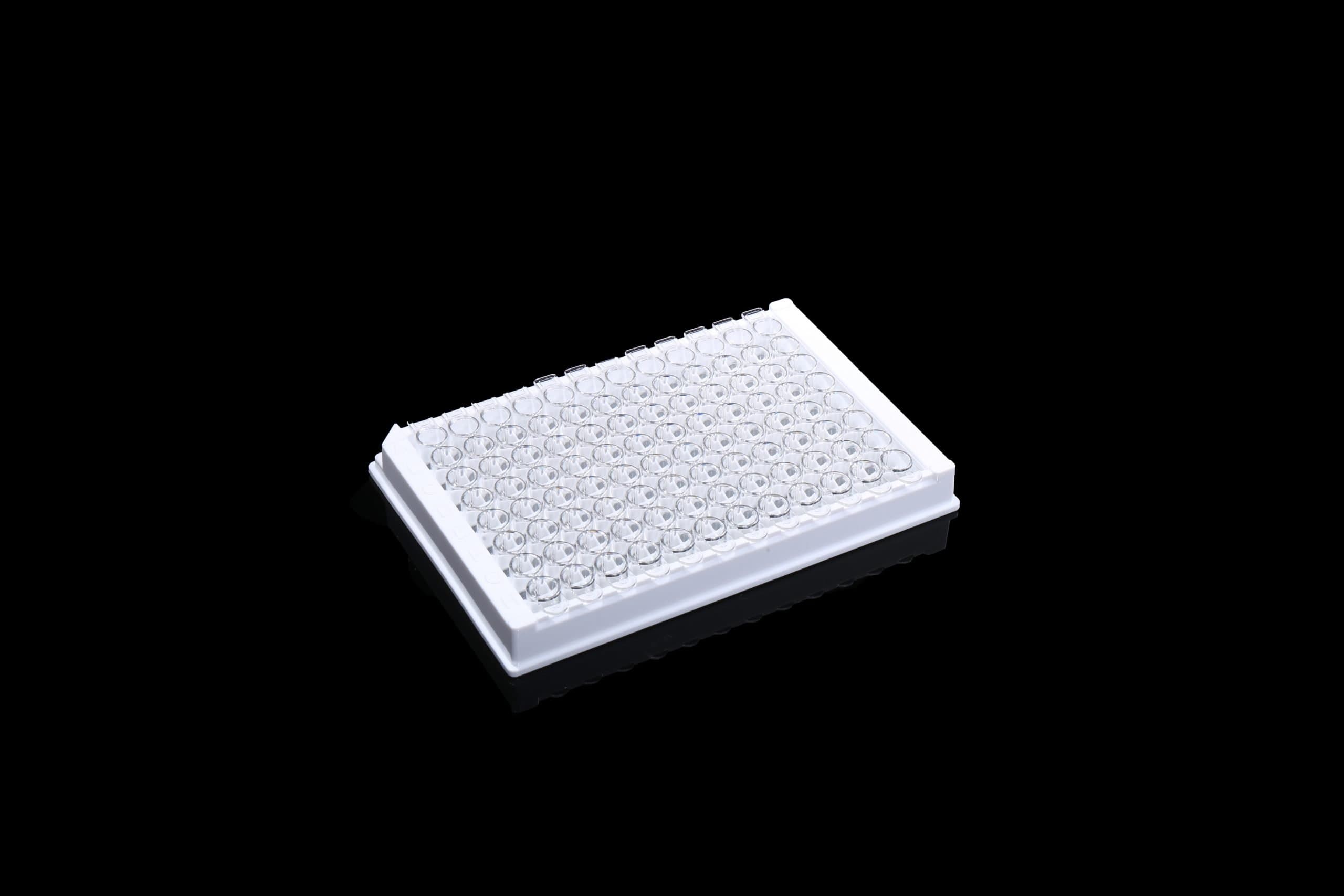
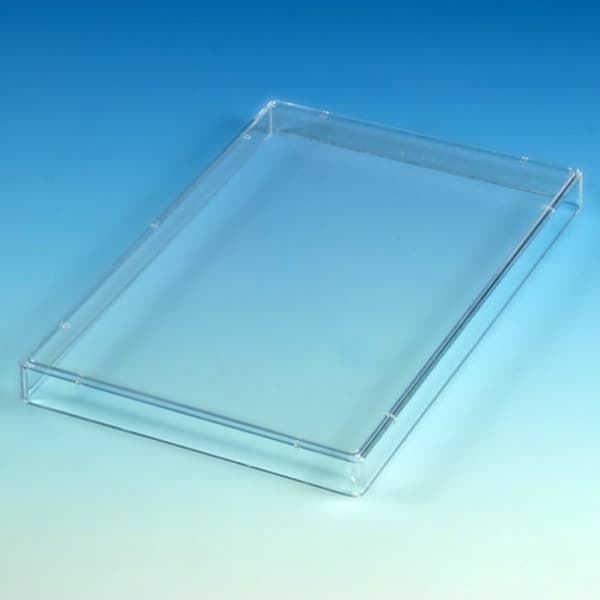
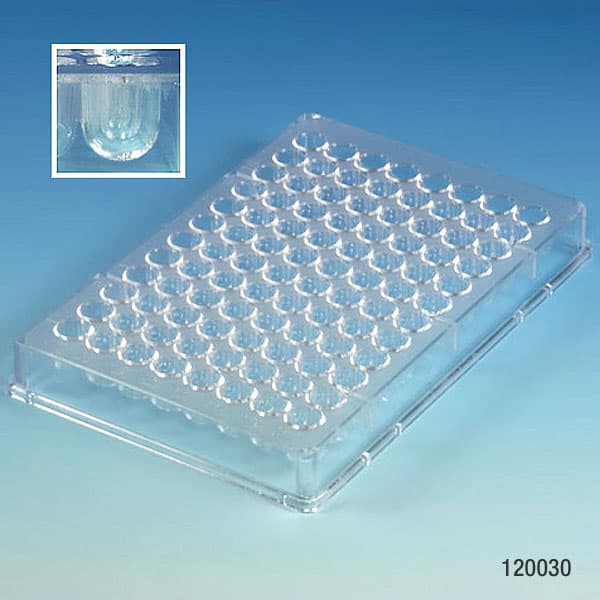
Showing 1 to 3 of 3 results
What Are Immunoassay Plates?
Immunoassay plates are specially treated 96-well polystyrene microplates designed to bind proteins such as antibodies, antigens, and other biomolecules to the surface of each well. They serve as the solid support for a wide range of analytical assays, including enzyme-linked immunosorbent assays (ELISA), indirect and competitive immunoassays, receptor-binding studies, cytokine detection assays, and cell-based screening applications.
Unlike deep well plates that are intended for sample preparation and storage, immunoassay plates feature chemically modified surfaces that promote protein adsorption and provide the optical clarity required for accurate absorbance, fluorescence, or luminescence measurements. Most immunoassay plates are manufactured to SBS/ANSI microplate standards, ensuring compatibility with automated liquid handlers, microplate washers, incubators, and plate readers used throughout research, clinical, pharmaceutical, and biotechnology laboratories.
In this section, You can find:
- 96 Well ELISA Plates for standardized assay protocols.
- Microtitration 96-Well Plates for versatile sample processing.
- Lids for Microtitration Plates to safeguard against evaporation.
How to Choose Immunoassay Plates
Binding Capacity
The binding level of the plate surface is one of the most important selection criteria. High-binding plates are the standard choice for sandwich ELISA and other assays requiring strong immobilization of capture antibodies or antigens. Medium-binding plates are often preferred for smaller proteins and peptides that may lose biological activity on highly adsorptive surfaces. Ultra-high-binding surfaces are available for low-abundance targets where maximum protein capture is required to improve assay sensitivity.
Plate Color
Plate color should match the intended detection method. Clear immunoassay plates are used for colorimetric assays measured by absorbance, such as traditional HRP-based ELISA. White plates enhance signal intensity in chemiluminescent and luminescence assays by reflecting emitted light back toward the detector. Black plates reduce background interference and are commonly used for fluorescence-based assays where minimizing light scatter is critical.
Detachable vs. Solid-Frame Plates
Detachable strip plates consist of individual 8-well strips that can be removed as needed, making them ideal for laboratories processing smaller numbers of samples. This format reduces reagent consumption and minimizes waste. Solid-frame plates provide greater rigidity and are preferred for automated workflows involving robotic handlers, washers, and readers where consistent plate positioning is essential.
Sterility and Quality Certifications
Most immunoassay plates are supplied non-sterile because sterility is not required for standard ELISA workflows. However, sterile versions are available for cell-based assays and applications requiring aseptic conditions. High-quality plates are commonly manufactured in controlled environments and certified DNase-free, RNase-free, pyrogen-free, and free from contaminants that could interfere with assay performance.
Reader Compatibility
Standard immunoassay plates are compatible with most microplate readers used for absorbance measurements at common wavelengths such as 405 nm, 450 nm, 570 nm, and 630 nm. For fluorescence and luminescence applications, users should confirm that the plate design and optical properties match the reader specifications and detection requirements.
Specifications Context
Immunoassay plates are typically manufactured from high-quality polystyrene and undergo specialized surface treatment to ensure consistent protein adsorption across all wells. High-binding surfaces commonly support protein adsorption levels exceeding 400 ng/cm², enabling reliable and reproducible assay performance. Most plates include alphanumeric well indexing to facilitate sample tracking and data management.
96-well high-binding flat-bottom immunoassay plates remain the industry standard for ELISA and related immunoassay applications across academic research laboratories, diagnostic testing facilities, pharmaceutical development programs, and biotechnology organizations. Detachable 8-well strip formats continue to be widely used in commercial ELISA kits because they provide flexibility while maintaining assay consistency.
For sample preparation and upstream workflows, immunoassay plates are often used alongside deep well plates and other laboratory consumables to support complete analytical and diagnostic workflows.
Choose your surface, load your samples, and capture reproducible data every time. Contact the helpful team at Molecular Biology Products Inc. for a quick quote.
FAQ