Specialized PCR Kits for Cell Culture Quality Control
Specialized PCR covers purpose-built PCR and qPCR kits for cell culture quality control applications, including Mycoplasma contamination screening and viral vector titer determination - that fall outside standard amplification, cloning, or gene expression workflows. These ready-to-use kits provide optimised master mixes, primers, and controls for routine laboratory quality assurance testing.
Academic researchers and core facility managers maintaining cell line and viral vector stocks benefit from MBP's range of specialized QC kits. Contact customerservice@mbpinc.net to request a quote today!
Specialized PCR
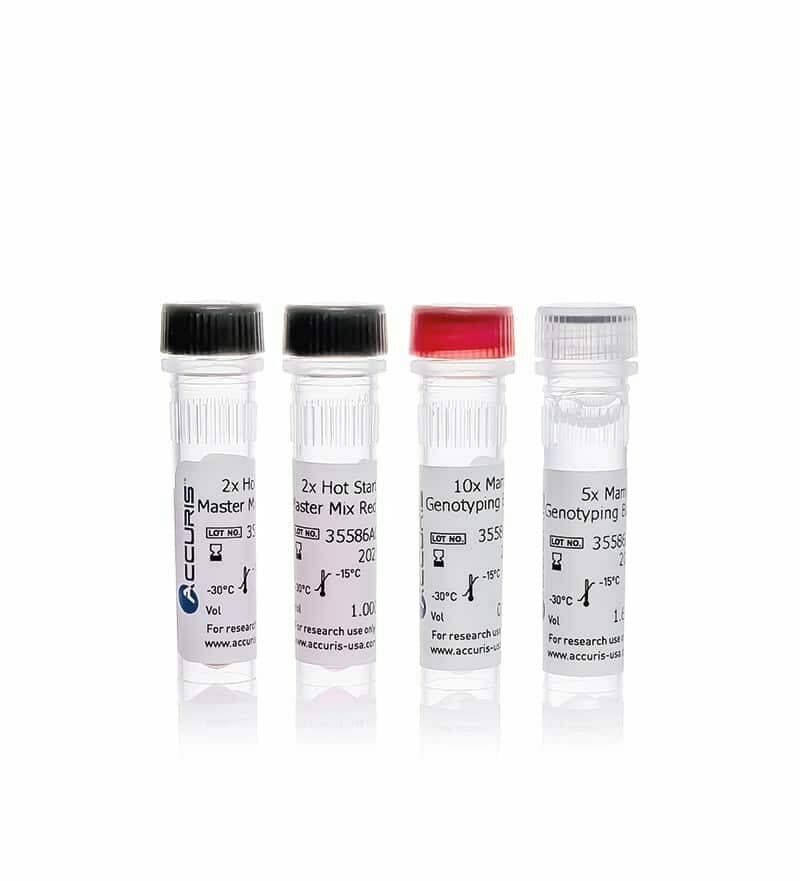
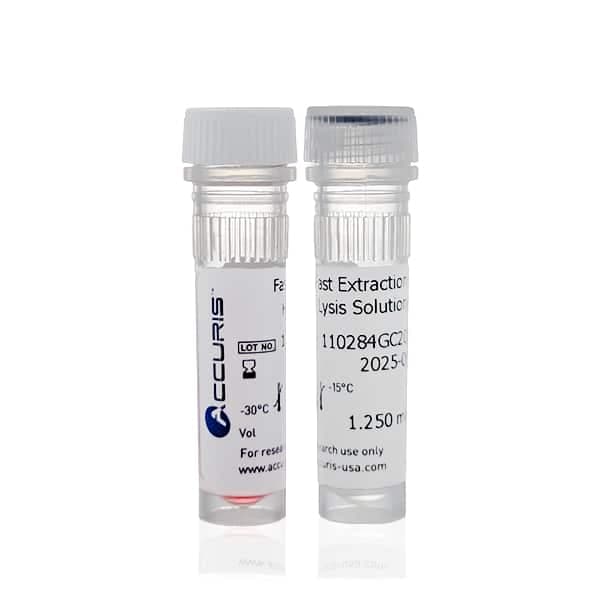

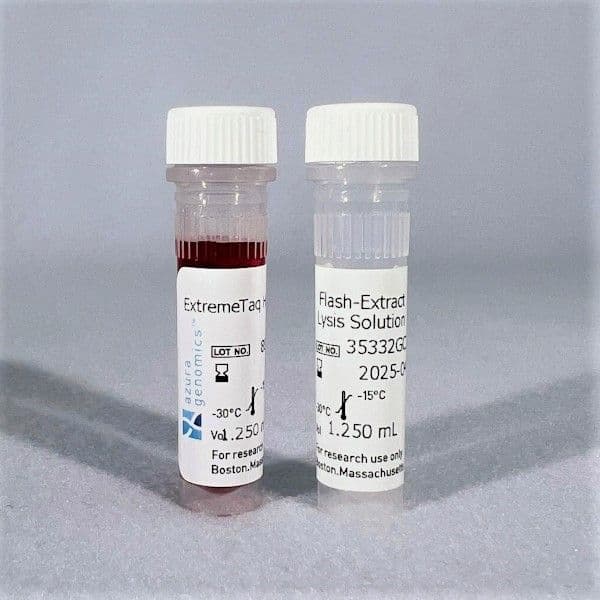
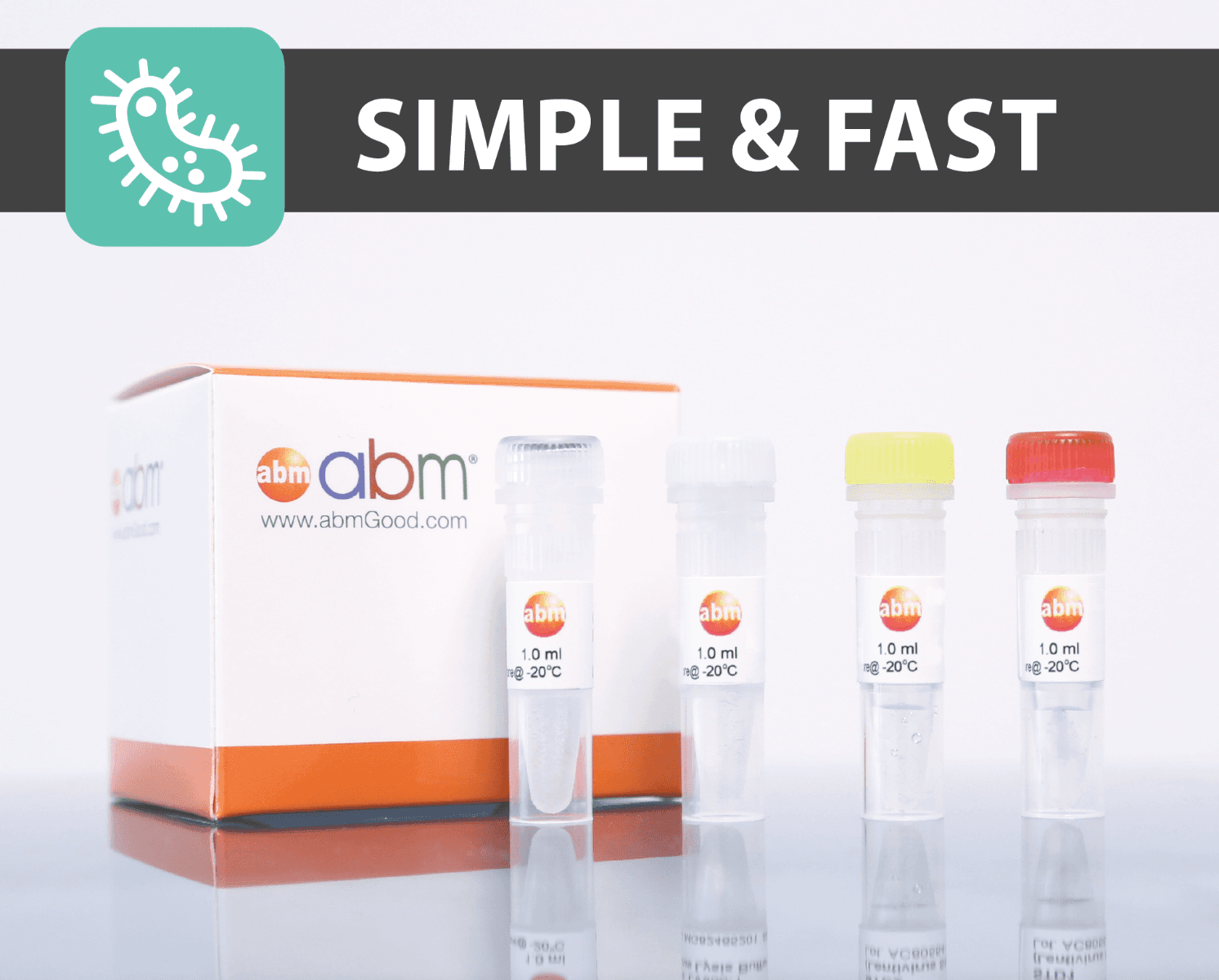

Showing 1 to 12 of 15 results
What Is Specialized PCR?
Specialized PCR groups purpose-built PCR and qPCR kits designed for specific cell culture quality control tasks rather than general amplification, cloning, or gene expression analysis. The two most common applications are Mycoplasma contamination screening, a routine requirement for maintaining reliable cell lines, and viral vector titer determination by qPCR, used to quantify lentiviral, AAV, or other viral preparations produced in-house. Use this category to find ready-to-use, purpose-built kits for cell culture QC tasks that complement, rather than replace, your general-purpose PCR and qPCR reagent stock.
What you will find:
-
Direct PCR Master Mixes: Fast systems such as Flash-Extract™ and Accuris Fast Extraction tailored for quick mammalian genotyping and direct-to-PCR processes without extensive DNA purification.
-
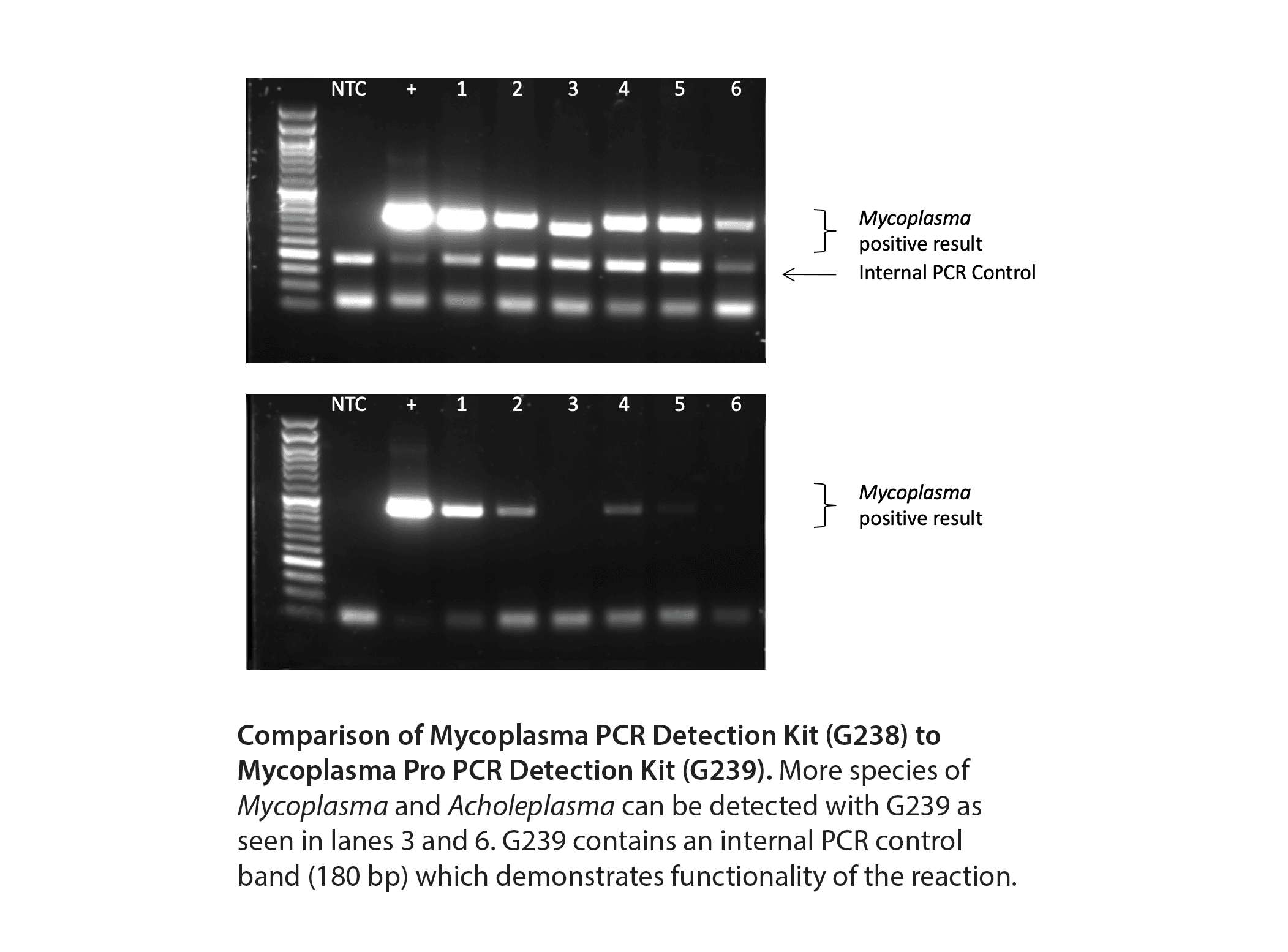
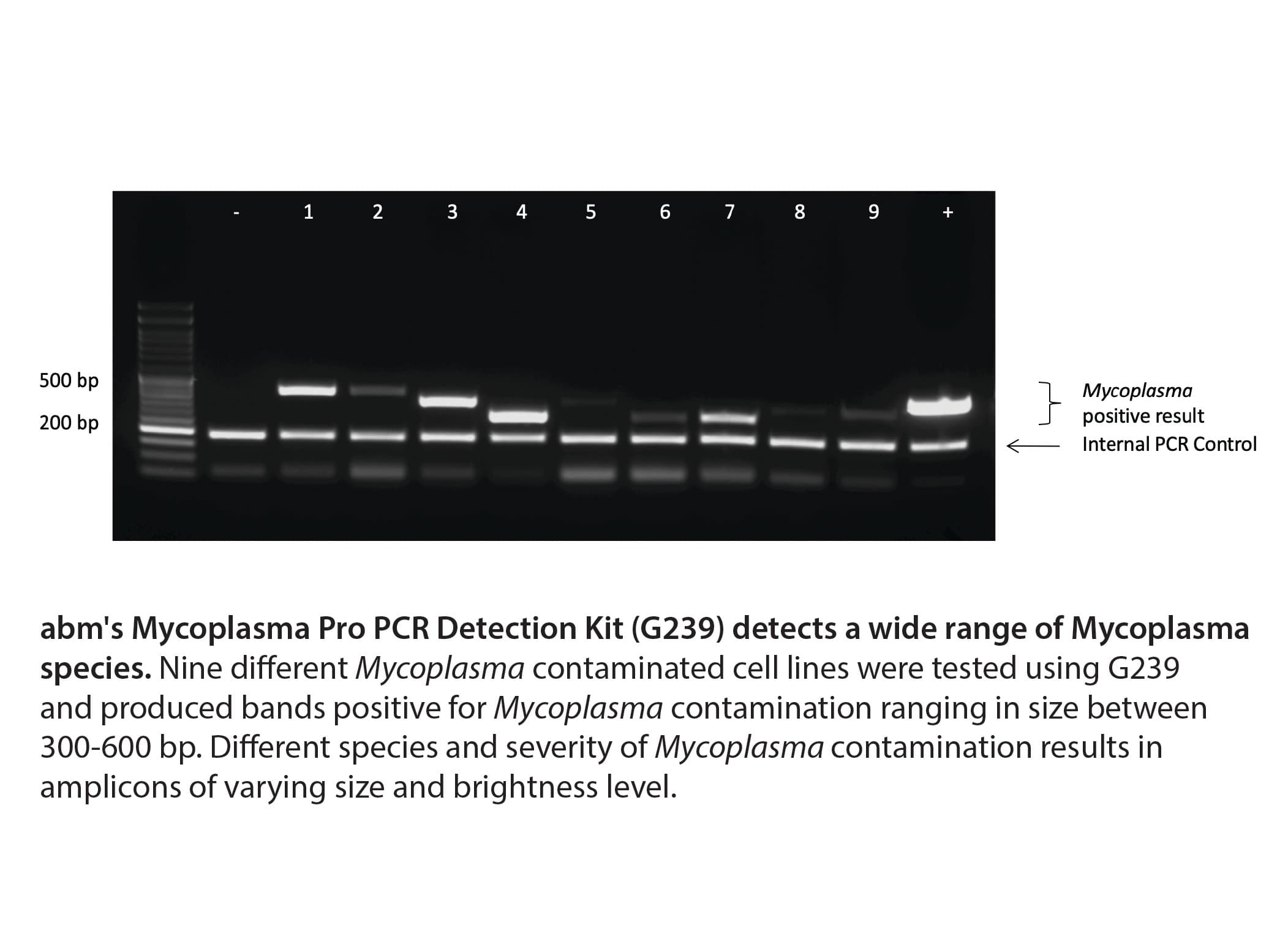
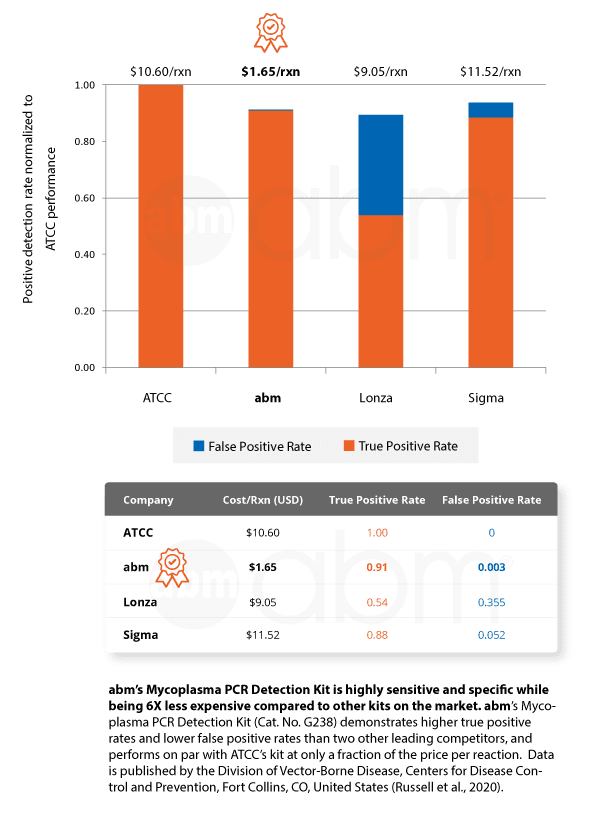
Mycoplasma PCR Detection Kit: High-quality screening and removal solutions—featuring Mycoplasma Pro and gDNA kits—designed to protect cell culture purity from hidden contamination.
-
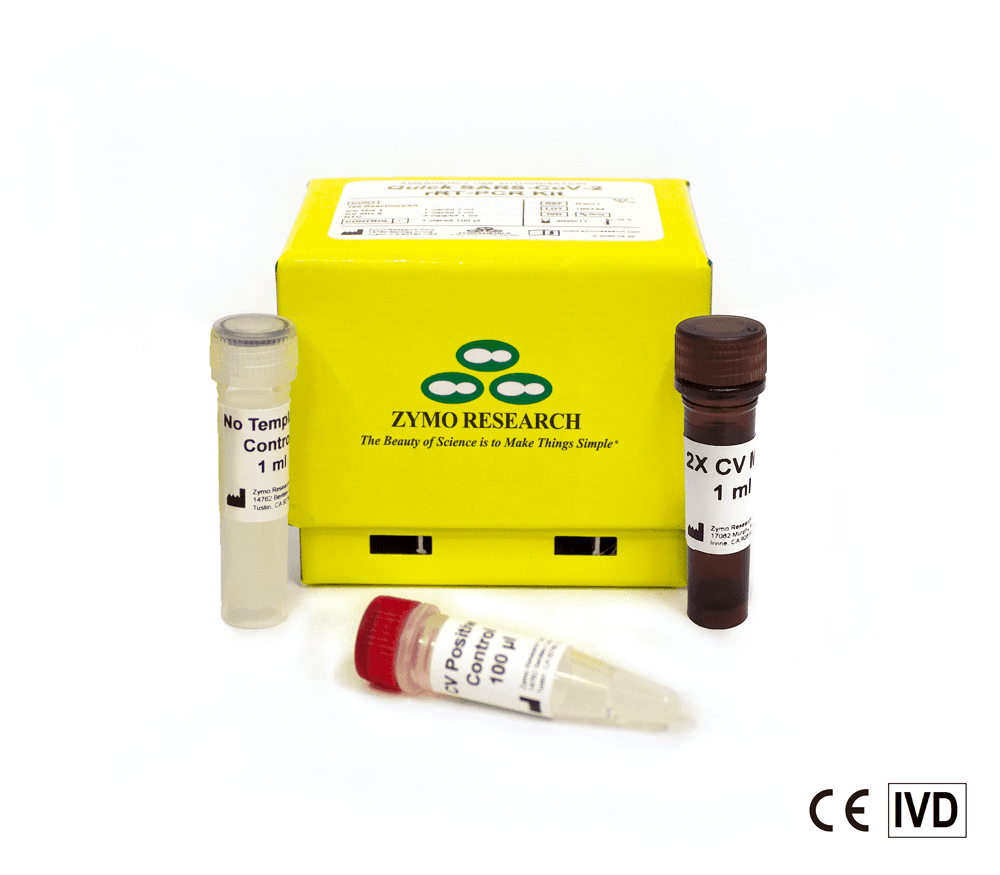
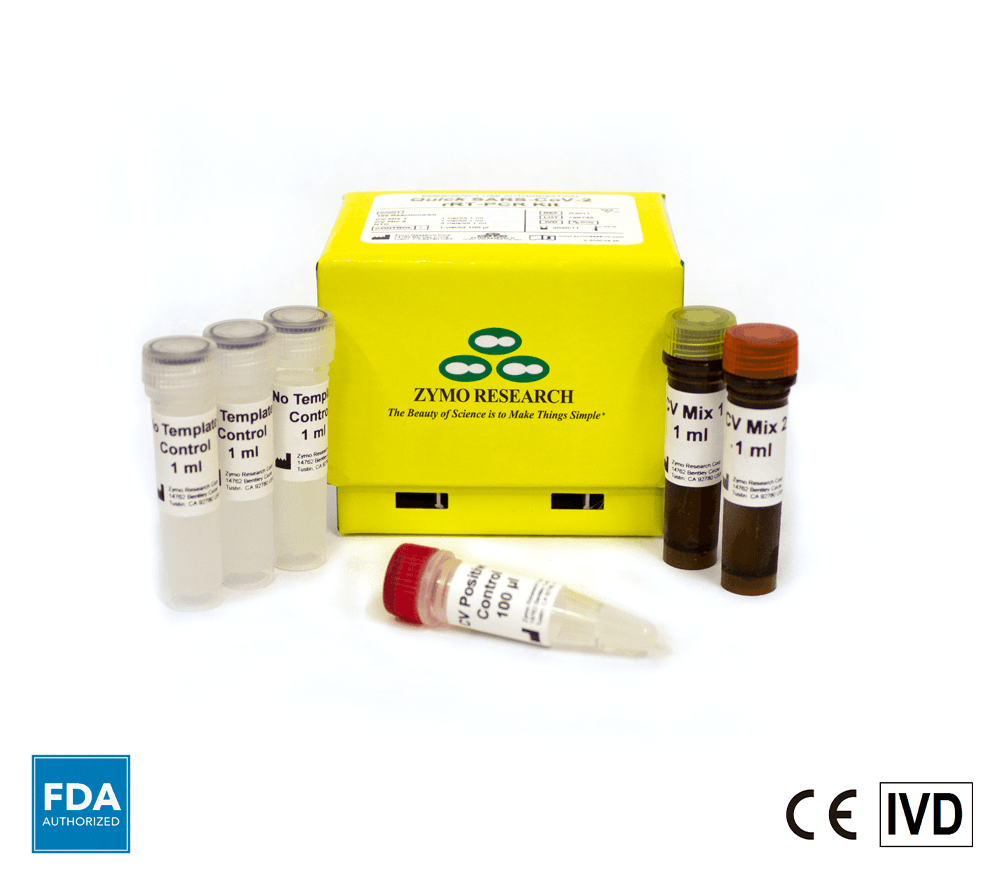
SARS-CoV-2: Verified rRT-PCR and Multiplex kits, including the Zymo Quick SARS-CoV-2 series, refined for precise viral RNA identification and extensive monitoring.
-
qPCR Titer Kits: Specialized quantitative tools for measuring exact viral loads in AAV production, Lentivirus, and Retrovirus vectors to guarantee precise dosing for gene delivery studies.
How to Choose Specialized PCR Kits
Mycoplasma Screening Needs
Mycoplasma PCR detection kits use highly specific primers targeting conserved rDNA regions to detect contamination across many Mycoplasma genera and species directly from cell culture media, typically without requiring DNA extraction -- essential for routine cell line quality assurance given Mycoplasma's prevalence as an undetected contaminant in cultured cells.
Viral Titer Determination Needs
qPCR titer kits quantify viral vector preparations -- commonly lentivirus, but also applicable to other viral vector types -- by measuring vector genome copy number via qPCR, providing a functional or genomic titer figure used to calculate appropriate MOI for downstream transduction experiments.
Detection Sensitivity Requirements
Mycoplasma detection kits vary in sensitivity, with some formats detecting as few as 10 genome copies directly from culture media, while standard formats may have a higher detection threshold. Select the sensitivity level based on how early in a contamination event detection is required.
Workflow Speed
Both Mycoplasma PCR detection kits (results in roughly 1-2 hours) and qPCR titer kits are designed for rapid turnaround relative to alternative methods (such as culture-based Mycoplasma testing, which can take days to weeks, or functional transduction-based titer assays).
Internal Controls and Specificity
Kits with built-in positive controls and, in some formats, internal amplification controls provide additional confidence that a negative result reflects true absence of contamination (or accurately reflects titer) rather than reaction failure.
Specifications Context
Mycoplasma contamination is a persistent, often undetected issue in cultured cell lines because Mycoplasma species lack a cell wall; they do not cause the visible turbidity or pH changes associated with many bacterial contaminants, making periodic PCR-based testing the standard quality assurance approach rather than visual inspection alone. Highly specific primer sets targeting conserved 16S rRNA or related rDNA regions allow a single kit to detect dozens to hundreds of Mycoplasma species and strains in one reaction. For viral vector titer determination, qPCR-based methods measure vector genome copies per mL, which can differ from the functional (infectious) titer measured by transduction assays. Researchers planning MOI-dependent experiments should confirm which titer type a given kit reports and how it relates to the functional titer relevant to their cell type. Specialized PCR kits are typically stored at −20 °C; lot-specific CoAs and positive controls are included or available on request.
Enhance your tailored workflows—get in touch with the MBP team now for a quote on our expert PCR reagents.
FAQ