Mycoplasma PCR Detection Kits for Cell Culture Screening
Mycoplasma PCR detection kits provide rapid, PCR-based screening for Mycoplasma contamination in cell cultures, using highly specific primers targeting conserved rDNA regions to detect 200 or more Mycoplasma species and strains directly from culture media without DNA extraction. Results are typically available within 1-2 hours, with positive contamination indicated by a distinct PCR product.
Academic researchers and core facilities benefit from routine Mycoplasma screening as part of standard cell line quality assurance. Contact customerservice@mbpinc.net to request a quote today!
Mycoplasma PCR Detection Kit

Showing 1 to 5 of 5 results
What Is a Mycoplasma PCR Detection Kit?
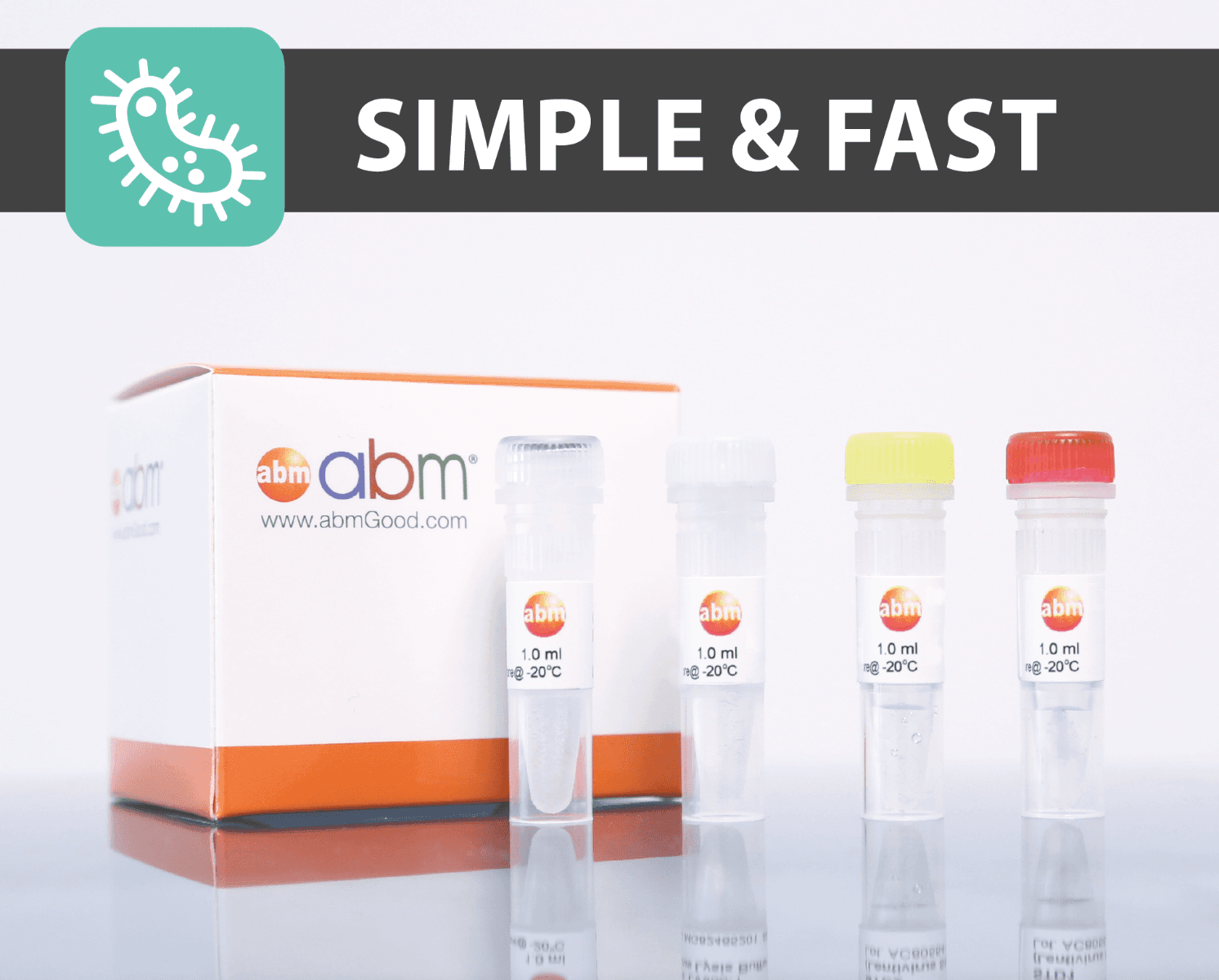
A Mycoplasma PCR detection kit provides primers, master mix, ultrapure water, and a positive control for rapid PCR-based screening of cell culture samples for Mycoplasma contamination. Because Mycoplasma species lack a cell wall and do not produce visible turbidity or media discoloration, contamination frequently goes undetected without periodic molecular testing, making these kits a standard component of cell culture quality assurance programmes. Run a Mycoplasma PCR detection kit periodically on actively maintained cell lines and before banking, sharing, or publishing results from a cell line as routine quality assurance against a contaminant that produces no visible signs.
What you will find:
-
Detection & Elimination Kits: All-encompassing systems such as Mycoplasma Pro crafted to accurately identify contamination while also enabling complete eradication of infected cultures.
-
PCR Detection Kits: Standardized, validated reagents that provide a quick and economical solution for regular laboratory testing and quality assurance.
-
Mycoplasma gDNA Kits: Tailored genomic DNA extraction solutions specifically designed for isolating low-abundance mycoplasma templates from intricate biological specimens.
How to Choose a Mycoplasma PCR Detection Kit
Species/Strain Coverage
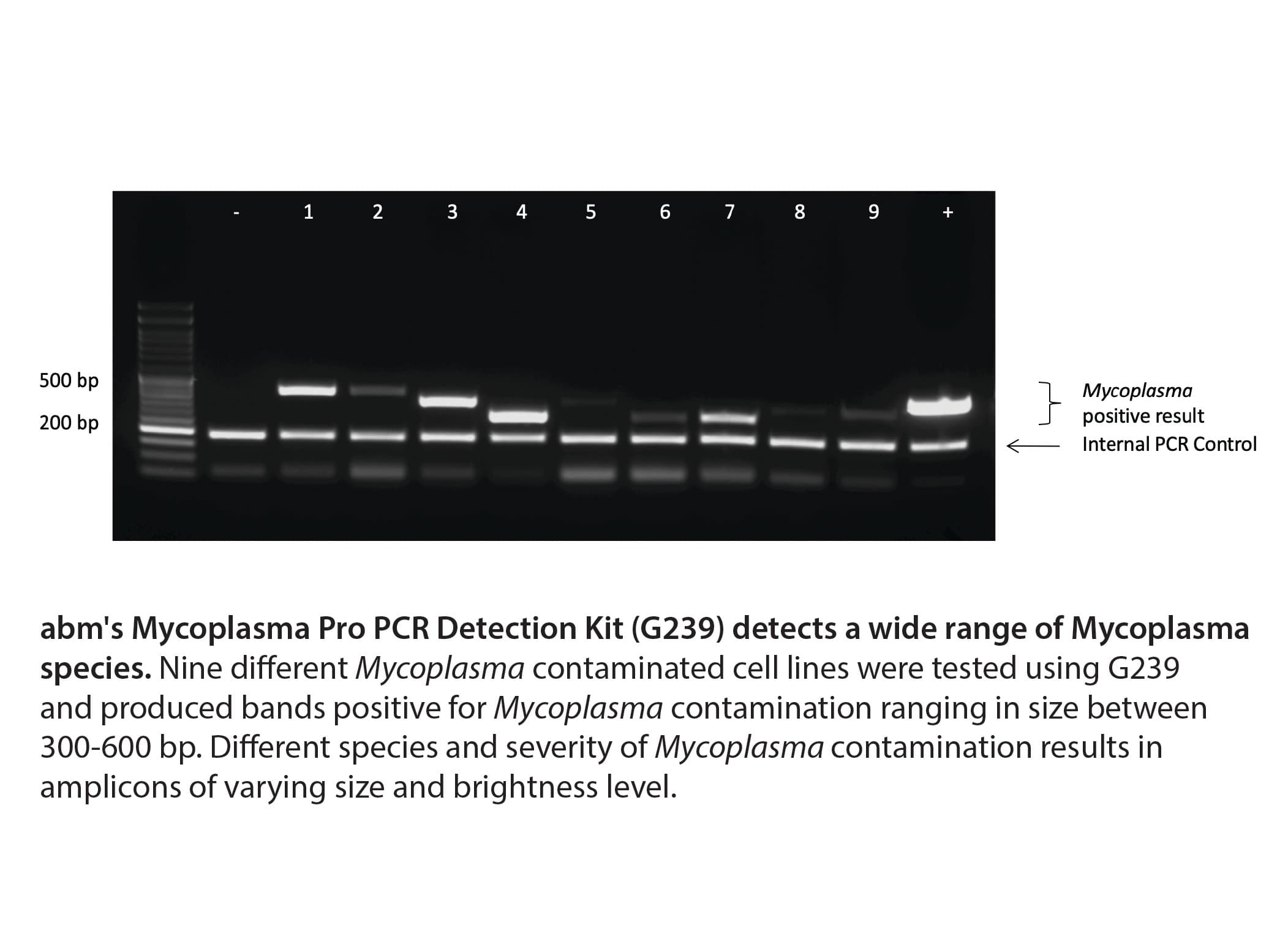
Kits vary in the breadth of Mycoplasma genera and species detected -- some formats detect over 200 strains, while enhanced ("Pro"-type) formats may extend coverage to 300+ strains, targeting conserved regions shared across common contaminant species such as M. arginini, M. hyorhinis, M. orale, and others.
Sample Preparation Requirements
Many Mycoplasma PCR detection kits allow direct addition of cell culture media to the PCR reaction without a separate DNA extraction step, simplifying the workflow and reducing time-to-result -- confirm whether your chosen kit requires extraction or supports direct sample addition.
Internal Control Availability
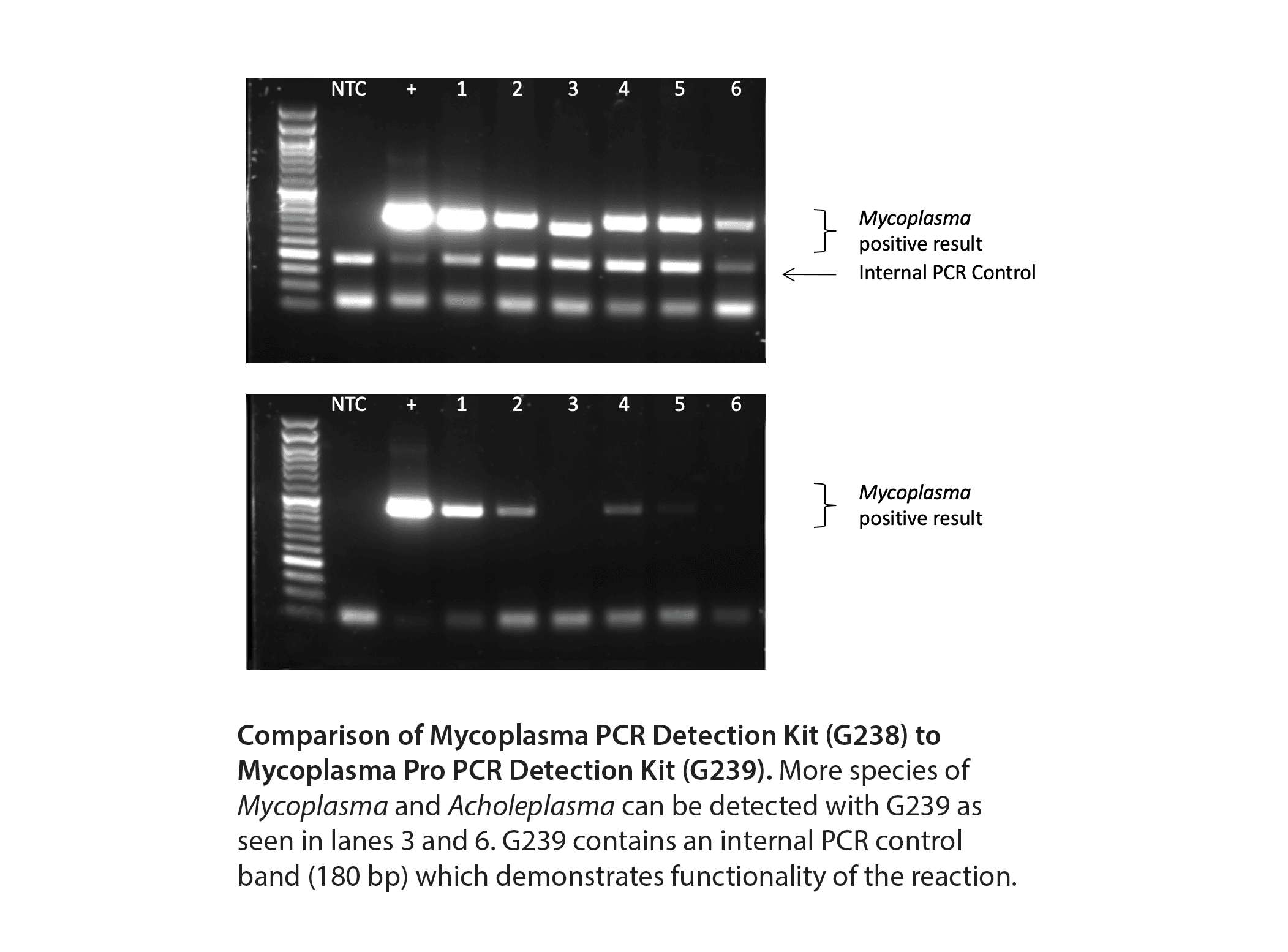
Enhanced kit formats may include an internal amplification control, providing additional confidence that a negative result reflects true absence of contamination rather than a failed or inhibited PCR reaction -- particularly valuable for samples with potential PCR inhibitors.
Detection Sensitivity
Standard kits can detect contamination at typical levels found in actively growing contaminated cultures; ultra-sensitive qPCR-based Mycoplasma detection formats (a related but distinct product type) can detect as few as 10 genome copies directly from media for earlier-stage contamination detection.
Result Interpretation
A positive result is typically indicated by a PCR product in a defined size range (commonly in the 260-550 bp range depending on the specific primer design), distinguishable from the positive control band; a clean no-template control validates assay specificity for each run.
Specifications Context
Mycoplasma PCR detection kits use primers highly specific to conserved rDNA regions across Mycoplasma genomes, enabling a single primer mix to detect dozens to hundreds of species and strains -- including commonly encountered laboratory contaminants - in one reaction. The streamlined workflow (combine sample with master mix and primer mix, run PCR, analyse by gel electrophoresis) typically delivers results within 1-2 hours, in contrast to culture-based Mycoplasma testing methods that can take days to weeks. A positive result appears as a distinct PCR product within the kit's expected size range, while the included positive control confirms the reaction performed correctly even when test samples are negative. Routine screening intervals vary by institutional policy, but testing before banking a new cell line, after receiving cells from an external source, and periodically during long-term culture are common checkpoints. Mycoplasma PCR detection kits are typically stored at −20 °C; positive controls are included with the kit.
Safeguard the integrity of your culture—reach out to the MBP team now for a quote on our expert Mycoplasma detection services.
FAQ